

Review · JAPAN
Tokyo Castle & Imperial PalaceーShogun Walking Tour
Tokyo hides a castle in plain sight. This two-hour walk connects Edo Castle ruins, Imperial Palace gardens, samurai defenses, and Japan’s long imperial tradition in a small group of no more than 10 people. I like the personal scale and the way the guide turns plain stone walls and gates into clues about the vanished castle. I also like the price: $23 is fair for an English-speaking guide and access to the palace grounds and East Gardens.
The main limitation is simple: this is an outdoor walking tour, and it is offered in English only. You will not tour the private interior of the Imperial Palace or see a fully restored castle. Instead, you explore surviving foundations, moats, gates, gardens, and historical markers. For me, that makes the guide especially important. Without explanation, parts of the grounds can look like attractive park scenery rather than the center of samurai power.
Key points to know before you book
- A small group of up to 10: This gives you a better chance to ask questions and stay close to the guide.
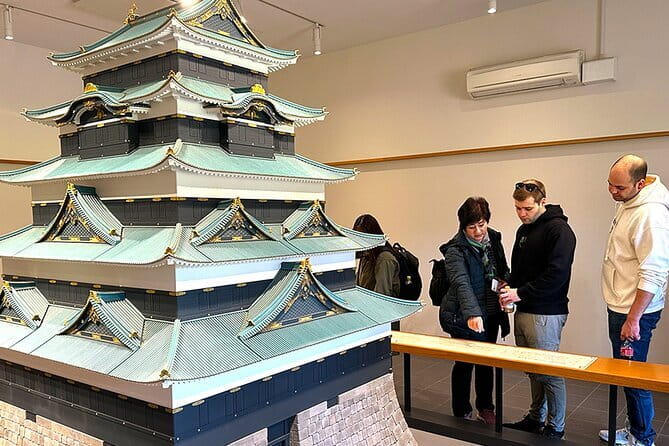
- Edo Castle is mostly a footprint today: You see moats, stone walls, gates, ruins, and a miniature model rather than a complete castle building.
- The walk links two eras: The guide explains the shogun-led Edo period and the continuing imperial system.
- Ninomaru Garden adds a quiet change of pace: Seasonal plants, carefully arranged scenery, koi, and trees from across Japan balance the military history.
- Guides are a major strength: Anju, Fuma, Yuuka, Tomo, Keiko, Koyo, and others are praised for clear explanations, friendly manners, and a relaxed pace.
- Bring weather-ready clothing: Much of the two hours takes place outside, with slopes and walking between stops.
Meeting at Wadakura Fountain Park
The tour begins in front of Starbucks Coffee Kōkyo Gaien Wadakura Fountain Park Store at 3-1 Kōkyo Gaien, Chiyoda City, Tokyo. Look for a guide holding a sign marked Local Guide Stars.
This is a sensible meeting point beside the Imperial Palace area, but give yourself time to find the exact Starbucks. Tokyo station-area paths can feel confusing, especially if you are arriving from a large station entrance. The tour returns to the same spot, which makes it easier to plan lunch or another Tokyo activity afterward.
The small group matters here. Ten people is not a private tour, but it is far more manageable than a large flag-following crowd. You can hear the explanations, ask about a detail on a gate, and take photographs without constantly losing the guide.
More Castle Walking Tours in Japan
- Ultimate Osaka Walking Tour: Castle, Dotonbori & Hidden Gems
★ 5.0 · 862 reviews - Tokyo Castle & Imperial PalaceーShogun Walking Tour
★ 5.0 · 724 reviews - Osaka Castle Walking Tour and Castle Tower Admission
★ 5.0 · 561 reviews
Sakurada Tatsumi Yagura: your first castle clue
The first stop is Sakurada Tatsumi Yagura, a short photo and orientation stop lasting about five minutes. A yagura is a watchtower, and this one helps you understand that Edo Castle was not a single grand building. It was a fortified complex of towers, gates, walls, moats, residences, gardens, and working spaces.
This is where the tour begins to correct a common expectation. You are not walking toward a large reconstructed keep like the one at Himeji. You are reading the remains of a much larger place. The guide explains how the castle’s size and layered defenses helped make it nearly impossible to attack.
Five minutes is brief, but that is useful. You get the basic picture without spending too long on the first structure before seeing the wider grounds.
Ote-Mon Gate and the logic of defense
The walk continues to Ote-Mon Gate, with roughly 15 minutes for viewing and explanation. This is one of the strongest stops for understanding how Edo Castle controlled movement.
Gates were not just entrances. They were points where people could be checked, delayed, redirected, or trapped. The castle’s defenses used more than thick walls. Moats, bends in the approach, stonework, gates, and watchpoints worked together. A guide can point out these layers in a way that a casual walk through the park cannot.
I would pay close attention here if you are interested in samurai history. The title Shogun may suggest battles and swordplay, but the more useful lesson is how power was maintained during the long peaceful period associated with the Tokugawa shoguns. The castle was a political machine as much as a military one.
The guide team is strongest when it connects physical details with daily life. Tomo has been praised for keeping a good pace while making the tour interactive. Fuma is often noted for adding stories and fun facts, while Kosei brings an international perspective from having lived abroad. Those qualities help prevent the gate from becoming a dry architecture lesson.
The Imperial Palace grounds and the surviving castle footprint
The central Imperial Palace stop takes about 20 minutes. You walk through broad palace grounds while the guide explains how Edo Castle became the Imperial Palace and how Tokyo grew around it.
This is the point where the tour moves from medieval and early modern power into the present day. Japan’s imperial system is presented as a tradition extending back roughly 2,600 years, while the grounds show a more specific story: the transformation of the shogun’s castle into the center of the modern imperial household.
The private residence areas are not open for ordinary touring, so manage your expectations. You are viewing the public grounds and exterior setting, not entering the emperor’s living quarters. That is still worthwhile because the scale of the site is the main lesson. The open spaces, old walls, moats, and controlled entrances make it easier to imagine how much of Tokyo’s political life once revolved around this compound.
A miniature structure of the former palace is also included. This is a useful aid because the original castle buildings no longer dominate the grounds. A model gives you something concrete to picture while the guide fills in the missing pieces.
Same region, a different set of walls:
- Osaka Castle: Museum and Tower Entry Ticket
★ 4.5 · 2,380 reviews - Kyoto: Nijo-jo Castle and Ninomaru Palace Guided Tour
★ 4.7 · 1,020 reviews - Kyoto: Nijo Castle, Kiyomizu & Fushimi Inari Guided Tour
★ 4.7 · 700 reviews - Imperial Palace East Garden and Edo Castle Walking Tour in Tokyo
★ 5.0 · 510 reviews
Ninomaru Garden: the gentler side of Edo power

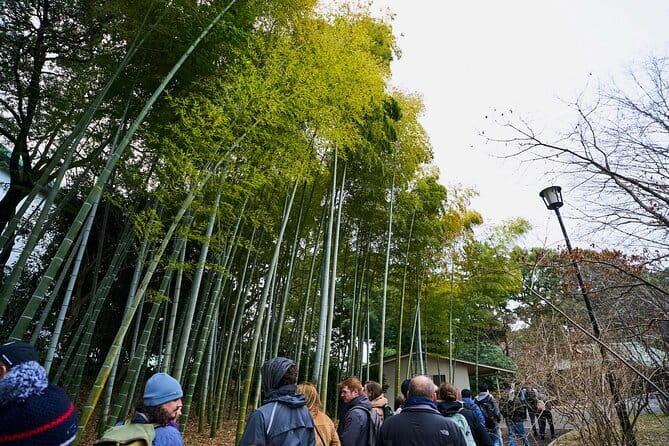
Ninomaru Garden receives about 15 minutes, and it provides a welcome change from gates and defenses. The garden is carefully arranged, with seasonal plants, old trees, water, and scenic views. You may also see special koi and trees representing different parts of Japan.
This is not just a decorative pause. Japanese gardens can express status, taste, and control in a quieter way than castle walls. The garden shows the world of the shogun and his retainers from another angle, one concerned with design, leisure, ceremony, and close attention to nature.
The garden is also one of the best places for photographs. The scenery changes with the season, so the exact color and flower display will depend on when you go. The tour does not promise a particular bloom, but it does give you time to notice details you might otherwise walk past.
Several guides have been praised for keeping this portion calm rather than rushing through it. Pina described the experience as unhurried, with a good balance of information and small quizzes. That pace suits the garden. You can listen, look around, and take pictures without feeling pushed along.
Edo Castle ruins: imagining what disappeared
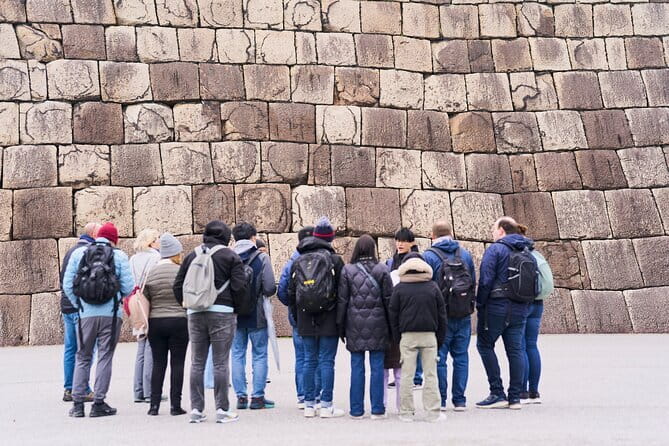
The Edo Castle Ruins stop lasts about 10 minutes. Here, the guide helps you picture the former castle buildings and explains what happened to the site over time.
The ruins can be underwhelming if you arrive expecting towers and grand halls. They are more rewarding if you treat them as evidence. Stone foundations and remaining walls show the size and layout of a place that once controlled a peaceful samurai state for about 260 years.
This is also where a good guide earns the $23 price. A pile of old stone cannot explain itself. The guide’s job is to show you where the castle’s major structures stood, how the defenses connected, and what life may have been like for the shogun’s household and retainers.
Kevin described learning what the palace used to look like as one of the most interesting parts of the walk. That is the right way to approach this stop. You are not seeing a complete building. You are using the remains, model, and explanation to reconstruct it in your imagination.
Imperial Palace East Gardens and the final stretch
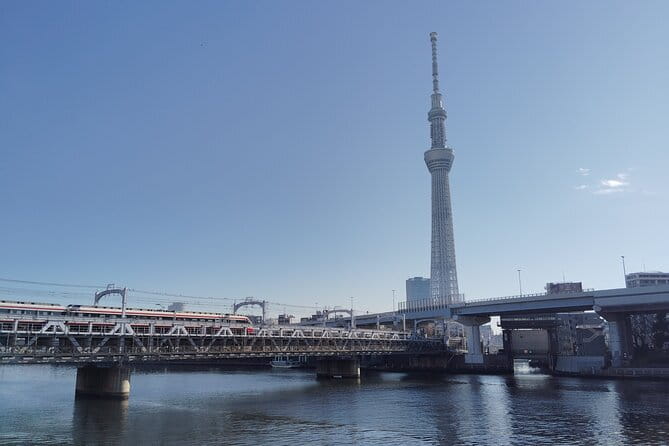
The East Gardens receive about 20 minutes, making them the longest single stop on the route. This is where the tour brings together history, horticulture, and the quieter side of central Tokyo.
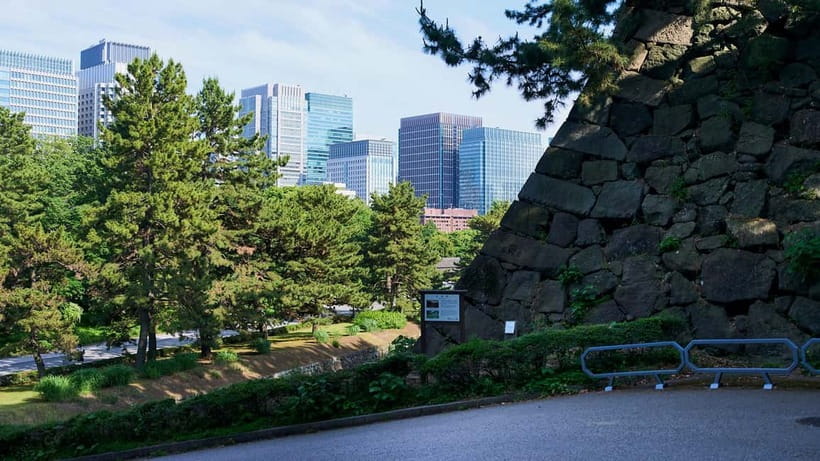
You can expect more open views, carefully maintained planting, old stonework, and places to photograph the grounds. The gardens offer a calm break from the city, yet you remain in central Tokyo. That contrast is part of the pleasure. A few steps from major roads and office districts, you are looking at moats and castle foundations.
The gardens also help explain why this tour is not only for samurai fans. If you are curious about Japanese design, trees, koi, or seasonal scenery, you get plenty to enjoy. If you already know the Edo period well, the garden section may be the most relaxing part of the walk.
The group returns to the Starbucks meeting point after the East Gardens. The two-hour schedule is compact, but guides sometimes spend extra time when questions and conversation are flowing. That can be pleasant, though you should avoid scheduling another activity immediately afterward if timing is critical.
How strong are the guides?
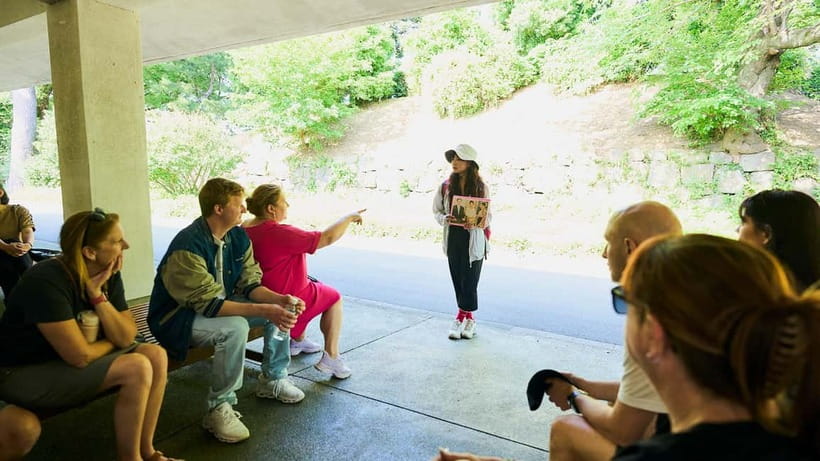
The guide is the heart of this experience. Names repeatedly praised include Anju, Fuma, Yuuka, Tomo, Koyo, Keiko, Ai, Mai, Nana, and Kosei. Their styles differ, but the recurring strengths are clear explanations, warmth, patience, and an ability to answer questions.
Anju is praised for bringing the castle and gardens to life with stories from the Edo period through the present. Fuma is known for passion, humor, and useful recommendations for the rest of your Tokyo visit. Yuuka is noted for clear answers and taking good photographs. Keiko has been praised for handling the enormous palace area while keeping the details understandable.
The age and background of the guides may vary. One guide was a university student with excellent English and strong historical knowledge. Another had lived abroad and compared Japanese customs with international culture. For you, that can make the imperial system easier to place in a modern setting.
English ability is central to the experience. The tour is English only, and Japanese-language support is not available. If you are comfortable listening to spoken English for two hours, the format works well. If you need another language, this is not the right choice.
Is $23 good value?
At $23 per person, I consider this a good-value introduction to the Imperial Palace area. Entry to the palace grounds and East Gardens is included, along with a live guide, historical context, a model of the former palace, and a small group.
You can walk through parts of the area on your own, so the basic scenery is not the whole value of the tour. The real benefit is interpretation. The guide explains why a gate was placed where it was, how the defenses worked, what happened to Edo Castle, and how the site relates to Japan’s imperial system.
One person felt the price was slightly high because the gardens may not charge a separate admission fee. That is a fair point. If you want only a peaceful park walk and photographs, self-guided exploration may cost less. If you want the site to make historical sense, $23 is a modest fee for two hours of explanation in a small group.
Walking comfort, security, and accessibility
A large portion of the tour is outdoors. Wear shoes you can walk in and dress for the day’s weather. Tokyo’s heat, rain, cold, or strong sun can shape your opinion of the same route, so check the forecast before you leave.
There is a security check when entering the Imperial Palace area. Do not bring knives or alcohol. Photography is encouraged, so bring a camera or keep your phone ready.
Wheelchairs are available within the Imperial Palace grounds, but some slopes and sections require walking or going down on foot. If mobility is a concern, ask about the route before booking and be realistic about the outdoor terrain.
Who should book this walk?
I would choose this tour if you want a clear introduction to Edo Castle, the shoguns, samurai society, and the imperial family in one compact morning or afternoon. It suits first-time Tokyo visitors, history fans, anyone interested in the period portrayed in Shōgun, and people who enjoy gardens as much as old stonework.
Families and mixed-interest groups may also find it useful because the route changes character often. Gates appeal to military-history fans, the model helps visual learners, and the gardens offer quieter scenery for anyone less interested in political history.
I would skip it if you want to enter palace buildings, see a fully restored castle, or tour in a language other than English. I would also avoid booking it during poor weather unless you are prepared for two hours outside.
Should you book the Tokyo Castle and Imperial Palace Shogun Walking Tour?
Yes, if you want the Imperial Palace area to make sense rather than simply look pretty. The small group, low price, and strong guide team give you a practical way to understand Tokyo’s transformation from shogun capital to modern imperial city.
Book it for the stories, not for grand interiors. The castle is mostly gone, but its walls, moats, gates, gardens, and ruins still give you plenty to see. With a guide such as Anju, Fuma, Yuuka, or Tomo explaining the clues, two hours can turn a quiet park walk into one of Tokyo’s most useful history lessons.
FAQ
How long is the Tokyo Castle and Imperial Palace Shogun Walking Tour?
The tour lasts two hours.
How much does the tour cost?
The price is $23 per person.
What language is the tour conducted in?
The tour is conducted in English only. Japanese-language support is not available.
How many people can join the group?
The group is limited to 10 participants.
Where does the tour begin?
Meet in front of Starbucks Coffee Kōkyo Gaien Wadakura Fountain Park Store at 3-1 Kōkyo Gaien, Chiyoda City, Tokyo.
How do I identify the guide?
The guide will be holding a sign that says Local Guide Stars.
Does the tour include the Imperial Palace grounds and East Gardens?
Yes. The Imperial Palace grounds and Imperial Palace East Gardens are included.
Can I take photographs during the tour?
Yes. Photography is encouraged throughout the experience.
Are there security restrictions?
There is a security check when entering the Imperial Palace. Do not bring knives or alcohol.
Is the tour wheelchair accessible?
Wheelchairs are available and can be used within the Imperial Palace grounds. Some slopes and areas still require walking or going down on foot.
Just added around Japan
- Tokyo: Edo Castle and Imperial Palace Guided Walking Tour★ 5.0 · 6 reviews
- (Ticket Included) Explore Osaka Castle & Museum of History★ 4.8 · 21 reviews
- Peace Memorial Park, Hiroshima Castle, & Garden Private Tour★ 4.8 · 7 reviews
- Osaka: Explore Every Bit of Osaka Castle in 3 Hours★ 5.0 · 5 reviews
- Osaka/kyoto: Himeji Castle, Kobe. Luxury Day Trip with Guide★ 5.0 · 2 reviews
- Osaka: Early Morning Osaka Castle Guided Tour, Avoid Crowds★ 4.9 · 12 reviews
- Osaka: Osaka Castle 3 hours Historical Walking Tour★ 4.6 · 14 reviews
- Osaka: Osaka Castle – Tsuruhashi – Tennoji (Spanish Guide)★ 4.7 · 10 reviews
Castle Walking Tours, compared.

Edinburgh Castle: Guided Walking Tour with Entry Ticket
Read our review →
3-Hour Walking Tour of Old Town & Prague Castle
Read our review →Edinburgh Castle: Guided Walking Tour with Entry Ticket
Read our review →
Edinburgh Castle Guided Walking Tour in English
Read our review →

Prague 3-hour Afternoon Walking Tour including Prague Castle
Read our review →
Royal Mile and Edinburgh Castle – Small Group Walking Tour
Read our review →Browse the lists this tour appears in