
Review · RIGA
Riga: Hill of Crosses, Guided Rundale Palace & Bauska Castle
Three Baltic highlights, one long day. This outing from Riga works because it combines two countries and three very different sights without making you arrange border crossings, tickets, driving, or palace timing yourself. I especially like the live guide inside Rundale Palace and the small-group feel reported by many participants. The main drawback is the length: eight hours on the road and at the sights can feel tiring, especially in cold or windy weather.
The strongest part is the guiding. Erlens is repeatedly praised for calm driving, good stories, and thoughtful touches such as bottled water, chocolate, help with photographs, and even a taste of Riga Black Balsam on some departures. I also like the pace, which leaves real time at the Hill of Crosses rather than treating it as a rushed roadside photo stop. Bauska Castle is the least complete stop, since access to all rooms is not always available.
Key points worth knowing
- A genuine two-country day: You cross from Latvia into Lithuania for the Hill of Crosses, then return to Latvia for Rundale Palace and Bauska Castle.
- Rundale gets a live palace guide: The interior visit is not limited to an audio recording or printed notes. A costumed guide has brought humor and period atmosphere to several departures.
- Small-group comfort matters: The vehicle is described as clean, modern, and comfortable, with groups sometimes as small as six people.
- The Hill of Crosses is given breathing room: You get guided context, free time to walk among the crosses, and time to reach the nearby monastery if you wish.
- Lunch is planned but not included: A restaurant stop is arranged, and past participants report a generous hot meal and drink for under €15, though prices can change.
- The guide is the glue: Erlens, also spelled Arlens or Eriens in some comments, receives repeated praise for his driving, timing, humor, and care.
Why this eight-hour outing works from Riga
Riga has enough museums, art nouveau streets, and cafés to occupy several days. Still, Latvia makes more sense when you see a little of the countryside and its old estates. This tour gives you that chance without requiring a rental car or a full day of independent planning.
You meet in front of Riga Cathedral, known locally as Rīgas Doms. From there, the first drive takes about two hours. That is a sizeable stretch of road, but the guide uses it well with stories about Latvia, the region, and the places ahead.
I like this format for anyone who wants context while looking out the window. You are not simply dropped at a monument and told to be back at the van. The guide remains with you throughout the day, answers questions, points out things along the route, and helps the group stay on schedule.
The vehicle is another practical advantage. The tour uses a comfortable van rather than a large coach, and several people specifically praised the smooth driving and clean interior. A smaller vehicle also makes stops feel more personal. You can ask a question without trying to catch a guide’s attention across a crowded bus.
The tradeoff is simple: this is a busy day. You cover substantial distance, and the first and last drives take time. If you prefer one palace or one town at a slow pace, book something narrower. If you want a broad introduction to southern Latvia and nearby Lithuania, this is a productive use of a day.
More Palace Tours in Latvia:
- 2 countries! Hill of Crosses, Rundale Palace and Bauska castle
★ 5.0 · 225 reviews - Riga: Bauska Castle, Rundale Palace and Hill of Crosses Trip
★ 4.8 · 113 reviews - Group Day trip to Rundale Palace, Hill of Crosses & Bauska Castle
★ 5.0 · 92 reviews
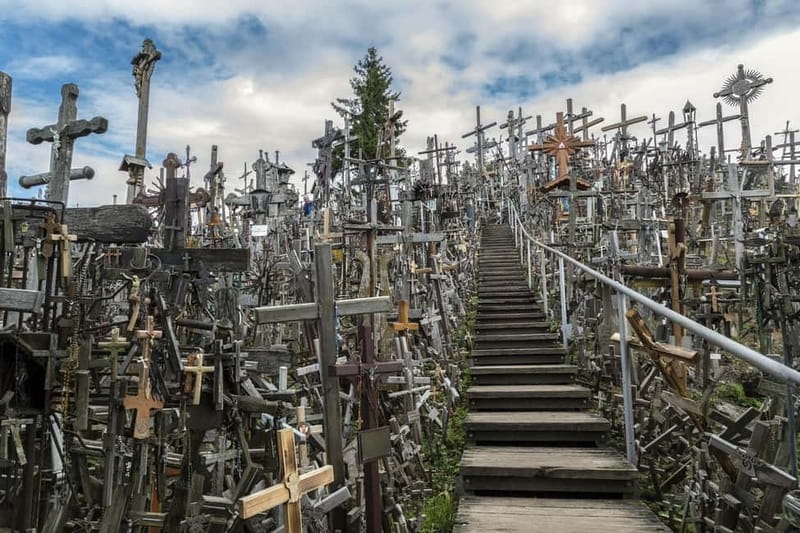
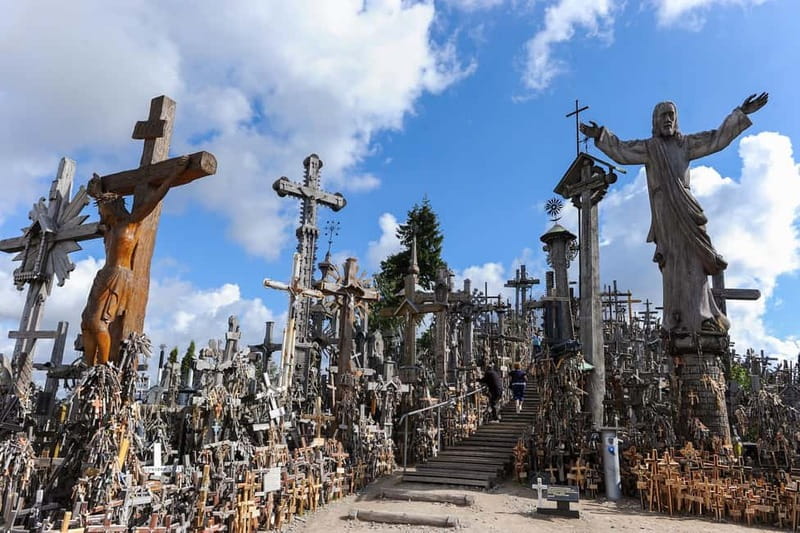
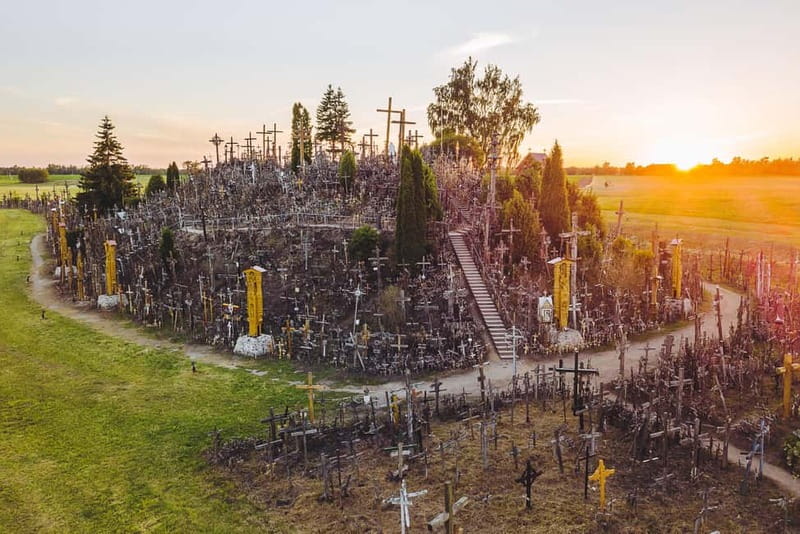
The Hill of Crosses: a powerful first stop in Lithuania
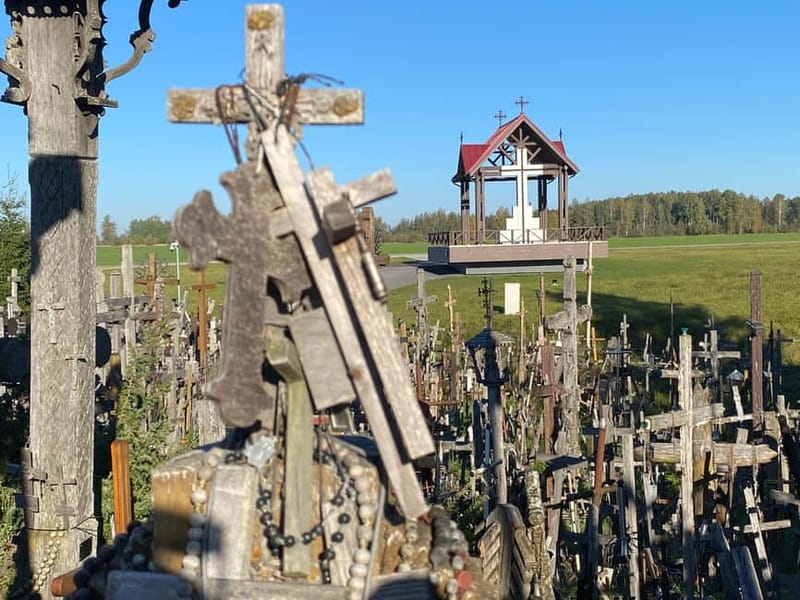
After roughly two hours, you reach the Hill of Crosses in Lithuania. The name is plain, but the sight is not. Thousands of crosses cover the site, creating a dense, deeply personal place of pilgrimage and remembrance.
The experience is visual first, but the guide’s explanation gives it meaning. You learn about the site’s symbolism, traditions, and place in the region’s religious and cultural life. Without that background, the crosses can seem like a strange collection of objects. With it, the hill becomes a moving expression of faith, identity, grief, and hope.
The schedule allows a guided visit followed by free time. That balance is important. You get the main story from the guide, then walk at your own pace, take photographs, and spend quiet time wherever the setting catches you.
You can also walk to the nearby monastery if time and conditions suit you. One useful detail from the day’s organization is that the guide does not force everyone into the same pace. Some people linger among the crosses, while others prefer a shorter visit.
Weather matters here. The site is outdoors and exposed, so wind, rain, or winter cold can change the mood and your stamina. In early winter, the hill may be less comfortable than in warmer months. Wear proper shoes and bring your passport or national identity card, since this day crosses an international border.
I would not treat the Hill of Crosses as a quick photo stop. Give it your attention. The setting is unusual precisely because it feels personal rather than polished.
Crossing Lithuania and Latvia without the driving work
The route then continues toward Latvia, with about 40 minutes in the van before a short stop at the Lithuania-Latvia border. The border stop is mainly for photographs, but it adds a small geographical thrill to the day.
You have technically visited two countries before lunch. That sounds like a travel trick, but it is also useful context. The sites are close enough to combine, yet the day links different parts of Baltic history and culture rather than repeating the same type of attraction.
Bring the correct identity document. A passport or ID card is specifically required, and it is not something to leave in your hotel room. The tour operates in English, so you should also be comfortable following spoken explanations throughout the day.
The short border pause breaks up the drive. So do the planned opportunities for toilets, coffee, and souvenirs mentioned by past participants. These little stops matter on a full day in a van, especially if you are traveling with older family members or simply prefer not to sit for hours without a break.
Rundale Palace: the day’s main architectural prize
From the border, the drive to Rundale Palace takes about 25 minutes. This is the tour’s richest cultural stop and, for many people, the highlight.
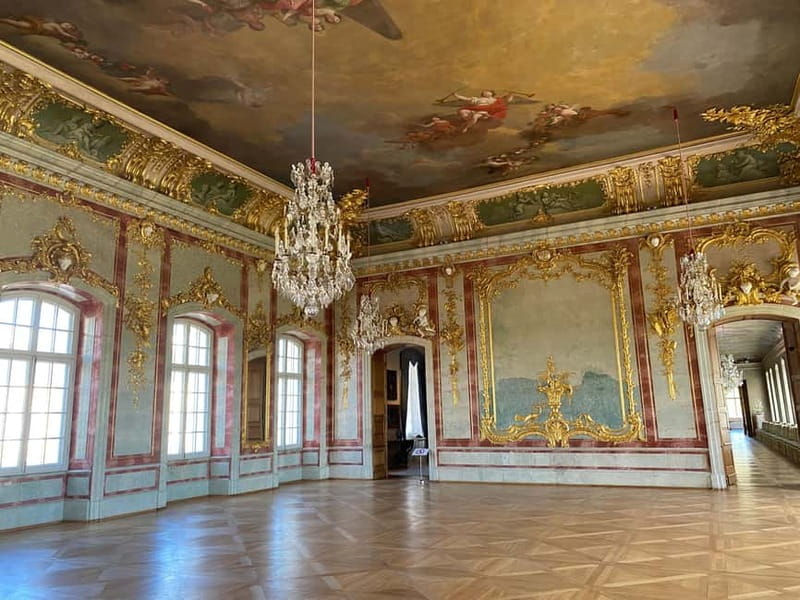
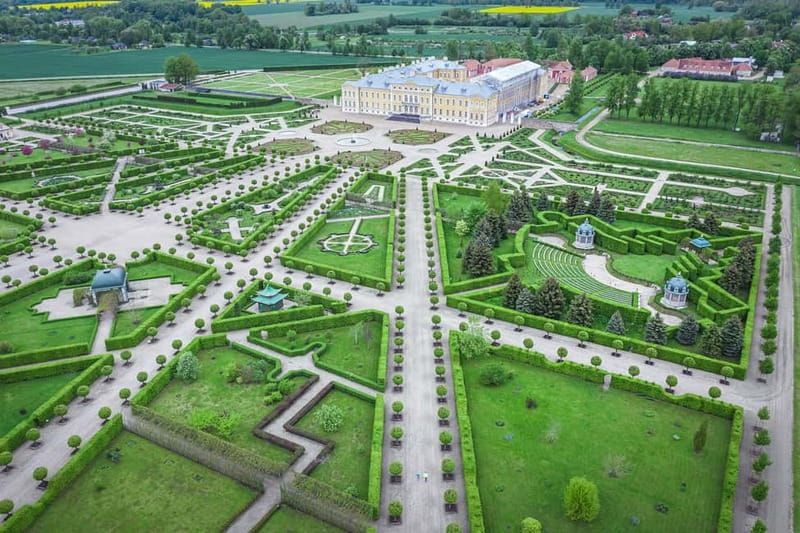
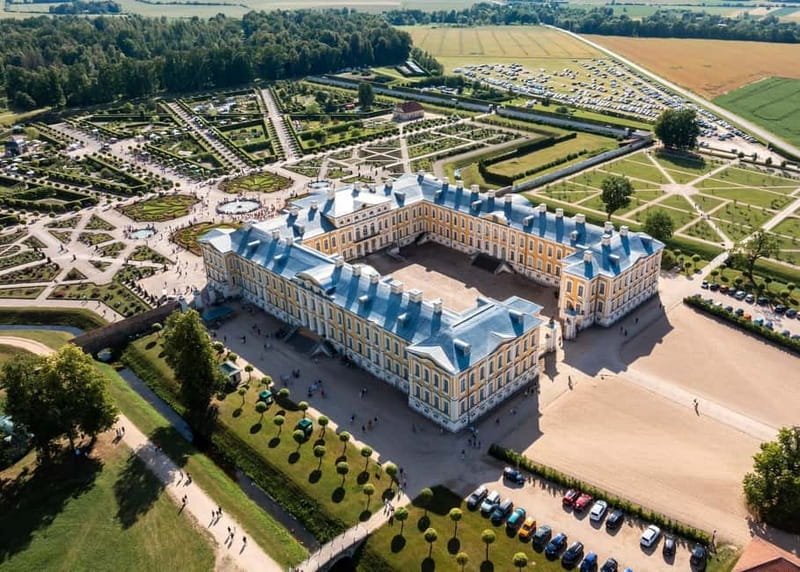
Rundale is Latvia’s great baroque palace, with ornate interiors, formal rooms, and gardens that offer a sharp contrast to the rougher feel of Bauska Castle later in the day. You have time for photographs, walking, and the palace visit itself.
The key selling point is the live guide inside. Instead of relying only on an audio guide, your small group is taken through the palace by a professional guide. Several departures featured a guide in period costume, complete with wig and makeup, who explained the palace with humor and theatrical flair. Another guide named Olaf was praised for making the visit unusually involving.
That matters because grand rooms can blur together when you simply read labels. A person who explains how the rooms were used, points out details, and adds stories gives the building a human scale. You can also ask questions, something an audio guide cannot do.
The tour description uses both guided and self-guided language for Rundale, so expect a combination: a live guided interior visit, plus some free time to look around on your own. The exact amount of independent time can depend on the day, group timing, and palace arrangements.
The grounds are another reason to pay attention to the season. In summer, the gardens should be at their strongest. In winter, they remain part of the palace setting but will not have blooming plants to provide the same color. Several winter departures still found the palace impressive, and one practical advantage of the colder months is that the interior may feel calm and uncrowded.
The palace stop also includes lunch. The meal itself is not part of the $130 price, but it is planned at a local restaurant, with the guide arranging timing so food can be ready efficiently. One participant reported a hot meal and drink for less than €15, but you should treat that as a past example, not a fixed price.
A few more castle visits around Latvia worth a look
- From Riga: Cēsis, Sigulda & Turaida Castle Tour
★ 5.0 · 40 reviews - Private Day Trip to Cesis, Sigulda and Turaida Castles
★ 5.0 · 13 reviews - Sigulda Day Tour – Castle Ruins, Gūtmaņala Grotto, & More
★ 5.0 · 8 reviews - Riga: Rundale, Bauska and Hill of Cross Private Castle Tour
★ 5.0 · 8 reviews
Lunch at Rundale and the value of organized timing
A planned meal is easy to overlook when comparing day trips, yet it can save time and stress. You do not need to spend part of your limited palace visit searching for a restaurant or negotiating where the group should eat.
Lunch is paid individually. The practical approach is to carry some euros and allow for personal preferences, since the meal is not included. The stop is described as relaxed rather than hurried, and several people appreciated that the guide ordered or organized food in advance.
The lunch location also helps the day flow. You visit the palace, eat nearby, and then continue to Bauska Castle after only about 15 minutes of driving. That is much better than adding another long transfer after the main attraction.
Small touches can make a difference here. Depending on the departure, the guide may provide water and a sweet snack, and some people received a small pour of Riga Black Balsam, a Latvian herbal spirit. Alcohol is not allowed as a general item on the tour, so do not treat that mention as permission to bring your own drinks. Any tasting offered by the guide is a separate courtesy and may not appear on every departure.
Bauska Castle: medieval walls and river views
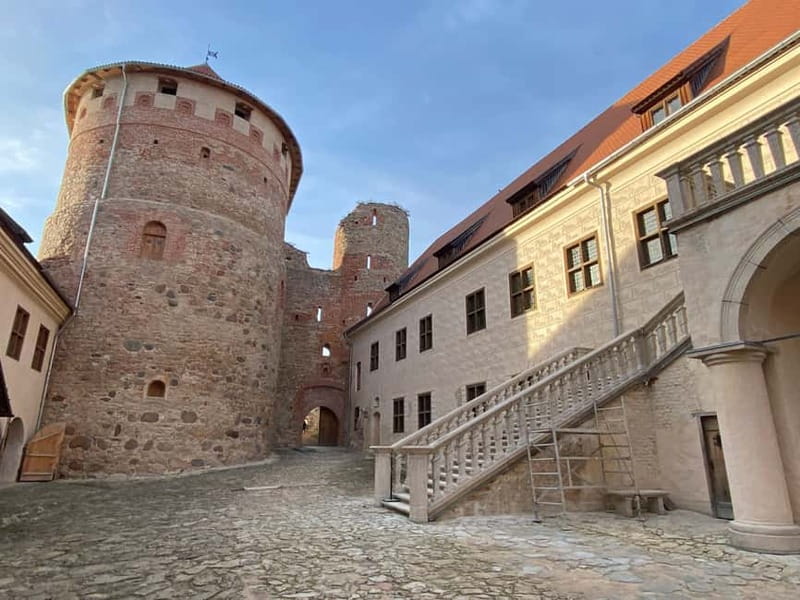
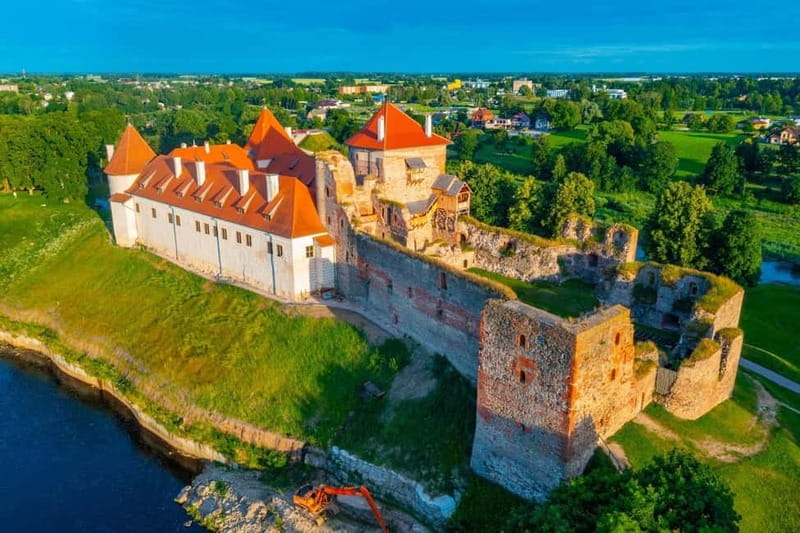
The final major stop is Bauska Castle, about 15 minutes from Rundale. The castle sits where two rivers meet, giving the site broad views and a strong defensive setting.
This stop changes the mood again. Rundale is polished, ornate, and aristocratic. Bauska feels more rugged, with medieval remains, open grounds, and a tower or fortress area that provides a visual sense of the region’s past.
You can walk through the grounds, take photographs, and visit the medieval section included with the tour. The views are one of the rewards. The castle is also a useful piece of the historical timeline, linking the grand palace world with the military and political struggles of earlier centuries.
Keep your expectations realistic. Bauska is not always a full-room museum visit. One departure did not allow access to every castle room, possibly because of timing or site conditions. The strongest reasons to include it are the ruins, the setting, the tower views, and the guide’s explanation, not a long sequence of furnished interiors.
The stop is shorter than Rundale, but that helps the whole day. You get a final change of scene without stretching the return to Riga too late. After Bauska, the drive back takes about one hour, ending at Riga Cathedral.
The guide can make or break this route
This tour covers a lot, so the guide’s role is central. Erlens is the name that appears most often in praise, though the spelling varies. He is described as friendly, funny, attentive, and well informed about Latvian history and daily life.
The best guiding here is not just a list of dates. It includes stories during the drives, advice about Riga restaurants and museums, help with photographs, and checks that people are warm, comfortable, and ready for the next stop. That care matters when a tour lasts eight hours.
The driving receives equal attention. A calm driver lets you relax between stops instead of arriving tense. You also get the benefit of someone who knows when to adjust the schedule. On one winter departure, bad weather shortened time at the Hill of Crosses and allowed more time elsewhere.
A live palace guide adds another layer. The main guide handles the road, logistics, and regional context, while the palace guide focuses on the building. At its best, this gives you two different kinds of explanation rather than one person trying to cover everything.
No guide can control every condition. Castle access, garden appearance, weather, and crowd levels can change. The tour’s value comes from having someone adjust the day intelligently when conditions do change.
Is $130 good value?
At $130 per person, this is not a cheap bus ride, but it offers more than transportation. The price includes a comfortable vehicle, an English-speaking guide all day, entrance to Rundale Palace and Bauska Castle, guided attention at the Hill of Crosses, and the live palace visit.
You also avoid several separate costs and decisions. A rental car would mean driving across a border, finding each site, paying admissions, monitoring opening times, and arranging lunch. Public transport would be less direct and would not provide the same explanation or flexibility.
The price looks strongest for a first visit to Riga when you want to see beyond the capital but have only one free day. It is also good value for solo visitors and couples who do not want to rent a car. Families should consider the long day and outdoor walking before booking, although the vehicle and planned stops make the route easier than an entirely independent outing.
Lunch is extra, and personal purchases are extra. You should also budget for comfortable footwear and weather-appropriate clothing rather than assuming this is a purely indoor cultural trip.
Who should book this day trip?
I would choose this tour if you want:
- A guided introduction to Latvia beyond Riga
- A simple way to visit Lithuania for part of a day
- Palace interiors explained by a real person
- A small-group atmosphere rather than a large coach
- Help with timing, lunch, tickets, and border logistics
- A mix of religious, aristocratic, and medieval sites
I would think twice if you dislike long drives, want several hours at one site, or need guaranteed access to every room at Bauska Castle. The Hill of Crosses and castle both involve walking outdoors, and Rundale’s gardens are less impressive in the cold months than during the growing season.
Cancellation is flexible up to 24 hours before departure, and you can reserve now and pay later. Those terms help if your Riga plans are still moving around, but the more important decision is whether you enjoy a full day with three major stops.
Final verdict: a strong choice for a first Riga side trip
I would book this tour for a well-paced introduction to southern Latvia and the nearby Lithuanian border region. The Hill of Crosses supplies the emotional weight, Rundale Palace provides the architectural high point, and Bauska Castle finishes with ruins and river views.
The most valuable feature is not simply the number of attractions. It is the combination of a comfortable van, strong personal guiding, a live palace presentation, and enough free time to look around without being herded from one stop to the next.
Book it if you want a full day that feels organized but not mechanical. Skip it if you would rather spend the same eight hours slowly exploring Riga or one palace. For most first-time visitors with a free day, the $130 price is justified by the transport, admissions, guiding, and sheer amount of ground covered.
FAQ
Where does the tour begin?
You meet the driver and guide in front of the main entrance to Riga Cathedral, also called Rīgas Doms.
How long does the tour last?
The experience lasts about eight hours. The listed schedule begins and ends at Riga Cathedral.
Does the tour visit two countries?
Yes. You visit the Hill of Crosses in Lithuania, then cross back into Latvia for Rundale Palace and Bauska Castle.
Do I need a passport or identity card?
Yes. You should bring a passport or ID card because the route crosses the Lithuania-Latvia border.
Is lunch included in the $130 price?
No. A lunch stop is planned at a local restaurant, but you choose and pay for your own meal.
Is the visit inside Rundale Palace guided?
Yes. The tour includes a live professional guide inside Rundale Palace. It is not limited to an audio guide or printed information.
Are entrance tickets included?
Entrance tickets to Rundale Palace and Bauska Castle are included in the tour price.
Is transportation included?
Yes. Transportation from Riga is provided in a comfortable vehicle, with an English-speaking local guide throughout the day.
What should I wear or bring?
Bring comfortable shoes and a passport or ID card. Since the Hill of Crosses and Bauska Castle include outdoor walking, dress for the weather.
Is the tour suitable for everyone?
The activity is not suitable for people over 95 years old. You should also consider the eight-hour duration and outdoor walking before booking.
Just added around Latvia
- Sigulda Day Tour – Castle Ruins, Gūtmaņala Grotto, & More★ 5.0 · 8 reviews
- Riga: Nearby Manors and Castles Tour★ 4.5 · 5 reviews
- Riga: Soviet Bunker, Seaside Fortress + Authentic BBQ lunch★ 5.0 · 5 reviews
- Riga: Rundale, Bauska and Hill of Cross Private Castle Tour★ 5.0 · 8 reviews
- Latvian Palace and Medieval Castle Private Trip★ 4.3 · 8 reviews
- Kemeri N Park, Jurmala, Lake Melnezers & White Castle Hotel★ 4.6 · 4 reviews
- Private Day Trip to Cesis, Sigulda and Turaida Castles★ 5.0 · 13 reviews
- From Riga : Rundale palace and Bauska castle tour and back.★ 3.1 · 6 reviews
Palace Tours, compared.
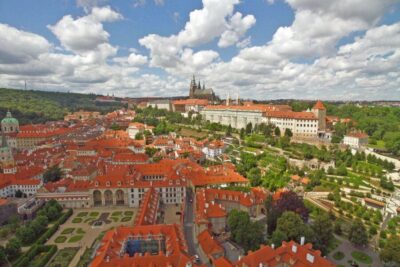
Prague Castle and Lobkowicz Palace Entry Tickets
Read our review →
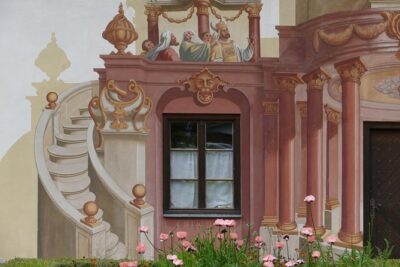
Neuschwanstein Castle and Linderhof Palace Day Trip from Munich
Read our review →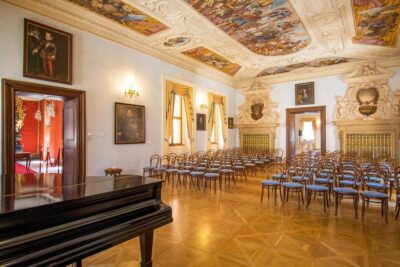
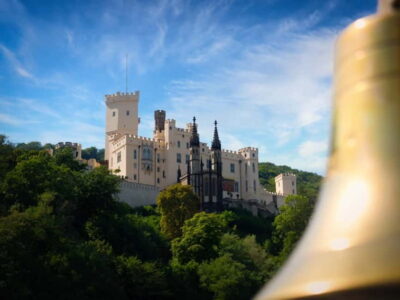
Rhine Valley boat tour along the castles and palaces
Read our review →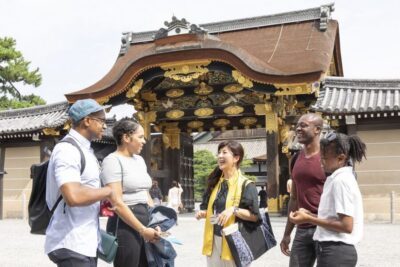
Nijo-jo Castle and Ninomaru Palace Guided Tour
Read our review →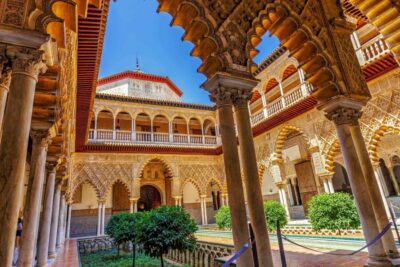
Alcázar Guided Palace Tour with Priority Access
Read our review →
Imperial Palace East Garden and Edo Castle Walking Tour in Tokyo
Read our review →Browse the lists this tour appears in