
Review · RIGA
Riga: Nearby Manors and Castles Tour
Quiet castles, old roads, and good stories await. This five-hour trip from Riga or Jurmala reaches Tukums and several handsome estates in western Latvia, with guide Armands often adding the local color. I like the small group limit of four and the chance to see Jaunpils Castle, one of Latvia’s best-preserved medieval fortresses. I also like the mix of architecture, countryside, and a winery stop rather than a day spent inside museums.
The main consideration is cost. At $106 per person, you still pay separately for entrance tickets and meals, so the final bill depends on which sites you enter and what you do at Abavas Vini. The schedule is also full, and five hours can feel brisk if you want long visits at every manor.
Key points to know before booking
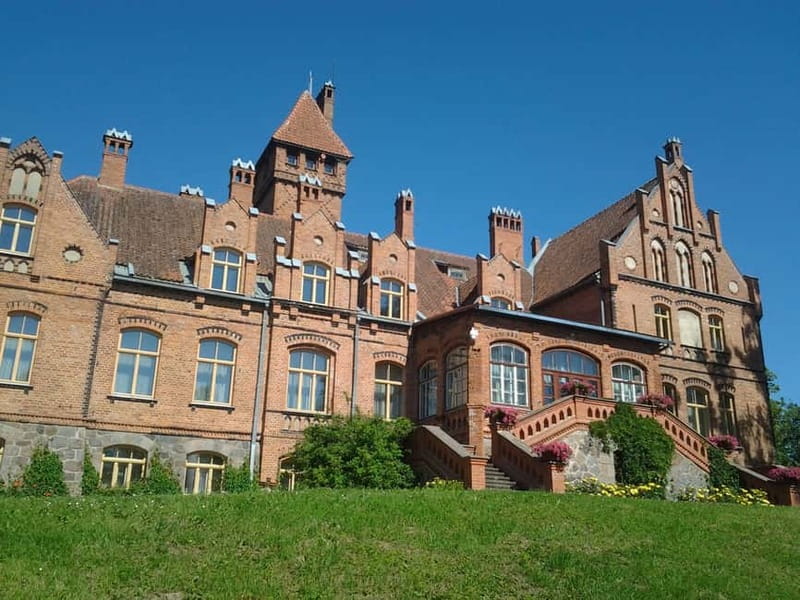
- Jaunpils Castle dates to 1301: This Livonian Order fortress retains much of its original appearance and carries old legends about its owners.
- Tukums is more than a passing stop: Its historic center, rose gardens, house plaques, and sculpture of Katrina give the town a human scale.
- Four participants is the maximum: A small vehicle and small group make it easier to ask questions or request modest changes.
- Three distinct manors appear on the route: Schlokenbeka, Durbe Palace, and Jaunmokas each offer a different look at Latvian estate life.
- Abavas Vini adds a local food-and-drink angle: The winery is a pleasant change after castles, though meals and tickets are not included.
- The route includes a few less-defined highlights: The Bridge to Nowhere is named among the attractions, but its exact timing is not explained, so ask Armands before departure.
Why this western Latvia route works
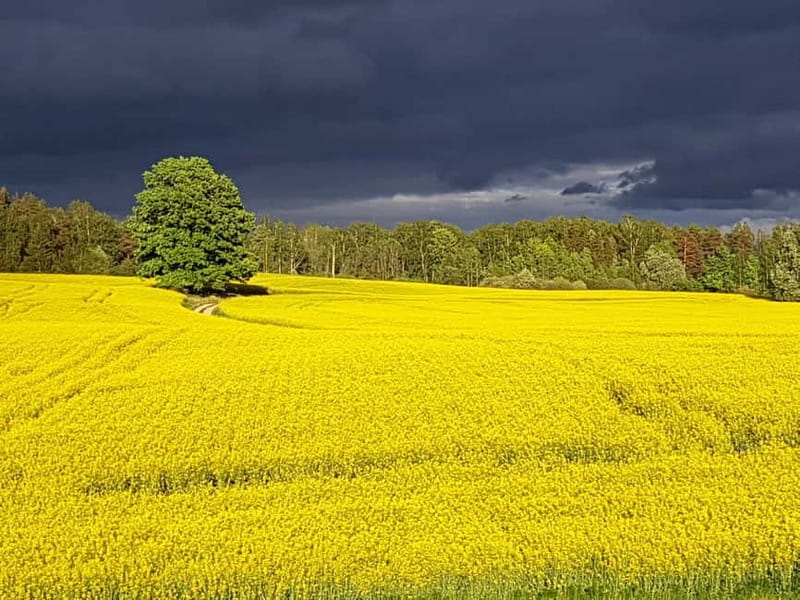
This outing gives you a useful picture of the area around Tukums without requiring a car. The town sits about 70 kilometers from Riga, close enough for a half-day trip, yet far enough to replace city streets with fields, manor grounds, and small rural roads.
I like the route because it does not treat castles as identical photo stops. You see a fortified manor connected with road building, a neoclassical palace, a hunting palace, and a medieval fortress. That range helps you understand how Latvia’s buildings served different owners and purposes over time.
The tour is guided in English or Russian. Armands is the named guide, and his storytelling is a major part of the experience. One recent English-language account especially praised his ability to explain local manors and his willingness to adjust the route to suit the group. That flexibility matters on a private-feeling trip with only four seats.
You should still keep your expectations realistic. This is not a full-day examination of each property. The five-hour clock includes driving from Riga or Jurmala, several stops, and the winery. If you want every interior, museum room, church, and garden, you may find the schedule tight.
A few more castle visits around Latvia worth a look
- 2 countries! Hill of Crosses, Rundale Palace and Bauska castle
★ 5.0 · 225 reviews - Riga: Hill of Crosses, Guided Rundale Palace & Bauska Castle
★ 4.9 · 140 reviews - Riga: Bauska Castle, Rundale Palace and Hill of Crosses Trip
★ 4.8 · 113 reviews
Tukums, rose gardens, and a town built for wandering
Tukums is the first place where the history feels personal rather than grand. The town was formally recognized in 1795, though people lived here earlier. Its old center has streets and buildings that recall the 19th century, and plaques on the houses identify people who lived there in earlier times.
That detail gives you something to look for as you walk. Instead of seeing a row of old facades with no context, you can connect the buildings to names and former residents. The modern sculpture of Katrina of Tukums adds a lighter touch and gives the historic center a memorable focal point.
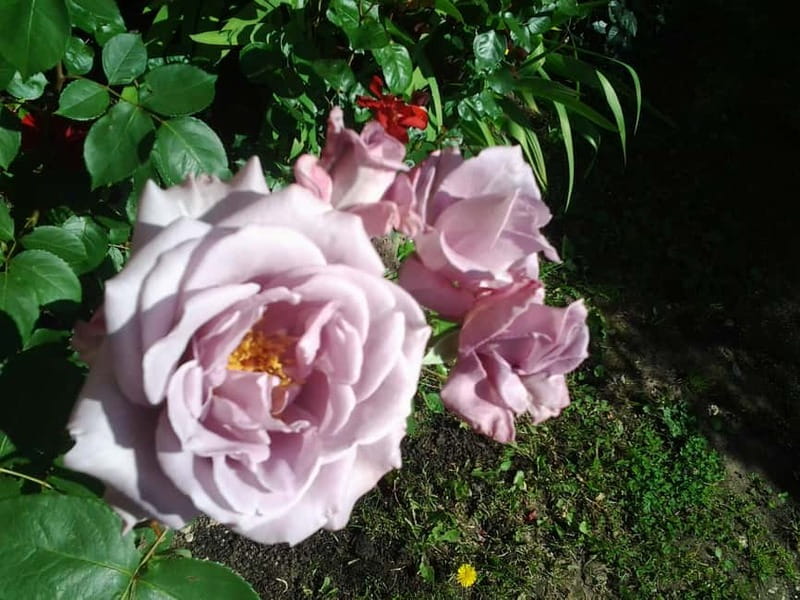
The rose gardens are another pleasant feature. They bring color and softness to a town otherwise defined by old buildings and quiet streets. Their appeal will depend on the season, so do not book the trip solely for roses if you are visiting outside the warmer months.
I would use Tukums to get your bearings and enjoy a short walk, not expect a long independent exploration. The exact time available at each stop is not stated, and the manors still lie ahead. Comfortable shoes make sense, especially if the group spends time on old streets or outdoor grounds.
Schlokenbeka Fortified Manor and the road-building museum
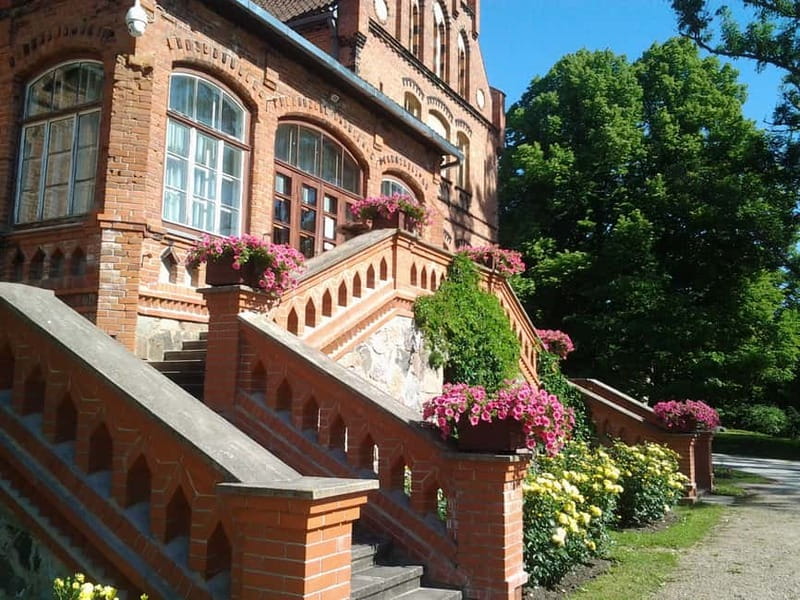
Schlokenbeka is an unusual early stop because it now houses a Road Construction Museum. That gives the tour a practical Latvian angle. You are not only looking at an old manor building, but also seeing how roads and transport shaped daily life and connections between towns.
The fortified character separates Schlokenbeka from the more decorative palaces later in the day. It is a reminder that estates could have a defensive purpose, not just serve as elegant homes. The museum setting also makes this stop useful for visitors who enjoy infrastructure, engineering, or ordinary working life more than rooms filled with furniture.
The main drawback is that admission is not included. Since tickets are paid separately, ask your guide what can be visited during the available time and what the current entry cost is. That simple question helps you avoid paying for a rushed visit or missing a more important stop later.
Durbe Palace and the softer side of manor life
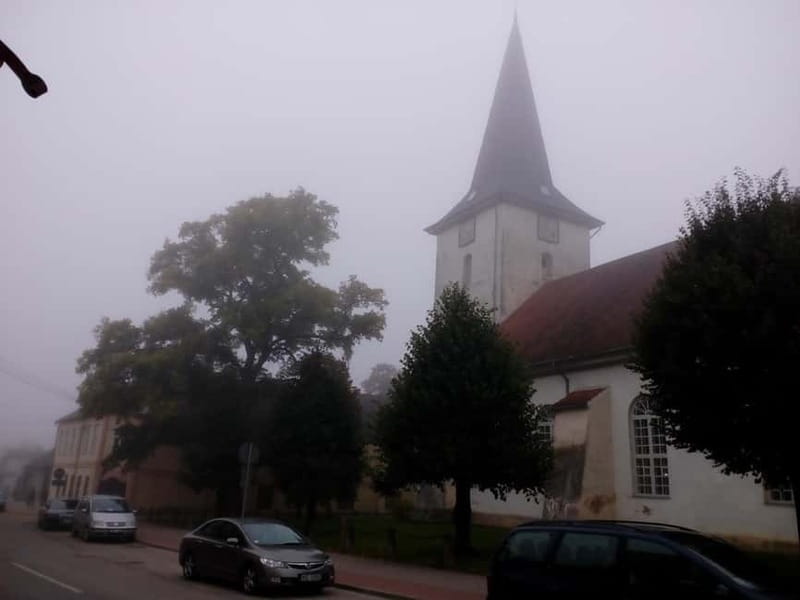
Durbe Palace brings a change in mood. It is described as neoclassical, so you can expect a more formal and refined style than the fortified manor. Its value lies in the contrast: Schlokenbeka suggests defense and public works, while Durbe reflects the taste and status of a landed household.
I like having both on the same route. You can compare the shapes, settings, and purpose of the buildings instead of trying to remember a single generic castle. If you enjoy architecture, pay attention to the shift from a sturdy fortified complex to neoclassical design.
The available details do not promise a particular interior tour, garden program, or special event at Durbe Palace. That is worth keeping in mind. You are buying access to a guided route through several important places, not a guaranteed long visit inside every building.
Same region, a different set of walls:
- Group Day trip to Rundale Palace, Hill of Crosses & Bauska Castle
★ 5.0 · 92 reviews - From Riga: Cēsis, Sigulda & Turaida Castle Tour
★ 5.0 · 40 reviews - Private Day Trip to Cesis, Sigulda and Turaida Castles
★ 5.0 · 13 reviews - Sigulda Day Tour – Castle Ruins, Gūtmaņala Grotto, & More
★ 5.0 · 8 reviews
Jaunmokas Hunting Palace and the turn toward the countryside
Jaunmokas Hunting Palace was built at the beginning of the 20th century for the mayor of Riga at the time. Its name and original purpose suggest a more personal retreat than a fortress or civic museum. By this point, the route moves further into the countryside and away from the urban feel of Riga.
This is where the variety of the day becomes clear. The palace represents a later period and a different kind of ownership. It helps you see that Latvia’s manor tradition did not end with medieval castles. Estates continued to be built and used in changing styles, including places connected with hunting and leisure.
Do not expect the same atmosphere at Jaunmokas as at Jaunpils. One is an early 20th-century hunting palace, the other a medieval stronghold. That contrast is precisely the point, but it also means the day favors breadth over a single deep visit.
Jaunpils Castle, water mill, and old legends
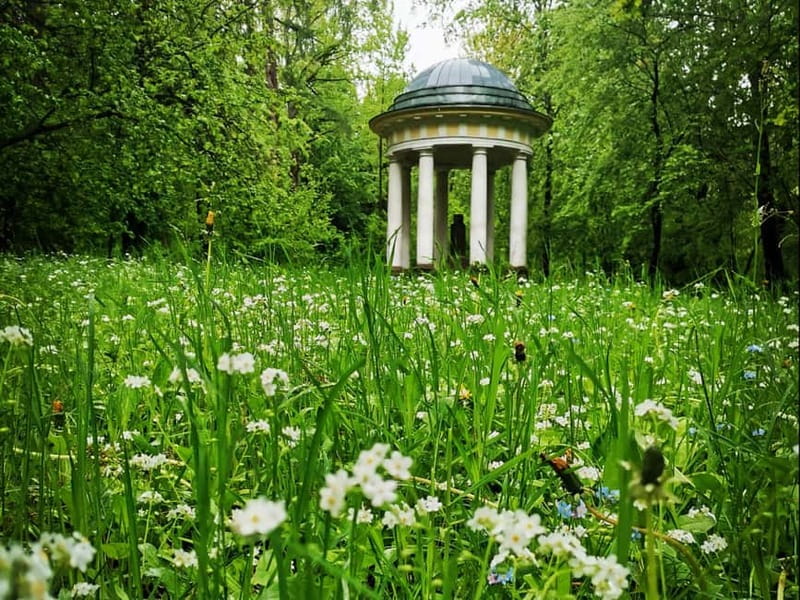
Jaunpils is the historic centerpiece. Built in 1301 by Livonian Order master Gottfried von Horn, the castle is one of the few medieval castles in Latvia to preserve its original appearance. Its fortress design gives it a solid, enclosed character that differs sharply from the later manors.
The castle also comes with stories. Legends surround Matthias von der Recke, a fearless owner in the 16th century, and the surrounding area carries its share of mysteries. Armands can give these tales a human voice, which is one reason the guide matters so much here. A bare date is useful. A story about the people who lived behind the walls is easier to remember.
Nearby, you can find a church built at the end of the 16th century and a water mill around 200 years old. Together, the castle, church, and mill create a compact historical setting. You get more than one grand building. You get a sense of how religion, work, and power occupied the same small area.
I would allow yourself time to look beyond the castle facade. The church and mill are part of what makes Jaunpils feel like a place rather than a single monument. At the same time, the schedule may limit how long you can linger, especially if the group has already spent extra time in Tukums or at an earlier manor.
Abavas Vini gives the return trip a local flavor
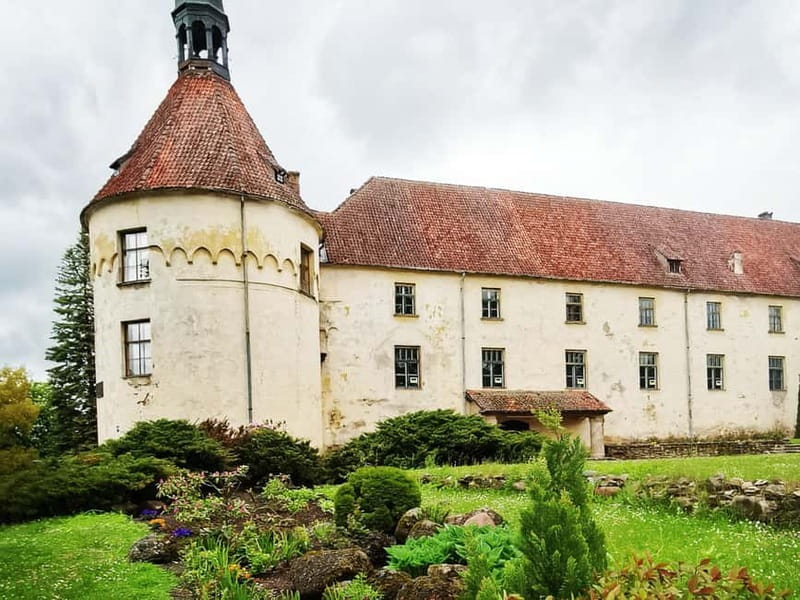
The stop at Abavas Vini breaks up the architectural sightseeing with something to taste and discuss. The winery produces local drinks, and the visit is intended to be both visual and sensory. After several historic properties, this stop gives you a direct connection to modern rural production.
A winery can also be a good test of the guide’s flexibility. You may want to look around, taste the produce, or simply take a short break before returning to Riga. The experience is not presented as a full meal, and meals are excluded, so bring realistic expectations. If you want more than a tasting or visit, ask what is available on the day.
This is one of the tour’s best touches because it keeps the itinerary from becoming a parade of old walls. You see how the region’s countryside is used now, not only how it was used centuries ago.
The Bridge to Nowhere and unclear route details
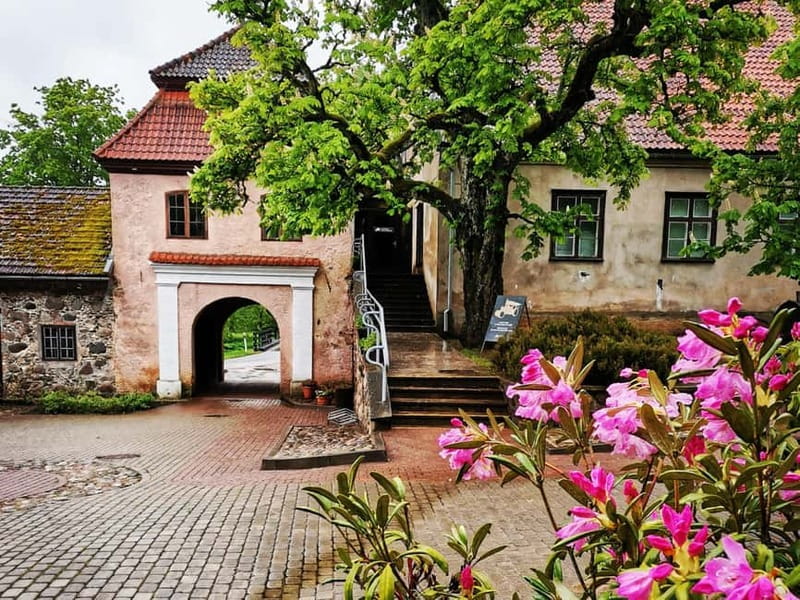
The Bridge to Nowhere appears among the trip’s highlights, but the available schedule does not explain its exact location, history, or duration. I would ask Armands directly whether it is included in the planned route on your date and how much time is set aside for it.
That is not a reason to reject the tour. It is simply a reminder that the advertised route includes several points, and the actual timing may require choices. A small group can make those choices easier, but only if you discuss them early.
The same advice applies to interior admissions. Tickets are not included, while the guide, water on request, and tourist-class car are included. Confirm which castle or museum entries are planned, then carry enough money for admissions and any purchase at the winery.
What the $106 price really covers
The $106 price per person is easiest to justify when you value transport, a live guide, and a small group. Pickup is included from any hotel in Riga or Jurmala, and the tour is guaranteed even with one participant. That last point makes the arrangement feel more dependable than a trip that can disappear for lack of numbers.
A four-person limit is especially useful here. You are moving between several stops, and a compact group can ask Armands to explain a detail, pause briefly, or adjust the pace within reason. One couple specifically appreciated that the guide adapted to their wishes, while another praised the combination of romantic castles and the winery.
Still, compare the price honestly. You pay extra for tickets and meals, and the five-hour duration limits the number of long visits. If you mainly want a quick introduction to western Latvia and do not want to rent a car, the price can be sensible. If you plan to spend hours inside each estate, the value is less clear.
Water is available on request, but bring your own reusable bottle. Smoking is not allowed in the vehicle, and alcohol or drugs are prohibited in the car. The winery visit does not change those transport rules.
Who will enjoy this tour most
I would recommend this trip to you if you want to get outside Riga without arranging several separate connections. It suits people who like castles, old towns, local stories, and changing scenery in one compact outing.
It is also a good fit for couples and small groups who prefer a personal guide to a large coach. Armands has been praised for smooth English explanations, and Russian is also available. If you have a particular interest in manor architecture or local legends, tell him before setting off.
Families may enjoy the variety, but the amount of history and the number of stops will depend on the children. The tour is not described as child-focused, and no special family activities are included.
You may want another option if you dislike paying entry fees separately, need a slow pace, or prefer a single site explored in depth. The route covers a lot in five hours. That is its strength and its limitation.
Practical advice for making the day work
The guide contacts you one or two days before the tour with transport details. Keep your phone available and make sure the pickup location is clear, especially if you are staying in a large Riga or Jurmala hotel.
Wear shoes suitable for old streets and outdoor areas. Bring a reusable water bottle, and set aside money for tickets, food, and any winery purchases. Since no meal is included, do not assume the winery stop replaces lunch.
If you have one priority, say so at the start. You might care most about Jaunpils Castle, the rose gardens in Tukums, or the winery. A small group gives you a better chance of discussing preferences than a large scheduled bus tour.
Free cancellation is available up to 24 hours before departure, and you can reserve now while paying later. Those policies are helpful if your Riga plans are still shifting, but the more important decision is whether you enjoy a quick, varied route.
Should you book it?
Book this tour if you want a practical introduction to western Latvia with a guide, hotel pickup, and a maximum of four people. The strongest reasons are the range of sites, the original medieval character of Jaunpils Castle, Armands’s flexible guiding, and the unusual finish at Abavas Vini.
Think twice if you want long visits, included admissions, or a relaxed full-day pace. Before paying, ask how the Bridge to Nowhere fits into the schedule, which interiors are planned, and whether a winery tasting is available on your date.
For the right kind of visitor, this is a smart escape from Riga. It offers old streets, fortifications, manor architecture, rural views, and local produce without forcing you to plan the transport yourself.
FAQ
How long is the nearby manors and castles tour?
The tour lasts five hours. Starting times depend on availability.
Where does pickup take place?
Pickup is included from any hotel in Riga or Jurmala.
Which languages does the guide speak?
Guiding is available in English and Russian. Armands is the named guide for this experience.
What is included in the price?
The price includes the guide’s services, drinking water on request, and transport in a tourist-class car. The group is limited to four participants.
Are entrance tickets and meals included?
No. Tickets and meals are not included, so plan to pay for those separately.
Can I cancel the booking?
Yes. You can cancel up to 24 hours in advance for a full refund. You can also reserve now and pay later.
Just added around Latvia
- Sigulda Day Tour – Castle Ruins, Gūtmaņala Grotto, & More★ 5.0 · 8 reviews
- Riga: Soviet Bunker, Seaside Fortress + Authentic BBQ lunch★ 5.0 · 5 reviews
- Riga: Rundale, Bauska and Hill of Cross Private Castle Tour★ 5.0 · 8 reviews
- Latvian Palace and Medieval Castle Private Trip★ 4.3 · 8 reviews
- Kemeri N Park, Jurmala, Lake Melnezers & White Castle Hotel★ 4.6 · 4 reviews
- Private Day Trip to Cesis, Sigulda and Turaida Castles★ 5.0 · 13 reviews
- From Riga : Rundale palace and Bauska castle tour and back.★ 3.1 · 6 reviews
- From Riga: Cēsis, Sigulda & Turaida Castle Tour★ 5.0 · 40 reviews
Riga Castle Tours, compared.
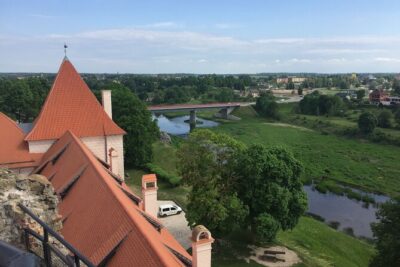
2 countries! Hill of Crosses, Rundale Palace and Bauska castle
Read our review →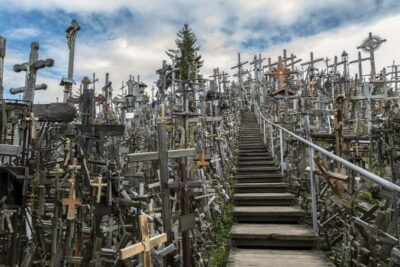
Hill of Crosses, Guided Rundale Palace & Bauska Castle
Read our review →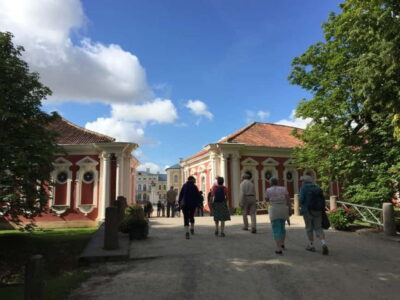
Bauska Castle, Rundale Palace and Hill of Crosses Trip
Read our review →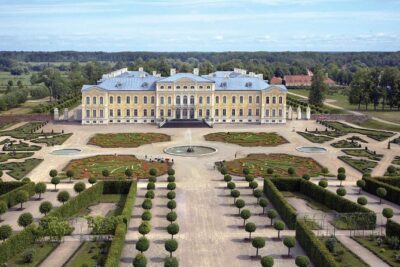
Group Day trip to Rundale Palace, Hill of Crosses & Bauska Castle
Read our review →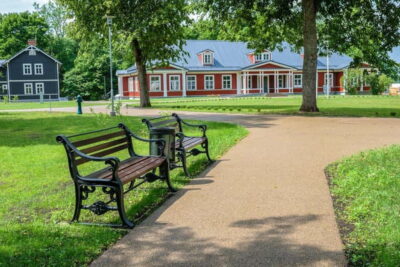
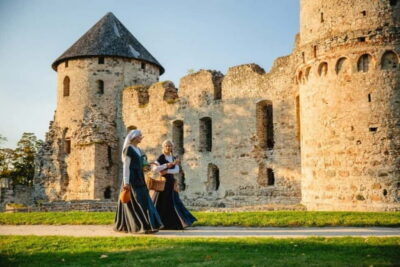
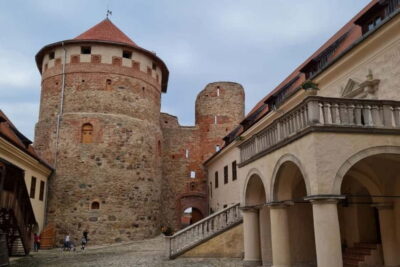
Sigulda Day Tour – Castle Ruins, Gūtmaņala Grotto, & More
Read our review →Browse the lists this tour appears in