
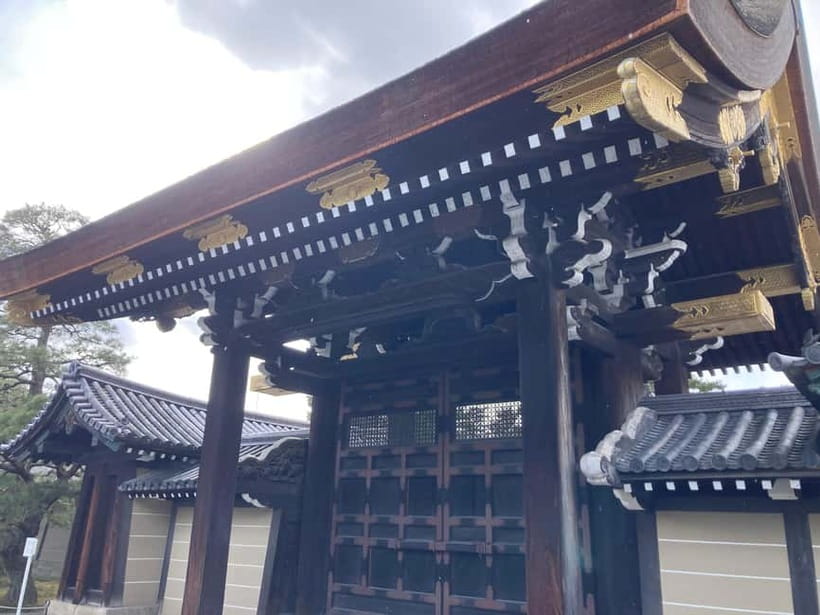
Review · KYOTO
Kyoto: Nijo Castle and Kyoto Imperial Palace Guided Tour
Kyoto’s power story unfolds on foot. This three-hour tour links Nijo Castle, built for shogunal authority, with the refined grounds of the Kyoto Imperial Palace, giving you two very different views of Japan’s former capital. I like the clear contrast between military rule and imperial tradition, and I like the small group size, limited to nine people.
The guides are the real strength. Goku, Kayo, Nene, and Taku receive repeated praise for their history, humor, patience, and willingness to answer difficult questions. The main drawback is that the Imperial Palace visit may focus on exterior views, and much of the experience takes place outdoors, so weather and walking comfort matter.
Key points to know before booking
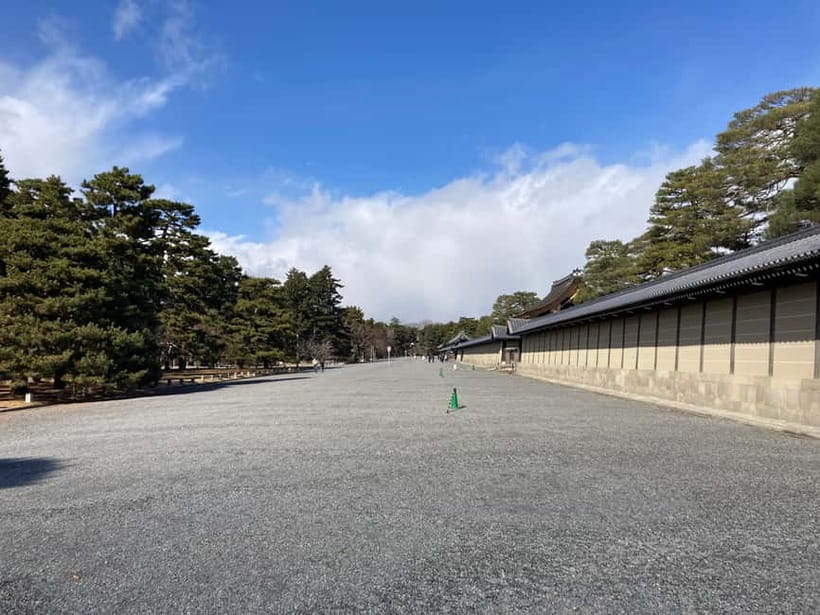
- Two powerful Kyoto sites in three hours: You visit Nijo Castle and Kyoto Imperial Palace in one compact outing.
- A useful political contrast: The castle explains Tokugawa shogun power, while the palace represents Japan’s imperial tradition.
- Small groups help: With no more than nine participants, you can ask questions and keep up with the guide.
- The walk between sites adds local flavor: The route includes about 20 minutes on foot through Kyoto streets, with traditional townhouses and a cherry blossom spot along the way.
- Guide quality matters: Goku, Kayo, Nene, and Taku receive especially strong praise for clear explanations and local advice.
- Bring cash and sensible clothing: Shorts are not allowed, and the tour is not considered suitable for pregnant women.
Starting at Nakadachiuri Gate
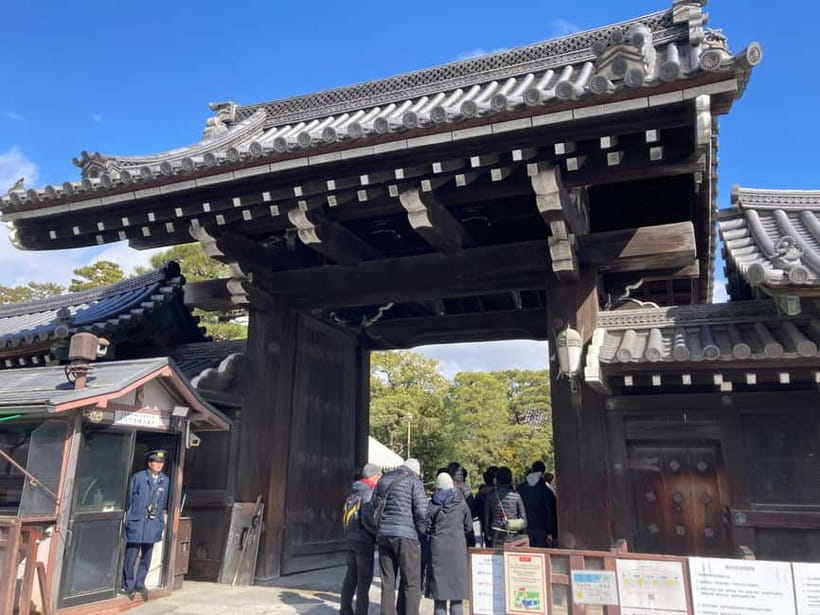
The meeting point is the Nakadachiuri Gate of the Kyoto Imperial Palace. That means your first task is getting to the correct gate, not to Nijo Castle. Pay close attention to the meeting instructions, since the palace grounds are broad and a vague arrival plan could cost you time.
The guide’s appearance and clothing are sent to you in advance, which is useful at a busy meeting point. Look for that message before leaving your hotel, and keep it easy to access on your phone.
Once the group gathers, the guide sets the historical frame for the day. This matters because Kyoto’s monuments can blur together if you simply walk from one grand building to the next. Here, the tour gives you a question to carry through both sites: who held authority in Japan, and how did architecture express it?
The group is capped at nine people. That is small enough for direct questions without paying for a private tour. It also gives the guide some room to adjust the pace. Goku, for example, was praised for balancing a group that wanted both historical detail and time for photographs. That is a useful quality in Kyoto, where one person is studying rooflines while another is trying to frame a garden view.
More Guided Castle Tours in Japan
- Kyoto: Nijo-jo Castle and Ninomaru Palace Guided Tour
★ 4.7 · 1,020 reviews - Kyoto: Nijo Castle, Kiyomizu & Fushimi Inari Guided Tour
★ 4.7 · 700 reviews - Kyoto: Imperial Palace & Nijo Castle Guided Walking Tour
★ 4.7 · 453 reviews
Kyoto Imperial Palace and its seasonal gardens
The Imperial Palace offers a quieter, more formal introduction to Kyoto. Its architecture reflects the courtly side of Japanese history, with a refined style that differs sharply from the castle’s display of shogunal authority.
The gardens are an important part of this stop. They were designed with seasonal beauty in mind, so the appeal changes with the calendar. Spring can bring especially attractive garden views, while other seasons offer their own colors and textures. The tour does not promise a particular seasonal display, so you should treat the garden as a changing setting rather than a fixed attraction.
A practical point deserves attention: the palace portion may involve viewing buildings from outside. One booking received a lower rating because the participant felt the experience was limited to exterior views. If you want a full interior palace visit, confirm what access is available on your date before booking. This is not the same sort of indoor visit as walking through Ninomaru Palace at Nijo Castle.
The palace is still valuable when understood as part of the larger story. You are not just looking at elegant gates and gardens. You are seeing the ceremonial center associated with Japan’s emperors, then comparing it with a castle built to project the power of the Tokugawa shoguns.
The grounds also give the guide space to explain Japanese design. The emphasis is not only on buildings, but on the relationship between architecture, garden views, and the changing seasons. If you enjoy learning why a place looks the way it does, this portion should reward your attention.
The 20-minute walk from palace to castle
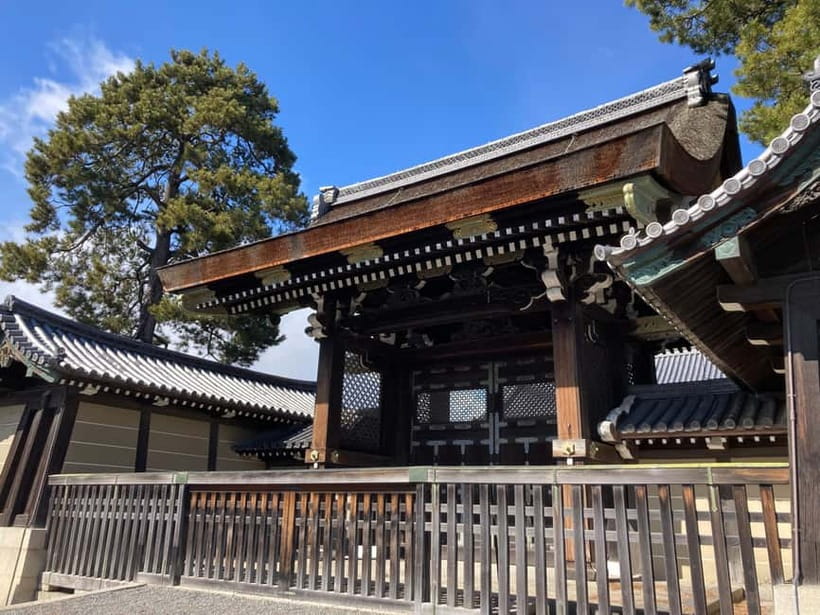
The route from the Imperial Palace to Nijo Castle includes roughly 20 minutes of walking. That transfer is not dead time. It gives you a chance to see Kyoto at street level and continue the conversation outside the formal grounds.
The walk includes traditional Kyoto townhouses and a location associated with cherry blossoms. You may find this stretch less dramatic than the monuments themselves, but it helps connect the landmarks to the city around them. Kyoto is not only a collection of preserved sites. Its appeal also comes from the scale and texture of ordinary streets.
This is where a good guide earns the fee. Matteo described the walk with Kayo as a chance to discuss Western and Japanese culture, rather than simply marching between attractions. Other participants appreciated local suggestions after the tour, including restaurant advice tailored to their hotel neighborhood.
You should wear comfortable shoes. The tour lasts three hours and includes outdoor walking, standing, and time on substantial grounds. The schedule is manageable for most people who enjoy walking, but it is not a good fit if you need a seated, low-walking outing.
Entering Nijo Castle and Ninomaru Palace
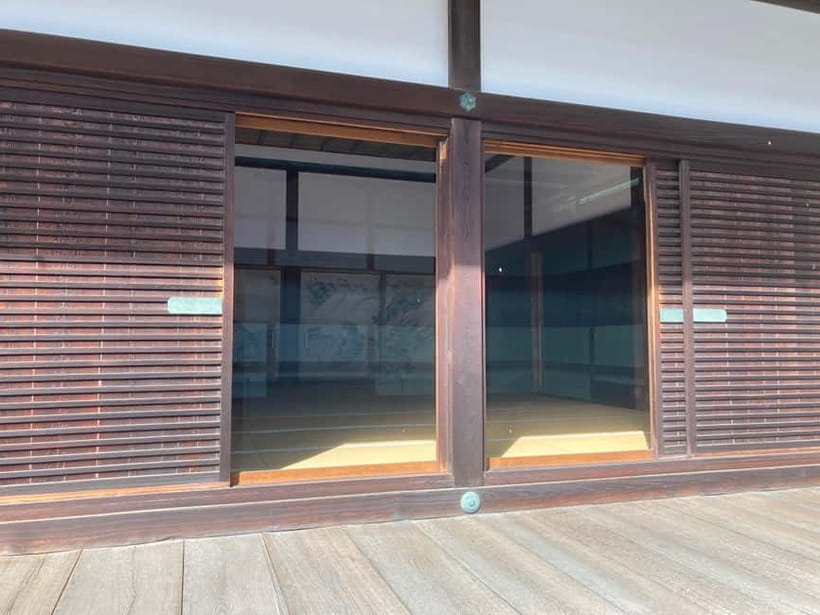
Nijo Castle provides the day’s strongest lesson in political theater. Tokugawa Ieyasu built it as a statement of shogunal authority, and the compound still communicates power through scale, decoration, and controlled movement.
The included admission covers Nijo Castle, Ninomaru Palace, and the Art Gallery. Ninomaru Palace is especially important because it lets you see how the castle’s interiors supported its political purpose. Lavish decoration and careful design were not simply there for beauty. They helped establish rank and authority.
The guide explains the political climate around the castle’s construction and use. That context makes the rooms more meaningful than a quick self-guided walk. You can look at the detail and ask why it was placed there, who would have seen it, and what message the building was meant to send.
Several guides receive praise for explaining the castle in detail without turning the visit into a lecture. Goku is often singled out for handling questions on shoguns, emperors, Japanese culture, and even sensitive modern topics. Taku was also praised for making history accessible and for helping a solo visitor with photographs.
The contrast with the palace is the heart of the tour. The castle feels tied to military government and political control. The palace presents imperial continuity and courtly taste. Seeing both in one morning or afternoon gives you a clearer sense of Kyoto’s place in Japanese history than visiting either one alone.
More Palace Tours in Japan
- Imperial Palace East Garden and Edo Castle Walking Tour in Tokyo
★ 5.0 · 510 reviews - Tokyo: Edo Castle Ruins & Imperial Palace East Garden Tour
★ 4.4 · 13 reviews - Tokyo: Edo Castle and Imperial Palace Guided Walking Tour
★ 5.0 · 6 reviews
What the Art Gallery adds
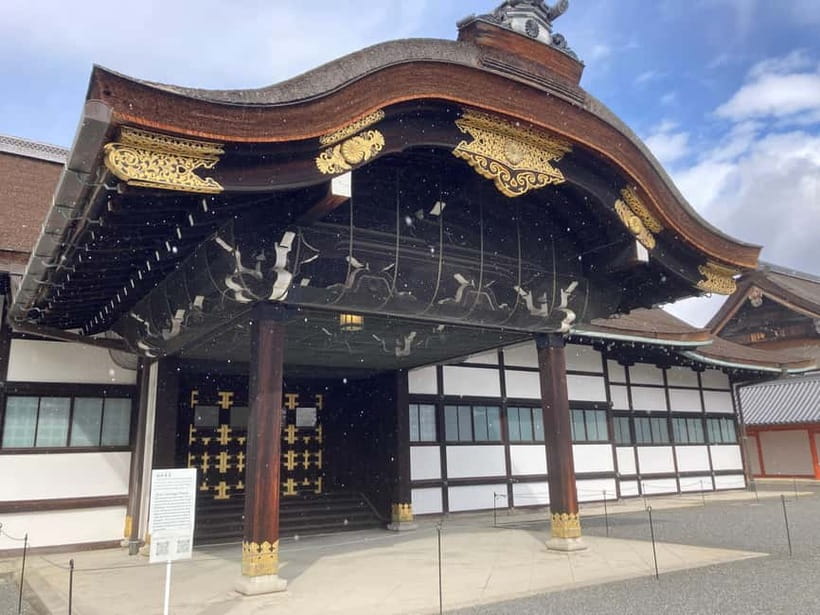
The Art Gallery is included with admission, but the available information does not specify its exact displays or how long the group spends there. Think of it as part of the castle visit rather than a separate museum outing.
The benefit is that it can add visual context to the architecture and decoration you see at Nijo Castle. Your guide may connect the art to the political setting, design, or period under discussion. If you have a special interest in the gallery, ask the guide how much time is available during your tour.
You should not book this experience solely for the gallery. The main value lies in the combination of the castle, Ninomaru Palace, Imperial Palace, gardens, and guided interpretation.
Why the guide can make or break the experience
This tour depends heavily on the person leading it. The booking score is 4.6 from 98 ratings, and the repeated praise centers on guides rather than on a fancy format or special transport.
Goku receives particularly strong approval for detailed historical explanations, strong English, energy, and a willingness to answer unexpected questions. He also adjusted the pace for families with teenagers and for groups with mixed interests. Kayo is praised for humor, warmth, and making three hours pass quickly. Nene is described as clear, kind, patient, and able to step in when another guide became ill. Taku receives praise for local tips, history, and careful answers.
The listed guide languages are English, French, Spanish, Japanese, Portuguese, and Russian. Confirm your preferred language when booking, since the quality of your experience depends partly on being able to follow the explanation comfortably.
A guide cannot remove every limitation. The palace may still be exterior-focused, the weather may be poor, and the walking route may feel long if you are tired. But a strong guide can turn those limits into a more useful visit by explaining what you are seeing and adapting to your questions.
Is $63 a fair price?
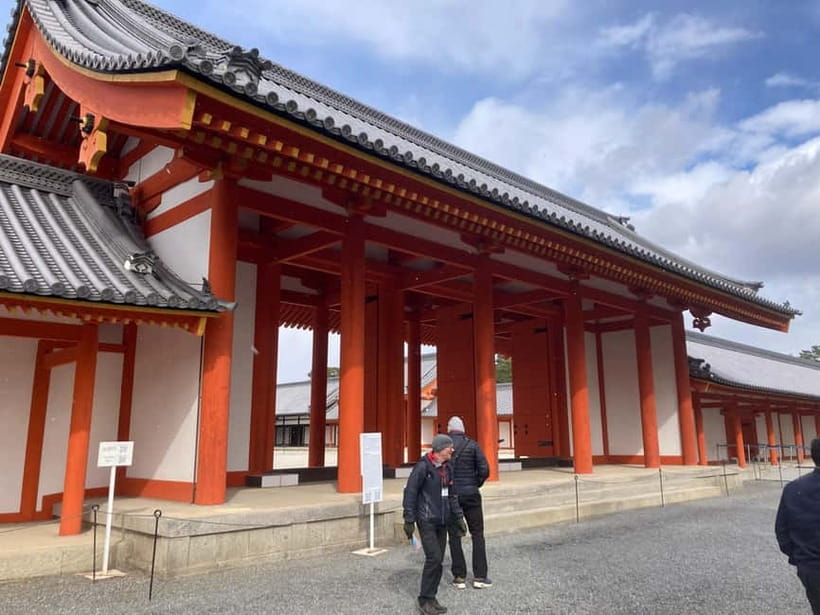
At $63 per person, the tour costs more than entering the two attractions independently. You are paying for admission, a professional guide, a small group, and a planned connection between two major sites.
The value is strongest if you want historical context. Nijo Castle’s decorative details and the Imperial Palace’s formal grounds can be appreciated without help, but the political contrast is easier to grasp with someone explaining it as you go. A guide also saves you from building your own route and reading several layers of background before arrival.
The price is less compelling if you prefer moving at your own pace, spending a long time taking photographs, or reading quietly. A three-hour guided schedule gives you structure, but it also means you will not control every pause.
The small group improves the calculation. Nine people is a practical limit, not a huge crowd. You are more likely to hear the guide, ask follow-up questions, and receive help with photographs. Solo visitors may find that especially useful.
Free cancellation up to 24 hours before the tour and reserve-now, pay-later booking reduce the risk of committing early. Still, check the available starting time and build your day around the three-hour duration.
Who should book this Kyoto tour?
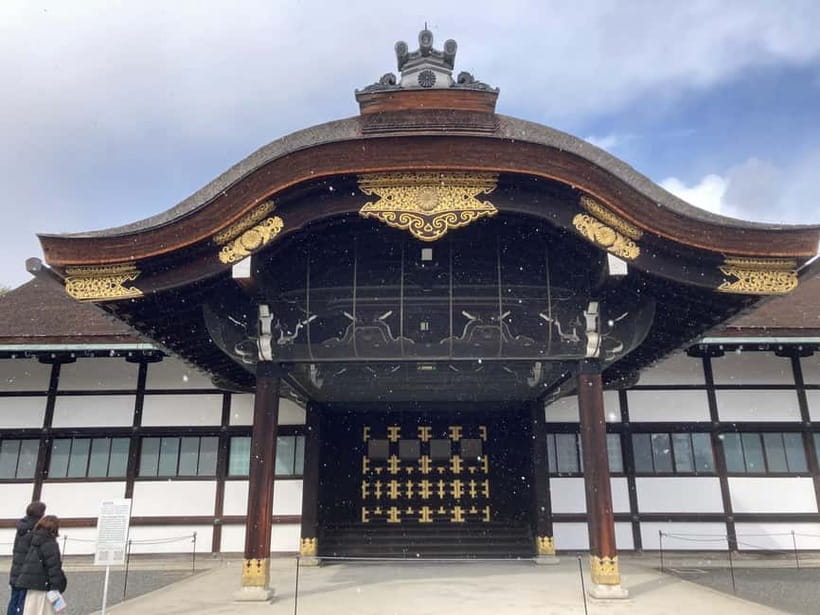
I would choose this experience if you want Kyoto history explained in plain language and prefer two major sites tied together by a single theme. It is a good fit for first-time visitors who want help understanding shoguns, emperors, architecture, and political change.
It also suits solo visitors, couples, families with older children, and anyone who likes asking questions. The small group and guides’ willingness to tailor explanations make it more flexible than a large sightseeing bus.
You may want another option if you dislike walking, need guaranteed indoor access at the Imperial Palace, or want a slow photography-focused visit. Pregnant women are specifically listed as not suitable for this activity, and shorts are not allowed.
Bring a camera and some cash. Dress for outdoor conditions, and choose shoes you can wear comfortably for several hours. The tour is most enjoyable when you can focus on the buildings rather than on sore feet or uncertain meeting details.
Should you book it?
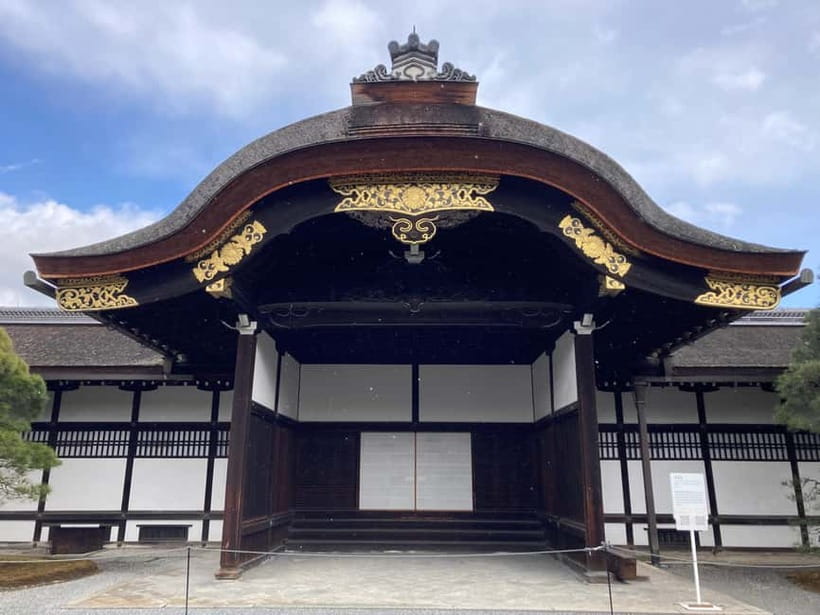
Book this tour if you want the story behind Kyoto’s monuments, not just a quick look at attractive buildings. The strongest reason to choose it is the guide-led comparison between Nijo Castle’s shogunal power and the Imperial Palace’s imperial tradition.
I would be more cautious if interior palace access is essential to you. You should also allow for outdoor exposure, walking, and a guide-dependent experience. For most people interested in history, architecture, and local context, $63 is a reasonable price for a compact small-group introduction to two of Kyoto’s most important sites.
FAQ
How long does the tour last?
The tour lasts three hours.
How much does the experience cost?
The price is $63 per person.
Where does the tour meet?
The meeting point is the Nakadachiuri Gate of the Kyoto Imperial Palace.
Which sites are included?
The tour visits Nijo Castle and Kyoto Imperial Palace. Admission also includes Ninomaru Palace and the Art Gallery at Nijo Castle.
Is the tour conducted in English?
English is one of the available tour languages. French, Spanish, Japanese, Portuguese, and Russian are also listed.
How large is the group?
The tour is limited to nine participants.
What should I bring?
Bring a camera and cash.
Are shorts allowed?
No. Shorts are listed among the items not allowed.
Can I cancel the booking?
Yes. You can cancel up to 24 hours in advance for a full refund. You can also reserve now and pay later, keeping your plans flexible.
More Japanese Castle Tours in Japan
- Osaka Castle: Museum and Tower Entry Ticket
★ 4.5 · 2,380 reviews - Osaka Castle Walking Tour and Castle Tower Admission
★ 5.0 · 561 reviews - From Osaka: Himeji Castle, Arima Onsen & Mt. Rokko Day Tour
★ 4.6 · 339 reviews - 5-Hour Osaka Bike Tour to the Neighborhood of Osaka Castle
★ 5.0 · 319 reviews
Just added around Japan
- Tokyo: Edo Castle and Imperial Palace Guided Walking Tour★ 5.0 · 6 reviews
- (Ticket Included) Explore Osaka Castle & Museum of History★ 4.8 · 21 reviews
- Peace Memorial Park, Hiroshima Castle, & Garden Private Tour★ 4.8 · 7 reviews
- Osaka/kyoto: Himeji Castle, Kobe. Luxury Day Trip with Guide★ 5.0 · 2 reviews
- Osaka: Explore Every Bit of Osaka Castle in 3 Hours★ 5.0 · 5 reviews
- Osaka: Early Morning Osaka Castle Guided Tour, Avoid Crowds★ 4.9 · 12 reviews
- Osaka: Osaka Castle 3 hours Historical Walking Tour★ 4.6 · 14 reviews
- Osaka: Osaka Castle – Tsuruhashi – Tennoji (Spanish Guide)★ 4.7 · 10 reviews
Japanese Castle Tours, compared.
Nijo-jo Castle and Ninomaru Palace Guided Tour
Read our review →
Nijo Castle, Kiyomizu & Fushimi Inari Guided Tour
Read our review →
Osaka Castle Walking Tour and Castle Tower Admission
Read our review →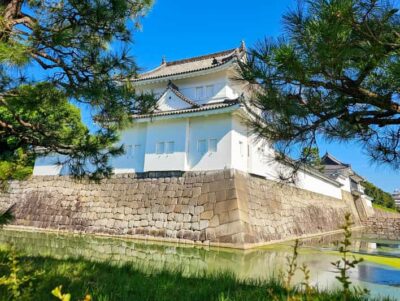
Imperial Palace & Nijo Castle Guided Walking Tour
Read our review →
Himeji Castle, Arima Onsen & Mt. Rokko Day Tour
Read our review →
5-Hour Osaka Bike Tour to the Neighborhood of Osaka Castle
Read our review →
Browse the lists this tour appears in