
Review · JAPAN
Matsumoto Castle Town Walking Tour
History has a route here. This three-hour walk makes Matsumoto more than a castle stop, guiding you through the old approach used by samurai, into Matsumoto Castle, and along two traditional shopping streets. I especially like the clever route to and from the castle, since it explains how the town was planned for defense, and I like the small-group feel, which can make it easier to ask questions and step into local shops. The main drawback is the castle tower itself: its stairs are steep and narrow, so this is not a good choice if you have mobility limits.
The $63 price is fair if you want context, castle admission, and an English-speaking guide in one package. You could visit Matsumoto Castle alone, but you would miss much of the town story around it. Guides such as Shin, Tom, Naomi, Kei, and Tim have been praised for using maps, photographs, humor, and practical local advice to make the history easier to follow.
Key details before you book
- A defensive route to the castle: You approach Matsumoto Castle by a winding historical route rather than simply walking straight there.
- Two hours inside the castle area: The largest part of the tour is devoted to the castle, its architecture, defenders, and legends.
- Nawate Street has a playful character: Look for the frog theme, food stalls, small shops, and merchants calling out to passersby.
- Nakamachi offers a quieter old-town contrast: Cafes, restaurants, and craft shops line this traditional district.
- Small groups can feel almost private: Several bookings have had only one or a few participants, though group size is not guaranteed.
- The castle stairs require care: Narrow, steep steps make comfortable footwear and steady mobility important.
Starting at Matsumoto Station
The tour begins at Matsumoto Station, at the front of the JR Line ticket office and the Starbucks inside the station on the second floor. This is a useful meeting point because you can arrive by train, find the guide indoors, and avoid wandering around the station plaza looking for a sign.
I would arrive a little early. You want time to locate the meeting place, use the facilities, and adjust your shoes before the walking begins. The tour returns to Matsumoto Station, so it fits well into a day trip or a stay based near the railway station.
From the start, your guide sets up the city as a place shaped by the castle. The point is not simply to get from the station to the famous black tower. You follow a route that reflects how a visitor, merchant, or samurai might have approached the castle town in earlier times.
The route matters because castle towns were planned spaces, not random collections of streets. A direct path to the castle would have made an attack easier, so the approach was arranged to slow and confuse anyone coming toward the stronghold. That idea gives the opening walk a purpose. You are not just crossing town. You are reading the town plan.
More Castle Walking Tours in Japan
- Tokyo Castle & Imperial PalaceーShogun Walking Tour
★ 4.7 · 1,068 reviews - Ultimate Osaka Walking Tour: Castle, Dotonbori & Hidden Gems
★ 5.0 · 862 reviews - Tokyo Castle & Imperial PalaceーShogun Walking Tour
★ 5.0 · 724 reviews
Following the samurai route to Matsumoto Castle
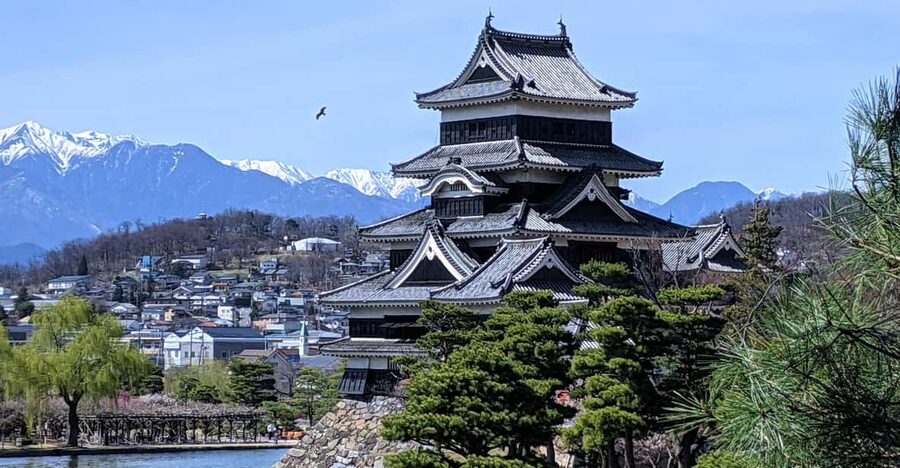
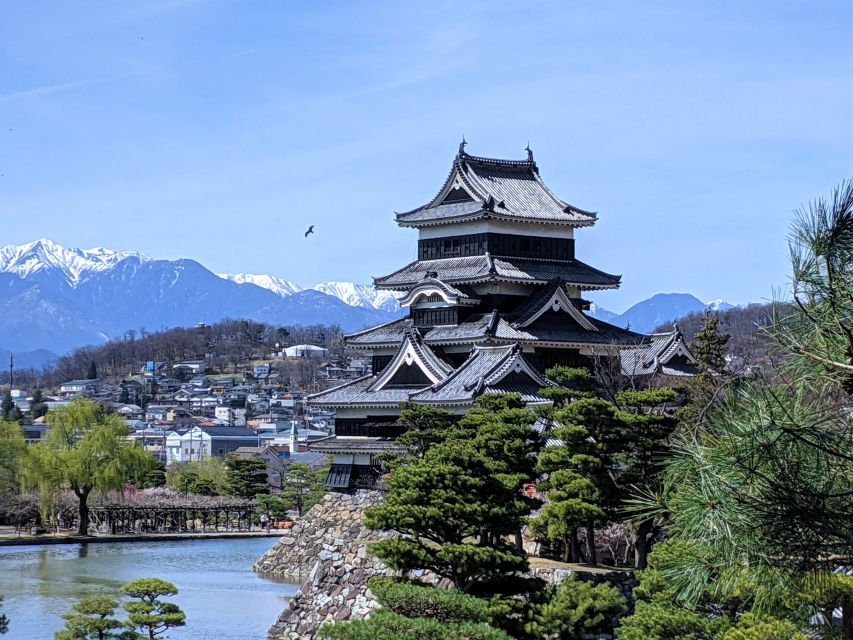
The castle is the main event, and the tour allows about two hours for the visit. Your guide takes you inside and explains the building’s history, its defensive features, the samurai who protected it, and the stories attached to such an old structure.
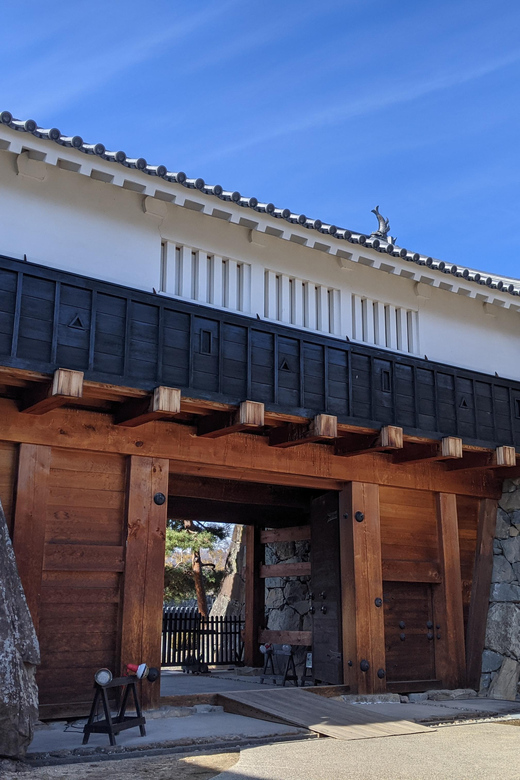
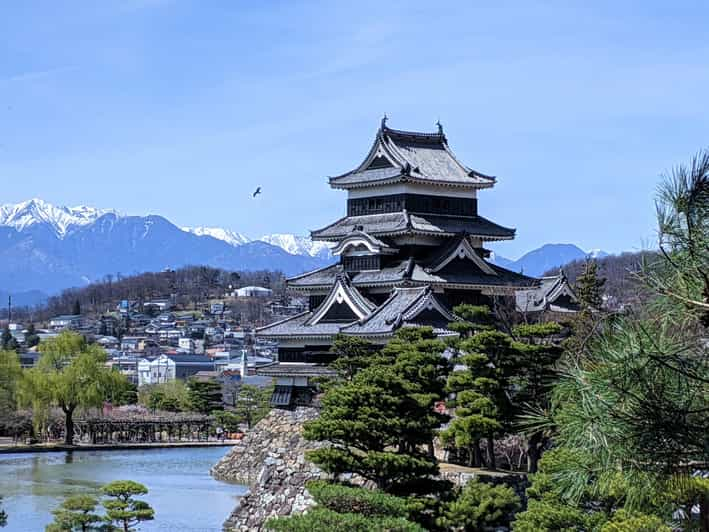
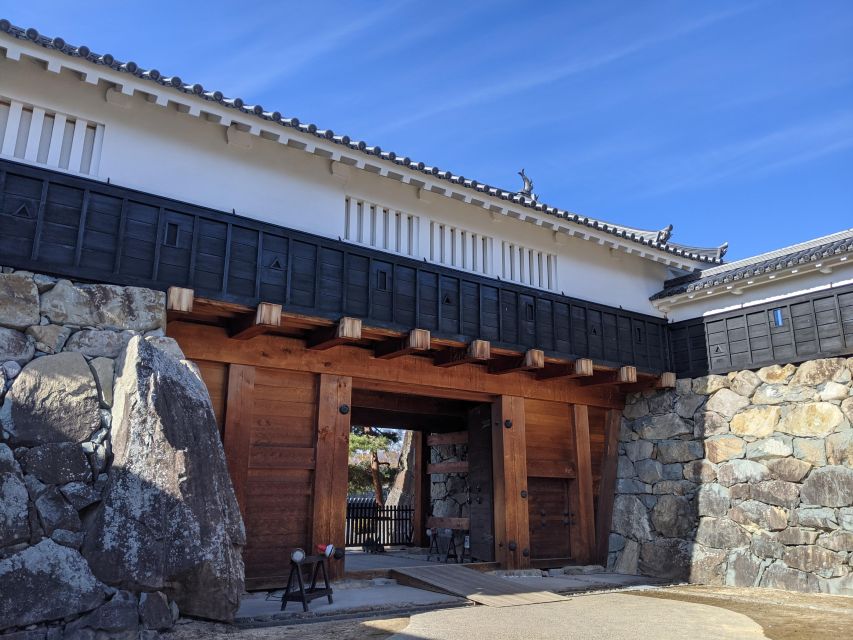
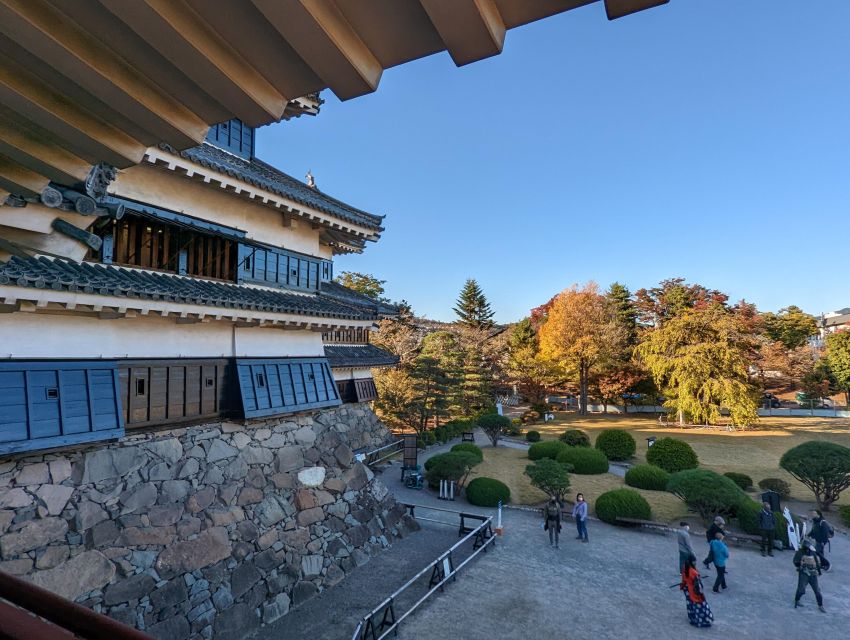
Matsumoto Castle is especially rewarding for visitors who like buildings that still feel practical rather than polished into a museum display. The black exterior gives it a serious look, while the surrounding moats and stonework help you understand its defensive role. Your guide can connect what you see in the structure with the wider history of Matsumoto.
I like guided castle visits because the details are easy to miss when you walk through alone. A dark wooden beam, a narrow opening, or an awkward turn can seem ordinary until someone explains why it was built that way. The guide helps turn the castle from a photogenic landmark into a working military building with clear problems to solve.
The strongest part of the experience depends on the person leading your group. Shin has used a binder filled with maps and photographs to explain the castle and city. One booking had a solo participant, allowing a long conversation about Matsumoto. Tom has been praised for his knowledge of local and social history, while Kei was noted for answering questions and taking photographs during the walk. Naomi has been described as patient and enthusiastic, and Tim has helped visitors with practical cultural advice beyond the castle itself.
Those personal touches are important. A guide who can answer your particular question is more useful than someone who simply recites dates. If you want to know how the castle fits into modern Matsumoto, why a street developed where it did, or how to behave in a Japanese shop, a live guide gives you a chance to ask.
The castle stairs are a real consideration
You should know what the castle visit demands physically. The stairs inside the tower are steep and narrow. The tour is not suitable for wheelchair users or people with mobility impairments, and even visitors without major limitations should move carefully.
Wear shoes with a secure grip. Avoid treating the castle like a quick photo stop, since the tower requires slow movement and attention. On busy weekends and holiday periods, the visit may take longer than the estimated two hours. The operator notes that the end time can shift depending on crowds.
One useful advantage is that admission is included. A guide may also help the group enter efficiently. One participant described walking past a long queue with e-tickets, and another noted that the guide managed to get inside quickly on a busy holiday. That benefit can be valuable, but I would not treat a completely wait-free entry as guaranteed every day.
Nawate Street and the friendly frogs
After the castle, the walk moves to Nawate Street, a small shopping road that once ran between the castle’s imposing moats. You spend about 30 minutes here, with time for a guided introduction and some browsing.
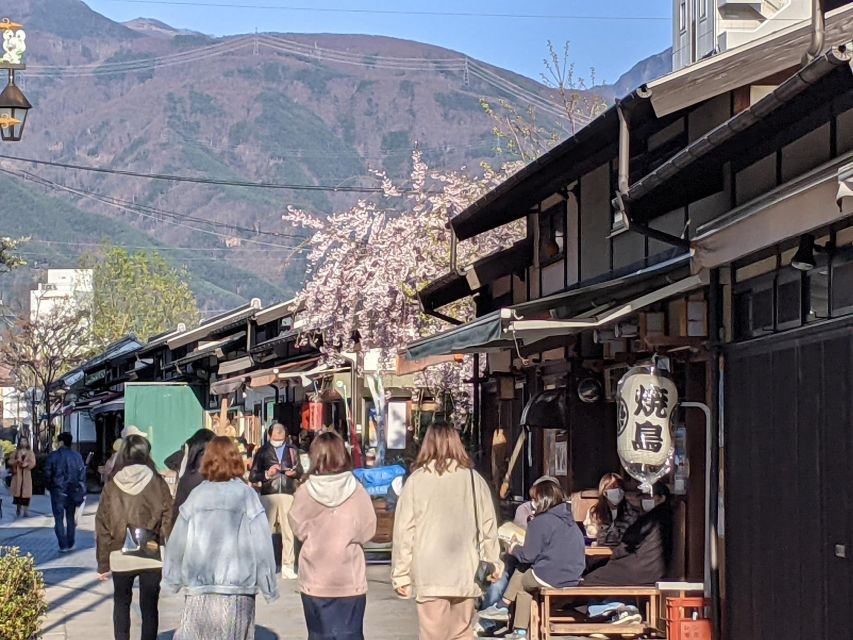
Nawate has a different mood from the castle. The street is lined with food vendors and small stores, and merchants are known for calling out to people passing by. The famous frog theme gives the area a cheerful identity. The frogs are tied to the street’s local character, and you will notice them in the area’s signs and decorations.
This is a good place to pause and look around rather than rush for another landmark. You might find a snack, a small gift, or a shop worth returning to after the tour. Food and souvenirs are not included, so bring a little spending money if you want to sample something.
The half-hour stop is enough for an introduction, but not enough for a slow shopping session. That is both a strength and a limitation. You get a useful sense of the street without losing the day, but you may want to come back later if a particular shop catches your eye.
For me, Nawate is one of the reasons the tour is more useful than a castle-only visit. The street shows how the castle town continues to function as a place where people shop, eat, sell, and meet. The old setting has not been reduced to scenery.
More Japanese Castle Tours in Japan:
- Osaka Castle: Museum and Tower Entry Ticket
★ 4.5 · 2,380 reviews - Kyoto: Nijo-jo Castle and Ninomaru Palace Guided Tour
★ 4.7 · 1,020 reviews - Kyoto: Nijo Castle, Kiyomizu & Fushimi Inari Guided Tour
★ 4.7 · 700 reviews - Osaka Castle Walking Tour and Castle Tower Admission
★ 5.0 · 561 reviews
Nakamachi and the old merchant streets
A short distance away, across a small river, Nakamachi Street runs parallel to Nawate. The tour allows about 30 minutes here, with a guided walk and free time.
Nakamachi is known for its traditional streetscape, cafes, restaurants, and craft stores. The feel is different from Nawate’s food stalls and vocal merchants. Here, you get a calmer look at Matsumoto’s old commercial identity.
Your guide can point out how the two streets relate to the city’s past and present. This is where local knowledge becomes particularly useful. A guide may identify a craft shop or cafe you would otherwise pass without noticing, explain the district’s role in the town, or suggest where to return later.
The time is short, so manage your expectations. You are not getting a full food tour or a long shopping afternoon. Instead, Nakamachi works as a final sample of Matsumoto’s preserved center. If you have extra time after the tour, this is a natural area to revisit at your own pace.
Several people have appreciated being able to enter small shops and move at a comfortable pace when the group was small. That flexibility cannot be promised for every departure, but the tour format allows more conversation than a large bus excursion.
Why the three-hour format works
Three hours is long enough to cover the castle and both shopping streets without taking over your entire day. The schedule is simple:
- Matsumoto Station to Matsumoto Castle by a historical route
- About two hours at the castle
- About 30 minutes on Nawate Street
- About 30 minutes on Nakamachi Street
- Return to Matsumoto Station
The castle receives most of the time, which makes sense. You need it for the interior stairs, the architecture, the defensive details, and the guide’s explanations. Nawate and Nakamachi then add the town context that a castle ticket cannot provide.
The schedule may run early or late. Crowds at Matsumoto Castle, especially on weekends and holidays, can affect the timing. Do not book a tight train connection immediately after the stated ending time. The return to Matsumoto Station is convenient, but allow a cushion.
I also like the different route to and from the castle. You see more of the city than you would on a straight out-and-back walk, and the movement from station to castle to shopping streets creates a clear story. The tour feels like a town walk with a major historic site at its center, not just a ticket escort.
The guide makes the difference
The guide is the biggest variable in this experience. The English-speaking guides have been praised for warmth, patience, humor, local knowledge, and the ability to explain Japanese customs in plain language.
Shin has brought maps and photographs, which can help when the castle’s structure is difficult to understand from the ground. Tom has received particular praise for his long experience living in Japan, his social history knowledge, and his photography skills. One participant appreciated his advice on camera angles, while another enjoyed the photos he took during the tour.
Naomi has helped visitors connect Matsumoto with their next destination, even writing down a suggested plan for Nagoya. She has also been praised for being patient and encouraging. Kei was noted for his enthusiasm and willingness to answer questions and take photographs.
These details show what you are paying for beyond admission. You are buying interpretation, conversation, and help with seeing the town in a more useful way. If you already enjoy reading signs and researching castles, the extra value may be modest. If you want the story explained as you walk, the guide can make the $63 feel well spent.
The group may be small, and some departures have been private in practice because only one person booked. Do not assume that will happen on your date, but a smaller group allows more questions and easier movement through shops. It also gives the guide a better chance to adjust the pace.
Is $63 a fair price?
At $63 per person, the tour includes the English-speaking guide and Matsumoto Castle admission. Lunch, snacks, souvenirs, insurance, and other personal costs are separate.
The price makes the most sense if you value the guide. The castle itself can be visited independently, and volunteer guides or written information may be available there. One participant felt the castle could have been done alone, but also acknowledged that the walk around Matsumoto added sights and local context that would otherwise have been missed.
That is the key value question. If your goal is simply to enter the castle, you can probably spend less by going on your own. If you want to understand why the streets curve, how the castle shaped the town, and where Nawate and Nakamachi fit into local life, the tour covers much more ground.
It is also useful for a first visit. The guide can help you get your bearings, suggest places to return to, and answer questions about Japanese customs. The tour does not include lunch, but that leaves you free to choose a meal after the walk, perhaps in Nakamachi or near the station.
Who should book this walking tour?
I would recommend it to first-time visitors who want a clear introduction to Matsumoto, especially if you have only a day in town. It also suits anyone who likes architecture, castle defenses, local streets, and small shops more than a fast checklist of sights.
The tour is a good match for:
- Couples and solo visitors who want conversation and local explanation
- Families with older children who can manage steep stairs
- Photography enthusiasts, especially if you get a guide such as Tom
- Visitors who want an English-speaking guide
- People combining Matsumoto with a larger Japan rail itinerary
- Anyone who wants to see more than the castle grounds
You may want to skip it if you have limited mobility, dislike narrow stairs, or prefer to explore completely alone. It is also less useful if you have already spent several days in Matsumoto and know the castle district well.
For photographers, guides may offer useful suggestions about angles and may take pictures of you, depending on the guide. For independent visitors, the route still gives you freedom at Nakamachi and time to return to shops later.
Booking is flexible: you can reserve now and pay later, and cancellation is free up to 24 hours before the tour for a full refund. Starting times vary, so check availability when planning your day.
Should you book the Matsumoto Castle Town Walking Tour?
Book it if you want the castle explained in context and you have three hours to give Matsumoto a proper introduction. The castle entry, historic walking route, Nawate Street, and Nakamachi Street make a well-balanced half-day.
I would be especially inclined to book if this is your first visit or if you are arriving during a busy period when help with castle entry may save time. Just allow flexibility at the end, wear practical shoes, and be honest about your ability to handle steep, narrow stairs.
Skip it if the castle alone is your only goal and you are comfortable arranging admission and information yourself. But if you want the town around the castle to make sense, this is a useful and personable way to see Matsumoto.
FAQ
Where does the Matsumoto Castle Town Walking Tour begin?
It begins at Matsumoto Station, at the front of the JR Line ticket office and the Starbucks inside the station on the second floor.
Where does the tour finish?
The tour returns to Matsumoto Station.
How long does the tour last?
The scheduled duration is three hours, though the end may be earlier or later depending on how busy Matsumoto Castle is.
What language is the tour offered in?
The tour is conducted in English with a live English-speaking guide.
Is admission to Matsumoto Castle included?
Yes. Entry to Matsumoto Castle is included in the tour price.
How much time is spent at Matsumoto Castle?
The planned visit to Matsumoto Castle lasts about two hours.
Are Nawate Street and Nakamachi Street included?
Yes. The tour includes about 30 minutes at Nawate Shopping Street and about 30 minutes at Nakamachi Street.
Is the tour suitable for wheelchair users?
No. The activity is not suitable for wheelchair users or people with mobility impairments. The castle tower has steep, narrow stairs.
What is included in the $63 price?
The price includes the English-speaking guide and admission to Matsumoto Castle. Lunch, snacks, souvenirs, insurance, and other miscellaneous personal costs are not included.
Just added around Japan
- Tokyo: Edo Castle and Imperial Palace Guided Walking Tour★ 5.0 · 6 reviews
- (Ticket Included) Explore Osaka Castle & Museum of History★ 4.8 · 21 reviews
- Peace Memorial Park, Hiroshima Castle, & Garden Private Tour★ 4.8 · 7 reviews
- Osaka: Explore Every Bit of Osaka Castle in 3 Hours★ 5.0 · 5 reviews
- Osaka/kyoto: Himeji Castle, Kobe. Luxury Day Trip with Guide★ 5.0 · 2 reviews
- Osaka: Early Morning Osaka Castle Guided Tour, Avoid Crowds★ 4.9 · 12 reviews
- Osaka: Osaka Castle 3 hours Historical Walking Tour★ 4.6 · 14 reviews
- Osaka: Osaka Castle – Tsuruhashi – Tennoji (Spanish Guide)★ 4.7 · 10 reviews
Japanese Castle Tours, compared.
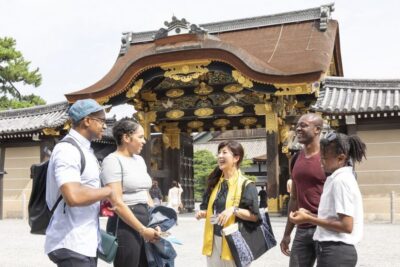
Nijo-jo Castle and Ninomaru Palace Guided Tour
Read our review →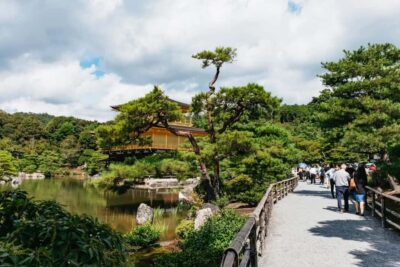
Nijo Castle, Kiyomizu & Fushimi Inari Guided Tour
Read our review →
Osaka Castle Walking Tour and Castle Tower Admission
Read our review →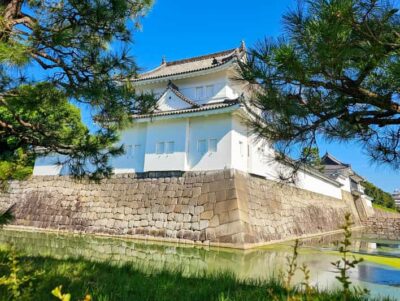
Imperial Palace & Nijo Castle Guided Walking Tour
Read our review →
Himeji Castle, Arima Onsen & Mt. Rokko Day Tour
Read our review →
5-Hour Osaka Bike Tour to the Neighborhood of Osaka Castle
Read our review →
Browse the lists this tour appears in