
Review · LISBON
Walking Tour Small Group Lisbon + S. Jorge Castle Tickets
Lisbon rewards people who like to wander. This three-hour walk links São Jorge Castle, Alfama, Baixa, and Chiado with two very Portuguese tastes: pastel de nata and ginjinha. I like that the castle visit comes first, when your legs are fresh, and that the guide uses food, books, music, and local stories to explain the city.
I also like the practical help built into the experience. Guides such as João and Laila have been praised for clear storytelling, warmth, and useful suggestions for the rest of your stay. The main drawback is the walking itself: Lisbon’s steep streets, uneven pavement, and stairs make this a poor fit for anyone with mobility limits.
Key points at a glance
- Start at São Jorge Castle: Begin at the castle entrance and see one of Lisbon’s finest views before walking downhill through the old quarters.
- Taste two local favorites: Pastel de nata and ginjinha are included, giving the tour a tasty connection to Portuguese customs.
- Cover several central districts: The route includes Alfama, Baixa, Commerce Square, and Chiado in just three hours.
- Expect a story-led walk: The guide connects Roman and Moorish Lisbon, the earthquake, maritime ambition, Fado, cafés, and daily life.
- Small-group format: The experience is advertised as a small group, with details indicating a maximum of 10 participants, though another description says up to 20.
- Bring good shoes and water: Hills, stairs, sun, and changing weather are part of the deal.
Why this walk makes sense as a first Lisbon morning
Lisbon can feel confusing at first. Its central districts fold into one another, streets rise sharply, and a short distance on the map can mean a sweaty climb. This tour gives you a useful framework early in your visit, while showing you how the old center fits together.
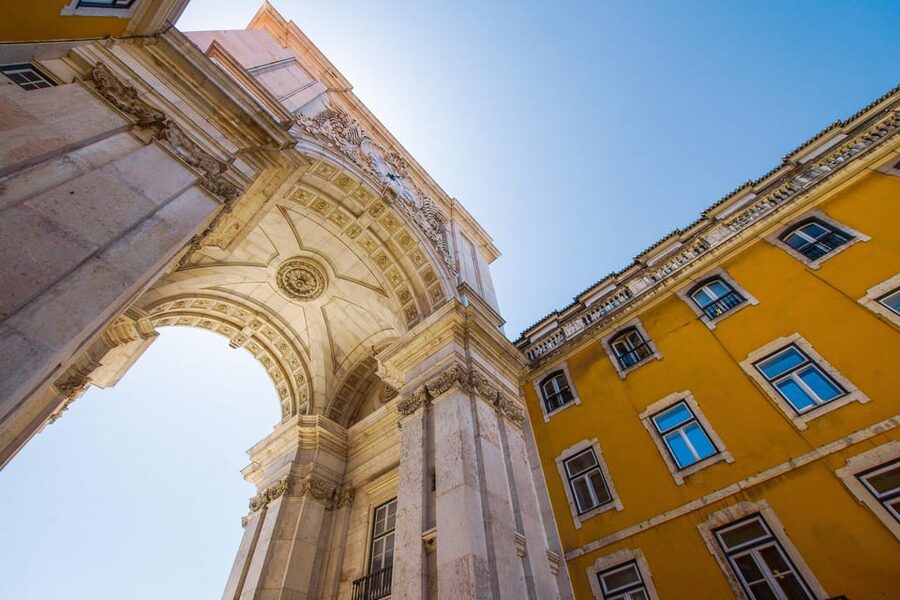
The three-hour route is short enough to fit into a busy first day, but long enough to include the city’s major themes. You get royal power at São Jorge Castle, medieval lanes in Alfama, commercial ambition at Commerce Square, literary life in Chiado, and a taste of local food along the way.
I would book it near the start of a Lisbon stay. The guide’s recommendations can help shape the rest of your visit, and the walk gives you clues about where you may want to return on your own. Several people specifically appreciated receiving suggestions for restaurants, places to see, and books to read.
The advertised price is $69 per person. That is not the cheapest way to walk around Lisbon, but it includes the castle ticket, a guided visit, two tastings, and a local guide for three hours. If you would otherwise buy a castle ticket and pay for a separate food stop, the price becomes easier to justify.
More Castle Walking Tours in Portugal
- Lisbon: Alfama and São Jorge Castle Quarters Walking Tour
★ 4.8 · 136 reviews - Sintra: Walking Tour with Palace, Castle, and Old Town Visit
★ 4.9 · 66 reviews - Night Walk: “From the Ghosts of the Castle to the Apparitions of the Mountains”
★ 5.0 · 37 reviews
Meeting the guide beside the castle
The meeting point is in front of Restaurante Conqvistador, near the first gate to São Jorge Castle and the bus stop. Look for a guide wearing an identifying badge with a red stripe.
This detail matters because the area around the castle can be busy and confusing. Give yourself enough time to locate the restaurant and gate rather than arriving at the last moment. Hotel pickup is not included, so you need to reach the meeting point under your own power.
The experience begins at the castle entrance, which is a smart choice. You do not spend the first part of the morning climbing toward the top of the city. Instead, you start high, visit the main historic site, and then make your way through Lisbon’s older quarters.
The exact starting time depends on availability. The walk lasts three hours, and the guide speaks English.
São Jorge Castle: the big view comes first
The castle visit takes about 50 minutes and includes a skip-the-line ticket and guided commentary. São Jorge has watched over Lisbon for almost a thousand years, and its hilltop position explains why it mattered long before it became a favorite photo stop.
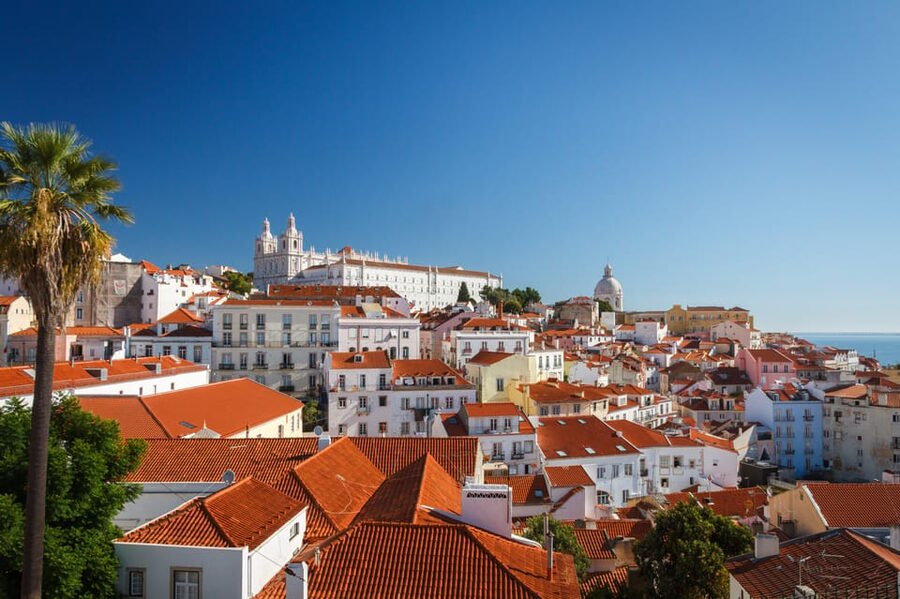
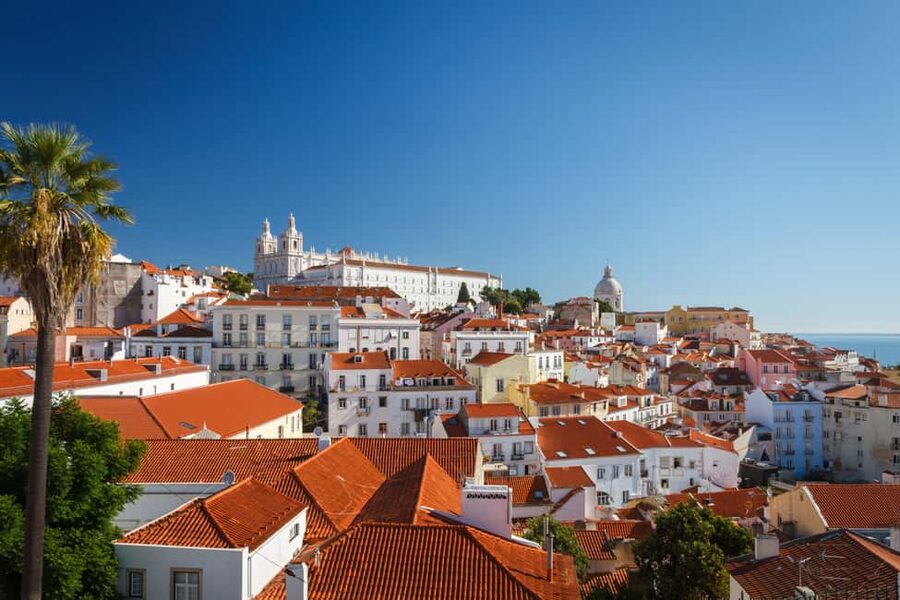
The most immediate reward is the view. From the castle area, you can look across the tiled roofs toward the Tagus River and get your first clear sense of Lisbon’s hills and districts. It is a useful orientation point, not just a scenic pause.
The guide’s role is important here. The castle can be visited independently, but a guide helps connect its walls to the city below. You hear about Lisbon’s long sequence of Roman roots, Moorish influence, royal rule, earthquakes, and maritime expansion.
The skip-the-line access saves time, although you should still expect stairs and uneven ground. Wear shoes with a firm sole. This is not the place for slippery sandals or shoes chosen only for appearance.
Alfama: narrow lanes, pastries, and Fado
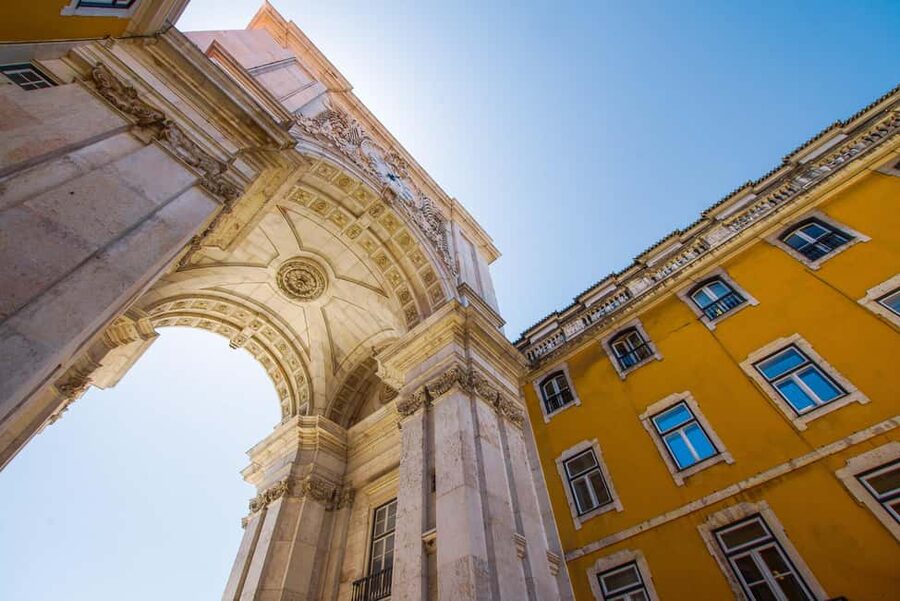
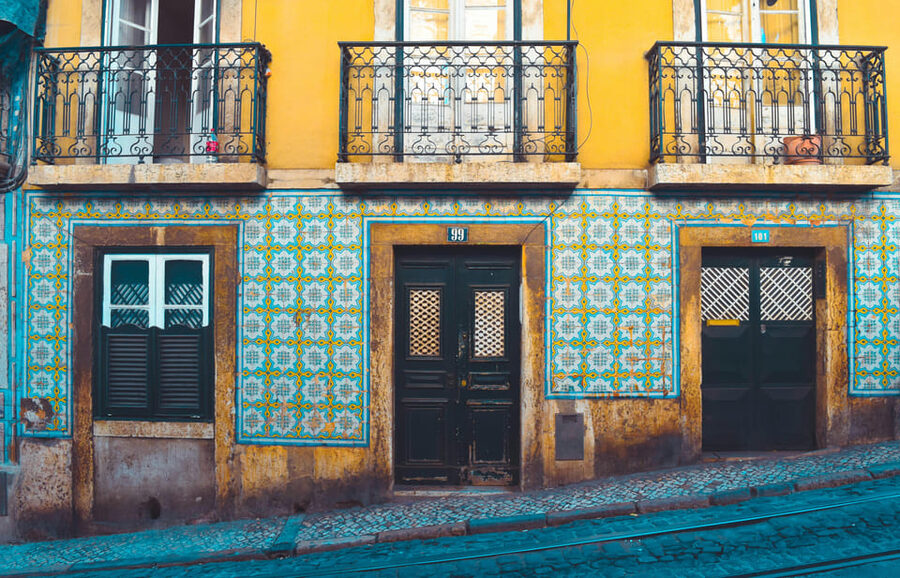
After the castle, the walk continues through Alfama for about an hour. This is Lisbon’s oldest district, a maze of narrow streets, bends, small corners, and steep passages. It is the kind of place where a guide adds real value because the route can be hard to understand from a map.
You will hear about the district’s Moorish roots and the development of Fado, Portugal’s soulful music of longing and love. The tour presents Alfama as a living part of Lisbon, not simply an old quarter preserved for photographs.
This section also includes food tasting. Pastel de nata, the famous custard tart, is served from a local bakery. The story connects the pastry to monks, sugar, and secret recipes, giving you more than a quick sweet snack.
The tasting is modest, not a full meal. If you are hungry, eat beforehand or plan lunch after the tour. The pastry is one of the included treats, but it should not replace breakfast, especially if you are walking uphill in warm weather.
The route through Alfama can be one of the most rewarding parts of the morning, but it is also where the physical demands become clear. Expect cobbles, hills, and stairs. Lisbon’s sidewalks are not always smooth, and the tour is not suitable for wheelchair users or people with mobility impairments.
More Castle Walking Tours in Lisbon:
- Edinburgh Castle: Guided Walking Tour with Entry Ticket
★ 4.7 · 11,699 reviews - Prague: 3-Hour Walking Tour of Old Town & Prague Castle
★ 4.7 · 5,696 reviews - Edinburgh Castle: Guided Walking Tour with Entry Ticket
★ 5.0 · 5,540 reviews - Edinburgh Castle Guided Walking Tour in English
★ 5.0 · 5,214 reviews
Commerce Square and the city’s grand front door
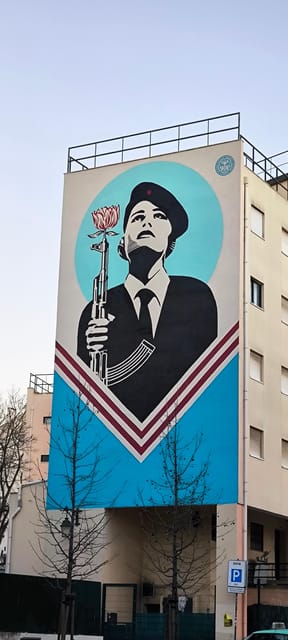
The route reaches Commerce Square for a guided stop of about 10 minutes. This broad riverside space feels very different from Alfama’s tight lanes.
The square helps explain Lisbon’s commercial and maritime identity. Its large scale also provides a welcome change after the enclosed streets of the old district. You can pause, look toward the river, and understand how the city opens outward at the water.
Ten minutes is enough for an introduction and a few photographs, but not a full visit to every nearby sight. Think of this as a connecting chapter in the walk rather than a long stop.
Because the tour covers so much ground, the guide has to keep moving. If you prefer slow photography sessions or long visits inside each monument, a private tour or self-guided day may suit you better.
Chiado, Bertrand Bookstore, and café culture

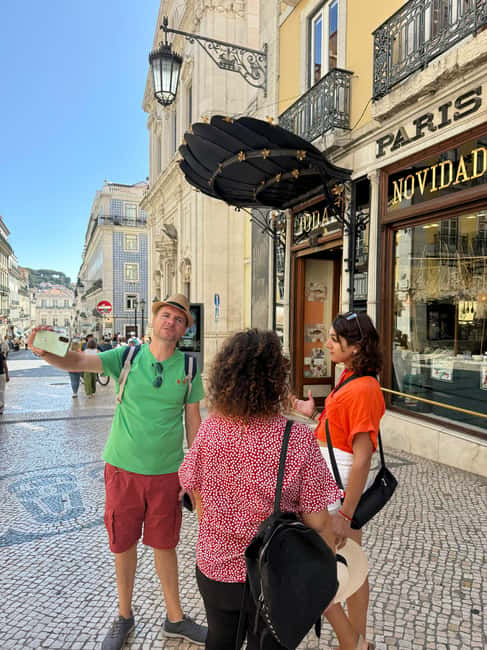
The walk then heads toward Chiado, Lisbon’s bohemian quarter, with about 30 minutes of guided exploration. Chiado brings a different mood from Alfama, with connections to writers, philosophers, cafés, and urban life.
One especially distinctive stop is Bertrand Bookstore, founded in 1732 and described as the world’s oldest operating bookstore. The guide explains how it survived earthquakes, revolutions, and the modern pressure of online shopping.
That story gives Chiado a human scale. Instead of simply pointing out an old shop, the guide uses it to discuss endurance, reading, and Lisbon’s changing public life. The visit is brief, but it adds character to the route.
Chiado also works well as a place to discuss Portuguese café habits and the city’s literary side. The experience is not only about famous monuments. It shows how Lisbon’s identity appears in ordinary places, such as a bookstore, bakery, or café.
A second regional food stop is listed for about 15 minutes. The included tasting details specifically identify pastel de nata and ginjinha, while the wider description also mentions coffee and other sweets. Ask the guide what is being served on your date if you have dietary concerns.
Ginjinha: a small glass with a strong personality

Ginjinha is a cherry liqueur and one of Lisbon’s most recognizable traditional drinks. The tasting takes place at a traditional family-run spot, where the guide explains its place in Portuguese culture.
The portion is likely small, but the flavor is strong. You may find it sweet and warming, with a clear liqueur character. It is a cultural tasting rather than a drinking session, so it fits easily into a walking tour.
If you do not drink alcohol, check ahead about alternatives. The supplied details confirm that ginjinha is included, but they do not promise a nonalcoholic substitute.
This stop also gives the guide a chance to point you toward places where you might buy or try ginjinha later. That kind of advice is useful because the best choice often depends on whether you want a quick taste, a traditional setting, or a place away from the busiest streets.
What the guides add to the experience

The strongest praise has gone to the guides’ storytelling and personal manner. João is described as clear, enthusiastic, thoughtful, and easy to understand. Laila is praised for warmth, humor, local tips, and small personal touches that made the walk feel friendly rather than formal.
Those comments point to the main reason to choose this tour over a route you could follow with a map. The facts are useful, but the connections between them matter more. Lisbon’s earthquake, Moorish streets, Fado, bookshops, pastries, and hilltop views make more sense when one person ties them together.
João has also helped with practical needs, including lending an umbrella on a hot day. You should not count on that service, but it suggests a guide who pays attention to the group.
One unusual feature is the amount of conversation. The experience is presented as a chance to discuss Lisbon’s past, present, and possible future, rather than listen to a nonstop speech. That may appeal to you if you like asking questions. If you prefer a tightly scripted sightseeing route with little interaction, the relaxed approach may feel less efficient.
The tour is listed as a small-group experience. One section gives a maximum of 10 participants, while another says up to 20. Confirm the expected group size when booking if that detail matters to you.
Walking conditions, weather, and pace
You need comfortable walking shoes and water. The route involves a moderate amount of walking, with hills, stairs, cobbled streets, and uneven sidewalks.
Sunny weather can make the exposed sections feel hot. Bring sunscreen and, on warm bright days, an umbrella for shade. Lisbon weather can change, so be ready for conditions other than sunshine too.
The tour is not suitable for wheelchair users or people with mobility impairments. This is not a minor warning. The castle hill and old districts make access difficult, and the walking surface is part of the experience.
The pace appears designed for sightseeing rather than exercise, but three hours is still a serious walk. You will get more from it if you have eaten breakfast, carry water, and avoid overloading yourself with a heavy daypack.
Who should book this Lisbon walk
I would recommend it most strongly to first-time visitors who want orientation, local context, and a few tastes without committing to a full-day excursion.
It is also a good match for you if you enjoy:
- Walking through old streets instead of only viewing landmarks from a vehicle
- Asking a guide questions about daily life and local customs
- Trying small portions of traditional food and drink
- Learning about Lisbon through stories, not just dates
- Getting practical ideas for the rest of your stay
Families may enjoy the mix of castle views, sweets, and short stops, although adults should judge the hills and stairs for younger children. The alcohol tasting also makes the experience more adult-focused.
You may want another option if you have mobility limitations, dislike hills, want a long castle visit, or need a full meal rather than snacks. This is a compact introduction, not a leisurely food tour or an in-depth archaeological visit.
Should you book it?
Book this tour if you want a lively first look at Lisbon with the major old districts tied together by one guide. The included castle ticket, pastel de nata, ginjinha, and local advice make $69 reasonable for a three-hour introduction, especially if you value context as much as sightseeing.
I would schedule it early in your stay and keep the rest of that morning flexible. Wear proper shoes, bring water, and confirm the group size and tasting arrangements before paying. If you can handle the hills, this walk should leave you with a better map of Lisbon in your head, a few useful tips, and several reasons to keep exploring after the guide says goodbye.
FAQ
How long does the Lisbon walking tour last?
The tour lasts three hours.
Where does the tour begin?
It begins in front of Restaurante Conqvistador, near the first gate to São Jorge Castle and the bus stop.
Where does the tour end?
The walk returns to Restaurante Conqvistador.
Is the São Jorge Castle ticket included?
Yes. Skip-the-line entry and a guided visit to São Jorge Castle are included.
What food and drink tastings are included?
Pastel de nata and ginjinha tastings are included in the tour price.
What language is the tour offered in?
The live guided tour is offered in English.
How large is the group?
The experience is described as a small group. The information gives a maximum of 10 participants in one section and up to 20 in another, so confirm the expected size when booking.
Is the tour suitable for wheelchair users?
No. The tour is not suitable for wheelchair users or people with mobility impairments because of the hills, stairs, cobbled streets, and uneven sidewalks.
What should you bring?
Bring comfortable walking shoes and water. Sunscreen and an umbrella are also recommended on sunny, warm days.
Just added around Lisbon
- Tomar: Knight’s Templar Castle and Convent of Christ Tour★ 4.9 · 84 reviews
- From Lisbon: Tomar, Christ Convent & Almourol Castle Tour★ 5.0 · 64 reviews
- Sintra: Moorish Castle, Pena Palace, Cabo da Roca, & Cascais★ 5.0 · 6 reviews
- Discover Alfama with the Exterior View of São Jorge Castle★ 4.4 · 21 reviews
- Lisbon: Sintra, Pena, Moorish Castle, Regaleira & Cascais★ 4.8 · 136 reviews
- Lisbon: Tower of Saint George’s Castle Church Ticket & Drink★ 3.7 · 37 reviews
- Lisbon Tour: Cristo Rei, Belem, São Jorge Castle, 360°View.★ 4.9 · 18 reviews
- Lisbon: Saint George’s Castle Entry & City Self-Guided Tours★ 3.6 · 16 reviews
Castle Walking Tours, compared.

Edinburgh Castle: Guided Walking Tour with Entry Ticket
Read our review →
3-Hour Walking Tour of Old Town & Prague Castle
Read our review →Edinburgh Castle: Guided Walking Tour with Entry Ticket
Read our review →
Edinburgh Castle Guided Walking Tour in English
Read our review →

Prague 3-hour Afternoon Walking Tour including Prague Castle
Read our review →
Royal Mile and Edinburgh Castle – Small Group Walking Tour
Read our review →Browse the lists this tour appears in