
Review · FRANCE
Margaux – Guided tour of the château and tasting of 4 wines
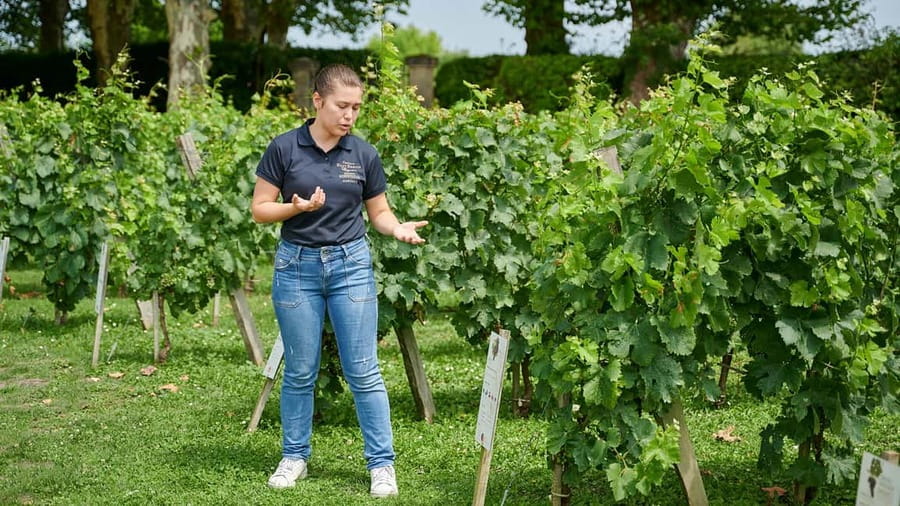
Wine country gets personal here. At Château Haut Breton Larigaudière, you spend an hour with the De Schepper family story, tour the working wine rooms, and taste four wines from the estate. I like the family-run setting and the chance to see both the vat room and barrel cellar, rather than simply sitting down for a glass. The main consideration is time: one hour gives you a useful introduction, but not a slow, extended look at every part of winemaking.
I also like the small group limit of 10 people, which should make it easier to hear the guide and ask questions. The tasting is guided in French, Portuguese, English, or Spanish, and two five-star comments praise the guide’s friendly, entertaining approach and strong command of the subject. Since this is an adults-only activity, it suits wine-focused visitors best, not families looking for a broad château outing.
What makes this Margaux visit worth your hour
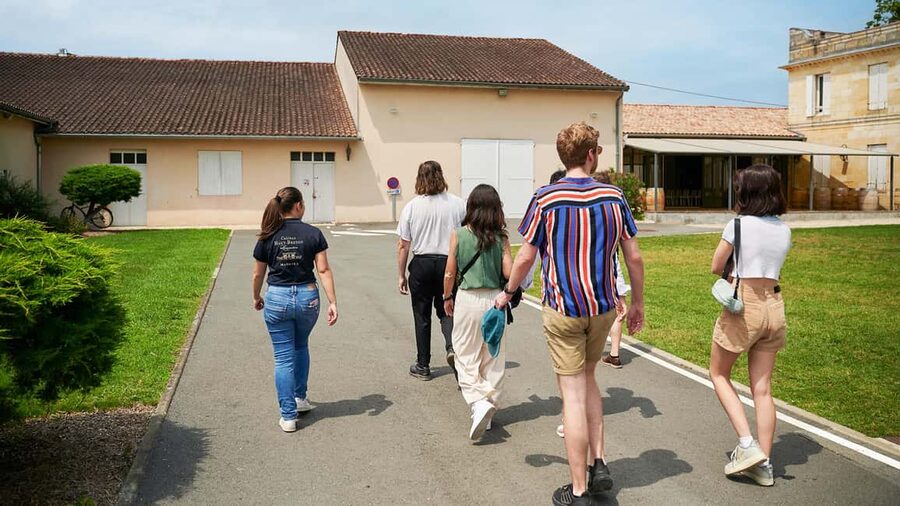
- Three generations of the De Schepper family have cared for the estate and its vines.
- The vat room and barrel cellar show the practical stages between grape harvest and bottling.
- Four wines are included, with each one explained by a specialist guide.
- Groups are limited to 10 people, giving the visit a more personal feel.
- English, French, Portuguese, and Spanish are available for the guided experience.
- The price is $17 per person, a modest cost for a château tour and tasting in the Margaux appellation.
A family estate with a real working purpose
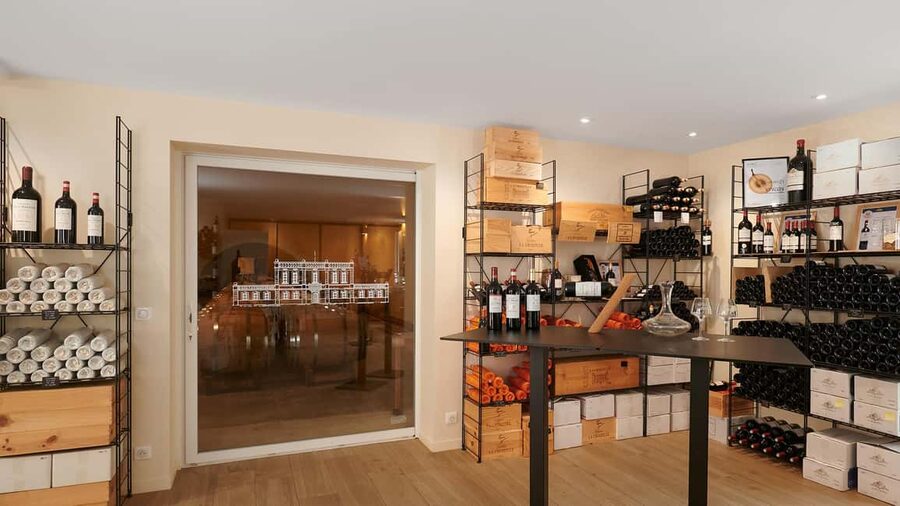
Your visit begins at the Château boutique, where you should arrive five minutes before the scheduled start. The boutique is the meeting point and the place where the activity ends, so you do not need to manage a separate departure location afterward.
The setting is Château Haut Breton Larigaudière, home to the De Schepper family’s wine operation. The estate has been cared for by three generations of the family, giving the tour a personal thread that is easy to understand: this is not only a place where wine is sold, but a property connected to a family’s long-running work with vines and wine.
That family connection matters because it gives the visit a clear focus. You are not simply being shown attractive rooms. You are learning how a particular estate handles its wine, from the work among the vines through production and eventual bottling.
The Margaux appellation also gives the tour its wider setting. If you are trying to understand why Margaux appears so often on wine labels and cellar shelves, this visit gives you a direct introduction to the name through one estate’s methods and wines. The experience does not promise a broad survey of every producer in the area, so you should see it as a focused château visit rather than a full regional course.
More Guided Castle Tours in France
- Nice: Old Town & Castle Hill Informative Guided Walking Tour
★ 4.9 · 248 reviews - From Tours: Chenonceau and Chambord Castles Guided Tour
★ 4.8 · 86 reviews - Carcassonne: Private Guided Tour of the Medieval Fortress
★ 4.5 · 64 reviews
Inside the vat room, where the process takes shape
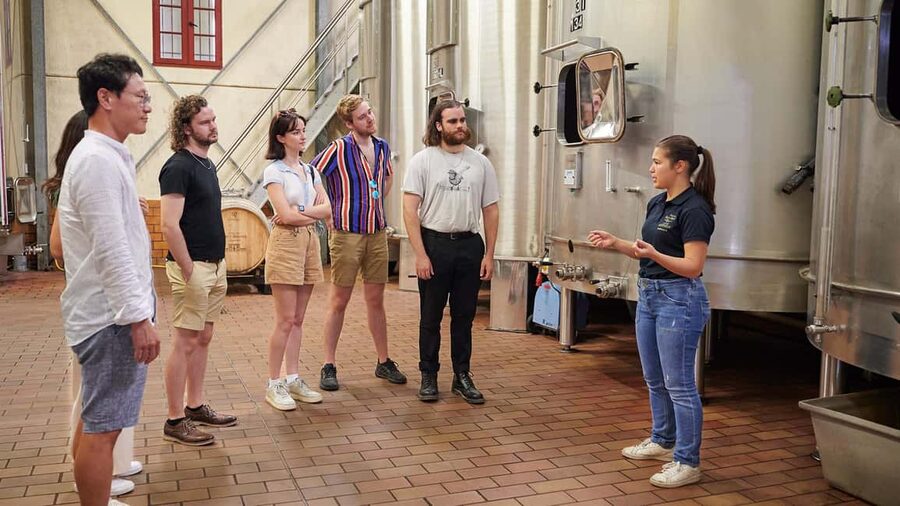
The vat room is one of the most useful stops because it moves the conversation away from the romance of the château and toward the mechanics of winemaking. This is where the tour helps connect the harvest with the stages that follow.
Your guide explains how the estate carries out each part of the process with care. The supplied details do not specify every piece of equipment or the exact production schedule, so you should not expect a technical master class in machinery. Instead, you can expect an accessible explanation of how grapes move through the estate’s winemaking operation.
For first-time wine visitors, that practical view is valuable. A bottle can seem like a finished object with no visible connection to the vineyard. Seeing the vat room gives you a clearer sense of the work between picking grapes and filling a bottle.
The visit is guided, so you are not left to study the room on your own. That is especially helpful if you are new to wine terminology or want to ask why one stage matters before the next. The guide’s role is to explain the process in plain terms and connect what you see to the wines you will taste later.
Because the full activity lasts about an hour, the stop will be fairly brisk. You should arrive ready to listen and move along with the group rather than expect unlimited time for photographs or detailed technical questions.
The barrel cellar and the patience of aging
The barrel cellar provides the second major production stop. Here, the focus shifts from the immediate work of processing grapes to the period when wine rests and develops before bottling.
The details supplied for the tour do not identify the number of barrels, the types of wood, or the precise aging periods. That is useful to keep in mind if you are seeking detailed cellar statistics. The value of this stop is more basic and more practical: you see another stage of the wine’s life and hear how the estate manages it.
I like this part of the visit because it helps you understand that winemaking is not over once the grapes are processed. The barrel cellar gives the guide a chance to explain how decisions made after harvest affect what eventually appears in your glass.
The cellar also makes the tasting more meaningful. You are not tasting four wines as isolated samples. You have just heard about the work that shapes them, from the estate’s family approach to the production rooms and aging area.
Expect the explanation to be tailored to a general audience. The experience is designed as a one-hour introduction, not a professional certification course. If you already know a great deal about barrels, fermentation, or appellation rules, you may want more technical detail than this visit can provide.
Four wines, each with a guided explanation
The tasting includes four wines selected by the estate’s specialists. Each wine is discussed by the guide, with attention to winemaking and the aromas you notice.
That guidance is important. A tasting of four glasses can pass quickly if nobody explains what to look for. Here, the guide helps you connect scent, flavor, and production choices, giving you a useful structure for comparing the wines instead of treating them as four unrelated pours.
The information does not name the four wines or provide a fixed tasting order. For that reason, you should not book expecting a guaranteed list of bottles or a specific vintage. The selection may be chosen according to what the estate wishes to present during your visit.
Still, four wines is a sensible number for a short tour. One or two samples might leave you with only a narrow impression of the estate. Four gives you more room to notice differences and decide what styles appeal to you.
The guide’s manner may be one of the strongest parts of the experience. The available feedback gives the guide high praise for being well-informed and fun, with one comment calling the visit perfect. Another remark expresses strong affection for Margaux wines. Those comments point to a tasting that aims to be friendly and engaging, not stiff or overly formal.
You should also remember that this is a tasting, not a retail package. Additional purchases at the boutique are not included in the price. If you want to take bottles home, plan to pay separately for anything you buy after the included tasting.
Same region, a different set of walls:
- Loire Valley Castles Day Trip from Paris with Complementary Wine
★ 4.5 · 3,907 reviews - Carcassonne: Castle and Ramparts Entry Ticket
★ 4.6 · 2,884 reviews - Chambord: Entry Ticket to the Castle
★ 4.6 · 1,841 reviews - From Paris: Loire Valley Castles Day Trip With Wine Tasting
★ 4.6 · 1,727 reviews
Why the small group matters
A maximum of 10 participants is a useful feature for a wine visit. In a large group, you may struggle to hear the explanation in a cellar or feel awkward asking a basic question. With fewer people, the guide has a better chance to keep the visit conversational.
Small groups do not guarantee a private tour. You may still share the experience with other visitors, and the exact number can vary up to the stated limit. Even so, 10 people is compact enough to make the visit feel more controlled than a large coach-group stop.
This format is also helpful during the tasting. You can follow the guide’s comments without competing with a crowd for attention. If you are visiting with a partner or a few friends, the group size gives you a good balance between personal attention and the chance to hear other questions.
The tour is wheelchair accessible, which adds practical value for visitors who need an accessible route. The available information does not describe the exact layout, surfaces, or restroom arrangements, so you may want to confirm any specific access needs before booking.
A one-hour schedule with little wasted time
The one-hour duration works well if you are building a busy day around Margaux. You get the family story, a look at the vat room, a visit to the barrel cellar, and four guided wines without giving up half a day.
That short length is also the main limitation. The guide must keep the tour moving, and you will not have unlimited time to linger in each room. I would treat it as a compact introduction that gives you a better understanding of the estate, rather than a leisurely day at the château.
Starting times depend on availability, so check the schedule before you plan transport or arrange another appointment. Arriving five minutes early at the château boutique is a simple but important tip. Arriving late could be especially inconvenient in a small group, where the guide may already have begun the walk through the estate.
The activity returns to the boutique at the end. That makes the route straightforward and reduces the chance of confusion after the tasting. Since no transport is included, you are responsible for reaching the château and continuing on afterward.
Four languages and an easy pace for beginners
The guided visit is offered in French, Portuguese, English, and Spanish. This is useful in a wine setting, where a language gap can make descriptions of aromas and production methods harder to follow.
If English is your preferred language, check that your selected time offers it when you reserve. The available information confirms the language options, but it does not provide a named guide or guarantee that every language is available at every departure.
The friendly tone praised in the feedback should suit beginners. You do not need to arrive with a vocabulary of wine terms to get something from the tasting. The guide explains the wines and their aromas as part of the experience, so you can focus on noticing what is in the glass.
At the same time, experienced wine drinkers should keep their expectations sensible. The tour covers a family estate and four wines in about an hour. It is not presented as an advanced course in Margaux, nor does it promise detailed comparisons across many producers.
Is $17 a fair price?
At $17 per person, the value is strong if you want more than a quick tasting. The price includes the guided estate tour and four guided wine samples, so you are paying for both the explanation and the tasting itself.
The cost also makes sense for a short stop in the Margaux appellation. You get access to the estate’s production areas, a family story spanning three generations, and a guide who explains what you are seeing and tasting. That is a useful package for a modest fee.
The value is weaker if you are looking only for a large pour or a long, relaxed afternoon. This is a one-hour activity, and additional boutique purchases cost extra. You are paying for a concise educational visit, not an open-ended tasting session.
Free cancellation up to 24 hours before the start gives you some protection if your plans change. You can also reserve and pay later, which helps if you are organizing several stops in the region. These policies do not change the experience itself, but they make a low-cost booking easier to fit into a moving itinerary.
Who should book this château tour?
I would recommend this experience to adults who want a clear introduction to Margaux wine without committing to a half-day program. It is especially suitable if you value a family-owned setting, prefer small groups, and want a guide to explain the wines rather than simply hand you a glass.
It also fits visitors with limited time. The tour is long enough to show the important parts of the estate and short enough to combine with other plans. The multilingual format helps couples and small groups with different language preferences.
The tour is not suitable for children under 18. That rule is straightforward, and families should not plan to bring younger children along for the tasting.
You may want to choose another experience if you need a highly technical production tour, a guaranteed list of specific wines, or a long cellar visit. None of those details is promised here. The strength of this activity is its focused mix of family history, working spaces, and four explained wines.
Should you book Château Haut Breton Larigaudière?
Book it if you want an affordable, well-organized introduction to a Margaux estate. The combination of a three-generation family story, access to the vat room and barrel cellar, four wines, and a 10-person limit gives the hour real substance.
I would be less inclined to book if you have already taken several detailed Bordeaux château tours and want new technical material. For most visitors, though, $17 is an easy price to justify, especially when the guide’s friendly and well-informed style is part of what makes the visit work.
FAQ
How long does the Château Haut Breton Larigaudière tour last?
The activity lasts one hour. Starting times vary, so check availability when booking.
How much does the experience cost?
The listed price is $17 per person.
Where does the visit begin?
Start at the Château boutique. The activity also ends back at the same meeting point.
How many wines are included?
The guided tasting includes four wines selected by the estate’s specialists.
What areas of the château will I visit?
The tour includes the estate, the traditional vat room, and the barrel cellar. The guide explains the winemaking process from harvest through bottling.
What languages are available?
The live guided tour is available in French, Portuguese, English, and Spanish.
Are children allowed on the tour?
No. The activity is not suitable for children under 18.
Can I cancel my booking?
You can cancel up to 24 hours in advance for a full refund. You can also reserve now and pay later, according to the stated booking terms.
More Food & Drink in France
- Half day tour Saint-Emilion : Village & Château with wine tasting
★ 4.5 · 114 reviews - Paris: Loire Valley Chambord Castle, Wine Tasting & Lunch
★ 4.7 · 69 reviews - Château de Luc: Unique visit and wine tasting
★ 4.7 · 55 reviews - Château du Bois-Huaut: Cellar Tour and Wine Tasting Class
★ 4.8 · 53 reviews
More Wine Tours in France
- Loire Valley Wine and Castles Small-Group Day Trip from Paris
★ 5.0 · 613 reviews - St-Emilion & Médoc Wine Day Tour: Chateaus, Tastings and Lunch
★ 5.0 · 430 reviews - Beaune: Wine Tasting at Château de Pommard
★ 4.6 · 353 reviews - Nice : Wine Tasting at a Historic Château in a Land Rover !
★ 4.9 · 156 reviews
Just added around France
- Carcassonne: Secrets of the Castle’s Defense Self-Guided Tour★ 4.5 · 8 reviews
- Complete Private Tour City and Castle of Carcassonne★ 5.0 · 12 reviews
- Saint Emilion Castle and Village Wine Tour★ 4.5 · 23 reviews
- Château de Fieuzal, Pessac-Léognan: Visit and Tasting★ 5.0 · 18 reviews
- Wine Tour of Mèdoc : Châteaux, Tastings and WSET Guide★ 5.0 · 21 reviews
- Full-day Saint-Emilion: Village, Undergrounds and Châteaux★ 4.5 · 55 reviews
- Private Wine Lovers – Super St Emilion – behind the scenes visits top chateaux and medieval town★ 5.0 · 25 reviews
- Bordeaux Médoc Region Private Wine Lovers Tour with Chateau Visits & Tastings★ 5.0 · 40 reviews
Guided Castle Tours, compared.

Edinburgh Castle: Guided Walking Tour with Entry Ticket
Read our review →
Cathedral, Giralda & Alcazar Entry With Guided Tour
Read our review →Edinburgh Castle: Guided Walking Tour with Entry Ticket
Read our review →
Stonehenge, Windsor Castle and Bath Full Day Guided Tour
Read our review →
Edinburgh Castle Guided Walking Tour in English
Read our review →
Alcázar and Cathedral Entry Ticket and Guided Tour
Read our review →
Alcázar of Seville Skip-the-Line Tickets and Guided Tour
Read our review →
Dublin Book of Kells, Castle and Molly Malone Statue Guided Tour
Read our review →Browse the lists this tour appears in