
Review · FRANCE
Beaune: Wine Tasting at Château de Pommard
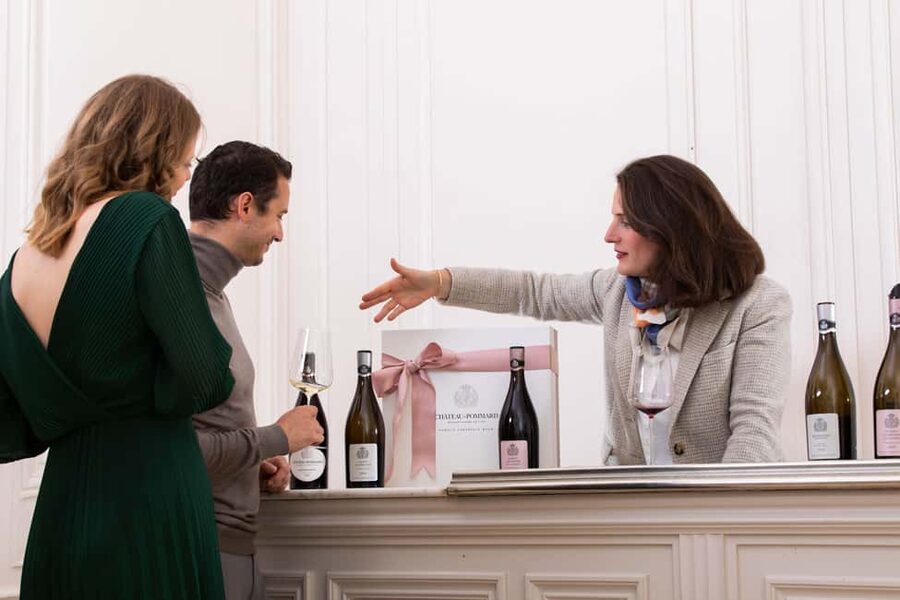
Burgundy makes every sip a geography lesson. This one-hour tasting at Château de Pommard pairs four wines with an introduction to the Clos Marey-Monge vineyard, Burgundy’s classifications, and the natural factors that shape each bottle. I like the small groups, capped at eight, and the friendly guides, including Alex, Manon, Pierre, and others who have earned praise for clear, patient explanations. The French Gardens are included, too.
The main drawback is important: the cellars and winery cannot be visited during renovation. You will see the vineyard and tasting setting rather than the full production operation. At $35 per person, this is a good value for a focused Burgundy introduction, but less so if you expect a long château tour or cellar walk.
Key points at a glance
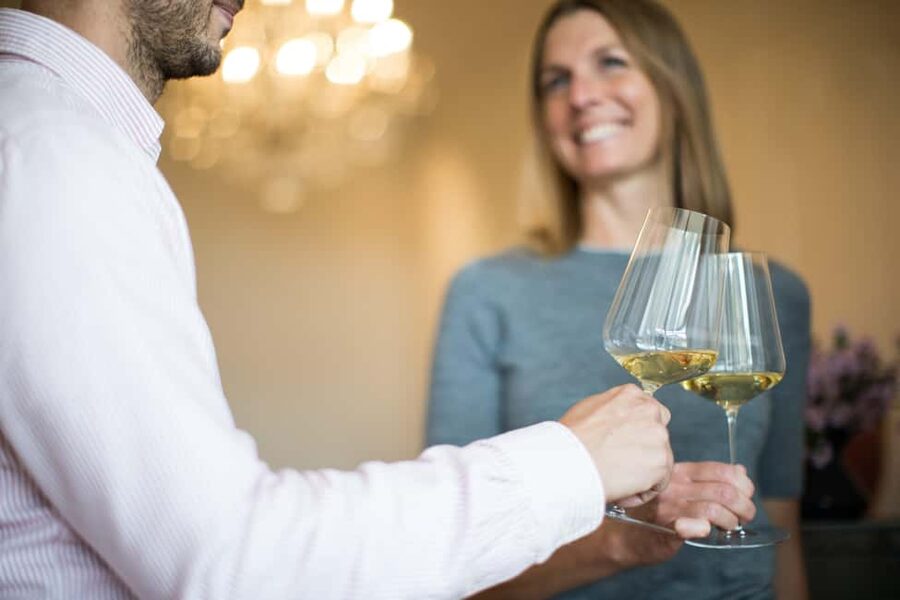
- Four Burgundy wines in one hour: Taste wines from Château de Pommard and Famille Carabello-Baum while learning how they differ.
- Clos Marey-Monge focus: The vineyard gives the tasting a sense of place, not just a row of glasses in a room.
- Small groups of up to eight: A useful format for questions and one-on-one help with unfamiliar Burgundy terms.
- Guides make the difference: Alex, Manon, Pierre, and other hosts have been praised for warmth, patience, and clear explanations.
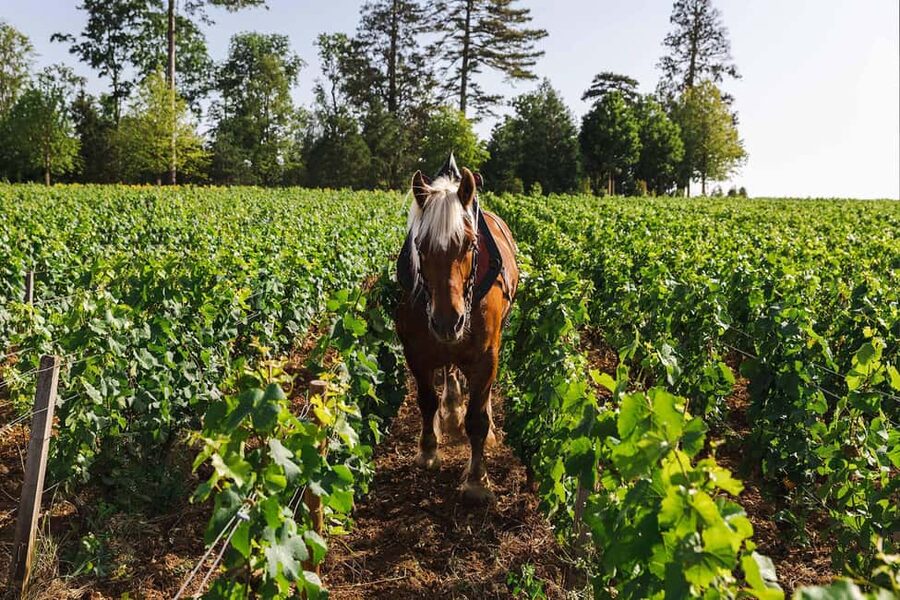
- French Gardens included: Leave time to walk the grounds after the tasting, and look for the horses mentioned by one recent visitor.
- Cellar access is closed for renovation: Book this for wine education and setting, not for a behind-the-scenes winery visit.
Why Château de Pommard is a useful first Burgundy tasting
Burgundy wine can seem needlessly complicated at first. Labels often emphasize place more than grape variety, and the region divides its wines into several levels of classification. A tasting that explains those basics before asking you to compare four wines can save you from nodding politely while wondering what terroir means.
That is the purpose of this experience. You learn the history of Burgundy, its five subregions, the classification system, and the natural conditions that influence taste, style, and ageability. The emphasis is not simply on whether a wine tastes good. You are given a way to think about why it tastes the way it does.
I especially like that the teaching centers on the Clos Marey-Monge vineyard. The vineyard is not just scenery beside the château. It becomes part of the lesson. Soil, growing conditions, grape quality, and the passage of time all help explain the differences in the glass.
For a first encounter with Burgundy, that context matters. You may not remember every classification term after an hour, but you should leave with a clearer idea of why two wines from the same broad area can have different character and price.
More Wine Tours in France:
- Loire Valley Castles Day Trip from Paris with Complementary Wine
★ 4.5 · 3,907 reviews - From Paris: Loire Valley Castles Day Trip With Wine Tasting
★ 4.6 · 1,727 reviews - Loire Valley Wine and Castles Small-Group Day Trip from Paris
★ 5.0 · 613 reviews
What happens during the one-hour visit
The experience lasts one hour, so expect a compact introduction rather than a leisurely afternoon at the château. The exact meeting point can vary with the option you book, so check your confirmation carefully before arriving.
The tasting normally combines spoken instruction with four wines from Château de Pommard and Famille Carabello-Baum. The supplied details do not specify the exact bottles or vintage, so you should not arrive expecting particular labels. That flexibility lets the presentation focus on the wines available at the time.
The first part sets the regional stage. Burgundy’s history and five subregions give you a map in your head before the tasting turns to classifications. This is useful because Burgundy is a region where location carries major weight.
The guide then explains the natural factors connected to the Clos Marey-Monge wines. Soil types are part of that conversation, along with the broader conditions that affect taste, style, and how well a wine may develop with age. One person found the soil discussion particularly interesting, while another felt the soil types were not covered in enough detail. That contrast tells you something practical: the amount of depth may depend on the guide and the questions you ask.
The final part is the tasting itself, with room to ask questions. The small group limit of eight helps here. You are less likely to get lost in a crowd, and a good guide can adjust the pace when someone wants more help with Burgundy vocabulary or wine comparison.
Some guides have received especially warm praise. Alex has been described as friendly, informative, and patient, including with a couple who brought two dogs. Manon was praised for a strong introduction to the château’s wines, while Pierre gave one group what felt like a private tasting during a quiet September visit. These names are useful to note, but guide assignments can change.
Four wines, and what the tasting is trying to teach
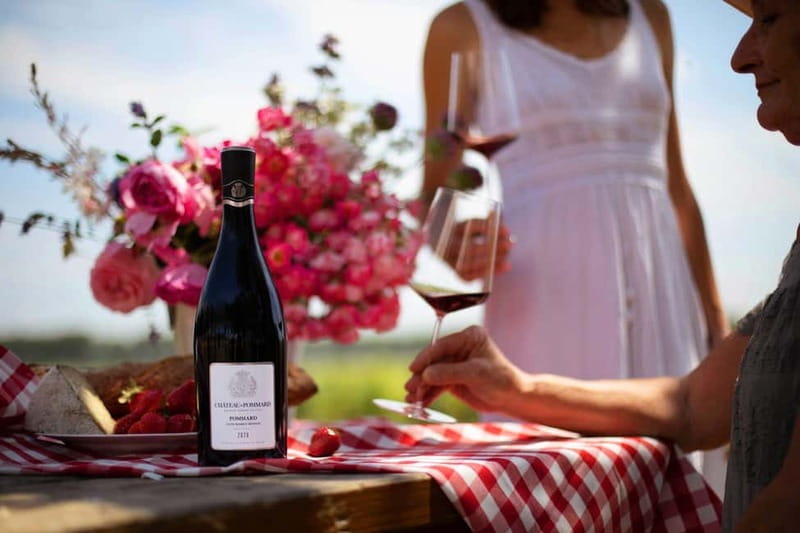
Four wines is a sensible number for a one-hour session. It gives you enough contrast to notice differences without turning the tasting into a race against the clock. You will taste wines from both Château de Pommard and Famille Carabello-Baum, which broadens the comparison beyond a single bottle or label.
The value lies in paying attention to the explanation between pours. Try to connect each wine with the points the guide makes about place, soil, vineyard conditions, and classification. Burgundy is easier to understand when you treat the tasting as a comparison rather than four separate drinks.
You should also feel free to ask direct questions. If a term sounds vague, ask the guide to link it to the wine in your glass. The smaller format is most useful when you take advantage of it.
The experience is not presented as a formal sommelier course, and the information provided does not promise food pairings or a meal. It is a guided wine tasting with regional education. If you want a broad introduction before visiting other wineries in Burgundy, it offers a practical starting point.
Clos Marey-Monge and the role of terroir
The Clos Marey-Monge vineyard is the visual and educational center of the visit. You learn how natural factors can affect a wine’s taste, style, and ability to age. That may sound technical, but it becomes more useful when you connect the terms to a real vineyard beside the château.
The grounds also help make the session feel like a place-based experience. You are not simply seated in an anonymous tasting bar. You have access to the French Gardens, and the château and vineyard provide the setting for the lesson.
Still, keep your expectations in check. The experience does not promise a detailed outdoor walk through every soil type, vine row, or vineyard section. One person specifically wished the guide had gone outside to discuss the soil and grapes. If that is your main interest, ask questions during the tasting and confirm what your selected option includes.
There is also no promise of a full tour of the château itself. A past participant wanted more than one room and hoped for a cellar or winemaking-area visit. That is a fair criticism under normal conditions, but the current renovation makes the limitation clear.
A few more castle visits around France worth a look
- Nice : Wine Tasting at a Historic Château in a Land Rover !
★ 4.9 · 156 reviews - Half day tour Saint-Emilion : Village & Château with wine tasting
★ 4.5 · 114 reviews - Paris: Loire Valley Chambord Castle, Wine Tasting & Lunch
★ 4.7 · 69 reviews - Château de Luc: Unique visit and wine tasting
★ 4.7 · 55 reviews
The château renovation changes the experience
Château de Pommard is nearly three centuries old, and the property is undergoing a major restoration and expansion project. The goal is to prepare the estate for the next three hundred years, but the short-term result is that the cellars cannot be visited.
This is the single most important booking detail. If you picture old stone rooms, barrels, production equipment, and a classic cellar walk, you will need to wait for a future visit. The winery is also not included at present.
That does not make the tasting pointless. It simply shifts the focus. You are paying for four wines, a guided explanation of Burgundy, access to the gardens, and the setting around Clos Marey-Monge. You are not paying for a full working-winery tour.
The property remains committed to giving visitors an educational tasting during the work. Based on the available comments, the quality of the guide has a strong effect on how satisfying the hour feels. A patient host can make a room-based tasting engaging. A rushed presentation would make the missing cellar more noticeable.
The French Gardens are worth allowing extra time for
Free access to the French Gardens is included, which adds value to a short appointment. The garden gives you somewhere to walk before or after the tasting and lets you see more of the château grounds without paying another admission.
One person noted a pleasant garden beside the parking area, and another recommended seeing the horses after the tasting. The available information does not promise a formal horse visit or a scheduled garden tour, so treat these as optional extras rather than fixed parts of the program.
The grounds are also useful for arriving early and getting your bearings. Since the meeting point may vary by booking option, leave enough time to find the correct location. Avoid high heels, as recommended by the château. Practical shoes will suit the garden and vineyard setting better.
Is $35 a fair price?
At $35 per person, the price is reasonable for Burgundy if you want a structured tasting rather than a quick pour at a shop. You receive four wines, an hour of instruction, access to the French Gardens, and a small-group format limited to eight people.
The value is strongest for first-time Burgundy drinkers. You are not only sampling wine. You are learning the basic system that helps you understand future bottles, menus, and winery visits in the region.
The price feels less attractive if your priority is production access. The cellar and winery are closed, and there is no detailed château tour included. In that case, you may prefer to wait until renovation work is complete or choose an experience that specifically includes cellar access.
The cancellation terms reduce the risk of booking ahead. You can cancel up to 24 hours before the activity for a full refund, and you can reserve now and pay later. Those terms are useful in Burgundy, where your day may change depending on weather, transport, or another appointment.
Group size, guides, and the feel of the hour
A maximum of eight people is one of the strongest features here. A small group makes it easier to hear the guide, compare impressions, and ask questions without holding up a bus-sized crowd.
The guide can make the difference between a pleasant tasting and a memorable one. Alex has been praised for detailed explanations and a friendly manner. Manon was described as a strong host, and Pierre gave attentive service during a quiet period. Another host answered questions warmly during a first Burgundy experience.
The praise is consistent on one point: the staff are generally kind, prepared, and willing to help. One family even found the guide patient with two dogs. That suggests a relaxed tone, though you should still confirm current pet rules if bringing an animal.
There has been an occasional timing problem. One person reported that the guide arrived late, although the session ran longer to make up for it. That was appreciated, but it still shows why you should avoid scheduling a tight connection immediately afterward.
Who should book this tasting?
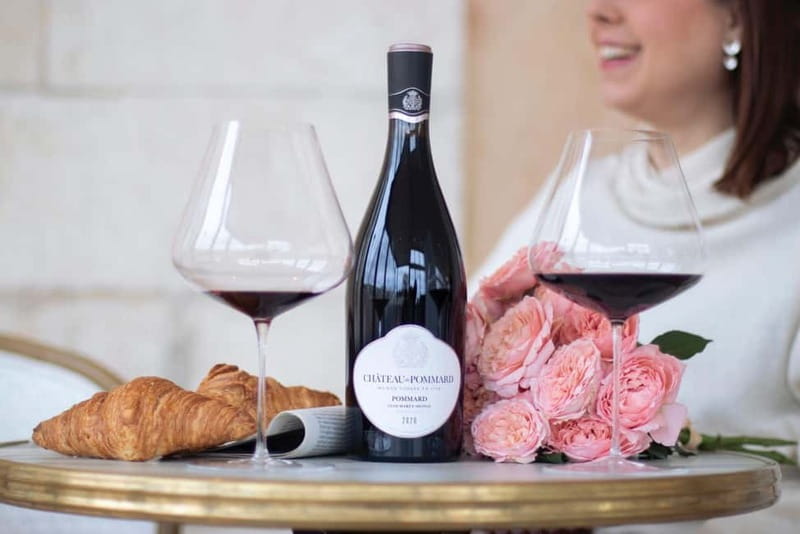
I would recommend it to you if you are new to Burgundy, want an hour-long activity between other Beaune plans, or prefer a small group to a large winery tour. It also suits people who care about the connection between vineyard conditions and wine character.
It works well for couples, curious beginners, and wine drinkers who want a clear regional primer. The gardens add something for companions who may not want a highly technical tasting.
You may want to skip it if you have already studied Burgundy in depth and mainly want to see production facilities. The lack of cellar and winery access is not a minor footnote for serious wine tourists. It is the central limitation.
Wheelchair users should also note that this experience is not suitable for them. High heels are discouraged, and comfortable shoes are the sensible choice for the grounds.
My booking advice
Book this Château de Pommard tasting if you want four wines, a useful explanation of Burgundy, and a friendly small-group setting for $35. Leave time for the French Gardens, ask the guide to connect soil and classification to the wines in front of you, and do not plan on visiting the cellar.
I would especially choose it as a first Burgundy tasting in Beaune. For an experienced wine enthusiast seeking barrels, production rooms, or a full château tour, wait until the renovation is finished or select a different activity. For everyone else, this is a focused and fairly priced introduction with a beautiful setting and guides who generally make the hour count.
FAQ
How long does the Château de Pommard wine tasting last?
The tasting lasts one hour. Starting times depend on availability when you book.
How many wines are included?
You taste four wines from Château de Pommard and Famille Carabello-Baum.
What will I learn during the tasting?
The presentation covers the history of Burgundy, its five subregions, Burgundy’s classifications, and the natural factors that affect the taste, style, and ageability of wines from Clos Marey-Monge.
Can I visit the cellars?
No. The Château de Pommard cellars cannot currently be visited because of renovation work.
Is the winery included?
No. A visit to the cellar and winery is not included at this time.
Is access to the French Gardens included?
Yes. Free access to the French Gardens is included with the wine tasting.
What languages are available?
The activity is offered in English and French.
How large is the group?
The group is limited to eight participants.
Is the tasting suitable for wheelchair users?
No. The activity is not suitable for wheelchair users. High-heeled shoes are also discouraged.
Just added around France
- Carcassonne: Secrets of the Castle’s Defense Self-Guided Tour★ 4.5 · 8 reviews
- Complete Private Tour City and Castle of Carcassonne★ 5.0 · 12 reviews
- Saint Emilion Castle and Village Wine Tour★ 4.5 · 23 reviews
- Château de Fieuzal, Pessac-Léognan: Visit and Tasting★ 5.0 · 18 reviews
- Wine Tour of Mèdoc : Châteaux, Tastings and WSET Guide★ 5.0 · 21 reviews
- Full-day Saint-Emilion: Village, Undergrounds and Châteaux★ 4.5 · 55 reviews
- Private Wine Lovers – Super St Emilion – behind the scenes visits top chateaux and medieval town★ 5.0 · 25 reviews
- Bordeaux Médoc Region Private Wine Lovers Tour with Chateau Visits & Tastings★ 5.0 · 40 reviews
Food & Drink, compared.
Loire Valley Castles Day Trip With Wine Tasting
Read our review →
Montalcino: Brunello Wine Tasting & Lunch in a Tuscan Castle
Read our review →
Lake Garda: Historic Castle Cruise with Wine Tasting
Read our review →
Valpolicella: Amarone Chateau Guided Tour and Wine Tasting
Read our review →
Wine Tasting at a Historic Château in a Land Rover !
Read our review →
Half day tour Saint-Emilion : Village & Château with wine tasting
Read our review →Browse the lists this tour appears in