
Review · FRANCE
Château de Luc: Unique visit and wine tasting
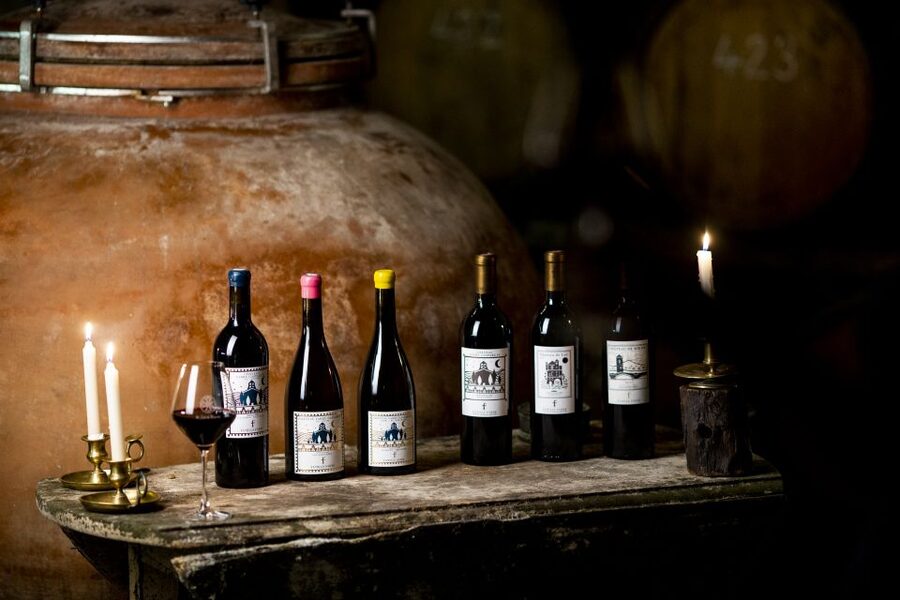
Ancient cellars make wine history tangible. Château de Luc combines a 14th-century underground cellar with a family-run winery, giving you more than a standard tasting room stop. I like the clear connection between the building, the Fabre family story, and the wider wine culture of the Midi. I also like the chance to taste three to six organic wines across several Languedoc appellations for just $15.
The main caution is that this is a history-led visit, not a long technical winery tour. One visitor found the visit too short and disliked the wines, while most praised the warm welcome, clear explanations, and personal touch. You should also allow extra time to find the visitor area, since directions may not be obvious.
Key points to know before you go
- A cellar from the 14th century: The tour takes you beneath the old home into a genuinely old underground wine space, a highlight for anyone who likes architecture and local history.
- A family-run estate: The Fabre family remains closely involved, and guides such as Jeanne explain the property with personal warmth and pride.
- Organic wines from several areas: Tastings can include wines labeled IGP Pays d’Oc, AOC Languedoc, Corbières, and Minervois.
- The story of the Midi wine trade: The visit covers the prosperous 19th-century period and the major wine revolt of 1907.
- Good value at $15: You receive a guided visit, a tasting of three to six wines, and free admission for children under legal drinking age.
- Three languages: Tours are offered in French, English, and Spanish, but the château is not suitable for wheelchair users.
Why Château de Luc is more than a wine tasting
Many winery visits follow a familiar pattern: look at a few tanks, hear a quick explanation, taste several glasses, and browse the shop. Château de Luc takes a different route. The wine matters, but so does the place where the wine is made and the long story behind it.
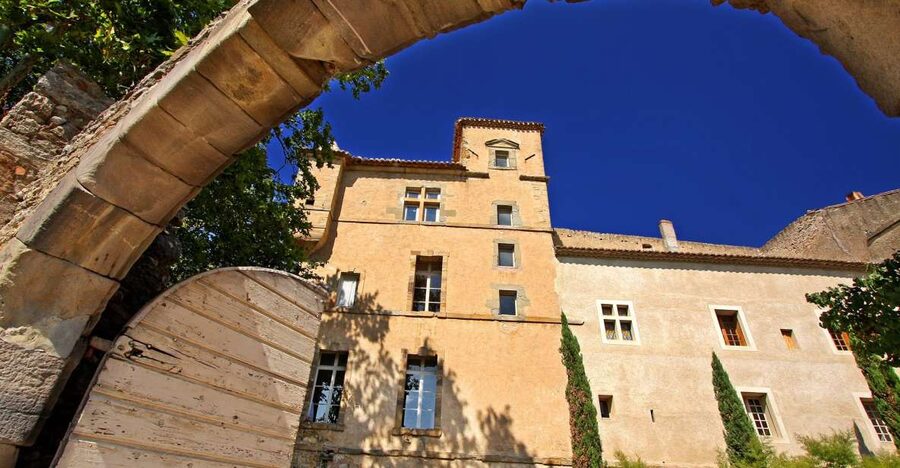
The visit moves through the historic rooms of the château before reaching the cellar below. That change in setting gives the experience its character. You begin with the family and the building, then move underground into the practical world of storage and aging, and finish with wines in an old stable converted into a tasting room.
I like this order because it gives the tasting some context. A bottle of Corbières or Minervois is not treated as an isolated product. You first hear about the people, property, and wine-growing tradition that shaped it.
The experience is particularly useful if you are visiting southern France and want a local activity that does not depend on a grand estate or a famous international label. Château de Luc presents wine as part of daily regional life, family work, and social history.
More Wine Tours in France:
- Loire Valley Castles Day Trip from Paris with Complementary Wine
★ 4.5 · 3,907 reviews - From Paris: Loire Valley Castles Day Trip With Wine Tasting
★ 4.6 · 1,727 reviews - Loire Valley Wine and Castles Small-Group Day Trip from Paris
★ 5.0 · 613 reviews
Entering the château and meeting the Fabre family story
The first part of the visit takes place in the château’s historic rooms. The exact route can vary, but the purpose is clear: you are introduced to the property through its past before moving into the winery itself.
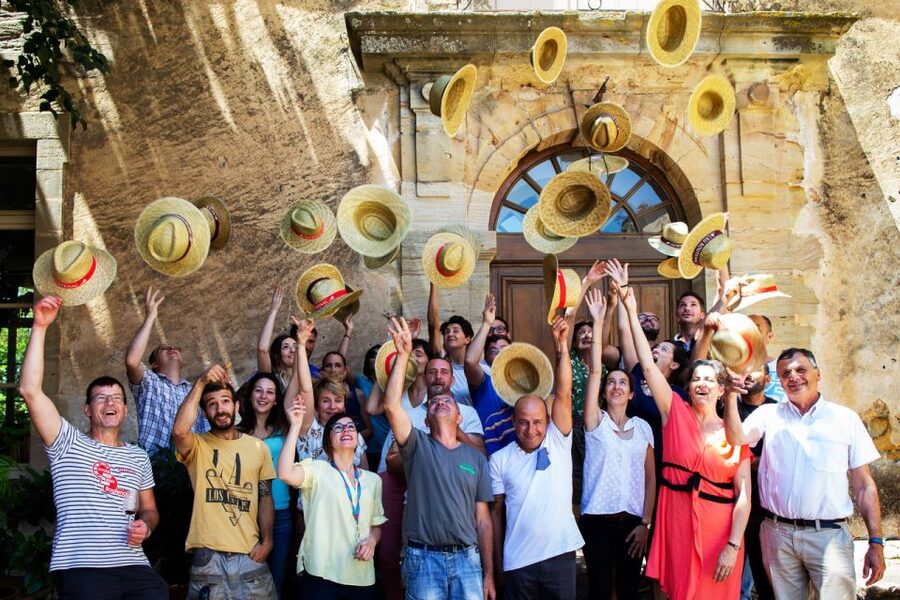
The family connection is important here. This is not a detached museum with a recorded presentation. The Fabre family runs the estate, and the guides speak about the property as a living business. That personal link is one reason the visit feels more direct than a large commercial winery tour.
Jeanne has received especially warm praise for her friendly, straightforward style and her ability to explain both the château and the wines without making the subject feel stiff. You might receive the tour from another member of the team, but the guiding style appears to be personal and welcoming.
Expect the historical section to cover the family’s place in the region and the way wine production developed around the estate. If you are interested in old buildings, family businesses, or the connection between food and local identity, this opening section gives the tasting a stronger foundation.
The tradeoff is pace. This is not an all-day examination of every room in the property. The supplied duration is listed as one day for booking purposes, but the actual guided visit length is not specified. One dissatisfied visitor felt the tour was short and lacked interest, so you should not book it expecting a full-day winery seminar.
Going underground into the 14th-century cellar
The underground cellar is the visit’s most distinctive feature. You go beneath the old home into a cellar dating from the 14th century, where the architecture helps explain how wine was stored before modern winery equipment.
The cellar also gives you a physical link to the area’s long wine tradition. Instead of simply hearing that the château has been producing wine for generations, you see the old working space connected to that history.
One visitor described seeing aging barrels beneath the old home. That detail matters because it shows the cellar is not merely preserved as a decorative room. It remains tied to the estate’s wine-making story.
You may find the cellar especially appealing if you enjoy old stone interiors, traditional production spaces, and places where the building itself tells part of the story. It is also a good contrast to the polished tasting portion that follows.
Practical note: underground historic spaces can involve uneven access or steps, and the activity is specifically listed as unsuitable for wheelchair users. If mobility is a concern, ask the provider before booking rather than assuming the route will be accessible.
The epic of the Midi wine region
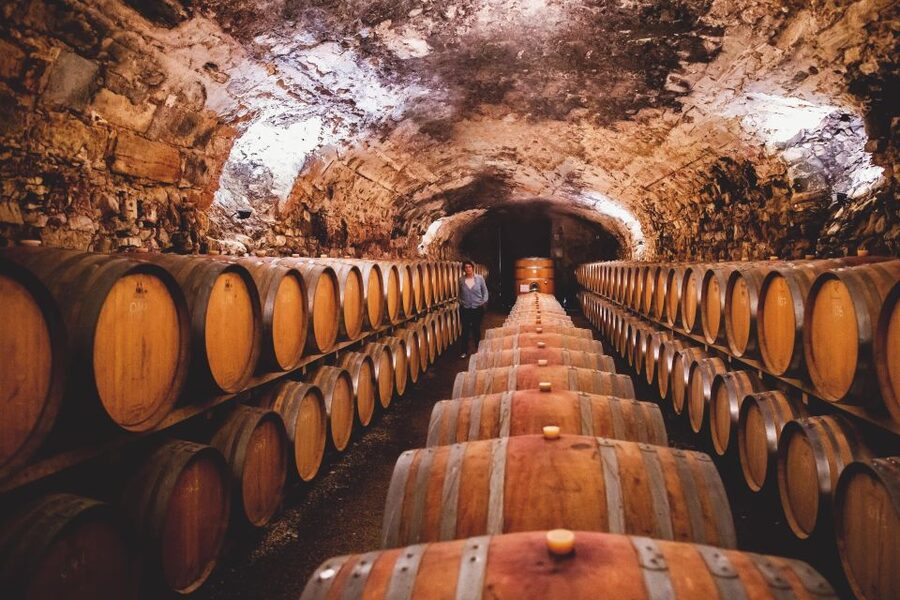
The historical heart of the tour is the story of wine in the Midi, the traditional name for southern France. The guide places Château de Luc within the wider growth of Languedoc wine production, including the prosperous 19th-century period often called the Golden Age.
That success did not last without conflict. The visit also covers the great wine revolt of 1907, when wine growers in southern France protested economic hardship and problems affecting the wine trade. This gives you a useful reminder that wine history is not only about elegant bottles and old cellars. It also involves prices, labor, harvests, markets, and political pressure.
I appreciate this part because it gives a human scale to the region’s vineyards. You are not just learning grape names. You are hearing how wine shaped communities and how changes in the market affected ordinary producers.
The story can also help you understand why Languedoc wine culture has such a strong regional identity. The area has long produced large quantities of wine, and its modern appellations reflect a broad mix of places, grapes, and production styles.
Do not expect a university lecture or a detailed political history of 1907. The information is presented as part of a guided château visit, with an emphasis on making the story understandable and connected to the estate. That is likely a strength for casual wine drinkers, though serious students of French wine may want more technical depth.
A few more castle visits around France worth a look
- Beaune: Wine Tasting at Château de Pommard
★ 4.6 · 353 reviews - Nice : Wine Tasting at a Historic Château in a Land Rover !
★ 4.9 · 156 reviews - Half day tour Saint-Emilion : Village & Château with wine tasting
★ 4.5 · 114 reviews - Paris: Loire Valley Chambord Castle, Wine Tasting & Lunch
★ 4.7 · 69 reviews
Tasting organic wines in the old stable
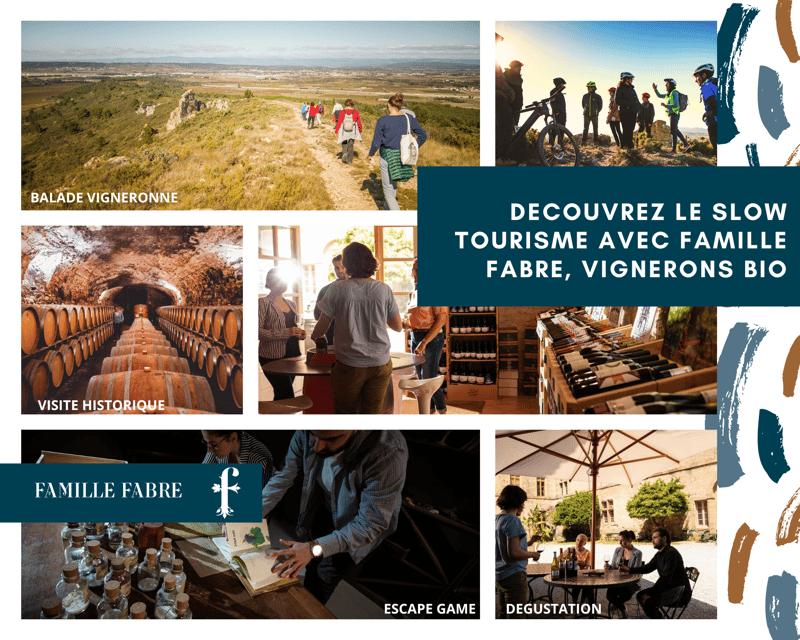
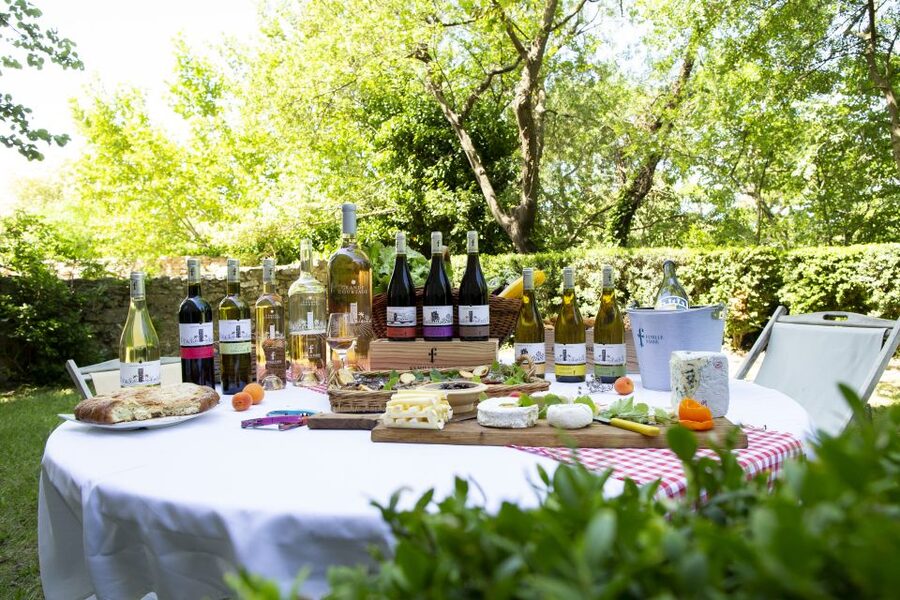
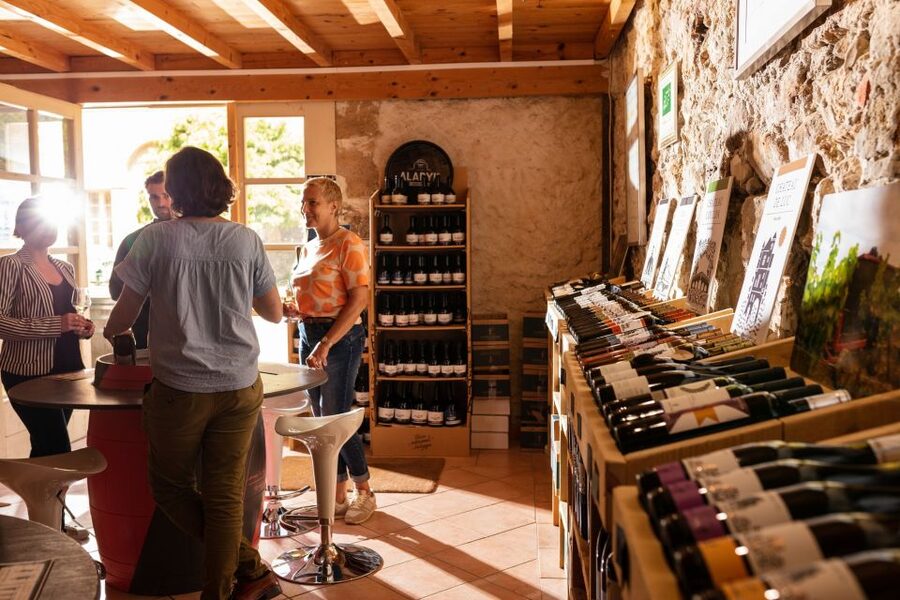
The final stop is the tasting cellar, set in an old stable. This is a fitting place to finish: informal, practical, and tied to the working life of the property.
You can taste a selection of three to six organic wines. The range may include:
- IGP Pays d’Oc
- AOC Languedoc
- Corbières
- Minervois
That spread is useful because it allows you to compare wines with different regional designations rather than tasting a single estate style. You also have the chance to ask about vineyard management and wine-making, which can make the tasting more informative than a simple pour-and-buy stop.
The wines are produced by the estate, and the selection can be broad. One visitor described tasting several different bottles, finding two especially appealing, and buying them at reasonable prices. That suggests the tasting works well for people who want to discover a bottle to take home without paying luxury-estate prices.
The tasting is also where opinions may vary most. Most available ratings are very positive, and the overall score is 4.7 out of 5 from 55 ratings. Still, one person found the wines low in quality and felt the visit did not offer enough. Wine is personal, and a good match for one palate may not work for another.
I would treat the tasting as an opportunity to compare rather than a promise that every wine will suit you. Tell the guide what styles you normally enjoy, ask questions, and use the tasting to decide for yourself. The organic approach may appeal to you, but organic certification alone does not determine flavor.
What the $15 price really buys you
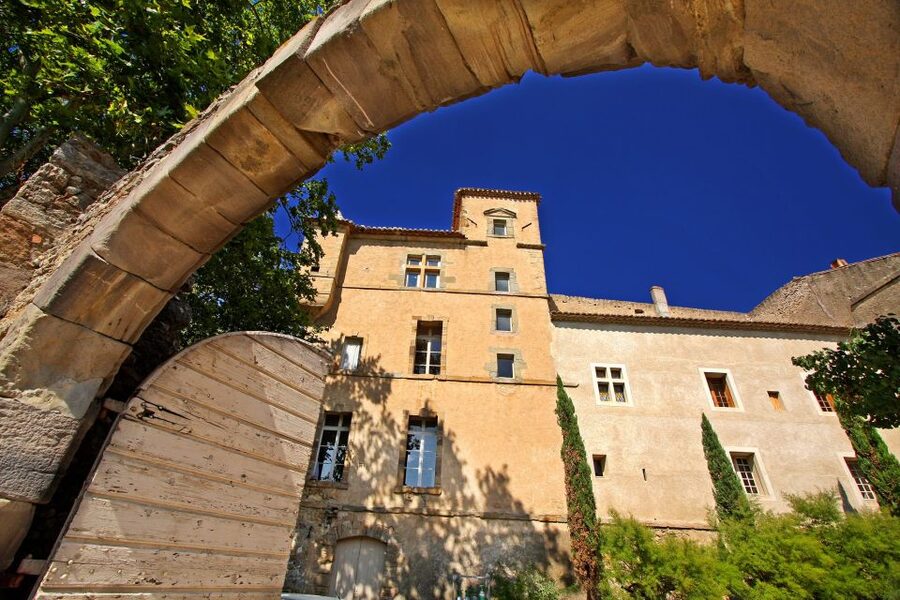
At $15 per person, this is a strong-value activity if you want both culture and wine. The fee includes a guided visit in French, English, or Spanish, plus three to six organic wines. Children under legal drinking age can join free, making it easier for families to include the château in a day out.
The value is not based on the amount of wine alone. You are paying for access to a family property, the historic rooms, the 14th-century cellar, a regional history lesson, and a hosted tasting. If you visited only for drinks, you might find other options. If you want the full setting and story, the price is modest.
The experience may also become more valuable if you are staying in the area and can combine it with other local sights. The guides are happy to answer questions about nearby places worth visiting, so the stop can help you plan the rest of your day.
Do keep your expectations aligned with the cost. This is an accessible introduction to the estate, not an extended private wine course. The visit may feel especially worthwhile when the group is small. One visitor happened to be the only person booked that day and received a private tour from a member of the family. That kind of personal attention may occur when demand is light, but it should not be assumed.
Languages, timing, and practical details
Tours are available in French, English, and Spanish. If you need one language in particular, check the available starting time when you book.
The activity is valid for one day, with starting times based on availability. Since the exact tour length is not provided, leave some flexibility around the appointment rather than scheduling a tight connection afterward.
The provider offers free cancellation up to 24 hours before the scheduled experience, and you can reserve now and pay later. Those terms are useful if your southern France plans are still shifting.
Finding the visitor area may require care. A visitor specifically wished for better directions, so read the meeting information closely and allow extra time. This is one of those small details that can affect an otherwise pleasant outing.
The château is not suitable for wheelchair users. The available information does not provide a full step-by-step accessibility description, so anyone with limited mobility should contact the provider before reserving.
Who will enjoy this visit most
I would recommend Château de Luc to you if you like old buildings, regional stories, and wine presented in a personal setting. It is also a good choice if you want to learn about Languedoc wine without committing to an expensive private tasting.
It suits:
- Couples seeking a relaxed cultural stop
- Families who want a child-friendly activity, with free admission for under-age children
- Wine drinkers interested in organic production
- Visitors who enjoy local history alongside food and drink
- English- or Spanish-speaking visitors who want a guided experience
- Anyone looking for affordable wines from several Languedoc areas
You may want to skip it if your main goal is a long, technical explanation of grape growing, fermentation, or cellar equipment. It may also disappoint you if you expect every wine to match your taste or if you need step-free access.
Should you book Château de Luc?
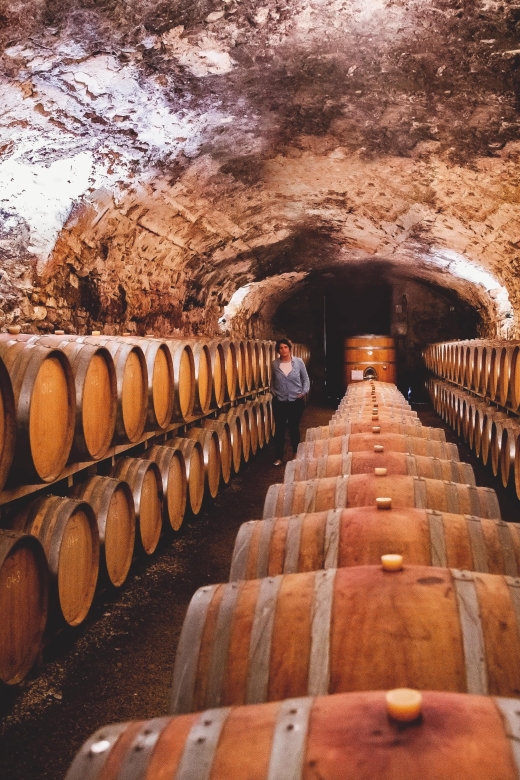
Book it if you want a small-scale, family-led introduction to Languedoc wine with a memorable cellar and a useful dose of regional history. The combination of historic rooms, a 14th-century underground space, the 1907 wine revolt, and a three-to-six-wine tasting gives the $15 price real value.
I would be especially happy to recommend it to someone who sees wine as part of culture rather than simply a drink. Just allow time to find the entrance, keep your expectations moderate about the visit length, and remember that taste is subjective.
If those points suit your plans, Château de Luc offers an affordable and distinctive stop in southern France.
FAQ
How much does the Château de Luc visit cost?
The experience costs $15 per person.
What does the price include?
It includes a guided visit and a tasting of three to six organic wines.
Which languages are available?
The tour is offered in French, English, and Spanish.
What wines can I taste?
The selection can include organic wines from IGP Pays d’Oc, AOC Languedoc, Corbières, and Minervois.
Can children join the visit?
Yes. The visit is free for children under legal drinking age.
What historic feature does the tour include?
The tour visits an underground cellar dating from the 14th century.
Is the experience suitable for wheelchair users?
No. The activity is listed as unsuitable for wheelchair users.
Can I cancel the booking?
Yes. You can cancel up to 24 hours in advance for a full refund. You can also reserve and pay later.
Just added around France
- Carcassonne: Secrets of the Castle’s Defense Self-Guided Tour★ 4.5 · 8 reviews
- Complete Private Tour City and Castle of Carcassonne★ 5.0 · 12 reviews
- Saint Emilion Castle and Village Wine Tour★ 4.5 · 23 reviews
- Château de Fieuzal, Pessac-Léognan: Visit and Tasting★ 5.0 · 18 reviews
- Wine Tour of Mèdoc : Châteaux, Tastings and WSET Guide★ 5.0 · 21 reviews
- Full-day Saint-Emilion: Village, Undergrounds and Châteaux★ 4.5 · 55 reviews
- Private Wine Lovers – Super St Emilion – behind the scenes visits top chateaux and medieval town★ 5.0 · 25 reviews
- Bordeaux Médoc Region Private Wine Lovers Tour with Chateau Visits & Tastings★ 5.0 · 40 reviews
Food & Drink, compared.
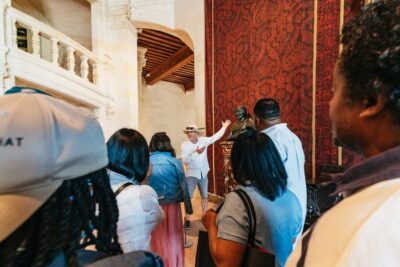
Loire Valley Castles Day Trip With Wine Tasting
Read our review →
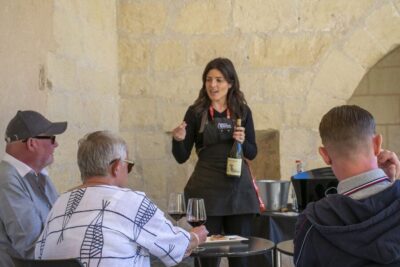
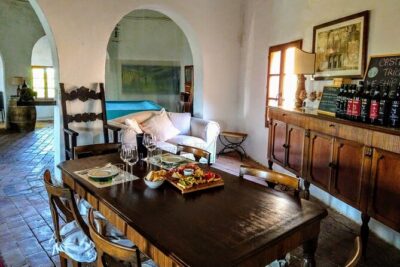
Montalcino: Brunello Wine Tasting & Lunch in a Tuscan Castle
Read our review →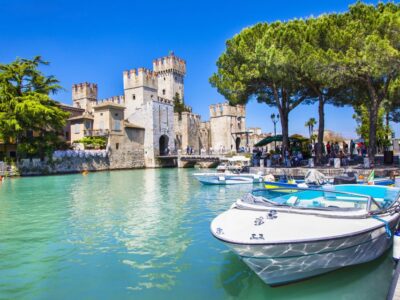
Lake Garda: Historic Castle Cruise with Wine Tasting
Read our review →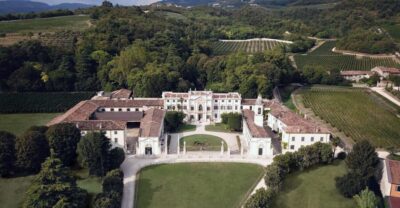
Valpolicella: Amarone Chateau Guided Tour and Wine Tasting
Read our review →
Wine Tasting at a Historic Château in a Land Rover !
Read our review →
Browse the lists this tour appears in