
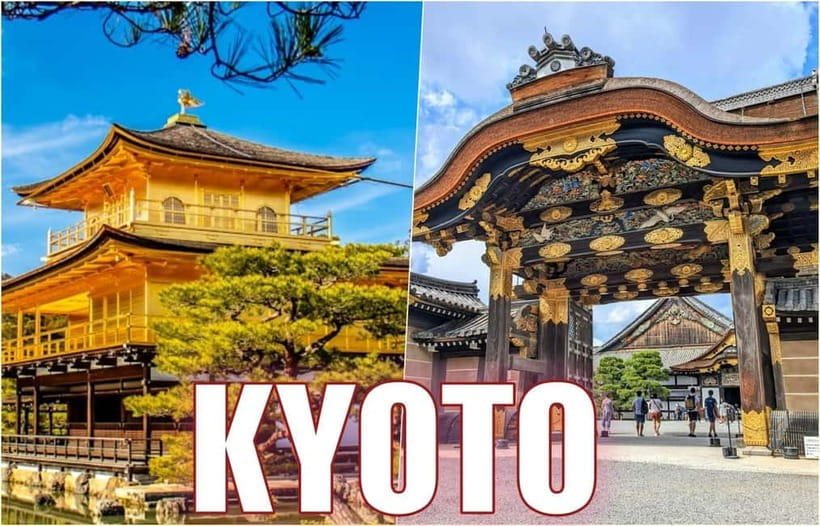
Review · KYOTO
Golden Pavilion, Nijo Castle, & Nishiki Market Half day tour
Kyoto’s big three fit into one brisk morning. This private four-hour tour pairs Kinkaku-ji’s golden reflection with Nijo Castle’s samurai-era rooms and a finish at Nishiki Market, where you can choose lunch for yourself. I especially like the clear historical thread, from Ashikaga Yoshimitsu to the shogun and samurai, and Roberto’s use of an iPad with his own images and explanations. The main drawback is the pace: three major stops, buses, trains, and walking leave little room to linger.
The meeting point at Kyoto Station is easy to find, and the tour ends in a useful place rather than sending you back to the station. Nishiki Market is a practical finale, since you can eat immediately afterward and ask Roberto for ideas for the rest of your Kyoto stay. You should also budget separately for both temple admissions, local transport, and food.
Key points at a glance
- A private four-hour route: Start at Kyoto Station at 8:30 a.m. and finish at Nishiki Market around 12:30 p.m.
- Two UNESCO-listed sights: See Kinkaku-ji and Nijo Castle, with guided visits of about 90 minutes each.
- Roberto’s visual explanations: The iPad helps connect names, dates, architecture, and political events.
- A useful historical sequence: Learn about Ashikaga Yoshimitsu, the Edo Period, the shogun, samurai power, and Japan’s move toward modernization.
- Lunch freedom at Nishiki: The tour ends at the market entrance, leaving you to choose among its many food stalls and shops.
- Spanish or English service: The private group format allows the guide to adjust explanations and offer ideas for later days.
What this Kyoto morning is really designed to do
This is not a slow temple walk. It is a high-information orientation tour that gives you a foundation for the rest of Kyoto. You move from a famous Zen temple to a military ruler’s castle, then to a food market that explains daily life in a more direct way.
That combination is useful because each stop feels different. Kinkaku-ji is about visual impact, religious tradition, and the power of a shogun who built a lavish villa. Nijo Castle is about political control, architecture, and the decline of samurai rule. Nishiki Market shifts the focus to food, shopping, and the living city.
Roberto is a Kyoto City Certified Tourist Guide, and the tour is offered in English or Spanish. His iPad is a practical touch. At crowded historical sites, a name or date can vanish quickly unless you can see an image while listening. The visual material is intended to make the explanations easier to follow, especially when several Japanese leaders or periods enter the story at once.
The private format also matters. You can ask why a building looks a certain way, request recommendations for later in your trip, or ask Roberto to take photographs of you. The experience has received a perfect five-star rating across 29 listed ratings, with particularly strong praise for Roberto’s friendly attention, historical explanations, and willingness to make a short video for participants.
More Castle Day Trips in Japan
- From Osaka: Himeji Castle, Arima Onsen & Mt. Rokko Day Tour
★ 4.6 · 339 reviews - 1-Day Tour from Nagano and Matsumoto Kamikochi & Matsumoto Castle
★ 5.0 · 105 reviews - Full-Day Tour: Matsumoto Castle & Kamikochi Alpine Valley
★ 4.8 · 78 reviews
Meeting Roberto at Kyoto Station
The tour begins at 8:30 a.m. in front of the 7-Eleven at the JR Kyoto Station building, on the first floor. Use the Kyoto Tower side exit. Roberto identifies himself with an iPad and a red card marked RBRT.
That precise meeting point is helpful in a station as large as Kyoto Station. Arrive with enough time to find the correct exit rather than trying to locate the convenience store at the last second. The early start also works in your favor. Kinkaku-ji is one of Kyoto’s most sought-after sights, so arriving earlier in the day can make the first visit more manageable, although the tour does not promise a quiet or empty temple.
From the station, the group uses a public bus for about 35 minutes. Your own transportation costs are not included, so keep money or a suitable payment method ready for the bus and later subway journeys. Roberto’s transportation and admission fees are covered, but you pay your own fares.
Kinkaku-ji and the famous golden reflection
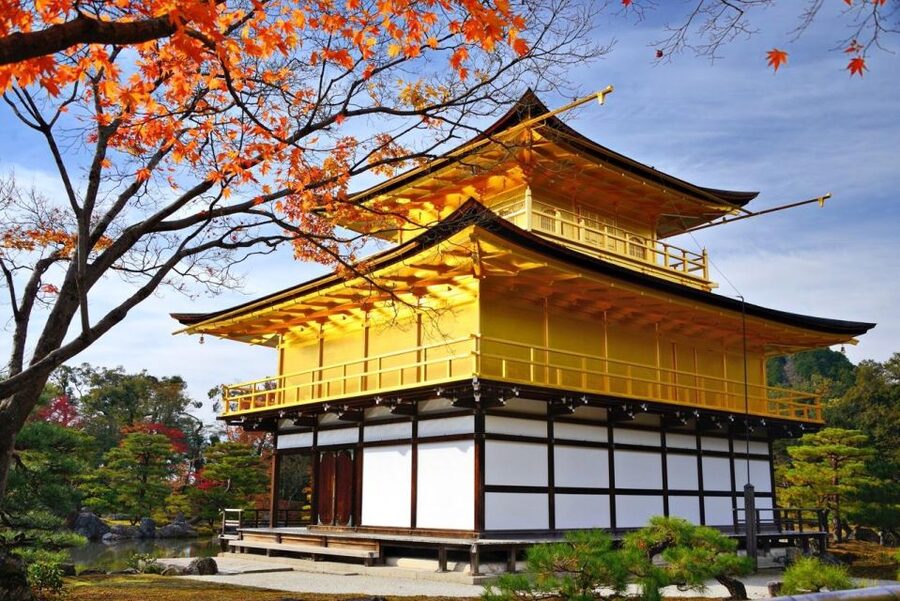
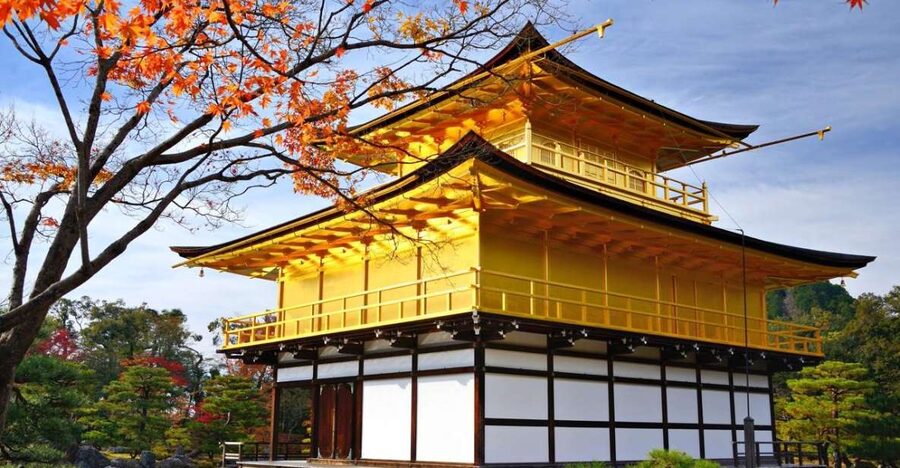
Your first major stop is Kinkaku-ji, better known as the Golden Pavilion. The temple is in northwest Kyoto and is listed as a UNESCO World Cultural Heritage site. The top two floors are covered with real gold leaf, which gives the pavilion its famous appearance when it reflects in the pond.
The building began as a villa for Ashikaga Yoshimitsu, the 14th-century shogun. That origin gives the sight more weight than a simple photo stop. The gold signaled wealth, authority, and religious devotion, and Roberto uses the visit to explain how political power and religious life overlapped in medieval Japan.
You have about 90 minutes here, including the guided explanation. That is enough time to take in the pavilion, follow the temple grounds, and photograph the view, but it is not an invitation to wander every path at leisure. The point is to understand why this small-looking building became one of Japan’s most recognizable symbols.
The entrance fee is 500 yen, approximately $3.10 according to the supplied pricing. It is not included in the $90 tour price. Kinkaku-ji is the kind of place where the setting matters as much as the structure, so your best photographs will usually include the water and surrounding grounds rather than only a close view of the pavilion.
There are restrictions on photography inside temple areas. Follow the posted rules and Roberto’s instructions. Also remember that this is a walking visit, with some steps and uneven surfaces possible. The tour does not involve mountain climbing or extremely long stairways, but you should be comfortable walking for much of the morning.
Nijo Castle and the sound of the floorboards
After Kinkaku-ji, the route changes from temple beauty to political theater. A subway journey of about 20 minutes brings you to Nijo Castle, another UNESCO World Cultural Heritage site. The castle visit lasts around 95 minutes, making it the longest guided stop of the morning.
Nijo Castle is closely linked with the shogun, the military ruler who controlled Japan through powerful feudal lords and samurai. Roberto explains the struggles behind that system, including how the shogun held authority and how the samurai era eventually ended as Japan began to modernize.
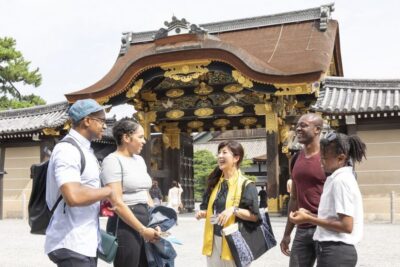
The architecture gives those events a physical setting. You can see Edo Period woodwork and detailed decorative designs, then walk across the famous nightingale floors. These floorboards chirp or squeak underfoot, creating an early warning system against unwanted intruders. It is a small feature, but it makes the castle’s security concerns easy to understand. The building was not only ceremonial. It was also designed around power, access, and control.
The castle admission is 1,300 yen, approximately $8.15 based on the supplied price. That cost is separate from the tour price, as are your transportation fares. When you add both entrance fees, you are paying about 1,800 yen, or roughly $11.25, before transit and lunch.
This is where the guide adds real value. Without context, Nijo Castle can become a succession of decorated rooms and polished floors. With an explanation of the shogun, feudal lords, samurai, and modernization, the rooms become part of a political story. The tour’s historical focus also prevents the morning from becoming only a collection of famous photographs.
More Japanese Castle Tours in Japan:
- Osaka Castle: Museum and Tower Entry Ticket
★ 4.5 · 2,380 reviews - Kyoto: Nijo-jo Castle and Ninomaru Palace Guided Tour
★ 4.7 · 1,020 reviews - Kyoto: Nijo Castle, Kiyomizu & Fushimi Inari Guided Tour
★ 4.7 · 700 reviews - Osaka Castle Walking Tour and Castle Tower Admission
★ 5.0 · 561 reviews
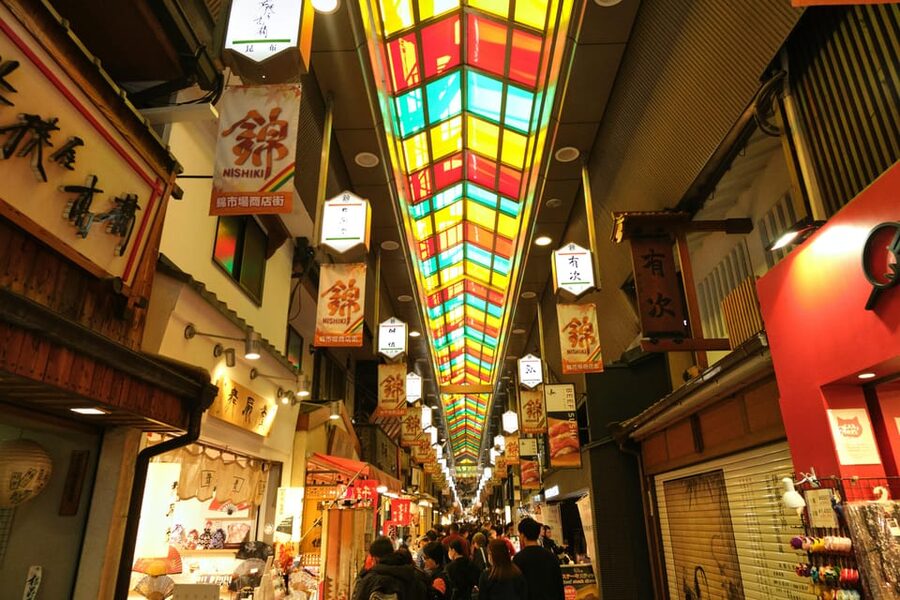
Nishiki Market, Kyoto’s food-centered finish
From Nijo Castle, you take another subway ride of about 15 minutes, followed by a 10-minute walk to Nishiki Market. The tour ends at the market entrance around 12:30 p.m.
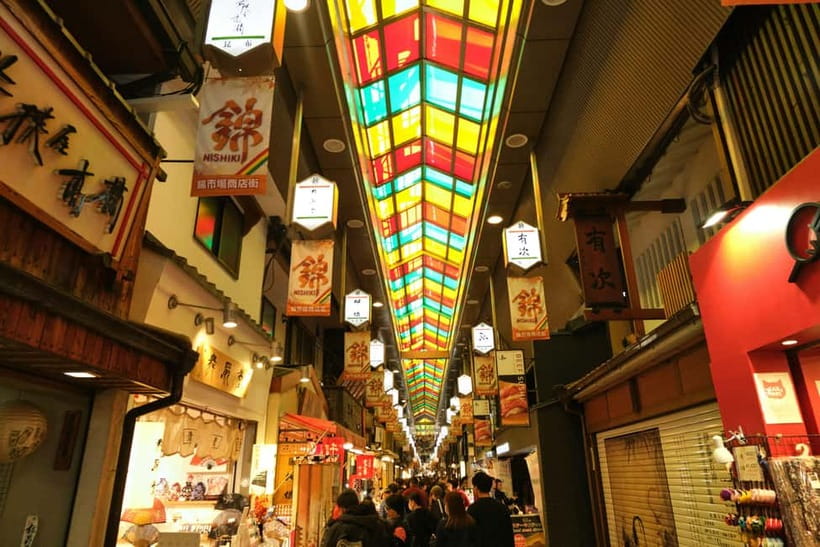
Nishiki Market is a narrow, five-block shopping street often called Kyoto’s Kitchen. More than 100 shops and restaurants sell food-related goods, including seafood, produce, knives, cookware, and prepared items. The atmosphere can feel lively and crowded, so this is not the place for a quiet final lecture. It is better viewed as a chance to see Kyoto’s culinary side and decide what you want for lunch.
Roberto explains the market’s origins before leaving you to explore. That arrangement is sensible. You are not locked into a preset meal or rushed through a tasting menu. You can choose what appeals to you from the many offers, then continue exploring on your own.
Ending here is one of the tour’s strongest practical choices. You finish near food, shopping, and central Kyoto rather than having to retrace your route to the station. Roberto can also recommend places for the coming days, which is useful if this is your first morning in the city and you still need help shaping your plans.
Allow extra patience in the market. Narrow walkways and many shops mean the experience can become hectic, especially at busy times. Keep your belongings close, follow any posted rules about eating while walking, and treat the market as a place to look carefully rather than simply rush from stall to stall.
How much value do you get for $90?
The advertised price is $90 per person. That is not the full morning cost because you also pay 500 yen for Kinkaku-ji, 1,300 yen for Nijo Castle, your public transportation, and lunch.
The value depends on how you normally tour. If you only want transportation between sights, the price may feel high because you still pay your own fares. If you want someone to explain the political and cultural links between the sites, the calculation looks better. You receive a private group experience, a certified Kyoto City guide, bilingual service in English or Spanish, visual explanations on an iPad, help with photographs, and personal recommendations.
A self-guided visit can cover the same three locations for less. It may also take longer, since you will need to work out the route, understand the signs, and decide how much attention to give each place. This tour’s value is in reducing that planning work and turning separate attractions into one connected story.
The excellent feedback about Roberto focuses on genuine attention, clear insight, and an upbeat manner. Specific praise includes his making a video for a participant and his careful response to questions. Those details suggest a guide who treats the private format as more than simply leading people from gate to gate.
Pace, walking, and practical limits
You need comfortable shoes. The route includes temple and castle grounds, station connections, public buses, subway rides, and a walk to Nishiki Market. It is not an athletic excursion, but it is not a seated sightseeing trip either.
The tour runs rain or shine. Kyoto weather can change your comfort level, so bring suitable protection for the forecast. Baby strollers and luggage or large bags are not allowed, which makes this a poor choice if you are transferring hotels that morning or carrying substantial shopping.
The activity is not suitable for pregnant women, people with back problems, wheelchair users, people with a low level of fitness, or those prone to seasickness. Seasickness is an unusual restriction for a land-based route, but it is part of the published suitability information. The key point is that you should be able to walk and use public transportation without special mobility support.
Photography is restricted in some temple areas. You can ask Roberto to take as many photographs of you as you wish, but that does not override site rules. The tour also does not involve climbing mountains or very long stairways.
Cancellation is free up to 24 hours before the start for a full refund. You can also reserve and pay later, which helps if your Kyoto schedule is still changing.
Who should book this morning?
I would choose this tour for a first visit to Kyoto, especially if you want historical context without committing to a full day. It is also a good match for couples, families with older children, or friends who prefer a private guide and want the option to ask plenty of questions.
It suits you best if you like a clear schedule and want three major experiences before lunch. The private format is especially useful if you want explanations in Spanish, need help with photographs, or would appreciate suggestions for the rest of your stay.
I would think twice if you prefer slow temple visits, long unstructured meals, or time for detailed shopping. The morning covers a lot. Kinkaku-ji and Nijo Castle each deserve attention, but the schedule keeps you moving. Nishiki Market is a stopping point, not a long guided food tour.
Should you book it?
Book this tour if you want a strong Kyoto orientation in four hours, with the added benefit of Roberto’s historical storytelling and personal advice. The route makes sense, the two admission fees are modest, and finishing at Nishiki Market gives you a useful lunch option.
Skip it if you want to explore each site at your own pace or if public transport and walking are difficult for you. For most first-time visitors who value context, private attention, and an efficient morning, the $90 price is reasonable once you understand what it includes and what you still need to pay separately.
FAQ
Where does the tour begin?
It begins at 8:30 a.m. in front of the 7-Eleven at the JR Kyoto Station building, first floor. Use the Kyoto Tower side exit.
How do I identify the guide?
Roberto will hold an iPad and a red card marked RBRT.
How long does the tour last?
The tour lasts about four hours, from 8:30 a.m. to approximately 12:30 p.m.
Which languages are available?
The live guide service is available in English and Spanish.
Is this a private tour?
Yes. The activity is offered for a private group.
Are admission fees included?
No. You pay 500 yen for Kinkaku-ji and 1,300 yen for Nijo Castle. Roberto’s entrance fees are covered.
Are transportation costs included?
Your transportation fees are not included. The route uses a public bus, subway or metro, and walking. You do not need to pay transportation costs for the guide.
Where does the tour finish?
The tour finishes at the entrance of Nishiki Market around 12:30 p.m. Food and drinks are not included, so you can choose your own lunch there.
More Shopping Tours in Japan
- Kruja castle, the old Bazaar & Sarisalltik- Departure from Tirana
★ 5.0 · 592 reviews - The Egyptian Museum, the Citadel, Khan Khalil Bazaar & Old Cairo
★ 5.0 · 418 reviews - Pisac Indian Market and Ollantaytambo Fortress with Lunch
★ 4.5 · 395 reviews - From Durres/Golem: Kruja Castle, Old Bazaar & Sari Salltik
★ 4.5 · 169 reviews
More Market Visits in Japan
- [Same Day OK] Osaka 4 hour, Castle, Market, Walking tour
★ 5.0 · 186 reviews - From Tirana: Kruja Castle, Old Bazaar & Sari Salltik View
★ 4.8 · 2,171 reviews - From Durres/Golem: Kruja Castle & Old Bazaar Day Tour
★ 4.9 · 1,317 reviews - Durres/Golem: Kruja Castle & Bazaar with Traditional Lunch
★ 5.0 · 632 reviews
Just added around Japan
- Tokyo: Edo Castle and Imperial Palace Guided Walking Tour★ 5.0 · 6 reviews
- (Ticket Included) Explore Osaka Castle & Museum of History★ 4.8 · 21 reviews
- Peace Memorial Park, Hiroshima Castle, & Garden Private Tour★ 4.8 · 7 reviews
- Osaka: Explore Every Bit of Osaka Castle in 3 Hours★ 5.0 · 5 reviews
- Osaka/kyoto: Himeji Castle, Kobe. Luxury Day Trip with Guide★ 5.0 · 2 reviews
- Osaka: Early Morning Osaka Castle Guided Tour, Avoid Crowds★ 4.9 · 12 reviews
- Osaka: Osaka Castle 3 hours Historical Walking Tour★ 4.6 · 14 reviews
- Osaka: Osaka Castle – Tsuruhashi – Tennoji (Spanish Guide)★ 4.7 · 10 reviews
Japanese Castle Tours, compared.
Nijo-jo Castle and Ninomaru Palace Guided Tour
Read our review →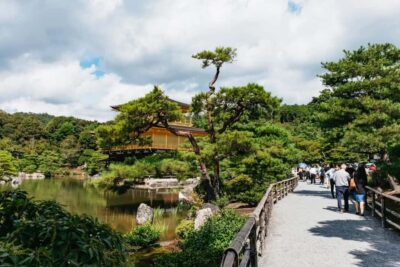
Nijo Castle, Kiyomizu & Fushimi Inari Guided Tour
Read our review →
Osaka Castle Walking Tour and Castle Tower Admission
Read our review →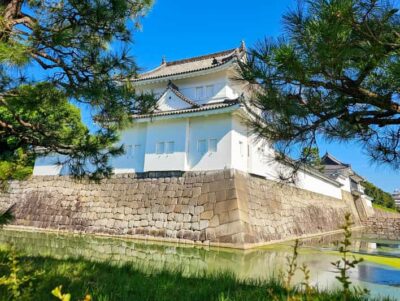
Imperial Palace & Nijo Castle Guided Walking Tour
Read our review →
Himeji Castle, Arima Onsen & Mt. Rokko Day Tour
Read our review →
5-Hour Osaka Bike Tour to the Neighborhood of Osaka Castle
Read our review →
Browse the lists this tour appears in