
Review · GDANSK
Gdansk: Malbork Castle & Westerplatte Tour with Local Lunch
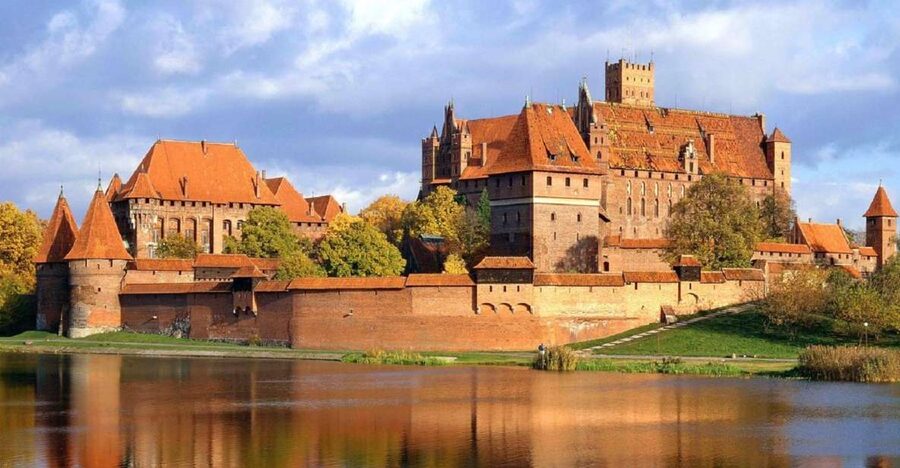
Medieval brick meets Poland’s wartime past. This seven-hour private tour brings you from Gdansk, Sopot, or Gdynia to Malbork Castle, a huge medieval fortress and UNESCO World Heritage Site, then through the rural Żuławy Wiślane region to Westerplatte. I especially like the included local lunch in a traditional wooden house and the combination of grand architecture, village traditions, and modern Polish history. The main consideration is the price: at $349 per person, this is a premium outing, though private transport, a guide, castle entry, lunch, and beer are included.
I also like the careful pacing: about three hours at Malbork, an hour for regional food and the Small Dutchman arcaded house, and a final stop at Westerplatte. Guides such as Bożena earned repeated praise for being warm, clear, and attentive. Still, Malbork Castle has many stairs and thresholds, so this trip is not suitable for wheelchair users and may be tiring for anyone with limited mobility.
Key points to know before booking
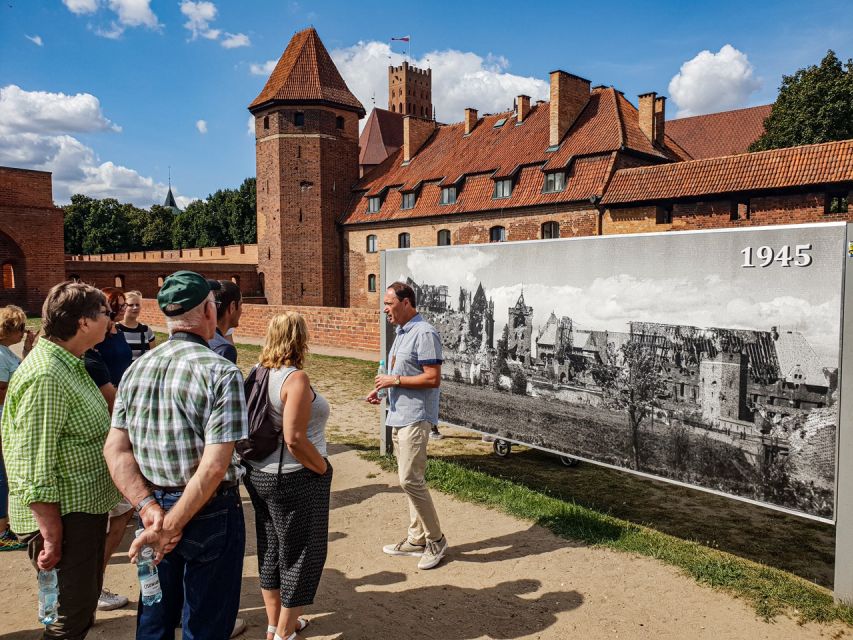
- Malbork gets the largest share of the day: You have about three hours to explore the world’s largest brick castle with an audio guide.
- The lunch stop is part of the experience: Regional Polish food and beer are served at the traditional Small Dutchman wooden house.
- Żuławy adds a rural side of Poland: You see old arcade houses and traces of Mennonite settlement along the local roads.
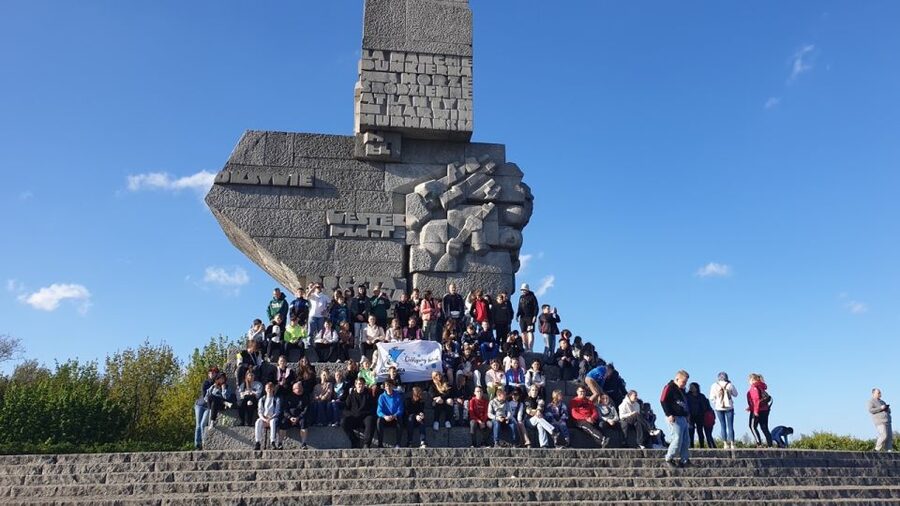
- Westerplatte supplies the historical finish: The tour visits the site linked to the first battle in the European theater of World War II.
- This is a private, door-to-door outing: Pickup and return are available from accommodation in Gdansk, Sopot, or Gdynia.
- Accessibility needs careful thought: Medieval stairs and thresholds prevent access to every part of the castle.
Why this seven-hour route works
Gdansk is full of handsome streets, but the region around it tells a wider story. This outing links the Teutonic medieval world at Malbork with the farming traditions of Żuławy and the opening battle of World War II at Westerplatte.
That range is the tour’s main strength. You are not spending seven hours looking at one monument. Instead, you move through three very different chapters of Pomerania: fortified power, rural culture, and twentieth-century conflict.
The private format matters here. Pickup is available at your accommodation in Gdansk, Sopot, or Gdynia, so you do not need to find your way to a distant bus depot. You can also ask questions along the way rather than listening to a one-size-fits-all group presentation.
The tour is offered in English or Polish with a live guide. At Malbork, the audio guide is available in English, Spanish, French, German, Italian, and Russian. That division works well: your local guide can explain the wider region, while the castle audio program gives you structured information inside the complex.
More Wawel and Polish Castle Tours in Poland:
- Krakow: Wawel Castle & Cathedral Guided Tour
★ 4.7 · 2,111 reviews - Old Town Krakow & Wawel Castle Walking Tour
★ 5.0 · 1,508 reviews - Krakow: Wawel Royal Hill with Optional Castle and Cathedral
★ 4.2 · 1,220 reviews
Malbork Castle: three hours of medieval brick
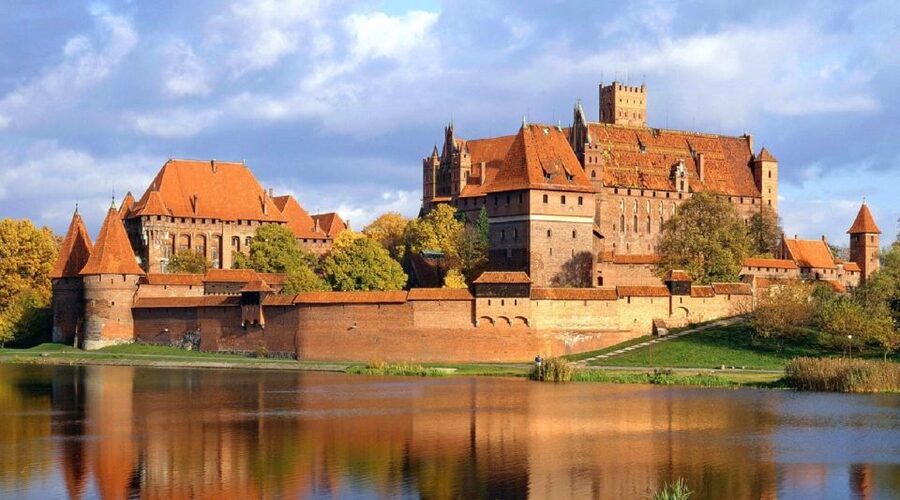
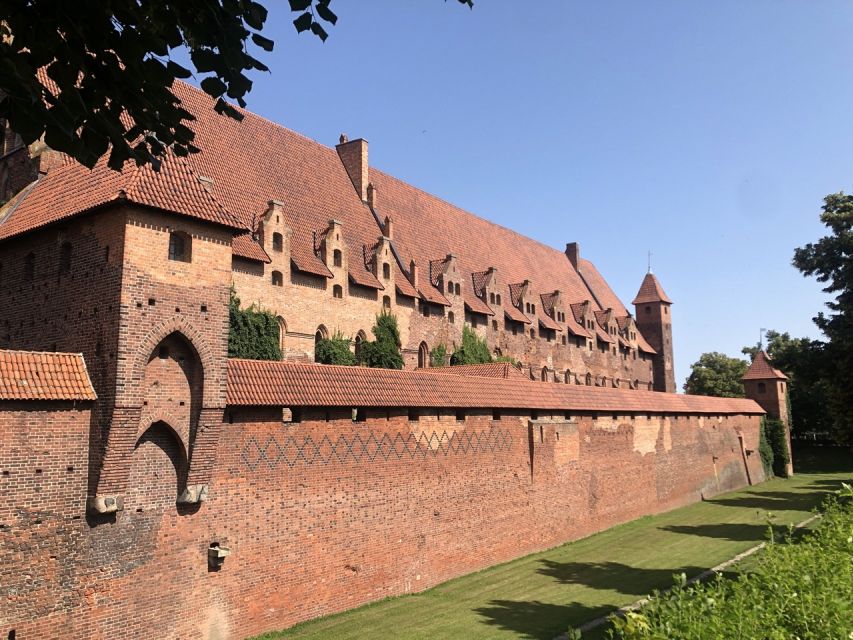
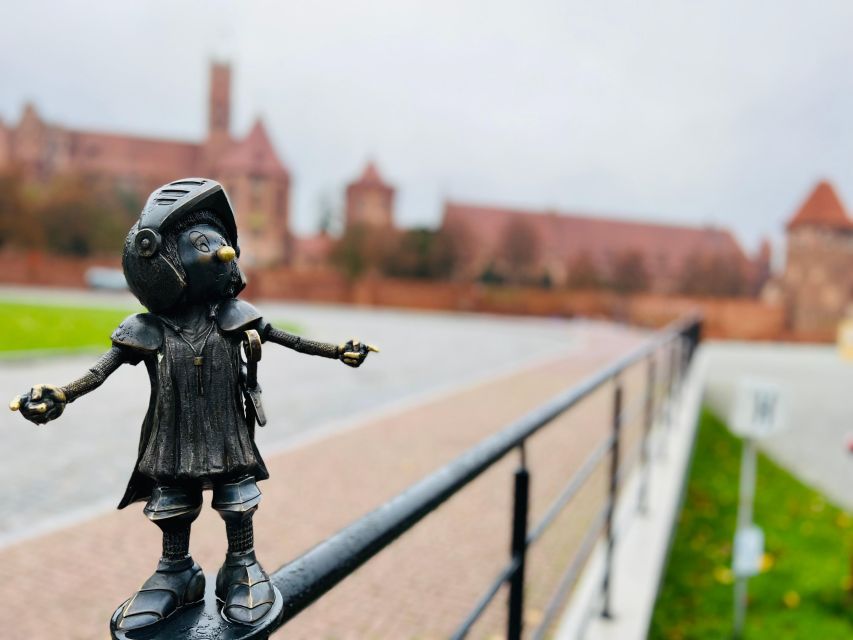
Malbork is the day’s main event. Built of brick and positioned beside the Nogat River, the castle makes an immediate impression through its size and fortified design. It is widely described as the largest brick castle in the world, and its scale helps explain why three hours are set aside for the visit.
I like this amount of time. A rushed hour would let you see the walls and a few rooms, but it would not give you much sense of the complex as a whole. With three hours, you have a better chance to follow the audio tour, pause for photographs, and take in the different parts of the fortress at a reasonable pace.
The castle is one of Poland’s most important monuments and has UNESCO World Heritage status. That designation is not just a label for a checklist. It tells you that Malbork is being valued as a major historic complex, not simply as a photogenic old building.
Inside, the audio guide gives the visit a clear shape. You can move at your own speed rather than staying beside the live guide for every room. This is useful if one person in your group wants to study the architecture while another prefers to keep moving.
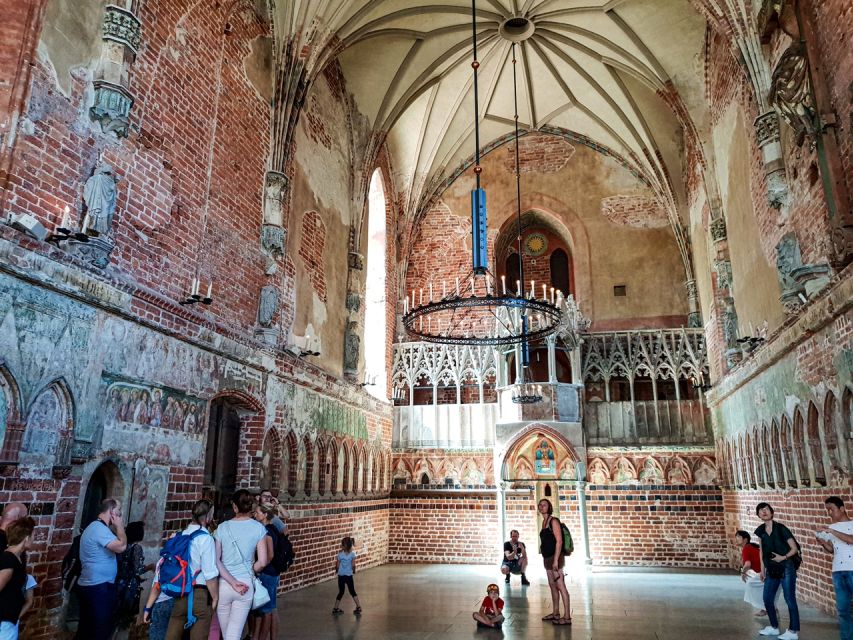
Allow energy for the physical side of the visit. The medieval design includes numerous stairs and thresholds, and some areas cannot be reached in a wheelchair. Even if you walk comfortably, good shoes and a little patience will help. The castle is not arranged like a modern museum with smooth floors and easy lifts.
The three-hour stop may feel long if you only want a quick look at the exterior. For anyone interested in medieval fortifications, Polish monuments, or large historic buildings, though, the time is justified. Malbork is too big for a token stop.
The Small Dutchman and the Żuławy countryside
After the castle, the route turns toward Żuławy Wiślane, a rural part of the region known here for its wooden architecture, old arcade houses, and Mennonite paths. This change of mood is welcome. The castle is massive and formal; the countryside stop is smaller, quieter, and more connected to daily life.
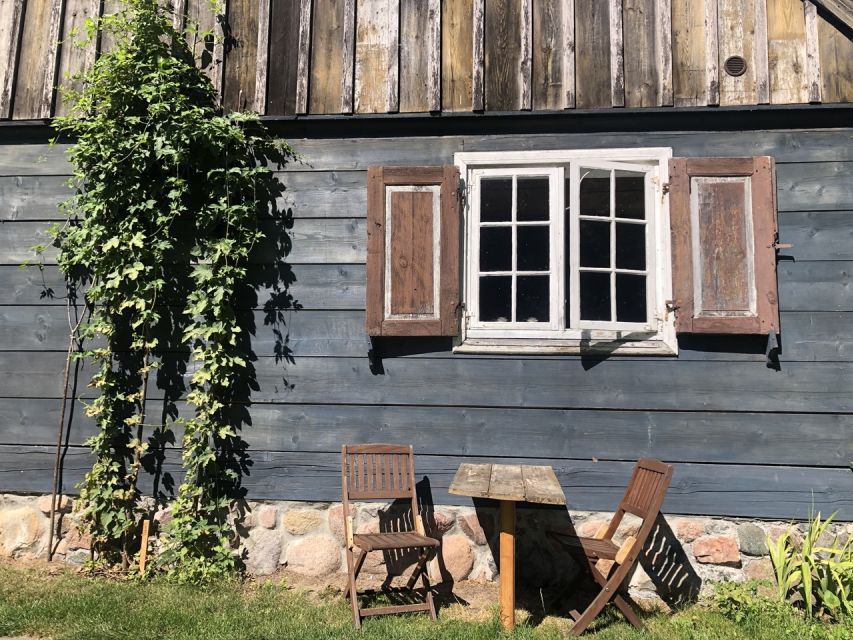
The visit includes the Small Dutchman, an arcaded house, along with regional food. The arcade style gives the building a distinctive look, with a covered wooden structure that reflects local construction traditions. You are not only passing through farmland on the drive. You are being introduced to the way people shaped and used the countryside.
The Mennonite references add another layer. The tour presents Żuławy through its settlement traditions and old routes, helping you see the area as a place with its own identity rather than just a stop between Gdansk and Malbork.
This portion is especially useful if you want to see more than Poland’s famous cities. The wooden buildings and local roads offer a glimpse of a less polished, more regional side of Pomerania. Do not expect a long museum visit or a major town walk. The attraction is the setting, the architecture, and the chance to connect the food with the place.
A traditional Polish lunch with local flavor
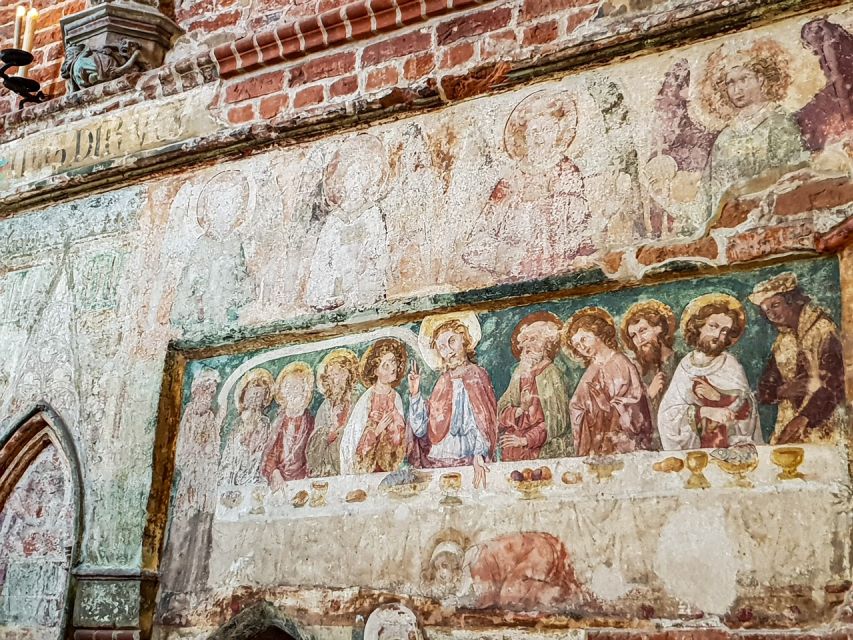
Lunch is served in a traditional wooden house and includes regional Polish food and beer. That makes the meal more than a basic break in the driving schedule. It gives you a chance to sit in a setting that fits the cultural focus of the Żuławy stop.
Specific dishes praised in the feedback include meat pierogi and pierogi ruskie, along with a vegetable dish described with peas and dill. The food received particularly warm comments, so I would treat lunch as one of the tour’s genuine attractions rather than simply an included extra.
The one-hour meal stop is practical, too. After several hours at Malbork, you need time to sit down before the final historical visit. The beer is included, but you should mention any dietary needs before booking if that matters to you, since the supplied details do not specify vegetarian, vegan, allergy, or substitution options.
A meal in a traditional house also helps balance the castle’s formal history. You get a sense of Polish food customs in a local setting, not just a sandwich eaten beside a parking area. That kind of pause can make the day feel more connected to the region.
A few more castle visits around Poland worth a look
- Malbork Castle and Westerplatte Tour with Lunch
★ 5.0 · 27 reviews - Gdansk and Malbork Castle Small Group Tour from Warsaw with Lunch
★ 4.5 · 20 reviews - Krakow: Wawel Castle, Cathedral, Rynek Underground & Lunch
★ 4.4 · 12 reviews - Krakow: Wawel Castle, Cathedral, Salt Mine, and Lunch
★ 4.9 · 6 reviews
Westerplatte and the opening of World War II
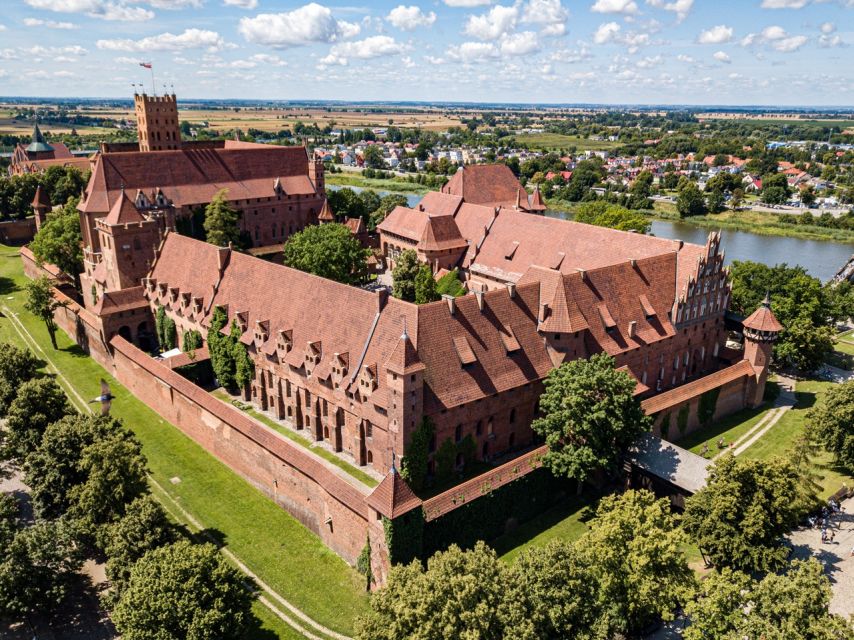
The final major stop is Westerplatte, the site where the first battle in the European theater of World War II was fought. Its importance is easy to understand, but the visit works best if you are prepared for a quieter, more reflective stop after the lively scale of Malbork.
Westerplatte connects Gdansk to the first days of the war. The point is not simply to take a photograph at a monument. Your guide can help place the site within the history of the city and the region, then explain why this location matters.
The stop also gives the seven-hour route a strong chronological arc. You begin with the Middle Ages, move through local settlement and food traditions, and finish in the twentieth century. I like that structure because it makes the day feel like a study of Pomerania rather than a collection of unrelated sights.
The amount of time at Westerplatte is not specified, so do not book this tour expecting a long museum program there. It is presented as a visit to the historic place itself, with the guide providing context. If your main interest is World War II military history, you may want a separate, more specialized visit elsewhere in Gdansk.
What the guides add to the day
The guide can make or break a long regional excursion. The strongest feedback here focuses on friendly, clear, and well-organized guiding, with Bożena named repeatedly as an excellent guide. Her explanations were praised for covering the sights, the country, and the people of Gdansk in both earlier and modern times.
That detail matters. A route with a large castle, rural architecture, lunch, and a wartime site needs someone who can connect the pieces. A guide who only handles transport would leave the day feeling like a series of stops. A guide who explains the region turns it into a story.
The private group format should help. You have room to ask questions, request clarification, and adjust your attention to the subjects that interest you most. The tour is listed in English and Polish, and the castle audio guide expands language choices inside Malbork.
The practical praise is also consistent: good timing, smooth planning, and no reported delays in the feedback supplied. That is valuable on a seven-hour trip, where a late departure or poorly managed castle visit could reduce time at the later stops.
Is $349 per person a fair price?
At $349 per person, this is not a budget excursion. The value depends heavily on how much you appreciate privacy and convenience.
The price includes pickup and drop-off from accommodation in Gdansk, Sopot, or Gdynia, a tour guide, Malbork Castle admission, the audio guide, lunch, beer, and the Westerplatte visit. You are also paying for private transport across the region and for someone else to manage the timing.
For a solo visitor, the cost may feel steep. For a couple or small group that wants a private day without arranging transport, tickets, meals, and directions separately, the package becomes easier to justify. The inclusion of lunch and castle entry removes several small expenses, though it does not turn the tour into a low-cost option.
I would compare this price with your alternatives. Independent visitors may spend less by using public transport and arranging Malbork separately, but they would need to organize the route, find transport to Żuławy, choose a lunch stop, and reach Westerplatte on their own. This tour is buying ease and regional context, not just admission tickets.
The value is strongest for a first visit to the Gdansk area, especially if you have limited time and want to see beyond the city center. If you already have a car and enjoy planning rural routes yourself, the premium may be harder to defend.
Who should book this tour?
I would recommend it to you if you want a full regional day without renting a car or handling several connections. It suits couples, families with older children, and small private groups who enjoy a mix of architecture, food, and history.
It is also a good match if Malbork is high on your list but you want more than a castle transfer. The Żuławy stop and local meal give the day a stronger sense of place, while Westerplatte adds a major historical site on the return journey.
The tour may be less suitable if you prefer a slow, independent schedule. Three hours at Malbork is generous, but the day still follows a fixed route. You should also think carefully about the stairs and uneven thresholds. Wheelchair users cannot access every part of the castle, and the activity is explicitly not suitable for wheelchair users.
The strongest praise is directed at the guides, especially Bożena, and at the reliable organization, friendly service, and tasty local meal. Those are important strengths for an outing that covers a lot of ground.
Should you book the Malbork and Westerplatte tour?
Book it if you want the easiest way to connect Malbork Castle, Żuławy traditions, a Polish lunch, and Westerplatte in one private day. The route has variety, the timing is sensible, and the guide adds context that you would miss by simply hiring a transfer.
Skip it if $349 feels too high for a day trip, if you want to explore Malbork entirely on your own, or if stairs and thresholds will make the castle difficult. For everyone else, this is a well-planned regional introduction, with Malbork providing the grand centerpiece and the lunch and countryside stops keeping the day grounded in local life.
FAQ
How long does the tour last?
The tour lasts seven hours.
Where can pickup take place?
Pickup is available from your accommodation in Gdansk, Sopot, or Gdynia.
Is transportation included?
Yes. Pickup and drop-off from accommodation in Gdansk, Sopot, or Gdynia are included.
How much time is spent at Malbork Castle?
The planned visit to Malbork Castle lasts about three hours.
Is admission to Malbork Castle included?
Yes. The entrance fee and an audio guide are included.
Which languages are available for the Malbork audio guide?
The audio guide is available in Spanish, English, French, German, Italian, and Russian.
Which languages can the live guide speak?
The live tour guide is available in English or Polish.
Is lunch included?
Yes. Traditional Polish lunch and beer are included.
What is the Small Dutchman?
The Small Dutchman is a traditional wooden arcaded house visited during the regional food stop in Żuławy Wiślane.
Is the tour suitable for wheelchair users?
No. The medieval castle has many stairs and thresholds, and wheelchair users cannot reach every area.
Just added around Poland
- Szczecin Pomeranian Dukes’ Castle Exterior Private Tour★ 4.3 · 6 reviews
- Szczecin Old Town with Pomeranian Dukes’ Castle Private Walk★ 5.0 · 3 reviews
- Krakow: Wawel Castle Guided Tour with Skip-The-Line Entry★ 5.0 · 2 reviews
- Skip-the-Line Warsaw Royal Castle Private Guided Tour★ 5.0 · 4 reviews
- Krakow: Skip-the-Line Wawel Castle & Old Town Guided Tour★ 4.9 · 23 reviews
- Rynek Underground Museum & Wawel Castle, Cathedral – Cracow★ 5.0 · 3 reviews
- Private transportation to the Malbork Castle from Gdansk★ 4.8 · 6 reviews
- Malbork Castle: Private Tour from Gdansk, Sopot or Gdynia★ 4.8 · 8 reviews
Wawel & Polish Castles, compared.
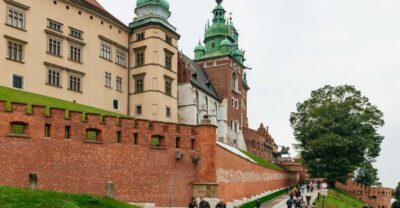
Wawel Royal Hill with Optional Castle and Cathedral
Read our review →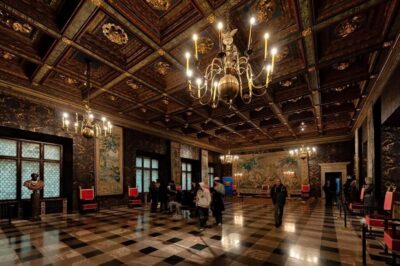
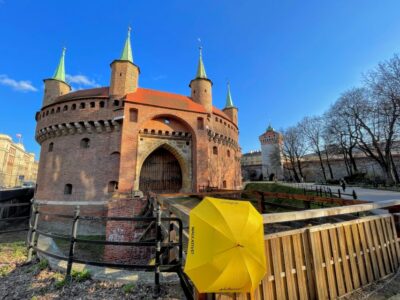
Kraków: Old Town & Wawel Castle Walking Tour in English
Read our review →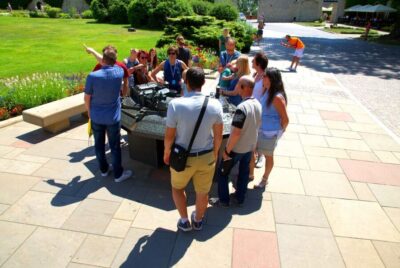
Browse the lists this tour appears in