Review · KRAKOW
Krakow: Wawel Castle Guided Tour with Entry Tickets
Kings left plenty behind. Wawel Castle lets you see it up close, from grand state rooms and royal apartments to preserved objects from Poland’s past. I like the licensed guide, who adds the political stories, royal personalities, and local legends that display labels cannot cover. I also like the skip-the-line entry, especially when you have only a short time in Krakow.
The main drawback is that this is a tour of a selected interior exhibition, not every part of the castle complex. A one-hour visit can feel brief, particularly if you want architecture, archaeology, paintings, and the private apartments in equal measure. The Cathedral is not included, either.
Key points to know before you book
- The meeting point is at Kanonicza 25: Wait at the end of the long cobblestone street, where the stones meet the asphalt.
- Your guide leads the interior visit: The exact exhibition depends on the option you choose, so you may see royal apartments, the treasury, armoury, or another castle section.
- The tour usually takes one to two hours: The core guided visit lasts about an hour, with extra time for a photo stop and further castle sightseeing.
- The guide makes the history easier to follow: Past tours have been praised for clear explanations, friendly service, and strong command of Polish history.
- The Cathedral costs extra: This experience covers a castle interior exhibition, but not entry to Wawel Cathedral.
- Private groups and many languages are available: Tours may be offered in Polish, English, German, French, Italian, Spanish, Dutch, Russian, Portuguese, or Norwegian.
Why Wawel Castle matters in Krakow
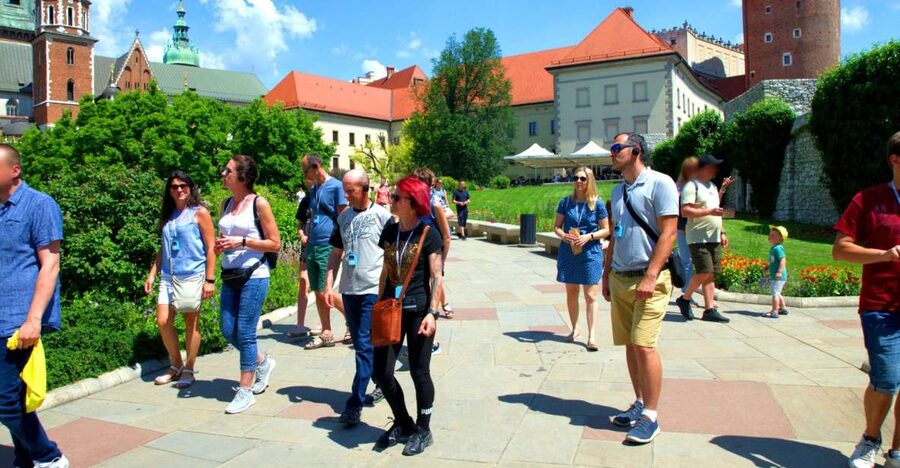
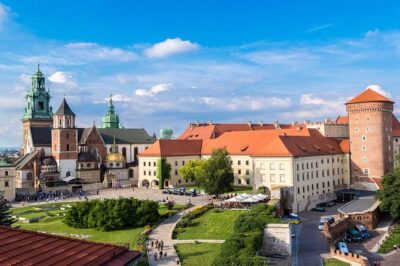
Wawel Hill is more than a pretty perch above the city. It is one of Poland’s great national symbols, and the castle served as the home of the Polish royal family until 1795. That long royal connection gives the rooms a weight that is easy to miss if you simply walk through with a phone guide.
The castle you see today grew over centuries. The original 14th-century building is linked with King Casimir II the Great. In the 16th century, King Sigismund the Old ordered major expansion and helped create the grander palace associated with Wawel today.
That history is useful because the castle is not one perfectly unified building. It is a collection of periods, uses, repairs, and changes in taste. A good guide helps you notice those layers instead of reducing the visit to a parade of old rooms.
I especially like this tour for first-time visitors to Krakow who want a clear introduction to Poland’s royal past. You do not need to arrive already familiar with Polish rulers. Still, if Polish history is new to you, the names and dynasties may come quickly, so do not hesitate to ask your guide to pause and explain the larger story.
More Guided Castle Tours in Krakow
- Krakow: Wawel Castle & Cathedral Guided Tour
★ 4.7 · 2,111 reviews - Krakow: Wawel Castle and Cathedral Guided Tour
★ 4.6 · 595 reviews - Krakow: Wawel Castle and Cathedral Guided Tour
★ 4.7 · 273 reviews
Finding the group at Kanonicza 25
Your practical challenge comes before the castle itself. The meeting point is at the end of Kanonicza Street, a long cobblestone road, at the spot where the cobblestones meet the asphalt street. Arrive 10 minutes early.
This detail matters. The meeting place can be confusing if you expect a desk, shop, or obvious castle entrance. One previous participant arrived late after getting lost, so I would not cut this close. The location is not described as a general point somewhere near Wawel Hill. You need the end of Kanonicza Street.
From there, the group walks about five minutes up Wawel Hill. That short approach is part of the setting. You move from the old street toward the castle precinct rather than being dropped directly at a museum door.
The meeting time for a group tour can shift by up to 30 minutes in either direction. You should receive notice of any change no later than the day before. Private tours have an approximate meeting time as well, since the final schedule can depend on language availability.
Walking up Wawel Hill
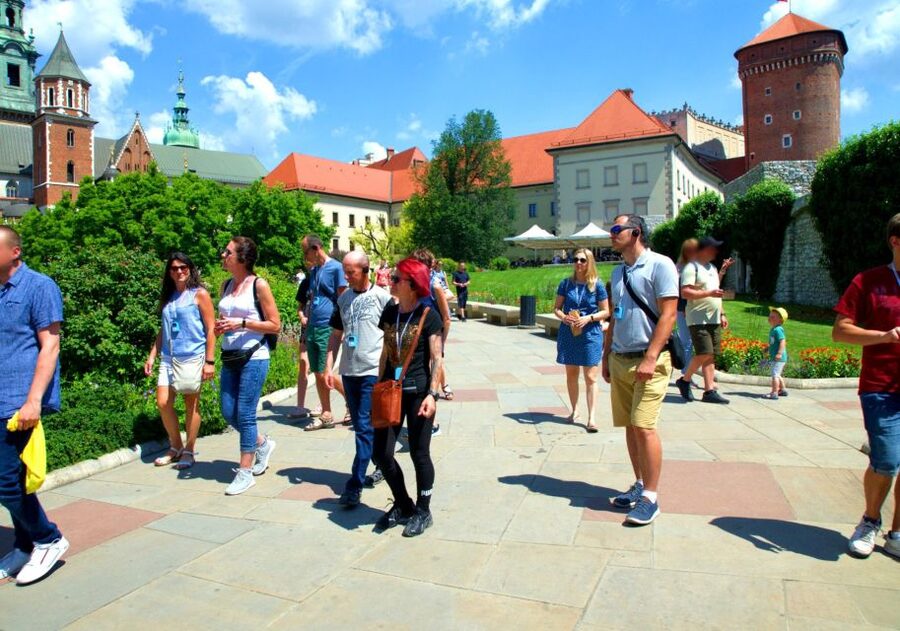
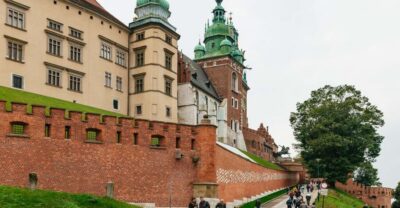
The walk from Kanonicza Street to the castle is short, but it helps frame the visit. Wawel Hill holds the castle and Cathedral complex together, and the approach gives you a sense of how much power was concentrated here.
Once inside the castle area, your guide takes you to the selected interior exhibition. This is an important point to understand before booking. The experience is not a promise to visit every room, tower, gallery, and religious building on Wawel Hill. It focuses on the exhibition chosen for your departure time and language.
That focused format has an advantage. You spend less time working out where to go and more time hearing what you are looking at. It also has a limit: if you want a full day of Wawel, this tour is only one piece of the visit.
Inside the royal rooms and private apartments
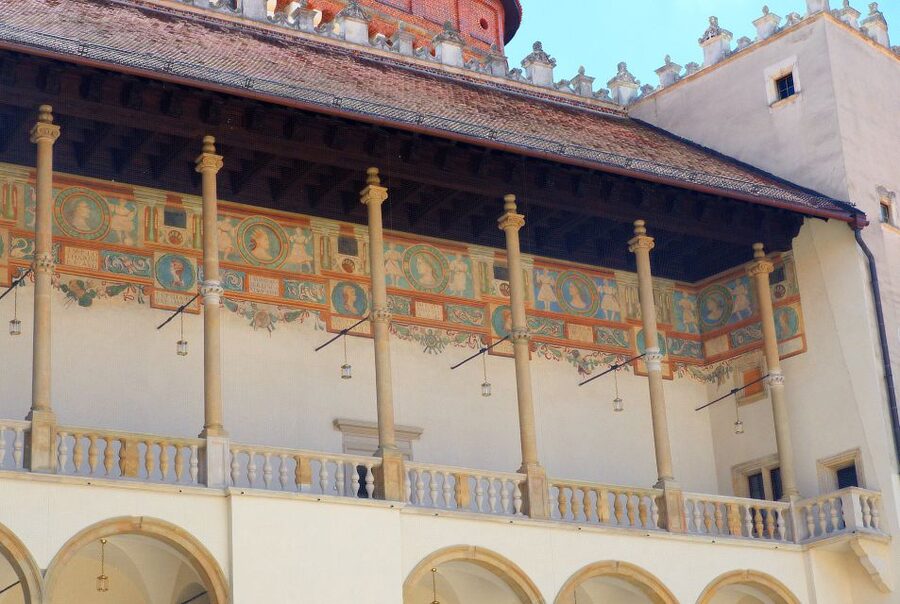
The interiors are the heart of the experience. Depending on the selected exhibition, you may enter royal private apartments decorated with paintings, chandeliers, and elaborate wall hangings. These rooms help you picture the castle as a working residence, not only as a ceremonial monument.
I find the private apartments especially useful for understanding how the royal family lived. The objects are not simply decoration. They show status, taste, foreign influence, and the need for a royal household to communicate power at every turn.
The guide’s role is important here. A painting can take up a wall, but without context it may receive only a quick glance. A well-prepared guide can connect an object to a ruler, a period, or a change in the castle. Several past participants praised guides who were friendly, passionate, and able to explain the collection clearly.
George received special praise for making a group’s visit memorable. Other highly rated guides were described as enthusiastic and well prepared. You cannot necessarily request a particular guide, but the strong guide feedback is one reason I would choose this format over walking through the rooms alone.
There is a tradeoff. One tour participant felt the guide spent too much time on paintings and not enough on the castle’s wider architectural story. If your main interest is building design, construction phases, or the remains of earlier structures, ask questions early. Do not assume the tour will give equal time to every subject.
More Guided Castle Tours in Poland
- Krakow: Wawel Guided Tour – Cathedral and/or Castle
★ 4.5 · 249 reviews - Guided Tour of the Wawel Castle & Cathedral in Cracow
★ 4.7 · 24 reviews - Krakow: Skip-the-Line Wawel Castle & Old Town Guided Tour
★ 4.9 · 23 reviews - Krakow: Wawel Castle & Cathedral Guided Tour
★ 4.5 · 20 reviews
Art, archaeology, and the royal collection
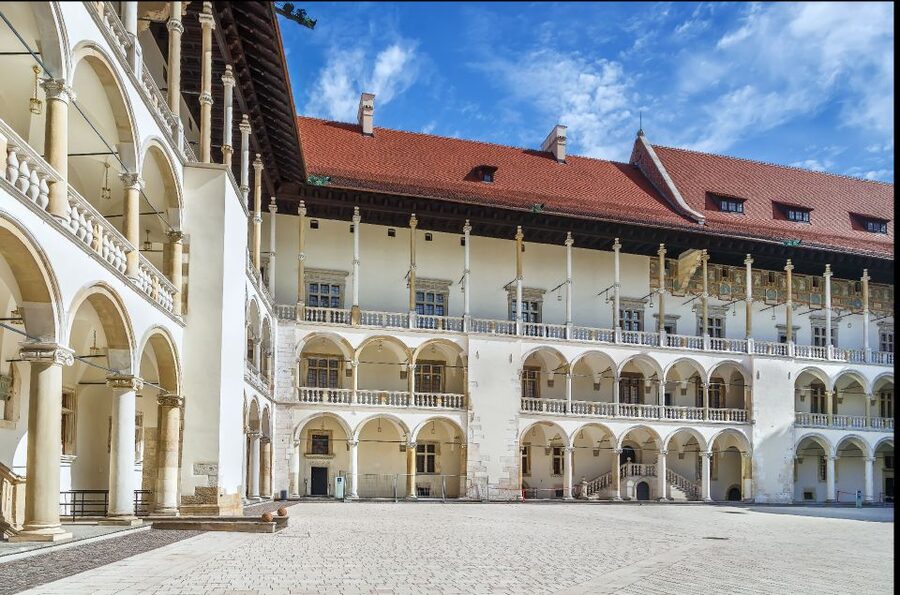
Wawel functions as a major art museum as well as a former palace. Along with paintings and furnished rooms, the castle includes an Oriental Art section with what is described as Europe’s largest collection of Ottoman tents.
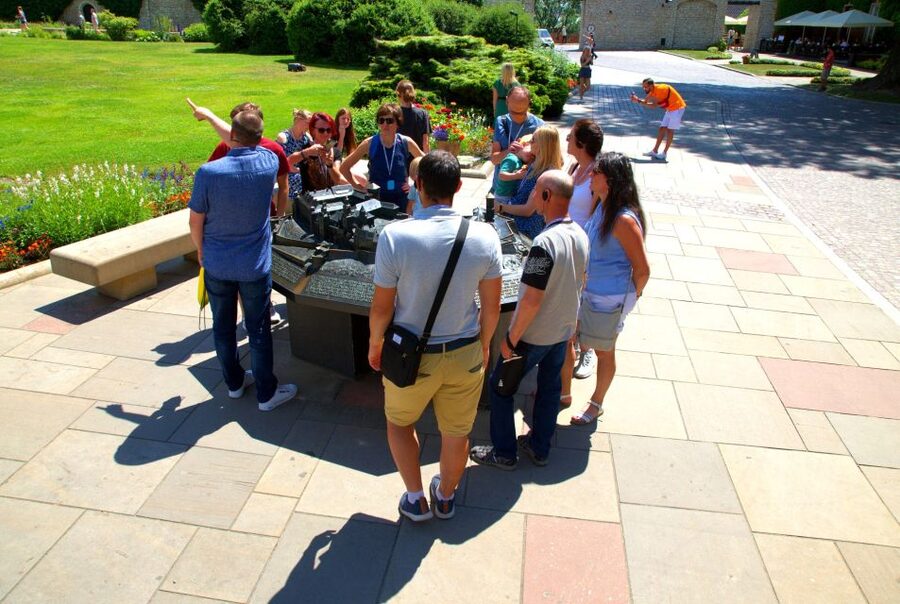
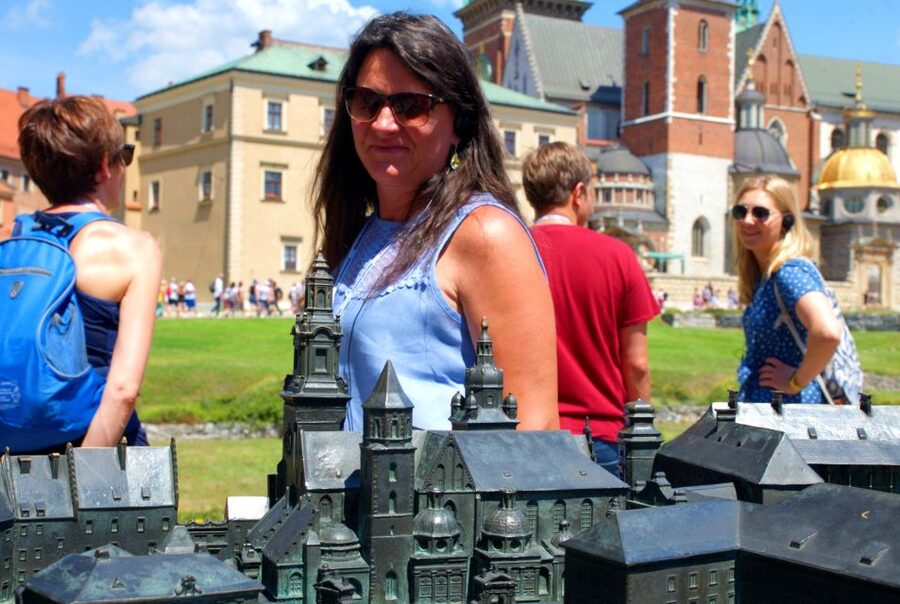
The castle exhibitions also present objects found during archaeological work around the region. Scale models of buildings and architectural elements help explain how Wawel developed and how earlier structures relate to the complex you see now.
This mix makes the tour more than a royal bedroom visit. You may move between personal objects, works of art, archaeological material, and architectural evidence. That variety suits you if you want a broad introduction to Wawel rather than a single narrow theme.
It can also create a mismatch. If you prefer architecture and political history to art, some sections may feel less relevant. One practical alternative is to take this guided interior tour for the context, then spend extra time walking around the castle grounds and seeing the Cathedral separately.
What the one-hour schedule really gives you
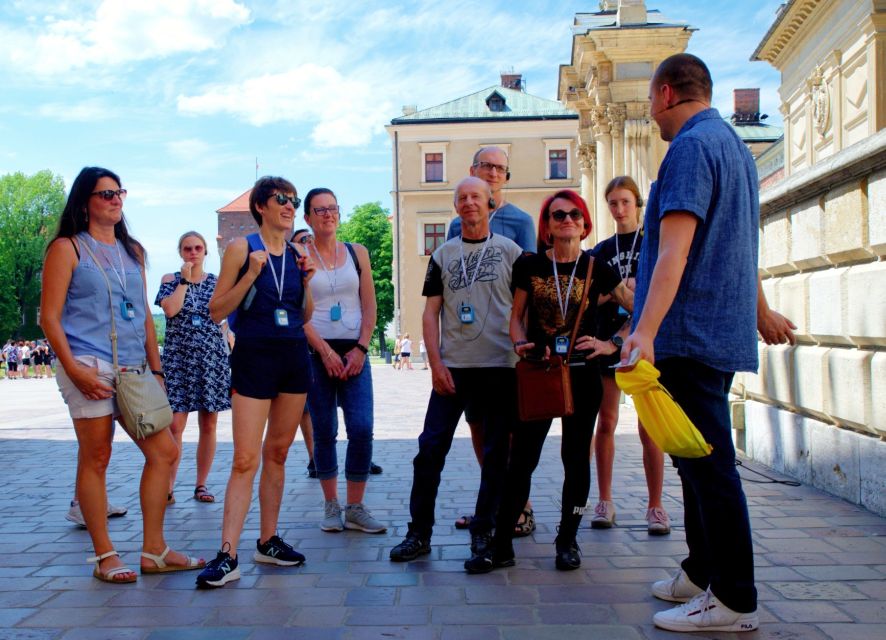
The guided castle visit is listed at about one hour, with the full activity lasting one to two hours. The schedule includes a photo stop of roughly 10 minutes and further sightseeing at Wawel Royal Castle.
An hour is enough for a strong introduction. You can see a selected group of rooms, hear the main story, and leave with a better sense of why Wawel matters. It is a good fit if you are building a busy Krakow day around the Old Town, the Market Square, or another museum.
An hour is not enough to do justice to the whole complex. Wawel is large, and even a carefully planned route has to leave things out. One past participant liked the tour but wished it covered more floors. Another felt the castle was so extensive that a short visit could not show everything.
I would treat the one-hour format as a starting point, not a complete Wawel day. If you have only a short stay in Krakow, this may be exactly the right choice. If Wawel is one of your main reasons for visiting the city, allow extra time before or after the tour for the exterior, the Cathedral, and any additional exhibitions you want to see.
The photo stop and the castle’s visual appeal
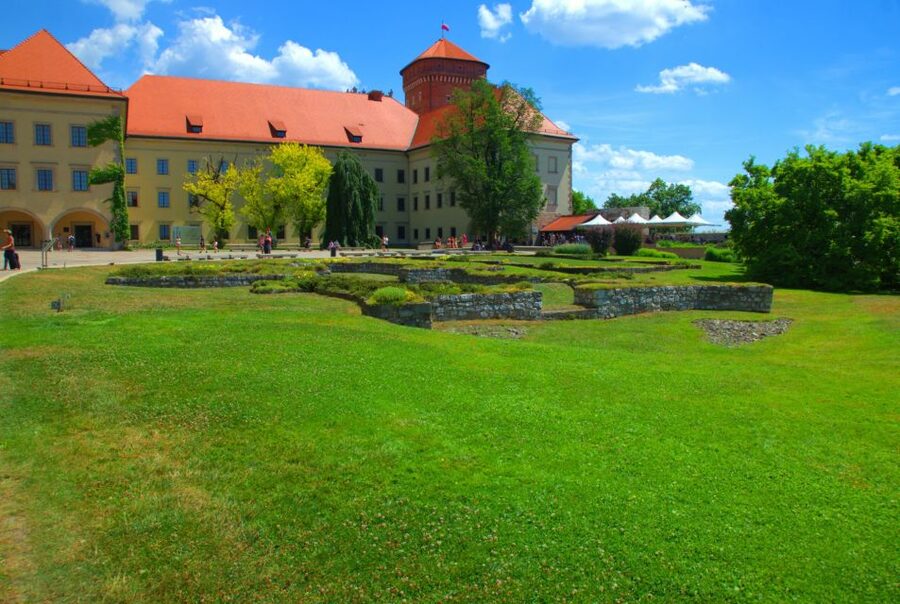
The planned photo stop gives you a moment to step back from the explanations. That sounds minor, but it helps. Museum visits can become a steady stream of rooms and dates. A short pause lets you take in the setting and record a few images without trying to listen and photograph at the same time.
Wawel is a visually rewarding place even when you are not inside the exhibition. The castle’s position on the hill, its historic walls, and its mix of architectural periods give you plenty to look at. The tour does not turn the whole visit into a photo session, though, so bring patience if you want time for careful pictures.
The guide may also point out myths connected with the castle. Those stories add local character, but I would treat them as part of Wawel’s folklore rather than as a substitute for documented history. The best experience keeps both strands in view: what the evidence tells us and what generations have chosen to remember.
Skip-the-line access and the $35 price
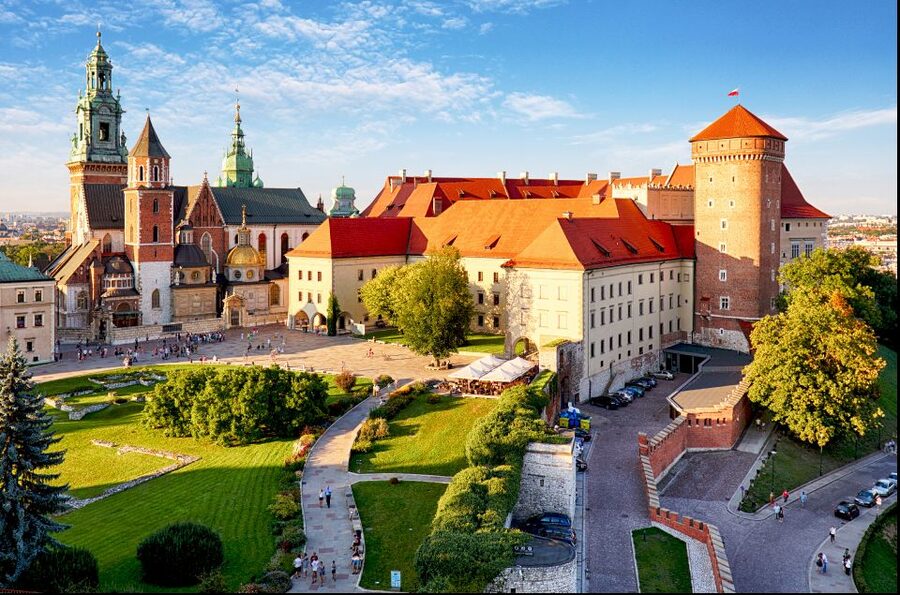
At $35 per person, this is not the cheapest way to approach Wawel Castle. The value comes from combining admission to an interior exhibition with a guide and skip-the-ticket-line entry.
That price makes sense if you value time and explanation. You avoid spending part of your visit working out tickets, then gain a structured route through rooms where the objects may otherwise seem disconnected. The small-group or private option can make that guidance more personal.
The value is weaker if you mainly want to wander, study architecture at your own pace, or visit several exhibitions. A one-hour guided route cannot replace a longer independent visit. You may also need to budget separately for Wawel Cathedral, which is not included.
For me, the strongest case for the price is the guide. Past groups praised clear explanations, friendly communication, and tours that occasionally ran longer than planned. The weakest point is the possibility of uneven emphasis, especially if your guide focuses heavily on paintings and gives less attention to architecture.
Language, group size, and the guide’s role
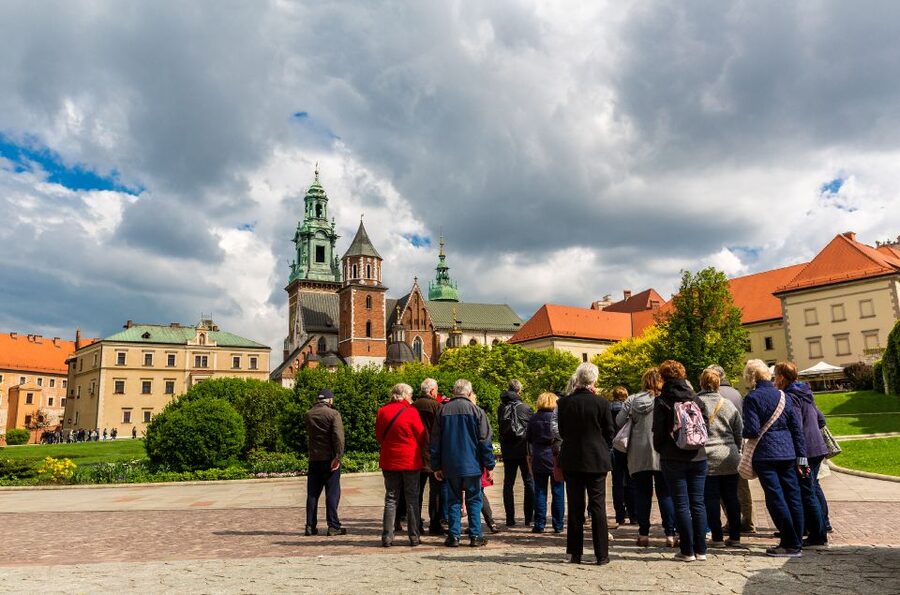
Live guiding is available in a wide range of languages: Polish, English, Spanish, German, French, Italian, Dutch, Russian, Portuguese, and Norwegian. That makes the experience useful for international groups, though the exact language and meeting time can affect the final arrangement.
Private groups are available. A private format may suit families, couples, or friends who want to ask more questions and keep the pace flexible. A standard group can be better value if you mainly want an organized introduction at the lowest listed price.
The strongest pattern in the feedback is the quality of the individual guide. People repeatedly praised friendly, clear, passionate explanations. That is important because Wawel’s story includes unfamiliar names and complicated changes in power. A guide who can set the scene before adding detail makes the visit far easier to follow.
Communication before the meeting has been less consistent. One group found the organizer unclear and several people became confused, while another praised the representative who met the group with a sign. My advice is simple: read the exact meeting instructions, arrive early, and confirm any time change before the day of the tour.
Who should book this Wawel tour?
I would recommend it to:
- First-time visitors who want the castle’s main story without planning a route through a large complex.
- People with only one or two hours for Wawel.
- Anyone who prefers hearing about paintings, rooms, rulers, and objects from a live guide.
- Families or mixed-age groups that may benefit from a clear pace.
- Visitors who want to avoid the ticket line.
- International groups that need one of the listed tour languages.
I would be more cautious if you are mainly interested in architecture, archaeology, or seeing every part of Wawel. You may want to use this tour as one component of a longer visit, then explore independently. The Cathedral requires a separate ticket, and the selected exhibition may not cover the rooms you most want to see.
Should you book it?
Book this tour if you want a well-organized introduction to Wawel’s royal interiors, especially when time is limited. The guide is the main reason to choose it. Strong explanations can turn furniture, paintings, royal rooms, and archaeological pieces into a connected story.
Skip it if you prefer complete independence or want a full architectural survey. At $35, the tour earns its price through the guide and line-skipping convenience, not through unlimited access to every Wawel attraction.
For most first visits, I would book it, arrive early at Kanonicza Street, and plan extra time afterward for the castle grounds and Cathedral. That gives you the best balance: a focused guided visit first, then room to explore Wawel at your own pace.
FAQ
Where does the Wawel Castle tour meet?
Meet at the end of Kanonicza Street, where the cobblestones reach the asphalt street. The meeting point is associated with Kanonicza 25.
How early should I arrive?
Arrive 10 minutes before the activity starts. Group meeting times can change by up to 30 minutes, and you should receive notice of a change no later than one day before the tour.
How long does the tour take?
The activity lasts about one to two hours. The main guided castle visit takes about one hour, with a photo stop of around 10 minutes and additional castle sightseeing.
Is Wawel Cathedral included?
No. Entry to Wawel Cathedral is not included in this experience.
What does the ticket include?
The ticket includes a guided tour of the selected interior exhibition and skip-the-line entry.
Which languages are available?
Guiding may be available in Polish, Spanish, English, German, French, Italian, Dutch, Russian, Portuguese, and Norwegian.
Can I book a private group?
Yes. A private group option is available.
Can I cancel the booking?
You can cancel up to 24 hours in advance for a full refund. A reserve-now, pay-later option is also available.
More Castle Entry Tickets in Krakow
- Seville: Royal Alcázar Entry Ticket
★ 4.6 · 28,378 reviews - Edinburgh Castle: Guided Walking Tour with Entry Ticket
★ 4.7 · 11,699 reviews - Prague: Castle Tour with Local Guide and Entry Ticket
★ 4.6 · 10,422 reviews - Prague Castle 2.5-Hour Tour Including Admission Ticket
★ 4.7 · 8,927 reviews
More Wawel and Polish Castle Tours in Krakow
- Old Town Krakow & Wawel Castle Walking Tour
★ 5.0 · 1,508 reviews - Krakow: Wawel Royal Hill with Optional Castle and Cathedral
★ 4.2 · 1,220 reviews - Kraków: Old Town & Wawel Castle Walking Tour in English
★ 4.8 · 532 reviews - Krakow’s Essential Tour of the Old Town and Wawel Castle
★ 5.0 · 340 reviews
Just added around Krakow
- Krakow: Wawel Castle Guided Tour with Skip-The-Line Entry★ 5.0 · 2 reviews
- Krakow: Skip-the-Line Wawel Castle & Old Town Guided Tour★ 4.9 · 23 reviews
- Rynek Underground Museum & Wawel Castle, Cathedral – Cracow★ 5.0 · 3 reviews
- Krakow: Wawel Castle, Cathedral, Salt Mine, and Lunch★ 5.0 · 2 reviews
- Krakow: Wawel Castle Guided Tour★ 4.7 · 14 reviews
- Krakow: Wawel Castle, Cathedral, Salt Mine, and Lunch★ 4.9 · 6 reviews
- Krakow: Wawel Castle, Cathedral, Rynek Underground & Lunch★ 4.4 · 12 reviews
- Krakow: Wawel Castle, Cathedral, Salt Mine, and Lunch★ 4.9 · 4 reviews
Wawel & Polish Castles, compared.
Wawel Royal Hill with Optional Castle and Cathedral
Read our review →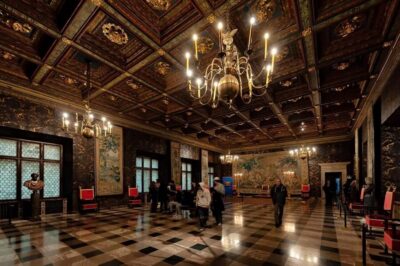
Kraków: Old Town & Wawel Castle Walking Tour in English
Read our review →