
Review · JAPAN
2.5-Hour Nagoya Tour: Castle History, Local Food & City View
Nagoya packs a lot into a short walk. This tour links Nagoya Castle with Kinshachi Yokocho, giving you a clear introduction to samurai culture, Japanese architecture, and the city’s distinctive food in about two and a half hours. I like the way it combines the castle’s major sights with time for local dishes and shopping. I also like that an English-speaking guide helps explain details you could easily miss on your own.
The main point to consider is the pace. You spend about 90 minutes at the castle and only 30 minutes at Kinshachi Yokocho, so this is a focused introduction rather than a slow, complete visit. It suits cruise passengers and first-time visitors especially well, but you should wear comfortable shoes and be ready to keep moving.
Key points to know before booking
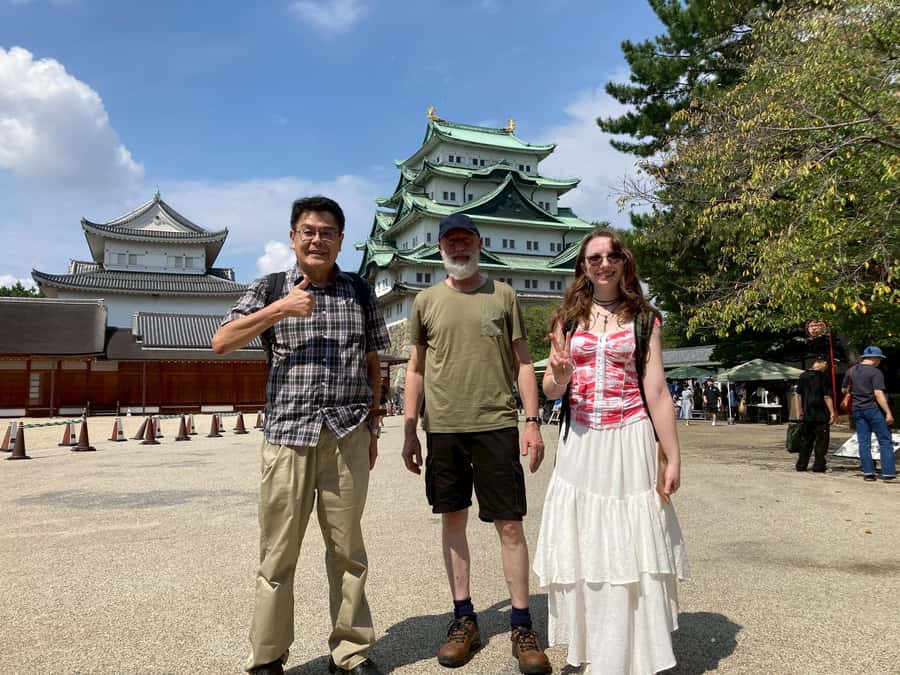
- Nagoya Castle anchors the tour: You enter through the East Gate and visit Ninomaru Garden and Honmaru Palace.
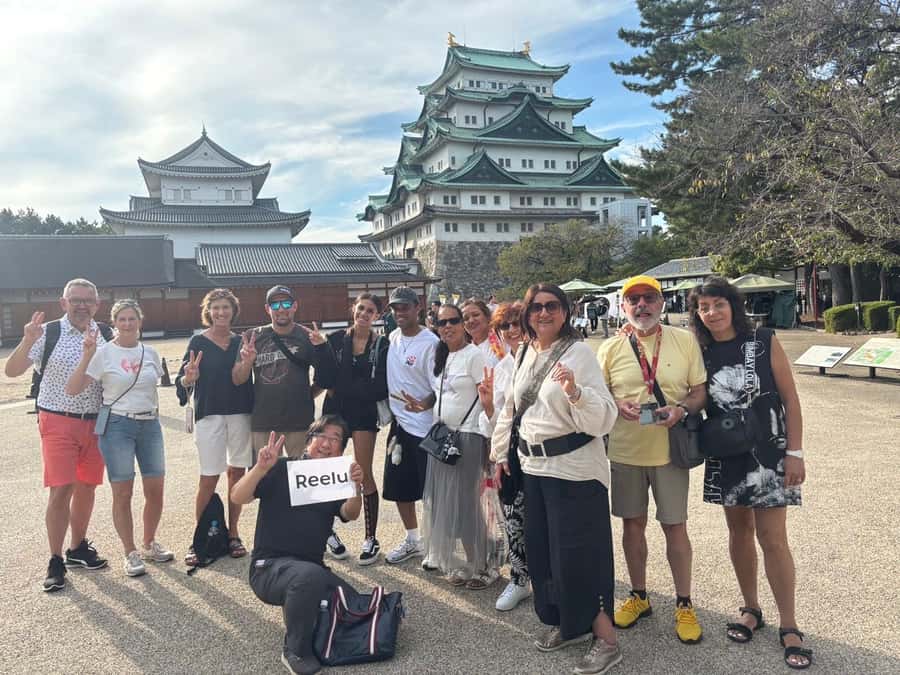
- The guide adds cultural context: Guides such as Toshi, Risa, Mariko, Kanna, Ray, and Shu have been praised for clear explanations and friendly help.
- Honmaru Palace is a major highlight: Traditional sliding screen paintings and detailed interiors give the castle visit its strongest visual moments.
- Kinshachi Yokocho brings in local food: You get an introduction to Nagoya dishes, street food, souvenir shops, and the area’s traditional-style buildings.
- The schedule is built for short visits: The full experience takes about 150 minutes, with some starting options connected to Nagoya Port.
- The price is reasonable for a guided visit: At $41 per person, admission and guiding are included, while food, drinks, and transport are extra.
Why this short Nagoya tour works
Nagoya is often treated as a transport stop between Tokyo and Kyoto. That is a mistake. The city has its own food traditions, castle culture, and stories from Japan’s samurai era. The challenge is fitting those pieces together when you have only a few hours.
This tour gives you a useful framework. You begin with the city’s best-known historic site, then shift to food and shopping nearby. That order makes sense because the castle explains Nagoya’s past, while Kinshachi Yokocho gives you a taste of its present-day character.
I especially like the balance between sightseeing and explanation. A castle can become a blur of gates, walls, gardens, and formal rooms if you walk through it without context. A guide can explain why the architecture matters, what the spaces were used for, and how the castle connects to the samurai world.
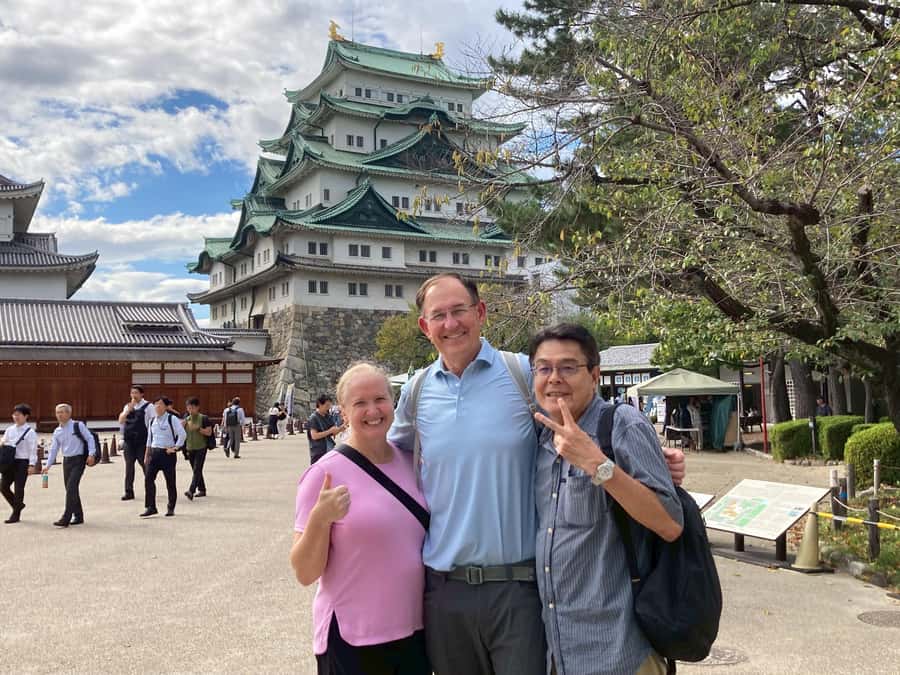
The 4.5 rating from 36 posted ratings also fits the strongest pattern in the feedback: guides are the heart of the experience. Toshi was praised for answering every question and sharing a local place for sake tasting. Mariko helped keep the group organized and on time, while Ray added local recommendations. Kanna, Risa, Shu, and other guides were also praised for clear explanations, patience, and a friendly manner.
That said, guide quality can vary from one departure to another because you may be assigned a different person. The good news is that the comments consistently point to the same strength: guides explain more than basic dates and names.
A few more castle visits around Japan worth a look
- World Heritage Himeji Castle & Sake Breweries Private Tour
★ 4.5 · 11 reviews - Explore Matsumoto: Castle, Sake & Taste of Local Life
★ 4.8 · 6 reviews - From Paris: Loire Valley Castles Day Trip With Wine Tasting
★ 4.6 · 1,727 reviews
Entering Nagoya Castle through the East Gate
The tour begins at Nagoya Castle, entering through the East Gate. This is a practical starting point because it gets you into the grounds quickly and lets the guide set the scene before you begin looking at individual buildings.
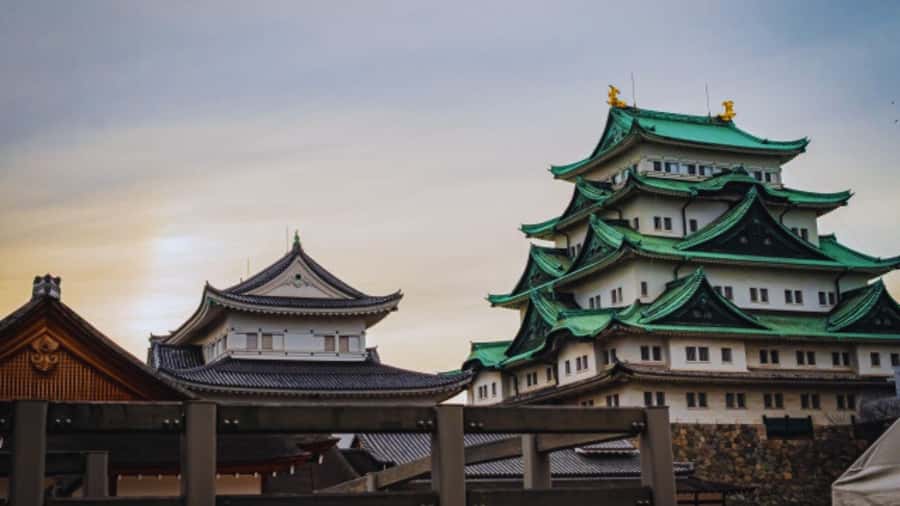
Nagoya Castle is closely tied to samurai-era power and the city’s political importance. You will hear about the historical period connected to the castle, the people who used it, and the meaning behind its design. The tour does not simply ask you to admire old-looking walls. It helps you understand why the castle was built and what its architecture communicated.
The traditional stone walls are one of the first details worth noticing. Look at how the stonework defines the castle grounds and gives the complex a sense of strength. Your guide can help you read these features rather than treating them as background scenery.
The castle visit lasts about 90 minutes, so expect a fairly active walk. You will cover outdoor paths, garden areas, and palace interiors. Comfortable shoes are not optional here, especially if you are coming from a cruise ship after a morning of sightseeing.
Ninomaru Garden brings a quieter pause
Ninomaru Garden offers a change of mood from the castle structures and stone defenses. It is a peaceful part of the visit, giving you space to slow down and notice the formal beauty of the grounds.
I like this stop because it prevents the tour from becoming an indoor history lesson. The garden gives you a chance to look at the relationship between architecture and open space. In Japanese castle design, gardens were not simply decorative. They shaped how people moved through the grounds and how important buildings were viewed.
Your guide may also point out details you would otherwise pass without noticing. Even a short pause here can help you understand why Japanese historic sites often feel carefully arranged from one viewpoint to the next.
The drawback is time. Ninomaru Garden is included, but this is not a leisurely garden tour. If you want to sit, take many photographs, or study every feature, you may feel hurried. The schedule is designed to give you a strong overview instead.
Honmaru Palace supplies the visual highlight

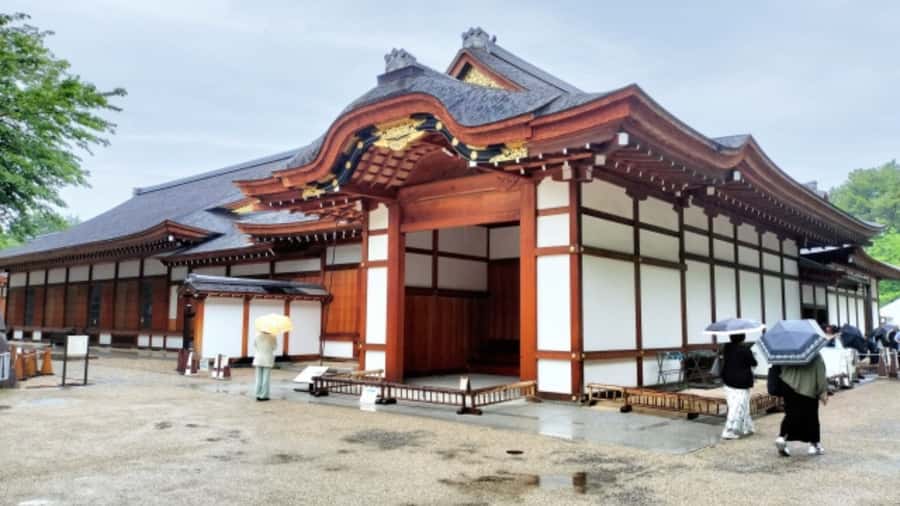
Honmaru Palace is likely to be the most memorable part of the castle visit. Inside, you see traditional sliding screen paintings and carefully presented rooms that show the formal side of castle life.
The screen paintings are not just decoration. They helped define rooms and express status, taste, and power. Your guide’s explanation makes these interiors easier to appreciate because the details can be subtle. Patterns, room arrangements, and painted scenes all carry more weight when you understand the setting.
This is also where the English guide becomes particularly useful. Visitors from outside Japan may recognize the beauty of the paintings but miss the cultural meaning behind them. Guides have been praised for explaining both the castle and the era around it, which gives the palace more impact than a quick self-guided walk.
Photography is part of the appeal, so bring a camera. Still, I would keep it ready without letting it take over the visit. The palace interiors reward looking carefully, not just collecting pictures.
One practical point: the tour listing promises visits to both Ninomaru Garden and Honmaru Palace, but the available time remains limited. If you are passionate about castle architecture, you may want to return later for a longer visit. For a first introduction, the 90-minute castle segment covers the essential sights well.
Same region, a different set of walls:
- Osaka Castle: Museum and Tower Entry Ticket
★ 4.5 · 2,380 reviews - Tokyo Castle & Imperial PalaceーShogun Walking Tour
★ 4.7 · 1,068 reviews - Kyoto: Nijo-jo Castle and Ninomaru Palace Guided Tour
★ 4.7 · 1,020 reviews - Ultimate Osaka Walking Tour: Castle, Dotonbori & Hidden Gems
★ 5.0 · 862 reviews
Kinshachi Yokocho turns history into lunch
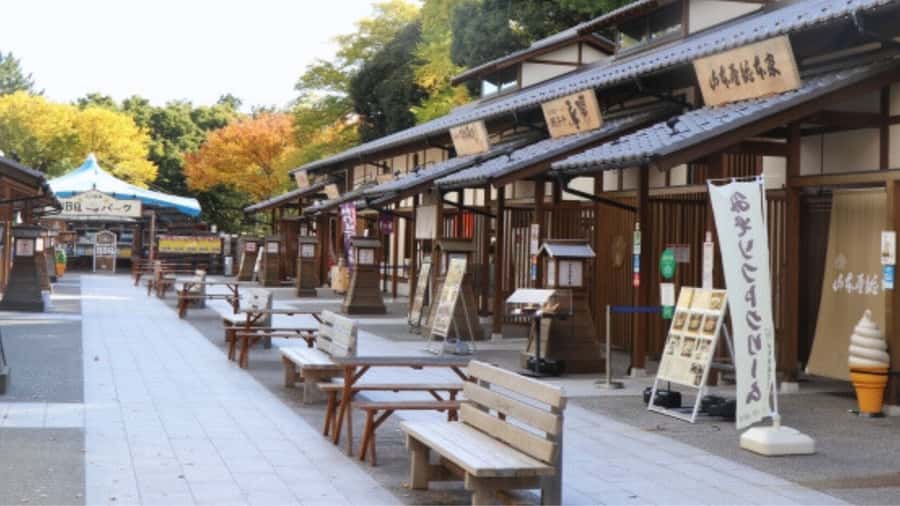
After the castle, the tour moves to Kinshachi Yokocho for about 30 minutes. This area near the castle is lined with traditional-style buildings, food options, and souvenir shops.
Here, your guide introduces Nagoya’s local dishes and food culture. That matters because Nagoya has a food identity of its own, and a quick stop at a generic restaurant would not give you the same sense of place. The guide can explain what to look for and help you connect the food to the city.
The stop is described as a break, a street-food visit, and a shopping opportunity. You can browse, ask questions, and decide if you want to buy something. Food and drinks are not included in the tour price, so bring money for anything you want to taste.
Thirty minutes is enough for an introduction, but not enough for a full meal or a long shopping session. If you are hoping to sample several dishes, plan to return later. I see this stop as a useful orientation to Nagoya’s food scene, not a dedicated food tour.
The traditional-style buildings also make a pleasant setting for photographs. After the formal palace interiors, the area feels more relaxed and social. It is a good way to finish because you move from old political power to everyday food and local souvenirs.
The guides make the difference
The strongest part of this experience is the human element. A castle visit can be interesting on its own, but the right guide turns separate sights into a connected story.
Toshi received especially warm praise for making the tour feel personal. He answered small questions patiently, explained culture as well as dates, and shared a local tip about a less tourist-focused place for sake tasting. That kind of recommendation can be valuable if you have extra time in Nagoya after the tour.
Mariko was praised for keeping the group organized, on schedule, and aware of where to go next. That practical skill matters when you only have 150 minutes. Shu was described as friendly and educational, while Charles appreciated being shown places beyond the usual route.
Kanna was noted for sharing information throughout the tour and answering questions. Risa was described as insightful, fun, and enriching. Ray was praised for being accommodating and offering local recommendations.
Of course, you should not book expecting one particular guide unless your reservation allows you to choose. Still, the repeated pattern is encouraging. You are likely to get more than a memorized speech. The guide’s personality, patience, and ability to answer questions are central to the experience.
If you want the most from the tour, ask questions as you go. Ask about the castle’s architecture, samurai customs, the paintings in Honmaru Palace, and which local dishes are worth trying. The guides appear to respond well to curious visitors.
Is $41 per person good value?
At $41 per person, the tour offers fair value if you want a guided introduction rather than simply castle admission. The fee includes admission to Nagoya Castle, a live English-speaking guide, Ninomaru Garden, and Honmaru Palace.
You are paying for interpretation and structure as much as entry. That is important in a place where the visual details can be easy to miss. A self-guided visit may cost less depending on admission arrangements, but you would need to organize your own route and research the historical background.
Food, drinks, personal purchases, and transport to and from the meeting point are not included. Keep that in mind if you plan to eat at Kinshachi Yokocho. You may also need to account for transport from the port or another part of Nagoya.
The price makes the most sense for a first visit, a cruise stop, or a short city break. If you already know Nagoya Castle well, or if you prefer to spend half a day reading every sign and taking photographs, the compact format may feel less satisfying.
Timing, meeting points, and practical planning
The tour lasts about 2.5 hours, though the stated duration can range from 150 minutes to three hours depending on the selected departure. Check the available starting times carefully when booking.
There are two starting location options listed, including Nagoya Monument and Nagoya Port Building. The meeting point can vary by the option you choose, so confirm it before setting out. The finish is listed as Nagoya Port Building, which may be convenient for cruise passengers, but you should still check the exact arrangement for your booking.
The tour is conducted in English. You should wear comfortable shoes, bring a camera, and consider sunscreen on sunny days. Much of the experience involves walking between outdoor areas, gardens, and buildings.
The free cancellation policy allows a full refund when you cancel at least 24 hours ahead. You can also reserve now and pay later, which is helpful if your cruise schedule or wider Japan plans are still changing.
Who will enjoy this Nagoya experience?
I would recommend this tour most strongly to:
- First-time visitors who want a clear introduction to Nagoya
- Cruise passengers with only a short time in port
- People interested in samurai culture and Japanese architecture
- Visitors who prefer explanation over wandering alone
- Food-focused visitors who want an introduction to Nagoya dishes
- Anyone who likes a compact schedule with a local guide
Families and older visitors should consider the walking involved and choose comfortable footwear. The pace may be less suitable if you need frequent rests or want to move very slowly through the castle.
Independent visitors who enjoy extensive research may prefer to explore Nagoya Castle at their own speed. You will also want a separate food outing if sampling local dishes is your main goal. Kinshachi Yokocho is only a 30-minute stop.
Should you book this tour?
Book it if your time in Nagoya is limited and you want the city’s main historic site explained by a friendly English-speaking guide. The combination of Nagoya Castle, Ninomaru Garden, Honmaru Palace, and Kinshachi Yokocho gives you a solid first look at the city’s culture, food, and samurai past.
Skip it if you want a slow castle visit, a full meal, or several hours of independent photography. The schedule is tight, and the food stop is an introduction rather than a full tasting experience.
For cruise passengers, the route and short duration are the biggest advantages. For first-time visitors, the guide’s historical context and local recommendations make the $41 price easier to justify. Bring good shoes, leave room for questions, and keep a little extra time and money for food after the formal tour ends.
FAQ
How long does the Nagoya Castle and food tour last?
The tour lasts approximately 2.5 hours, or 150 minutes. The available duration is listed as 150 minutes to three hours, depending on the selected starting option.
What places are included?
The tour includes Nagoya Castle, Ninomaru Garden, Honmaru Palace, and Kinshachi Yokocho. The castle visit lasts about 1.5 hours, followed by around 30 minutes at Kinshachi Yokocho.
Is admission to Nagoya Castle included?
Yes. Admission to Nagoya Castle is included in the tour price.
Is food included at Kinshachi Yokocho?
No. Food and drinks are not included. You will have time to browse local food options and shops, but you pay for any purchases yourself.
What language is the tour conducted in?
The tour has a live English-speaking guide.
What should I bring?
Bring comfortable shoes and a camera. Sunscreen is recommended on sunny days. You should also bring money for personal purchases, food, and drinks.
More History Tours in Japan
- Osaka: Castle History Walking Tour / Castle Tower Admission
★ 4.9 · 230 reviews - 2.5 Hour Private History and Culture Tour in Himeji Castle
★ 5.0 · 185 reviews - Kyoto: Nijo Castle World Heritage Guided Tour with Admission
★ 5.0 · 128 reviews - Himeji: Himeji Castle Guided Tour – UNESCO Heritage
★ 4.7 · 115 reviews
Just added around Japan
- Tokyo: Edo Castle and Imperial Palace Guided Walking Tour★ 5.0 · 6 reviews
- (Ticket Included) Explore Osaka Castle & Museum of History★ 4.8 · 21 reviews
- Peace Memorial Park, Hiroshima Castle, & Garden Private Tour★ 4.8 · 7 reviews
- Osaka/kyoto: Himeji Castle, Kobe. Luxury Day Trip with Guide★ 5.0 · 2 reviews
- Osaka: Explore Every Bit of Osaka Castle in 3 Hours★ 5.0 · 5 reviews
- Osaka: Early Morning Osaka Castle Guided Tour, Avoid Crowds★ 4.9 · 12 reviews
- Osaka: Osaka Castle 3 hours Historical Walking Tour★ 4.6 · 14 reviews
- Osaka: Osaka Castle – Tsuruhashi – Tennoji (Spanish Guide)★ 4.7 · 10 reviews
Food, compared.

Banff: Castle Food Experience at Banff Springs Hotel
Read our review →
Tomar Walking Tour : Templar, Castle, Food, Ceramics, Fun!
Read our review →
Taman sari water castle, sultan palace & local food tasting
Read our review →
Kotor Bay and Fortresses Off-Road Adventure & Food tasting
Read our review →
Suwon: Baseball Game with Fortress and Local Food Tour
Read our review →Browse the lists this tour appears in