
Review · OSAKA
Learn Zen in a class of making Matcha tea near Osaka Castle
Tea begins with a costume change. This one-hour class near Osaka Castle turns matcha preparation into a hands-on lesson in Japanese manners, seasonal beauty, and hospitality. I especially like the small group limit of six and the chance to prepare tea for another person, not simply watch a demonstration. The included kimono, matcha, wagashi, professional instructor, and photos also make the $40 price feel fair. One consideration: you must arrive 30 minutes early, and the basic package does not include full hairstyling or an outdoor photo session.
The experience has a thoughtful message behind the dress-up fun. Once you pass through the tea room entrance, status, age, nationality, and gender are set aside. I also like that wagashi is used to explain wabi and sabi, the Japanese appreciation of simplicity, age, and quiet beauty. The class is less suitable if you want a long ceremony, since the whole visit lasts only an hour.
Key points at a glance
- A six-person class: The small group gives you a real chance to practice rather than sit at the back and watch.
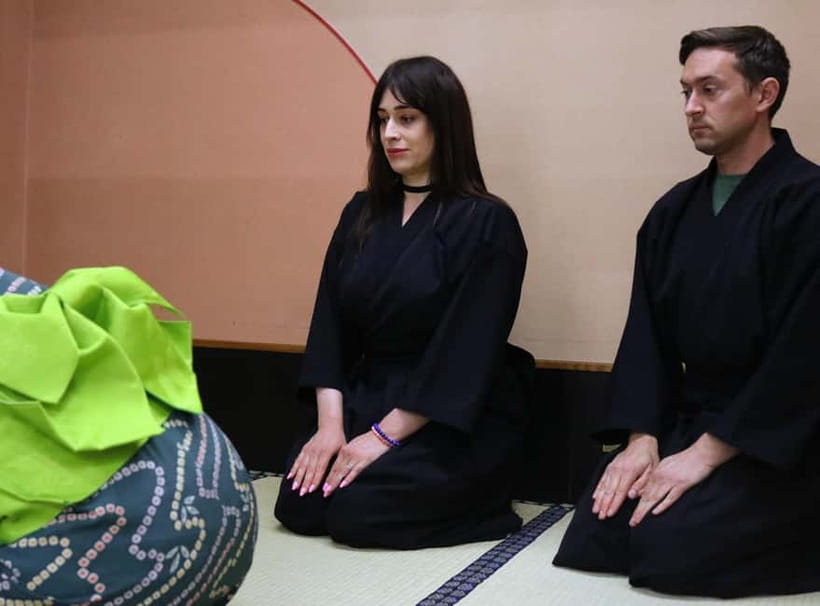
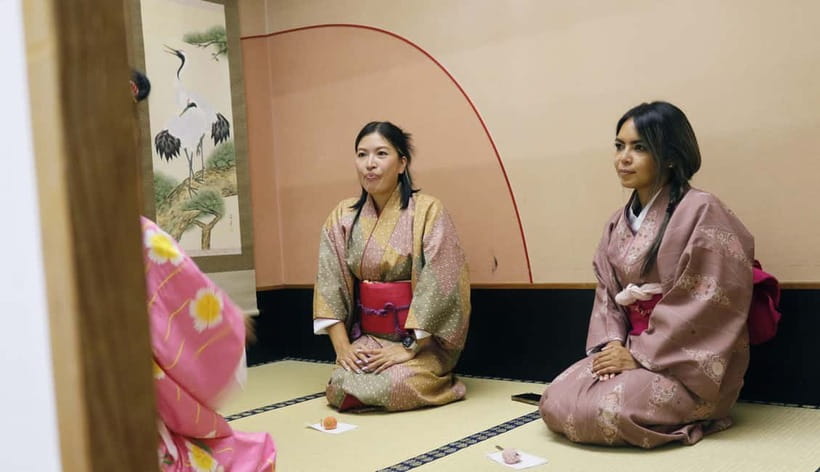
- Samurai or Yamato Nadeshiko attire: Men wear hakama and dogi, while women wear kimono, with optional paid styling choices.
- Matcha and handmade wagashi: You learn the role of powdered tea and seasonal sweets in Japanese culture.
- Photos included: A photographer takes pictures during the experience and sends the files to your designated email address.
- English instruction: The main interpreter language is English, with Japanese also available.
- Simple access details: Meet at Samurai Honor in Joto-ku, Osaka, and use Google Maps because the Apple Maps address is incorrect.
Entering Samurai Honor near Osaka Castle
The actual venue is Bushi no Homare, also called Samurai Honor, at Excellence Takayama 1F, 2-3-19 Shiginonishi, Joto-ku, Osaka-shi. The activity takes place near Osaka Castle, but do not treat the castle grounds as the meeting point. Look for the wooden sign reading Honor of the Samurai, along with activity pamphlets, hanging kimono, and hakama.
This detail matters because the address can cause trouble if you rely on Apple Maps. Use the supplied Google Maps location instead. You do not receive hotel or station pickup, so you are responsible for reaching the venue on your own.
Arrive 30 minutes before your booked start time. That half hour is used for instructions and changing clothes, so arriving late can eat into the actual tea lesson. Bring a T-shirt beneath your clothing. The attire change is part of the activity, not an optional photo add-on.
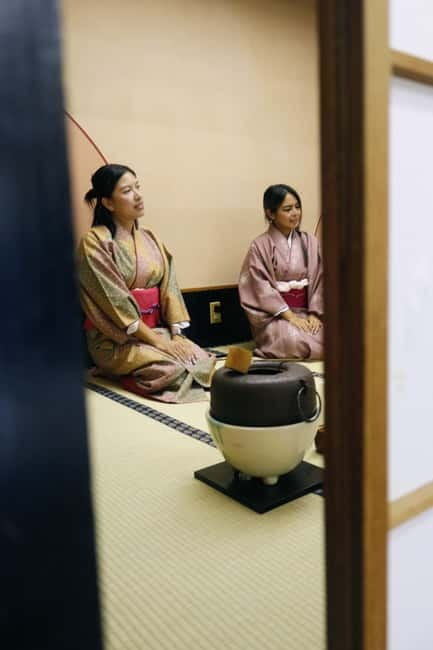
The setup feels more like a cultural workshop than a quick photo stop. You enter a space connected with martial arts, calligraphy, and tea ceremony, then shift into the formal mood of chanoyu, the Japanese tea tradition.
More Japanese Castle Tours in Osaka:
- Osaka Castle: Museum and Tower Entry Ticket
★ 4.5 · 2,380 reviews - Osaka Castle Walking Tour and Castle Tower Admission
★ 5.0 · 561 reviews - From Osaka: Himeji Castle, Arima Onsen & Mt. Rokko Day Tour
★ 4.6 · 339 reviews
Choosing kimono or samurai clothing
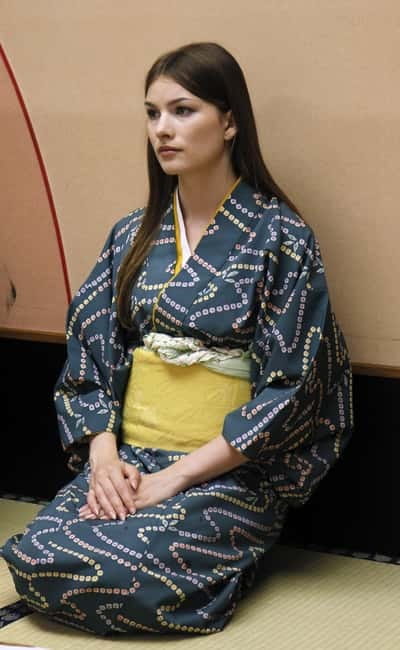
Men wear hakama, the pleated traditional trousers associated with formal Japanese dress, together with dogi, a traditional robe. The intended effect is a samurai presentation, and it gives the ceremony a clear historical flavor.
Women wear kimono and take on the image of Yamato Nadeshiko, a traditional ideal of Japanese femininity. The available kimono colors are chosen during the dressing process, according to the experience details. This gives you some control over the final look rather than leaving the choice entirely to the staff.
The basic booking includes kimono clothing, but several extras cost more. For women, a paid option can include hairstyling with gathered hair and kanzashi, along with kimono, obi, tabi, zori, a basket-style bag, and an outdoor photo session. For men, the optional package can include kimono, obi, tabi, geta, and outdoor photography.
The distinction is worth checking before you book. The included experience does provide clothing and photo shooting, but the more elaborate styling and outdoor photographs are not part of the standard price. One particularly pleasing detail from the experience is that hair was styled and decorated with flowers without an extra charge on at least one visit, so availability may vary. Ask before paying for an add-on if hairstyling matters to you.
The clothing is not just costume theater. Formal dress slows you down. You become more aware of how you sit, bow, walk, and handle objects. That physical change helps explain why tea ceremony etiquette is learned through movement rather than through a short lecture alone.
Learning the tea ceremony as a samurai guest
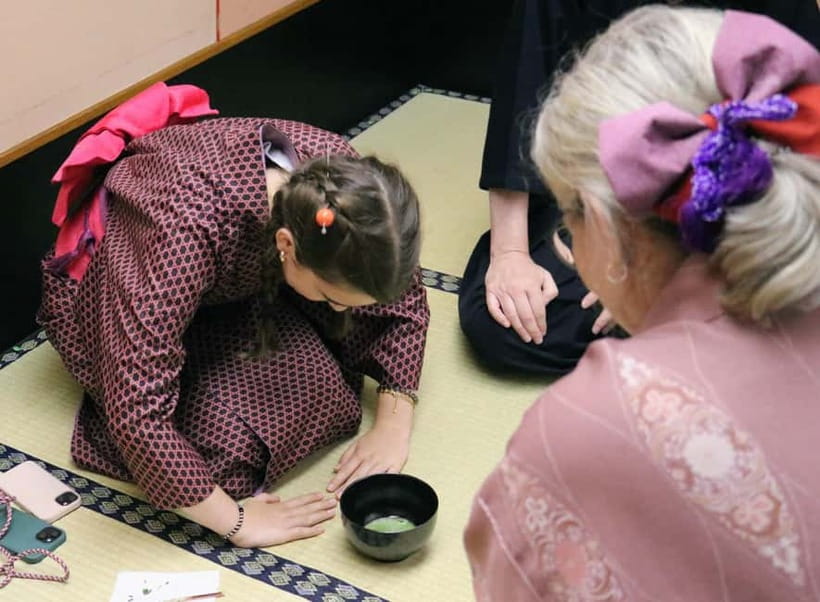
After changing, you take the role of the person receiving hospitality. The instructor follows the traditional manners of serving matcha and guides you through the proper responses.
You learn how to sit, bow, stand, walk, and accept tea. The rules can seem precise at first, but the class is designed to let you practice them. The purpose is not to test you on a long list of customs. It is to show how careful movement creates calm and respect between the person serving tea and the person receiving it.
The tea master prepares matcha, powdered green tea whisked with hot water, and serves it according to the ceremony’s prescribed manners. You then have the chance to prepare tea for another person. That hands-on step is one of the best parts of the class because it turns you from an observer into part of the exchange.
The central idea is that hospitality works in both directions. The person making tea gives care and attention, but the recipient must also respond with awareness. You learn that a tea ceremony is not a one-way performance. Both sides help create the atmosphere.
The entrance to the tea room, called the nijiriguchi, carries this message. Once you pass through it, everyone is treated equally, regardless of nationality, age, gender, or social status. For a short activity, that is a surprisingly strong lesson. It also gives the ceremony more meaning than simply wearing a kimono and drinking green tea.
What the matcha lesson feels like
Matcha has a flavor that can be unfamiliar if you normally drink mild green tea. The ceremony gives you a reason to pay attention to its preparation, serving temperature, texture, and presentation instead of treating it as a quick beverage.
An English interpreter guide explains the process and its cultural background. The main languages are English and Japanese. Italian, Spanish, French, Chinese, Thai, and Indonesian interpreters may be possible, but staff availability is limited, so you need to ask about those languages before booking.
The instructors receive strong praise for their warmth and patient explanations. Kaori is specifically noted for explaining the historical and cultural background while showing the preparation step by step. Another account describes an instructor taking time so each person could make tea. Those details suggest a hands-on teaching style rather than a rushed demonstration.
The small group limit of six helps here. A larger class could make each bow, utensil movement, and tea preparation feel distant. With six or fewer people, you have a better chance to ask questions and take your turn.
Still, keep the schedule in mind. The activity lasts one hour, including the cultural introduction, dressing, ceremony, tea, sweets, and photographs. You receive a focused introduction rather than full training in tea ceremony. If you want a long, highly formal session, this may feel brief.
A few more castle visits around Osaka worth a look
- Château du Bois-Huaut: Cellar Tour and Wine Tasting Class
★ 4.8 · 53 reviews - Blending workshop and tour of the chateau
★ 5.0 · 12 reviews - Matsumoto Castle Tour & Soba Noodle Making Workshop
★ 5.0 · 10 reviews
Wagashi and the beauty of the seasons
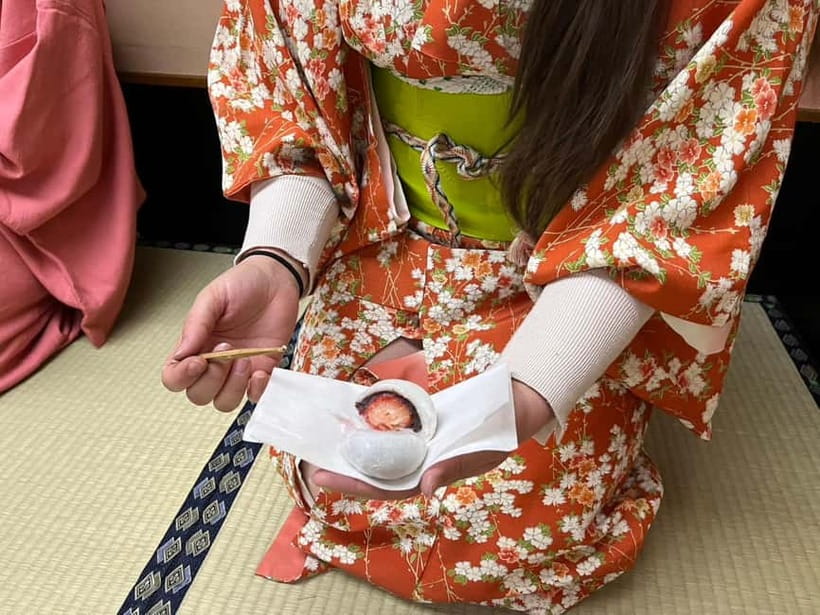
The wagashi is more than a sweet served beside the matcha. These handmade Japanese confections developed alongside the tea ceremony and are designed to express seasonal ideas through color, shape, and detail.
Their appearance often carries the first lesson. The sweets are made by hand, with delicate designs that may suggest spring flowers, summer forms, autumn leaves, or winter simplicity. You learn to notice the connection between food and the Japanese appreciation of the four seasons.
This is where wabi and sabi enter the class. These ideas are difficult to translate with one English word, but they involve beauty found in simplicity, restraint, imperfection, and the marks of time. Wagashi gives you something concrete to look at while the instructor explains those ideas.
You may be tempted to eat the sweet immediately. The class encourages a slower response. First notice its shape, colors, and workmanship. Then taste it with the matcha. The pairing helps balance the tea and makes the lesson feel connected rather than split into separate activities.
For families, wagashi can be an easier doorway into Japanese culture than an abstract explanation of aesthetics. Children can look at the designs, taste the sweet, and then connect those details with the four seasons. Keep in mind that children under 10 are not accepted, so this family activity is aimed at older children and teenagers.
Photos, hairstyles, and the dress-up value
Photography is included. A photographer takes pictures while you are dressed and during the ceremony, then sends the data to your designated email address. One useful detail is that the files may arrive the same day, which makes the experience easy to share while your Osaka visit is still underway.
The photo element does not replace the cultural lesson. It gives you a record of the clothing, gestures, and ceremony, while allowing you to focus on taking part rather than holding a phone throughout the class.
Women who want a more elaborate look should ask about the paid wagami option, which includes gathered hair and kanzashi. The optional outdoor photography package adds another layer, with traditional footwear, bags, and a session outside the venue. Men can also pay for a package with geta and outdoor photographs.
This is where the experience can become more expensive than the advertised $40. The base price is good value for a one-hour class with clothing, matcha, wagashi, instruction, tax, tips, and photos. Add-ons may make sense for a special occasion, but they are not essential to understand the tea ceremony.
Is $40 a fair price?
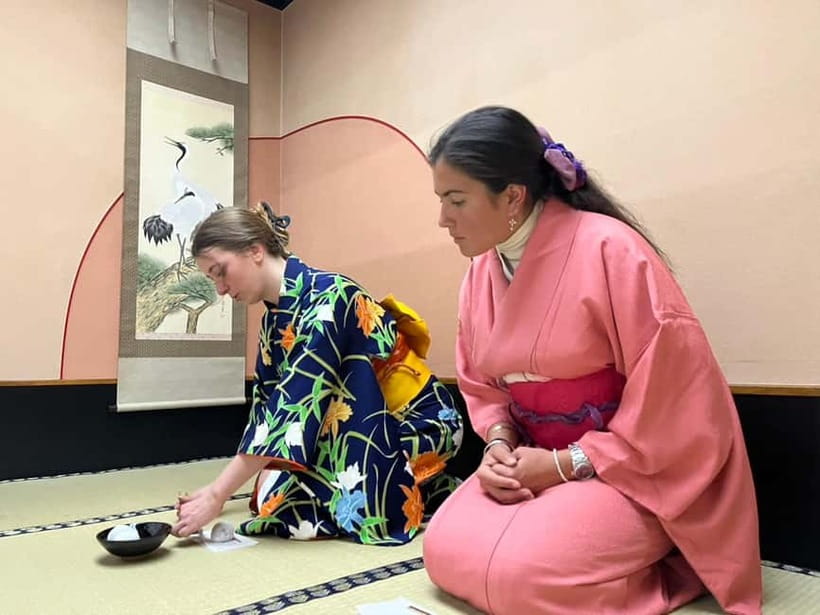
At $40 per person, the basic experience offers more than a simple matcha tasting. You receive traditional clothing, an English interpreter, a certified professional instructor, wagashi, matcha, and photographs. Tips and tax are included, which makes the price easier to assess.
The value is strongest if you want several activities combined in one short session. You get a cultural explanation, a practical lesson, a formal costume change, a taste of Japanese sweets, and a photo record. Paying separately for each piece would likely take more planning.
The price is less compelling if you only want to drink matcha. A one-hour class may feel too structured for someone who prefers a quiet tea room visit with no costume or photography. It also does not include transportation, so you need to budget your own route to Joto-ku.
Reserve now and pay later is available, and cancellation is free up to 24 hours before the experience for a full refund. That is useful if your Osaka schedule depends on weather, castle visits, or changing train plans.
Who will enjoy this Osaka tea class?
I would choose this for you if you want a first, approachable introduction to tea ceremony rather than a specialist course. The English support, small group, and step-by-step instruction make it friendly for people who know little about matcha or Japanese etiquette.
It is particularly good for:
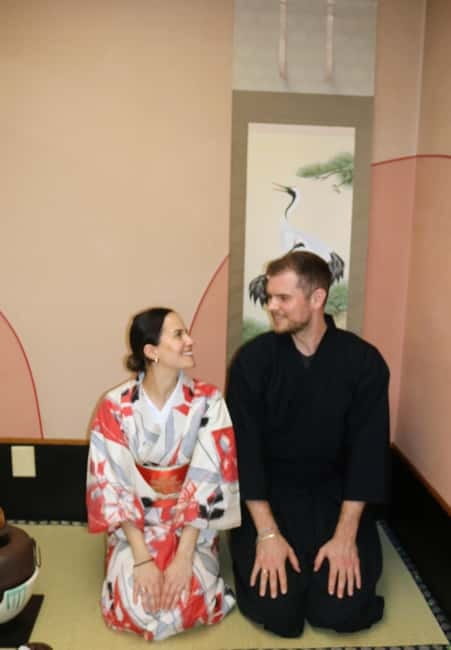
- Couples wanting photos in traditional clothing
- Families with children aged 10 or older
- First-time visitors who want a structured cultural activity
- Anyone interested in Japanese food presentation and seasonal design
- People who enjoy participating rather than watching
The class may not suit you if you need hotel pickup, dislike changing clothes, or want a longer ceremony. The optional hairstyle and outdoor photography costs should also be considered if the visual side is your main reason for booking.
The experience is not suitable for children under 10, people with altitude sickness, or people over 95. Pets, alcohol, drugs, and nudity are not allowed.
My verdict on the one-hour experience
Book it if you want a compact cultural activity with real participation, friendly instruction, and a strong visual element. The best parts are the chance to prepare tea for someone else, the explanation of wagashi and seasonal beauty, and the reminder that hospitality depends on both the server and the person receiving it.
I especially like the balance between tradition and accessibility. You do not need to know formal Japanese etiquette before arriving. You learn through simple actions, then understand why those actions matter.
The main limits are the short duration and the extra cost for full hairstyling or outdoor photographs. Arrive early, use Google Maps, and confirm any language or styling requests in advance. If you do that, this is a well-priced way to experience matcha, kimono, and Japanese hospitality near Osaka Castle without committing half a day.
FAQ
How long does the tea ceremony experience last?
The activity lasts one hour. You should arrive 30 minutes before your reserved start time for instructions and changing clothes.
Where does the experience take place?
It takes place at Bushi no Homare, also called Samurai Honor, at Excellence Takayama 1F, 2-3-19 Shiginonishi, Joto-ku, Osaka-shi, Osaka 536-0014.
How do I find the meeting point?
Look for the wooden sign marked Honor of the Samurai. Activity pamphlets, kimonos, and hakama near the shop can also help identify the venue.
Should I use Apple Maps for directions?
No. The Apple Maps address is incorrect. Use the supplied Google Maps location for directions.
What clothing is included?
Men wear hakama and dogi. Women wear kimono. The basic experience includes kimono clothing, while some styling, footwear, and outdoor photography packages cost extra.
Is matcha included?
Yes. Matcha and wagashi are included, along with instruction from a certified professional instructor.
Is the experience available in English?
Yes. English and Japanese are available. Italian, Spanish, French, Chinese, Thai, and Indonesian support may be possible, but you must ask about staff availability before booking.
Can children join the activity?
Children under 10 cannot join. Children aged 10 or older may participate, provided they meet the other activity requirements.
Just added around Osaka
- (Ticket Included) Explore Osaka Castle & Museum of History★ 4.8 · 21 reviews
- Osaka: Explore Every Bit of Osaka Castle in 3 Hours★ 5.0 · 5 reviews
- Osaka: Early Morning Osaka Castle Guided Tour, Avoid Crowds★ 4.9 · 12 reviews
- Osaka: Osaka Castle 3 hours Historical Walking Tour★ 4.6 · 14 reviews
- Osaka: Osaka Castle – Tsuruhashi – Tennoji (Spanish Guide)★ 4.7 · 10 reviews
- Samurai Armor & Sword experience with phot near Osaka Castle★ 4.6 · 16 reviews
- Osaka: Castle, Tea Ceremony, Calligraphy, and Samurai Armor!★ 5.0 · 4 reviews
- Osaka: 1-Day Guided Tour – Sky Bldg, Castle, Namba Shinsekai★ 5.0 · 6 reviews
Japanese Castle Tours, compared.
Nijo-jo Castle and Ninomaru Palace Guided Tour
Read our review →
Nijo Castle, Kiyomizu & Fushimi Inari Guided Tour
Read our review →
Osaka Castle Walking Tour and Castle Tower Admission
Read our review →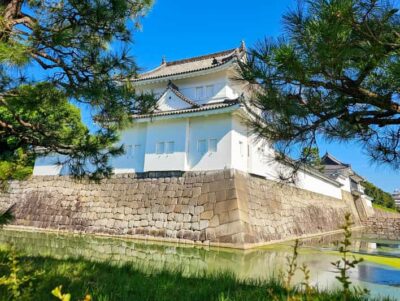
Imperial Palace & Nijo Castle Guided Walking Tour
Read our review →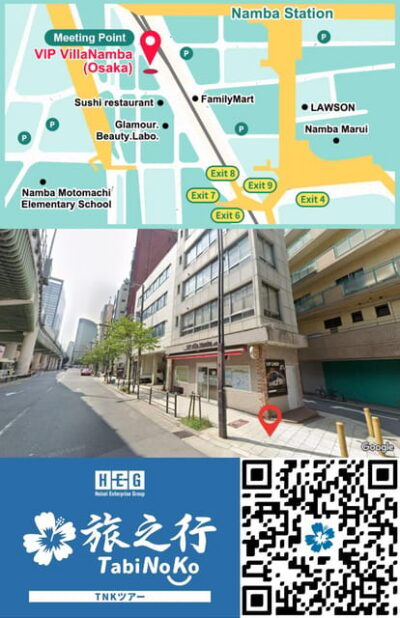
Himeji Castle, Arima Onsen & Mt. Rokko Day Tour
Read our review →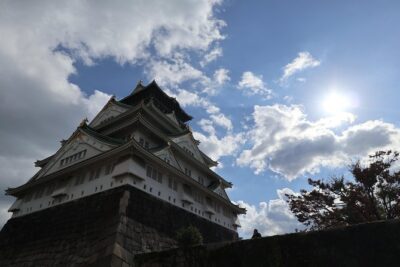
5-Hour Osaka Bike Tour to the Neighborhood of Osaka Castle
Read our review →
Browse the lists this tour appears in