Review · KRAKOW
Guided Tour of the Wawel Castle & Cathedral in Cracow
Royal Kraków begins on Wawel Hill. This two-hour guided visit brings you through the State Rooms, Wawel Cathedral, the royal crypts, and the tower holding the Sigismund Bell. I like the clear focus on Polish kings, coronations, art, and national legends, and I like that priority entry helps you spend more time looking and less time waiting. The $58 price is fair if you want context and efficient access, though two hours is not enough to see every part of Wawel Castle.
The tour is especially strong in the cathedral and tower. A German guest praised the detailed explanations and the climb to the tower, while an Italian guest found the guide clear and helpful but regretted not seeing everything. That is the key tradeoff: good interpretation in a short visit, but not a full survey of the entire complex.
Key points to know before booking
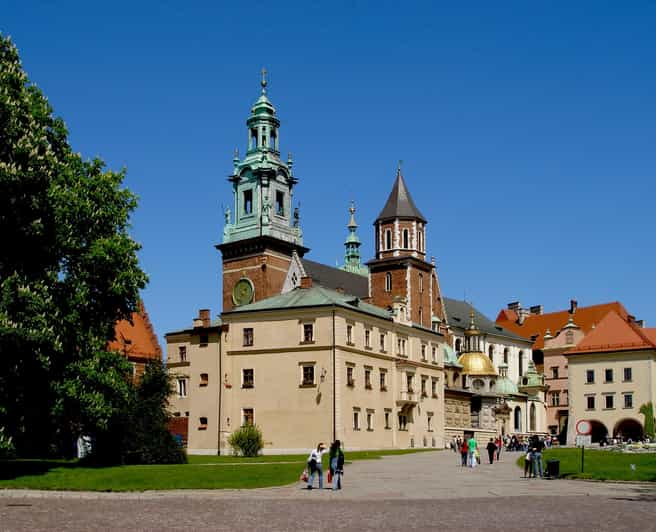
- The State Rooms show Poland’s royal side: Renaissance decoration, historic wall hangings, Italian art, arms, porcelain, and Eastern objects give the castle real visual range.
- Wawel Cathedral is the ceremonial heart of the visit: Its chapels, domes, and royal connections add meaning beyond the castle rooms.
- The Sigismund Bell is the tour’s memorable high point: You can touch it for good fortune and look across Kraków from the tower.
- The royal crypts add a solemn finish: Poland’s rulers and major national figures are buried below the cathedral.
- The tour lasts about two hours: That works well for a first look, but the pace may feel brisk if you want to study every display.
- The meeting point is not on Wawel Hill: Check your voucher carefully and arrive at least 10 minutes early.
Why Wawel Hill matters in Kraków
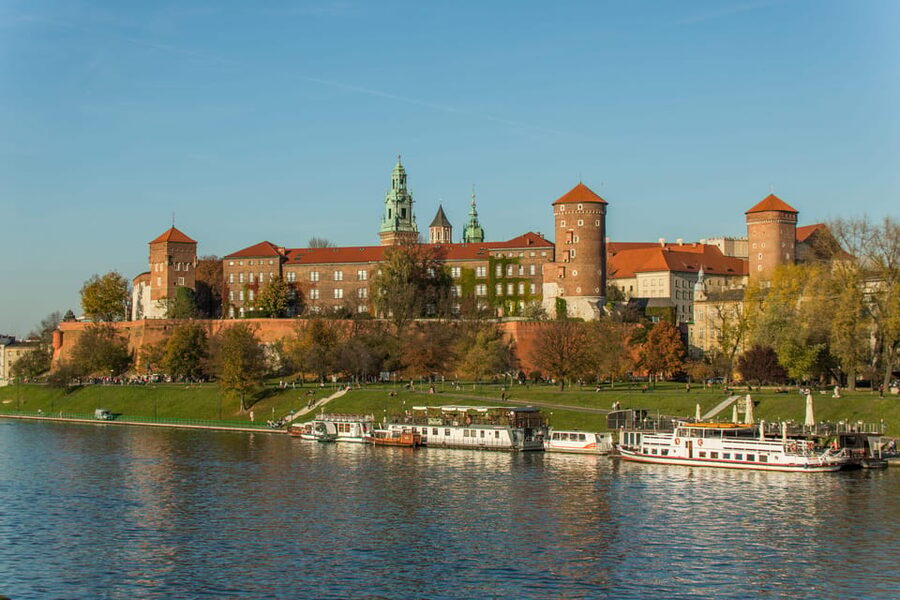
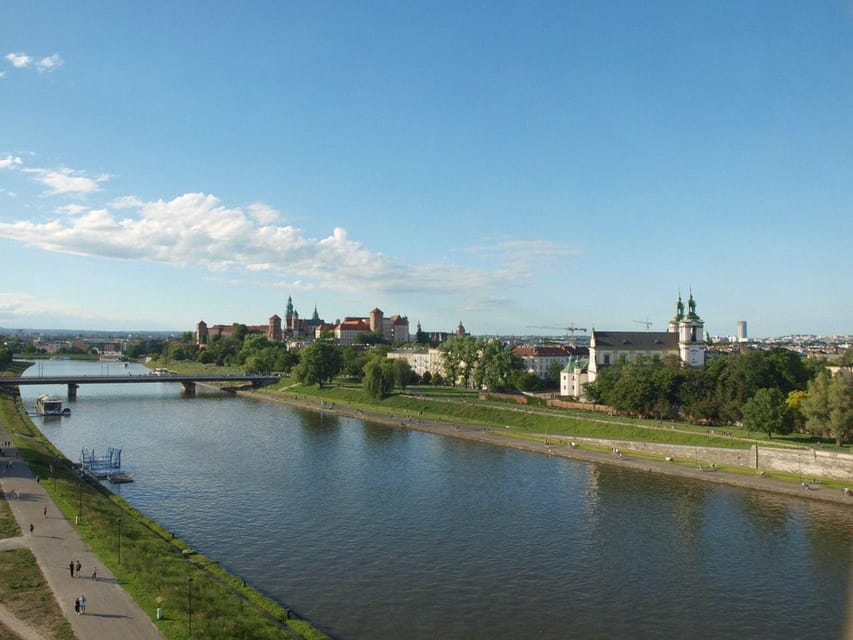
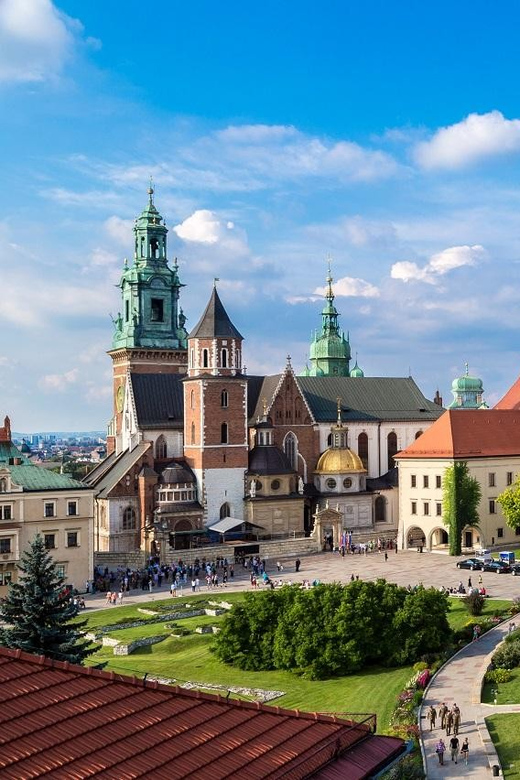
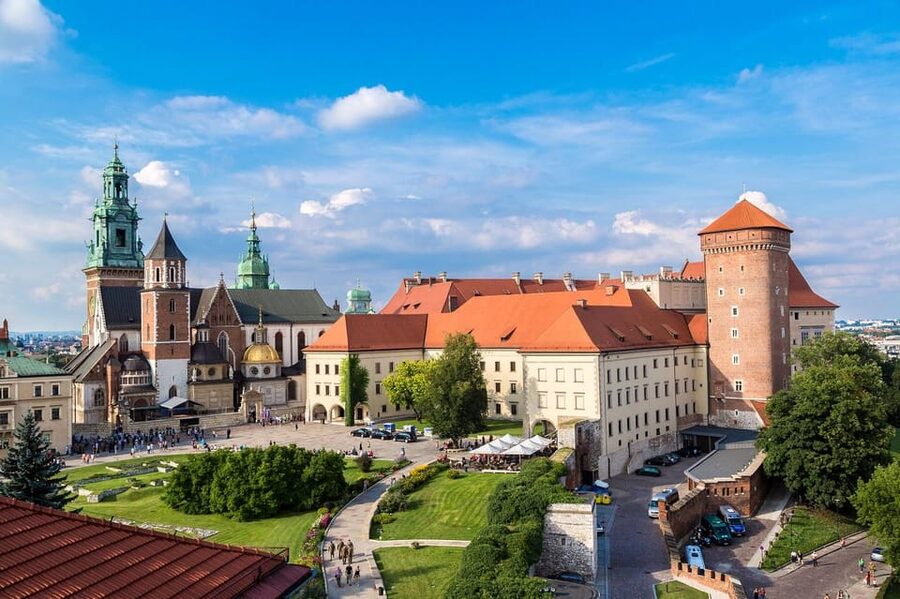
Wawel Hill is more than a scenic rise above Kraków. It represents Polish royal power, religious ceremony, national memory, and artistic ambition in one compact place. The castle and cathedral sit together, but they tell different parts of the story.
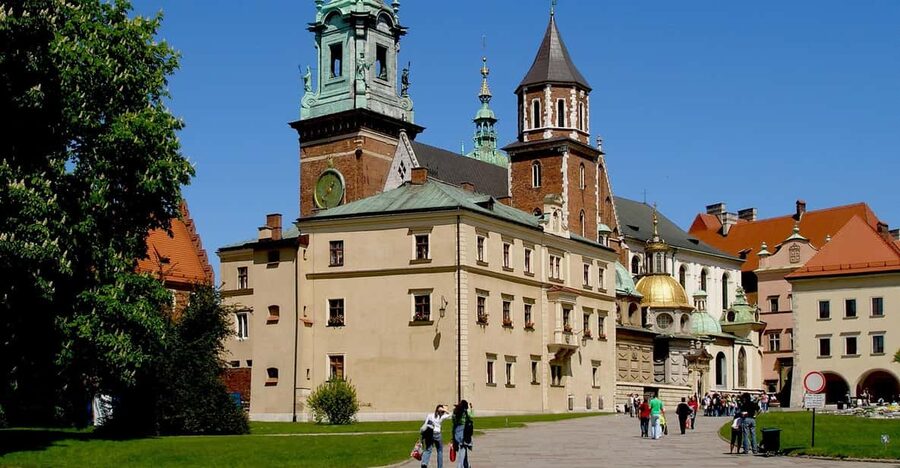
The castle presents the monarchy through rooms, objects, decoration, and court culture. The cathedral shows the spiritual and ceremonial side of royal Poland, including coronations, chapels, tombs, and the great bell tower.
I think this pairing gives the tour its value. You are not looking at two unrelated monuments. You are moving between the rooms where rulers lived and the church where Poland honored them. A guide helps connect those spaces, which can otherwise feel like a series of beautiful but separate rooms.
The visit is designed for people who enjoy history, architecture, and art. You do not need to arrive with a long list of Polish rulers in your head. The guide’s job is to explain why the objects, chapels, and burial places matter.
More Castle and Cathedral Tours in Krakow
- Krakow: Wawel Castle & Cathedral Guided Tour
★ 4.7 · 2,111 reviews - Krakow: Wawel Royal Hill with Optional Castle and Cathedral
★ 4.2 · 1,220 reviews - Krakow: Wawel Castle and Cathedral Guided Tour
★ 4.6 · 595 reviews
Entering the Royal Castle and its State Rooms
The castle section focuses on one permanent exhibition, with skip-the-line entry subject to availability. That wording matters. Priority access is included, but access to a particular exhibition can depend on what is available when your tour operates.
Inside, the State Rooms provide the grandest expression of royal life. You can expect Renaissance decoration, historic wall hangings, and formal interiors shaped for court use. These rooms are not simply empty shells. Their design shows how the monarchy used art and architecture to project authority.
The Lanckoroński collection of Italian art adds another layer. It gives the visit a wider European frame, showing that Polish royal culture was connected to major artistic traditions beyond Poland’s borders. If you like painting, this is one of the tour’s most important stops.
The castle displays also include porcelain, arms, and objects from Eastern cultures. The collection of Ottoman tents is particularly unusual, described as the largest set in Europe. That detail helps correct a narrow view of Poland as culturally isolated. Wawel’s collections point toward the country’s long position between Western and Eastern worlds.
I would pay attention to the range of objects rather than trying to remember every name. A polished royal room tells you about ceremony. Arms suggest military power. Porcelain reflects taste and status. Ottoman tents bring diplomacy, conflict, and cultural contact into the picture.
The possible weakness is time. One permanent exhibition in two hours means the guide must make choices. If you like to read every label or linger over individual paintings, you may want a separate return visit. The tour is better for getting the main story and seeing the most important spaces than for a slow museum study.
The art and objects that make Wawel different
Many castle tours rely almost entirely on architecture. Wawel has more to offer because its collections fill the rooms with evidence of royal life.
The Italian art connected with the Lanckoroński collection gives you a chance to see works chosen for a royal setting. The arms and armor point to the political and military pressures faced by Polish rulers. Porcelain reveals the taste and ceremony of the court.
The Ottoman tents are perhaps the most distinctive display. They connect Wawel with the wider world and give the collection a strong visual surprise. You may not expect such an important group of Ottoman objects in Kraków, which is exactly why this part helps make the visit memorable.
A guide is useful here because a collection can otherwise become a blur of valuable things. The tour’s strongest praise concerns explanation. Walter from Germany specifically highlighted the detailed account of Polish history, and that is the sort of help you want in rooms where the objects do not explain themselves.
If you are mainly interested in paintings, you will appreciate the Italian collection. If you prefer military history or international connections, the arms and Ottoman material may hold your attention longer. The variety means the castle does not depend on one type of visitor.
Inside Wawel Cathedral, Poland’s royal church
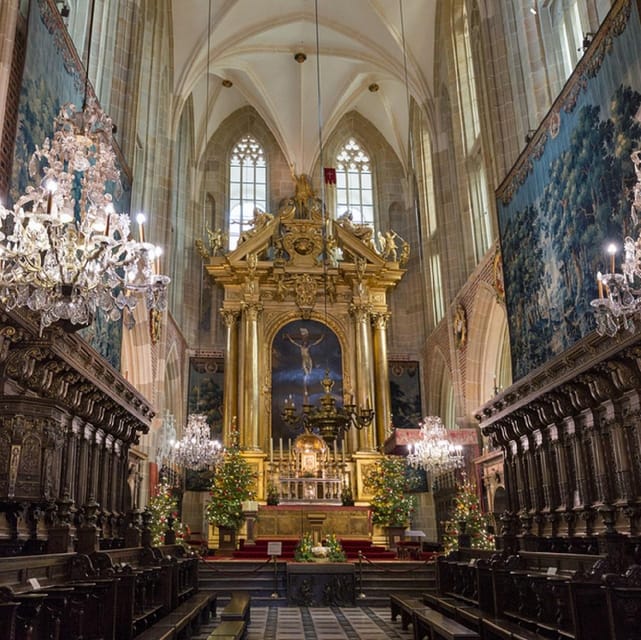
The route continues to Wawel Cathedral, the ceremonial center of the Polish monarchy and the place associated with royal coronations. The mood changes here. The State Rooms are formal and courtly. The cathedral feels more devotional, symbolic, and personal.
Expect richly decorated chapels, gilded domes, and carefully crafted architectural details. The cathedral rewards looking upward and into side spaces, not just straight down the main route. Your guide can explain how the building served both religious purposes and national ceremony.
The chapels are a major reason to choose a guided visit. Their details can be easy to miss when you walk alone, especially when several periods and styles appear close together. The guide’s explanation can show how the cathedral’s decoration relates to the rulers, saints, and ceremonies connected with the building.
The cathedral also gives the tour a human dimension. Kings are not presented only as names in a timeline. Their coronations, burial places, and national legends are tied to a living religious building. That connection makes the history easier to grasp.
Dress carefully. Clothing must cover your shoulders and knees in places of worship and selected museums. Shorts and sleeveless tops are not permitted. This is a small practical point, but ignoring it can create a problem at the most important part of the visit.
More Castle and Cathedral Tours in Poland
- Krakow: Wawel Castle and Cathedral Guided Tour
★ 4.7 · 273 reviews - Krakow: Wawel Guided Tour – Cathedral and/or Castle
★ 4.5 · 249 reviews - Krakow: Wawel Castle & Cathedral Guided Tour
★ 4.5 · 20 reviews - Krakow: Wawel Castle, Cathedral, Rynek Underground & Lunch
★ 4.4 · 12 reviews
Climbing to the Sigismund Bell and city views
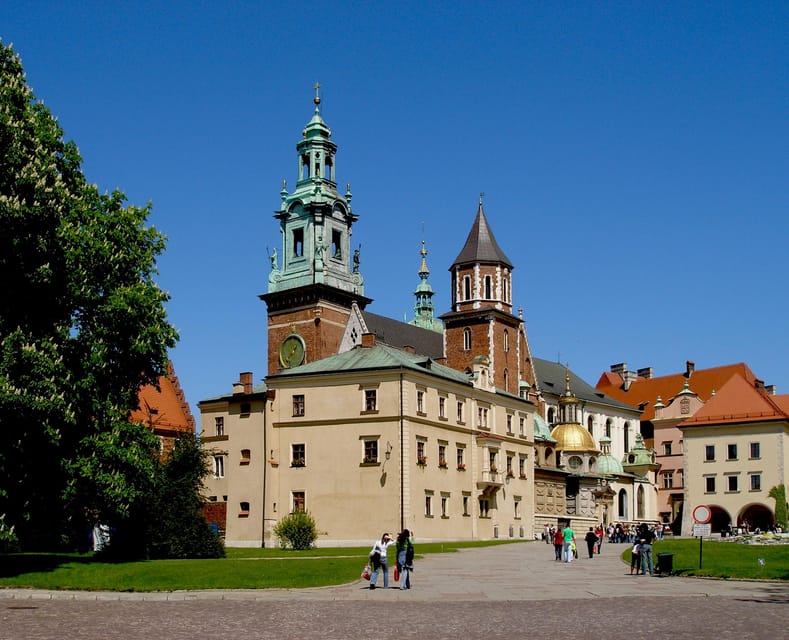
The tower visit is one of the clearest highlights. You can climb to the Sigismund Bell, touch it for good fortune, and take in broad views across Kraków.
The bell carries symbolic weight as well as physical presence. It connects the cathedral to royal ceremony and national tradition. The chance to touch it gives the tour a simple, memorable moment that is more personal than merely viewing an object behind a barrier.
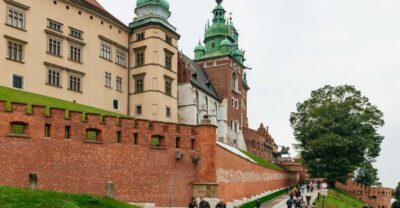
The tower also changes your sense of Wawel. From the ground, you see a powerful complex of stone, chapels, towers, and courtyards. From above, you can understand its position over Kraków and see how the hill relates to the city around it.
The climb is worth noting when planning your day. The provided information does not specify the number of steps or the exact difficulty, so you should be prepared for a tower ascent rather than a flat museum walk. If the bell and view are priorities, confirm that your selected option includes this part, since the precise meeting and tour arrangements can vary by option.
The Italian guest who found the guide clear and helpful also mentioned locating the bell clapper but not being able to see everything. That is a useful warning. The bell is a strong highlight, but the full Wawel complex cannot be covered in depth during a two-hour visit.
Descending into the royal crypts
After the tower, the route continues below the cathedral to the royal crypts. This part is quieter and more solemn than the rooms above.
The crypts are the final resting place of Poland’s most important rulers and national figures. That makes the visit more than an architectural stop. You are seeing the place where the country’s royal and public memory is gathered.
I find this order of stops effective. The castle introduces power and court life. The cathedral shows ceremony and faith. The tower offers a physical and visual high point. The crypts bring the story back to mortality and remembrance.
Do not expect the crypts to feel like a conventional museum gallery. Their value comes from the people buried there and the role of the space in Polish identity. Your guide’s commentary matters, since names and dates alone may not explain why a particular tomb carries national importance.
What the two-hour format does well
Two hours is long enough to create a useful first understanding of Wawel without taking over your entire day. You get a guided route through the castle grounds, one permanent castle exhibition when available, the cathedral, tower, and crypts.
That compact format suits a first visit. You can learn the broad story, see the key interiors, and decide if you want to return for more detailed museum time. It also works well if Kraków is part of a longer Polish itinerary and you need to protect time for other sights.
The limitation is just as clear. Wawel contains more than this tour can cover carefully. The guide has to keep the group moving, and you may have only a short time with objects that deserve closer inspection.
Groups can include up to 30 people, in line with museum rules. That is not a tiny private visit, so do not expect constant one-on-one attention. For groups of nine or more, audio headsets are included, which should make it easier to follow the guide in larger groups.
The tour is conducted in one language selected at booking. Available languages are English, German, Polish, Italian, Spanish, and French. Pick carefully, since the group does not switch languages during the visit.
Is $58 a fair price?
At $58 per person, this is not the cheapest way to walk around Wawel. The value depends on what you want from the visit.
If you only want to see the outside of the castle and cathedral, the price may feel high. If you want a licensed local guide, priority entry to one permanent castle exhibition, cathedral admission, and explanations linking art to Polish royal history, the cost is easier to justify.
I think the price works best for a first-time visit. Wawel is important enough that wandering in without context can leave you with attractive rooms but a scattered understanding. A guide gives the building a clear sequence and helps you decide what deserves your attention.
The price is also more defensible if you care about the cathedral, bell tower, and crypts as much as the castle. You are paying for a connected experience, not just a museum ticket. Still, you should not book it expecting exhaustive coverage. The tour gives you a strong overview, not every room and collection.
Meeting point, timing, and small details that matter
The meeting point can vary according to the option you book, and it is not on Wawel Hill. Your voucher provides the exact location. Check it before setting out, because assuming you should meet at the castle could lead to a late arrival.
Arrive at least 10 minutes early. Once the group has entered, late arrivals cannot join, and the tickets are non-refundable. This is especially important because the tour includes priority entry and group access, so the guide cannot simply stop and wait.
You can cancel up to 24 hours before the start for a full refund. A reserve-now, pay-later option is also available, which helps if your Kraków schedule is still shifting.
The experience is guided in a single language, and the maximum group size is 30. Audio headsets are included for groups of nine or more. These details make a difference in a large historic complex, where it is easy to lose the guide’s voice.
Who will get the most from this Wawel tour?
I would choose this tour if you want the main royal and religious story in one organized visit. It suits you especially well if you enjoy art, architecture, Polish history, royal ceremony, or national legends.
It is also a good match if you prefer explanations to independent label reading. The strongest praise centers on clear, detailed guidance, particularly in the cathedral and tower. A good guide can turn the Lanckoroński art, Ottoman tents, chapels, and crypts into parts of one story.
You may want another plan if you need a slow, highly detailed museum visit. Two hours and one selected permanent exhibition cannot cover every part of Wawel. You may also feel rushed if your main goal is photography or close study of individual artworks.
The tour is available in English, German, Polish, Italian, Spanish, and French. That broad language choice makes it practical for many visitors, but you must choose one language when booking.
Should you book the Wawel Castle and Cathedral tour?
Book it if you want an efficient first look at Kraków’s most important royal site, with the cathedral, tower, bell, crypts, and castle interiors tied together by a guide. The detailed historical explanations and the cathedral visit are the strongest reasons to go.
Keep your expectations realistic. At $58, you are buying context, access, and a carefully planned route, not unlimited time inside every collection. Arrive early, dress properly for the cathedral, check the meeting point, and select your language with care.
For most first-time visitors who want more than a quick exterior view, this is a worthwhile introduction to Wawel. If you already know the complex well or prefer to explore museums slowly, use the tour as an overview and save time for an independent return visit.
FAQ
How long does the Wawel Castle and Cathedral tour last?
The guided experience lasts about two hours. Starting times vary, so you should check availability when choosing a date.
What languages are available?
The tour is offered in German, Polish, Italian, Spanish, French, and English. Each group uses one language selected at booking.
Is skip-the-line access included?
Priority entry to one permanent exhibition at Wawel Castle is included, subject to availability. The tour also includes admission to Wawel Cathedral.
Where does the tour meet?
The meeting point may vary by booking option, and it is not on Wawel Hill. The exact location is provided on your voucher.
What should I wear?
In the cathedral and selected museums, clothing must cover your shoulders and knees. Shorts and sleeveless tops are not permitted.
What happens if I arrive late?
You should arrive at least 10 minutes before the scheduled start. Once the group has entered, late arrivals cannot join, and the tickets are non-refundable.
More Guided Castle Tours in Poland
- Krakow: Skip-the-Line Wawel Castle and Hill Guided Tour
★ 4.8 · 4 reviews - Krakow: Wawel Castle Guided Tour with Skip-The-Line Entry
★ 5.0 · 2 reviews - Warsaw: Skip-the-Line Royal Castle Guided Tour
★ 4.9 · 79 reviews - Skip-the-Line Warsaw Royal Castle Private Guided Tour
★ 5.0 · 4 reviews
More Guided Castle Tours in Krakow
- Krakow: Wawel Castle Guided Tour with Entry Tickets
★ 4.4 · 381 reviews - Krakow: Skip-the-Line Wawel Castle & Old Town Guided Tour
★ 4.9 · 23 reviews - Krakow: Wawel Castle Guided Tour
★ 4.7 · 14 reviews - Cracow: Guided Tour of the Wawel Castle & Cathedral
★ 4.5 · 7 reviews
Just added around Krakow
- Krakow: Wawel Castle Guided Tour with Skip-The-Line Entry★ 5.0 · 2 reviews
- Krakow: Skip-the-Line Wawel Castle & Old Town Guided Tour★ 4.9 · 23 reviews
- Rynek Underground Museum & Wawel Castle, Cathedral – Cracow★ 5.0 · 3 reviews
- Krakow: Wawel Castle, Cathedral, Salt Mine, and Lunch★ 5.0 · 2 reviews
- Krakow: Wawel Castle Guided Tour★ 4.7 · 14 reviews
- Krakow: Wawel Castle, Cathedral, Salt Mine, and Lunch★ 4.9 · 6 reviews
- Krakow: Wawel Castle, Cathedral, Rynek Underground & Lunch★ 4.4 · 12 reviews
- Krakow: Wawel Castle, Cathedral, Salt Mine, and Lunch★ 4.9 · 4 reviews
Wawel & Polish Castles, compared.
Wawel Royal Hill with Optional Castle and Cathedral
Read our review →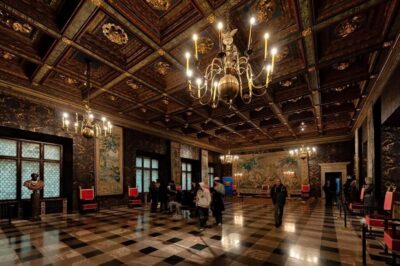
Kraków: Old Town & Wawel Castle Walking Tour in English
Read our review →