
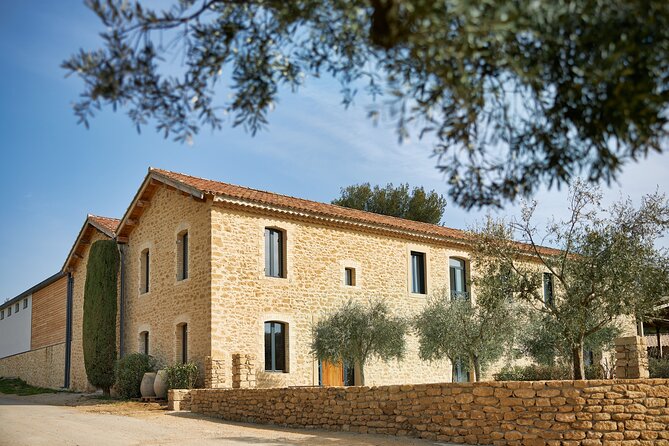
Review · AVIGNON
Visit of the cellars of Château Gigognan with tasting
Wine begins before it reaches your glass. At Château Gigognan, you follow that journey from grape reception to fermentation, then into the barrel cellar and finally to a guided tasting. I especially like the behind-the-scenes winery visit and the way the tour connects practical winemaking with the château’s past. The warm, patient welcome is another plus, with one guide explaining everything first in French and then in English for an English-speaking visitor.
The main consideration is the meeting point: the tour is in Sorgues at 1180 Chemin de Castillon, not in central Avignon. You will also want to confirm availability before making firm plans, since booking confirmation can take up to 48 hours.
Key points at a glance
- Grape reception and vinification: See where the grapes arrive and learn how the winery turns them into wine.
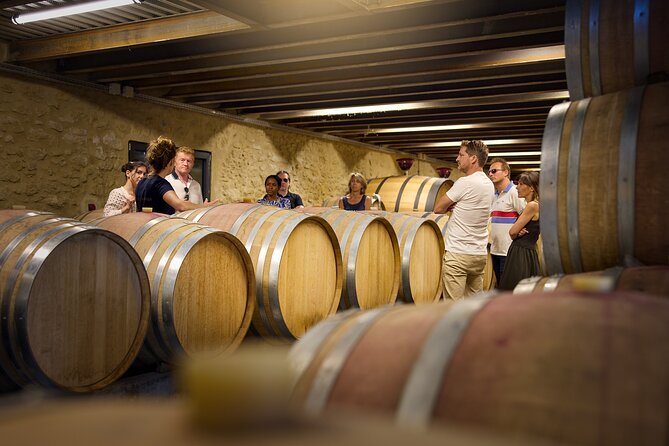
- A real barrel-cellar stop: The tour includes a commented visit to the room where wines mature in barrels.
- A tasting that follows the lesson: You taste at the end, after hearing how the wine was made.
- A small enough group to stay personal: The maximum group size is 30 people.
- English is offered: The guide can provide the experience in English, and one particularly helpful visit included French explanations followed by English.
- A short, focused outing: The visit lasts about 90 minutes and returns to the starting point.
Why Château Gigognan works for a short wine outing
Château Gigognan offers a neat introduction to wine production without asking you to give up half a day. In about an hour and a half, you get a guided cellar visit, an explanation of the winemaking process, a barrel-room stop, and a tasting. That makes it easy to fit into a day based in or around Avignon.
I like this format because it gives the tasting some context. You are not simply handed a glass and told what to think. First, you see where the grapes are received. Then you hear how the wine is made and how barrel aging fits into the process. By the time you taste, you have a better sense of what is in the glass and why.
The visit also has a clear human touch. A French-speaking guide once repeated the explanations in English for an English-speaking visitor with only beginner-level French. That small effort matters. Wine vocabulary can become complicated fast, and a relaxed explanation is much more useful than a hurried speech packed with technical terms.
Still, this is not a long estate tour or a full day among vineyards. The information provided centers on the cellars, winery, barrel room, and tasting. If you want extensive time outdoors or a broad regional tour, you will need to plan something else around it.
A few more castle visits around France worth a look
- From Paris: Loire Valley Castles Day Trip With Wine Tasting
★ 4.6 · 1,727 reviews - Beaune: Wine Tasting at Château de Pommard
★ 4.6 · 353 reviews - Nice : Wine Tasting at a Historic Château in a Land Rover !
★ 4.9 · 156 reviews
Finding the winery at 1180 Chemin de Castillon
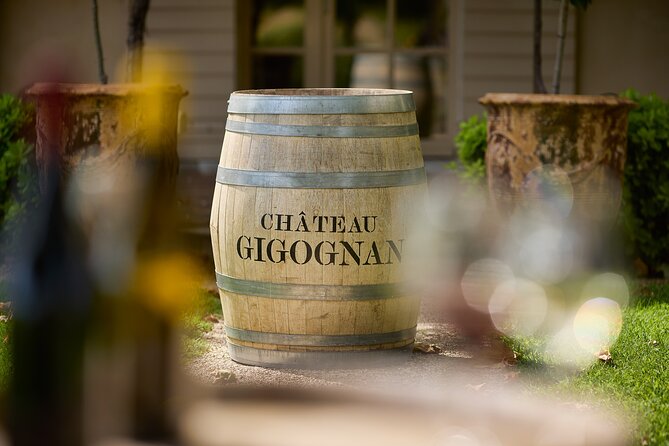
The stated meeting point is 1180 Chemin de Castillon, 84700 Sorgues, France. The activity begins and ends at this same location, so you do not need to arrange a separate return point after the tasting.
This address is worth checking carefully before departure. The experience is marketed for visitors in Avignon, but the actual starting point is in Sorgues. Use the full address when planning your route rather than searching only for Château Gigognan or Avignon.
The scheduled start time is 11:00 a.m. That is a useful slot for a morning visit, especially if you want to keep your afternoon open. It also means you should allow enough time to reach the winery without rushing. No transportation to the meeting point is included in the supplied details, so your arrival plan needs to be handled separately.
The tour is offered in English. If you have some French, you may hear both languages during the visit, but English is specifically listed as an available option. For a wine tour, that is important because details about fermentation, barrels, and tasting can be hard to follow when you are relying on a few familiar words.
Starting with the château’s story
The visit opens with the history of the château. This gives the rest of the tour a sense of place before you move into the working areas of the winery.
The supplied details do not name particular owners, dates, or architectural features, so I would not book this expecting a long historical lecture. Instead, think of this opening as an introduction to Château Gigognan and its role as a wine-producing estate.
That approach suits the length of the experience. The tour has to cover several stages in 90 minutes, and the introductory talk prepares you for the practical part that follows. You get enough background to understand why the estate matters without spending the whole morning on names and dates.
A good tip is to listen for the connection between the château and its wine production. The most useful historical detail here is not simply what happened in the past. It is how the estate’s identity connects to the winery you are about to see.
Inside the winery where grapes become wine
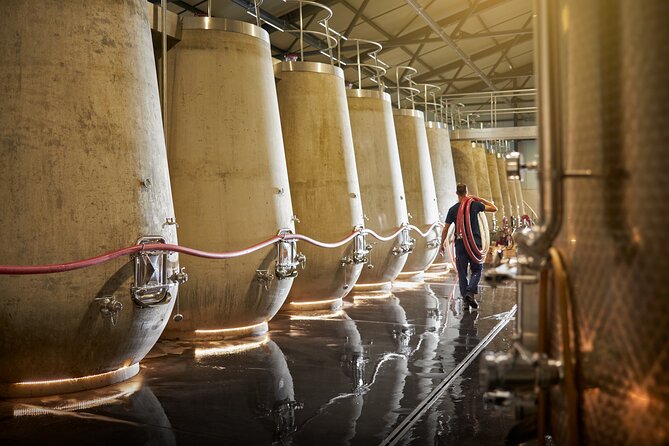
The first working stop is the winery, where the grapes are received and vinified. This is the most useful part of the visit for anyone who has enjoyed wine but has never seen the production process up close.
Your guide explains the techniques used behind the scenes. The available information does not specify the exact equipment, grape varieties, fermentation vessels, or aging schedule, so you should expect a general explanation rather than a technical production report.
Even so, this stop gives the tasting a foundation. You learn that wine production is a series of decisions, beginning when the grapes arrive and continuing through fermentation and later aging. That makes the final tasting more interesting because you can connect the flavor in your glass to the steps you have just heard about.
I also like that the winery comes before the barrel room. The order makes sense. You first learn what happens to the grapes at the beginning of the process. Then you see one of the later stages of wine development. It is a simple sequence, but it helps you keep the information straight.
For beginners, this is likely the strongest part of the experience. You do not need prior wine knowledge to follow the basic story. For experienced wine drinkers, the value depends on how detailed the guide becomes during your particular visit, since the supplied information does not promise a specialist-level technical session.
Same region, a different set of walls:
- Loire Valley Castles Day Trip from Paris with Complementary Wine
★ 4.5 · 3,907 reviews - Carcassonne: Castle and Ramparts Entry Ticket
★ 4.6 · 2,884 reviews - Chambord: Entry Ticket to the Castle
★ 4.6 · 1,841 reviews - Chenonceau Castle Admission Ticket
★ 4.7 · 1,515 reviews
The barrel cellar and the value of seeing aging
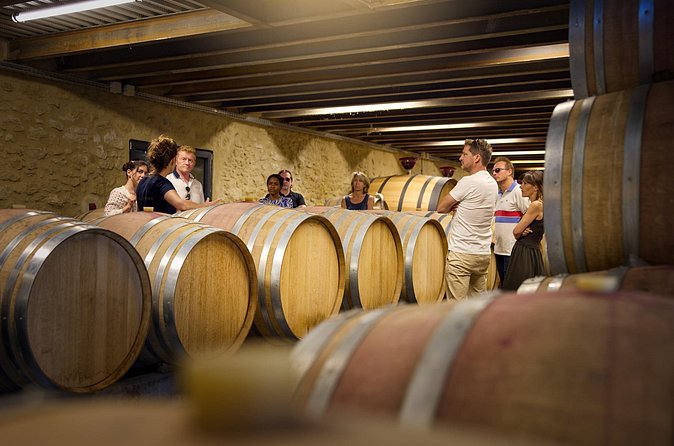
The tour continues with a guided stop in the barrel cellar. This is the part of the visit that gives you a clearer picture of wine after fermentation and before it reaches the bottle.
A barrel cellar also adds a different atmosphere from the working winery. The first area is about receiving grapes and producing wine. The barrel room is about time, storage, and development. Your guide provides commentary so you can understand what the barrels are doing in the larger process.
The description does not specify the number or type of barrels, the wines stored there, or how long they age. That means I would avoid arriving with the expectation of a detailed comparison of oak types. The safe expectation is a guided explanation of the barrel cellar’s purpose and place in production.
This stop is valuable because it makes an otherwise invisible stage visible. Most visitors encounter wine only at the shop, restaurant, or tasting room. Here, you see where part of the waiting happens. That helps explain why a bottle is not simply made, labeled, and sold immediately.
If you are short on time, the barrel-cellar visit also gives the tour a sense of variety. You are not standing in one room for the entire 90 minutes. The route moves through different parts of the operation, and each stop answers a different question.
The final tasting, after the explanation
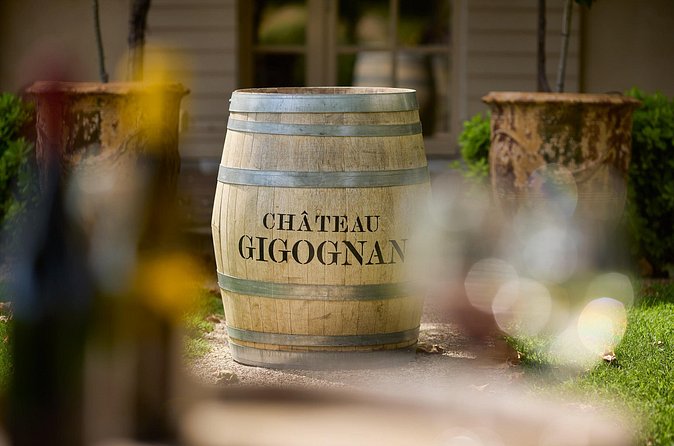
The visit ends with a wine tasting that combines the information from the tour with the pleasure of trying the wines. This timing is one of the experience’s best features.
Many tastings begin with a glass and offer explanations afterward. At Château Gigognan, you first hear about the estate and production process, then taste. That order gives you something specific to listen for. You can think about the style of the wine, the production choices, and how the cellar work relates to what you are drinking.
The supplied details do not list the wines served, the number of pours, or whether food is included. Do not assume a full meal or an extensive flight. The clear promise is a wine tasting at the end of the guided visit.
For a beginner, this is an easy way to approach tasting without pressure. You can ask questions in the context of what you have just seen. For someone already familiar with wine, the tasting may be more about enjoying Château Gigognan’s own production than collecting a broad survey of the entire Rhône region.
The friendly tone matters here. A visit that feels tense can make even good wine education tiring. One English-speaking visitor described the welcome as warm and relaxed, with the guide taking the time to repeat the explanation in English after speaking in French. That suggests the tasting is intended to be social and accessible, not a test of wine vocabulary.
Language, group size, and the feel of the visit
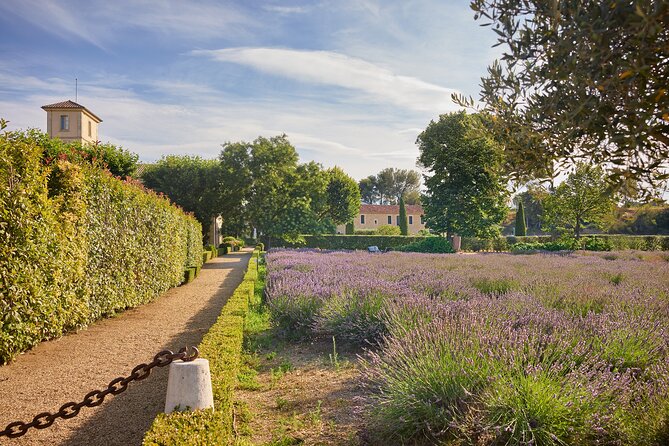
English is offered, which makes the tour practical for international visitors. The maximum group size is 30 people. That is not a private tour, but it is limited enough to keep the experience more focused than a large coach-group presentation.
The group size can still affect the mood. With a full group, you may have to wait your turn to ask questions or position yourself where you can hear clearly. The available details do not promise a private or semi-private format, so book this for guided group learning rather than personal attention at every moment.
The French and English explanation described above is a useful sign for visitors who are not fluent in French. It also shows why you should feel comfortable asking for clarification if a winemaking term goes by too quickly. The guide’s willingness to repeat the material can make a real difference.
Service animals are allowed, and most people can participate. No special physical requirements are listed. Since the visit takes place in winery and cellar areas, you should still consider your own comfort with walking through those spaces, but the supplied information does not identify a specific mobility restriction.
Is $31.44 a fair price?
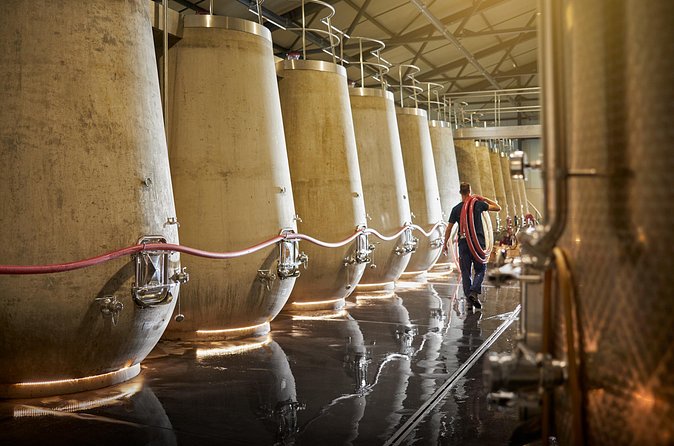
The listed price is $31.44 per person. For that amount, you receive a guided experience lasting about 90 minutes, access to the winery and barrel cellar, explanations of the production process, and a tasting.
I consider that fair value if you want more than a quick drink. The price pays for a structured introduction to Château Gigognan, not just the wine in your glass. You are also buying the guide’s explanation of how the estate works, which can help you understand what you taste.
The value is strongest for first-time winery visitors and anyone who wants a compact introduction near Avignon. A group discount is available, although the amount is not specified. If you are visiting with family or friends, check the reduced rate before booking because it could make the outing more appealing for a larger party.
The value is less clear if you already know the winery well or want a large tasting flight. The supplied details do not promise an extensive selection, food pairing, vineyard walk, or private instruction. At this price, the experience makes the most sense as a guided cellar visit with a tasting, not as a complete wine-day replacement.
Timing, confirmation, and cancellation
The tour starts at 11:00 a.m. and lasts approximately 90 minutes. It ends back at the same meeting point, which keeps the logistics simple once you arrive.
Booking confirmation is sent within 48 hours, subject to availability. I would allow for that window before treating the reservation as final, especially if you are coordinating transport or fitting the visit into a tight schedule.
You can cancel for a full refund up to 24 hours before the start time. Cancellations or changes made less than 24 hours before the experience are not accepted for a refund. The cut-off follows local time in France, so check the clock carefully if you are arranging plans from another time zone.
Who should book Château Gigognan?
I would recommend this experience to you if you want:
- A short wine activity near Avignon
- A guided look at both the winery and barrel cellar
- An English-language introduction to winemaking
- A tasting that comes after the explanation
- A relaxed outing for a small group or couple
- A first look at how grapes move through wine production
It is especially suitable if you are curious but not yet confident with wine terms. The visit gives you a clear structure and does not require previous knowledge.
I would be more cautious if your priority is a vineyard walk, a long historical tour, a private tasting, or a large selection of wines. None of those features is specifically included in the supplied details.
Should you book this wine cellar visit?
Book it if you want a focused, friendly introduction to Château Gigognan and can reach the Sorgues meeting point for the 11:00 a.m. start. The combination of winery, barrel cellar, and tasting gives you a useful picture of wine production in a manageable 90 minutes.
Before booking, confirm the location, allow up to 48 hours for confirmation, and check the group discount if you are traveling with others. If those details fit your plans, $31.44 is a reasonable price for a guided cellar visit with English available and a tasting at the finish.
FAQ
Where does the Château Gigognan tour begin?
It begins at 1180 Chemin de Castillon, 84700 Sorgues, France.
What time does the experience start?
The scheduled start time is 11:00 a.m.
How long does the tour last?
The visit lasts approximately 1 hour and 30 minutes.
Is the tour offered in English?
Yes. English is listed as an available language.
What does the visit include?
It includes a guided visit to the winery, an explanation of grape reception and vinification, a commented visit to the barrel cellar, and a wine tasting.
Where does the experience end?
It ends back at the meeting point.
How many people can join the tour?
The maximum group size is 30 people.
Can I cancel for a full refund?
Yes. You can cancel at least 24 hours before the start time for a full refund. Changes or cancellations made less than 24 hours before the start time are not accepted for a refund.
Just added around France
- Carcassonne: Secrets of the Castle’s Defense Self-Guided Tour★ 4.5 · 8 reviews
- Complete Private Tour City and Castle of Carcassonne★ 5.0 · 12 reviews
- Saint Emilion Castle and Village Wine Tour★ 4.5 · 23 reviews
- Château de Fieuzal, Pessac-Léognan: Visit and Tasting★ 5.0 · 18 reviews
- Wine Tour of Mèdoc : Châteaux, Tastings and WSET Guide★ 5.0 · 21 reviews
- Full-day Saint-Emilion: Village, Undergrounds and Châteaux★ 4.5 · 55 reviews
- Private Wine Lovers – Super St Emilion – behind the scenes visits top chateaux and medieval town★ 5.0 · 25 reviews
- Bordeaux Médoc Region Private Wine Lovers Tour with Chateau Visits & Tastings★ 5.0 · 40 reviews
Food & Drink, compared.
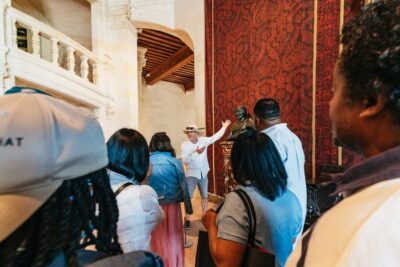
Loire Valley Castles Day Trip With Wine Tasting
Read our review →
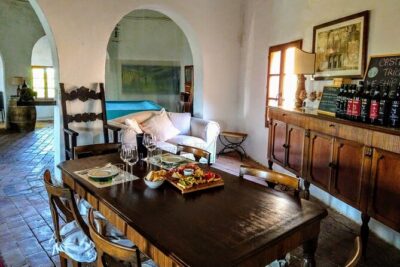
Montalcino: Brunello Wine Tasting & Lunch in a Tuscan Castle
Read our review →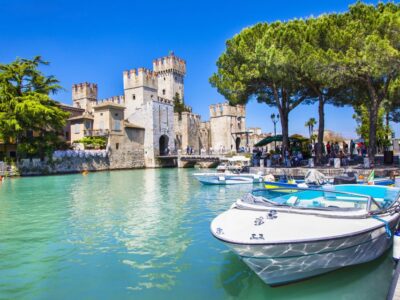
Lake Garda: Historic Castle Cruise with Wine Tasting
Read our review →
Valpolicella: Amarone Chateau Guided Tour and Wine Tasting
Read our review →
Wine Tasting at a Historic Château in a Land Rover !
Read our review →
Browse the lists this tour appears in