
Review · SRI LANKA
Sigiriya: Rock Fortress Private Guided Walking Tour
Sigiriya makes you earn its best views. This three-hour walk takes you through a 5th century royal complex, from water gardens and boulder gardens to the famous Lion’s Paw and summit ruins. I like the small group size, limited to four people, and the chance to hear the site explained rather than simply climb it alone.
I also like that the route includes details many visitors can miss, including the fresco pocket, ancient pools, fountains, and palace remains. Guides such as Kumara and Sugath have been praised for clear explanations, patient pacing, photography help, and practical assistance. The main drawback is the climb: 1,200 steps plus about one kilometer on level ground. That is a serious workout in warm weather, and guide quality may vary.
Key points to know before you book
- The climb is the tour: You will tackle 1,200 steps, so hiking shoes and water are essential.
- The route covers more than the summit: Water gardens, boulder gardens, pools, fountains, frescoes, and palace ruins all form part of the visit.
- The group is very small: A maximum of four participants gives you a better chance to ask questions and keep your own pace.
- The entrance ticket costs extra: The guided walk is $29 per person, but the archaeological site ticket is listed at $35 per person.
- Guide quality matters: Kumara and Sugath received especially warm praise, while one account found the commentary repetitive and disliked repeated requests for a generous tip.
- Early does not mean empty: A 6:00 am start may help with heat, but it does not guarantee you will avoid other visitors.
Why Sigiriya is worth the climb
Sigiriya is not simply a rock with a view. It is a large archaeological complex built around a 5th century royal center, with carefully planned gardens below and palace remains above. The climb gives you a sense of how the site was organized, defended, decorated, and used.
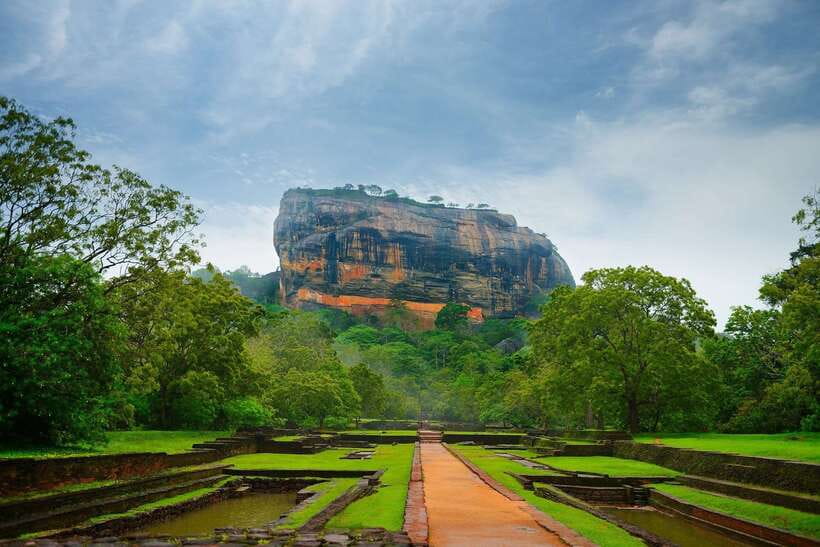
The experience begins near a miniature water garden. This is a good place to get your bearings before the steps begin. The gardens are not filler between the entrance and the rock. They show the planning behind the royal complex, with pools, fountains, channels, and planted areas arranged across the approach.
From there, the route moves through water gardens and boulder gardens. Some sections are open and orderly, while others feel more rugged, with large rocks shaping the path. Your guide can help connect these features to the wider site, which is valuable because the remains can otherwise look like scattered stonework.
The tour is most useful for people who want context along the way. You will not just be pointed toward a wall or staircase. The guide is expected to explain what you are seeing and why it matters. That makes the climb easier to appreciate, even when your legs begin asking serious questions.
More Fortress and Citadel Tours in the world:
- Carcassonne: Castle and Ramparts Entry Ticket
★ 4.6 · 2,884 reviews - Salzburg: Hohensalzburg Fortress Admission Ticket
★ 4.6 · 2,236 reviews - Salzburg: Best of Mozart Fortress Concert and Dinner
★ 4.5 · 1,424 reviews
Starting at the water gardens
The water gardens offer a gentle beginning. You are still on relatively level ground, so this is the best point to listen closely and ask your first questions. The guide can introduce the royal complex before the physical effort increases.
The fountains and pools are among the most interesting parts of the lower site. They show that Sigiriya was planned as a place of ceremony and comfort, not only as a defensive position. The water features also give the tour some variety. You move from open garden spaces to stone paths, then toward the larger rock formations.
Keep your eyes on the ground and around the edges of the route. The key features are not always in one obvious line. The guide’s help is useful here, particularly if you want to understand how the miniature water gardens, pools, and channels fit together.
The lower section also gives you a chance to judge your pace. Do not spend all your energy rushing through the first gardens. The main ascent still lies ahead, and the best part of the climb is easier to enjoy when you have not treated the opening section like a race.
Boulder gardens and the beginning of the ascent
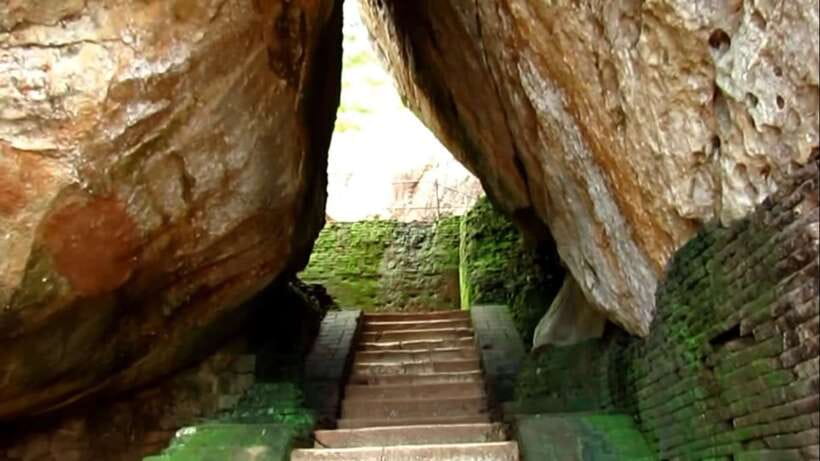
The boulder gardens bring a different mood. Massive rocks form natural walls and shaded pockets, and the route becomes less like a formal garden and more like a passage through stone. This is where the site begins to feel both engineered and naturally dramatic.
Your guide will point out the ruins and constructions around the rock. Some are easy to recognize, while others need explanation. A guided visit helps you connect foundations, walls, and platforms to the old palace complex instead of seeing them as unrelated ruins.
The walk on level ground totals about one kilometer, according to the activity details. That distance may sound modest, but it comes before or between the stairs, so you should count the entire route as an active outing. Comfortable shoes matter more than stylish ones here.
The tour includes a hiking aid, though the details of that aid are not specified. You should still arrive prepared with sturdy hiking shoes and water. Large bags and luggage are not allowed, so bring only what you need for the climb.
The 1,200-step climb to the rock
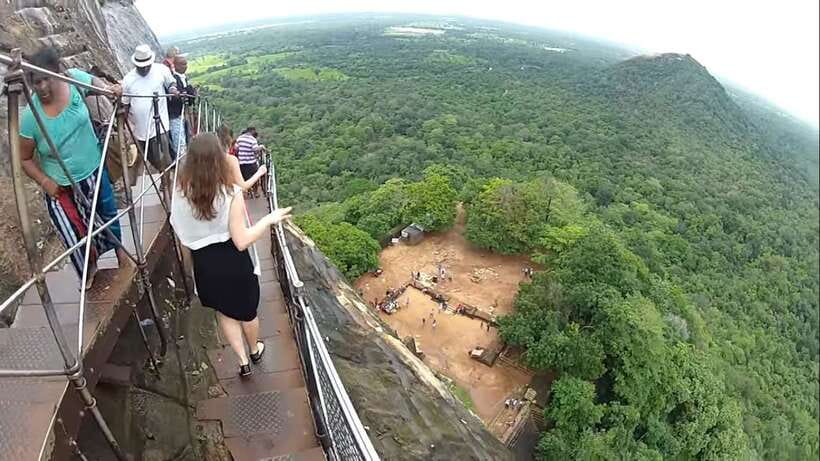
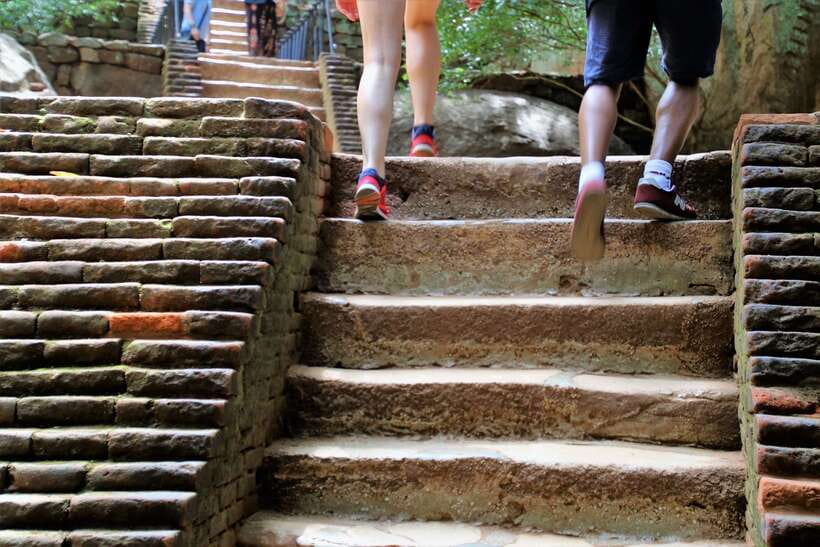
The ascent is the central fact of this experience. You will climb roughly 1,200 steps, with the route eventually leading toward the summit and its archaeological remains. Anyone with limited mobility, back problems, heart problems, or a pregnancy should not book this activity, according to the stated restrictions.
The guide’s pacing can make a real difference. Sugath was praised for waiting patiently, giving detailed explanations, and setting a comfortable pace. That sort of help matters more than a fast climb. You want time to stop, look back, catch your breath, and understand what you are seeing.
Kumara was praised for making the visit funny and informative, while also taking good photographs. A guide who notices the best photo positions can save you time and help you come away with more than a quick snapshot from the top.
There is some variation in the guiding experience. One account described Albed as punctual and willing to make the climb despite moving slowly, but found that his information became repetitive. That is a useful warning: a private or small group setting does not automatically guarantee a perfectly varied commentary.
The heat is another practical concern. The tour takes place rain or shine, and the steps offer no promise of comfortable conditions. An early start can reduce some heat, but a 6:00 am departure does not guarantee an empty site. One early start still encountered plenty of other people.
More Castle Walking Tours in the world:
- Edinburgh Castle: Guided Walking Tour with Entry Ticket
★ 4.7 · 11,699 reviews - Prague: 3-Hour Walking Tour of Old Town & Prague Castle
★ 4.7 · 5,696 reviews - Edinburgh Castle: Guided Walking Tour with Entry Ticket
★ 5.0 · 5,540 reviews - Edinburgh Castle Guided Walking Tour in English
★ 5.0 · 5,214 reviews
The fresco pocket and ancient paintings
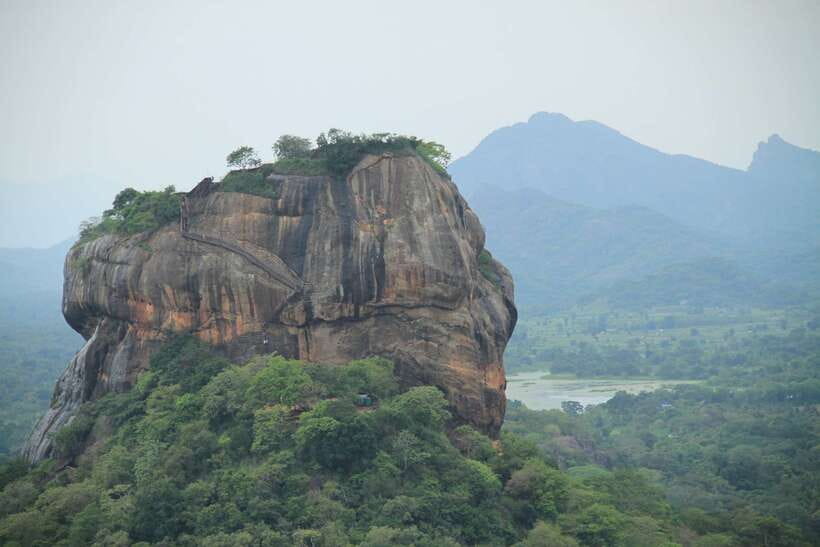
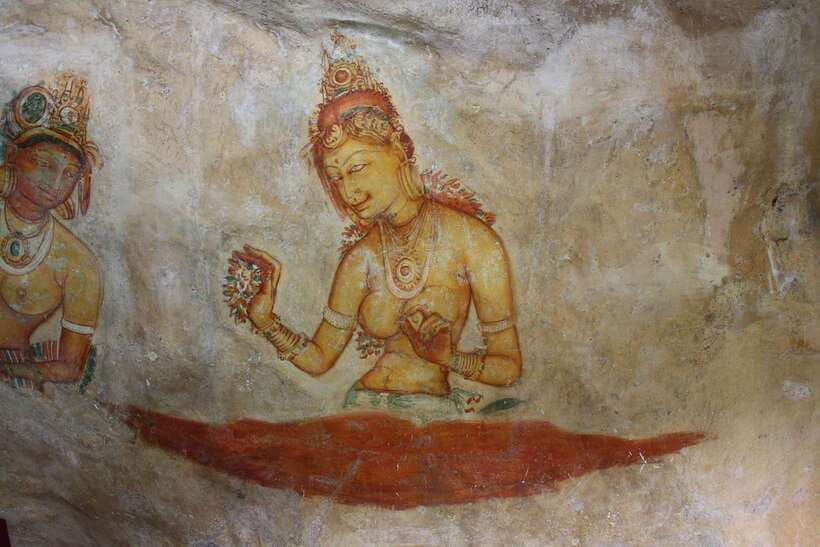
The fresco pocket is one of the most special stops on the route. Here, you can see 5th century frescoes made by ancient artisans. The paintings add a human touch to the stone complex, showing that Sigiriya was not only about walls, stairs, and royal power.
This section is also a good reason to take a guided tour. The paintings may not explain themselves, and the guide can direct your attention to their artistic and historical importance. You will want to move carefully and listen rather than hurry through for a photograph.
The frescoes are part of a wider story about the palace complex. The gardens show planning and water control. The climb shows the scale and effort of the site. The paintings show decoration and courtly life. Together, these pieces make Sigiriya more than a lookout point.
Do not expect a long museum-style stop. The whole activity lasts about three hours, and that time includes walking, climbing, stopping, and commentary. The guide will focus on the important areas rather than offering an endless lecture.
The Lion’s Paw and the final approach
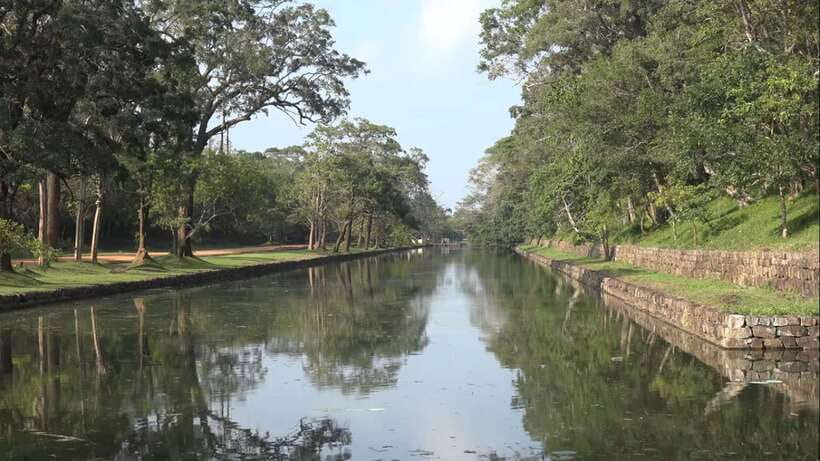
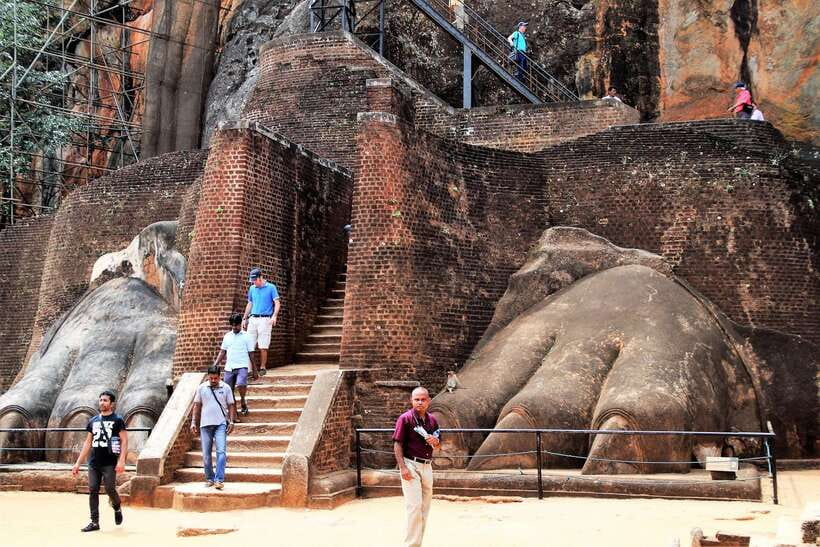
The Lion’s Paw is the memorable gateway feature. You will see the massive paws and the remains of the lion form near the upper approach. This is one of the clearest visual reminders that the climb was designed to lead toward something grand.
The Lion’s Paw also makes a good rest point. You can pause, take photographs, and look across the surrounding area before continuing toward the summit. Your guide may help you find the better viewpoints and frame photographs, a service that was specifically appreciated during one guided visit.
The original lion image is not fully intact, so do not arrive expecting a complete stone lion guarding the stairs. What remains is still impressive because of its scale. The paws give the entrance a strong sense of ceremony and power.
This is also the point where the climb can feel most rewarding. You have already passed the gardens, rocks, and frescoes, and now the main symbolic gateway comes into view. The site’s dramatic design becomes easier to understand from here.
Reaching the summit palace ruins
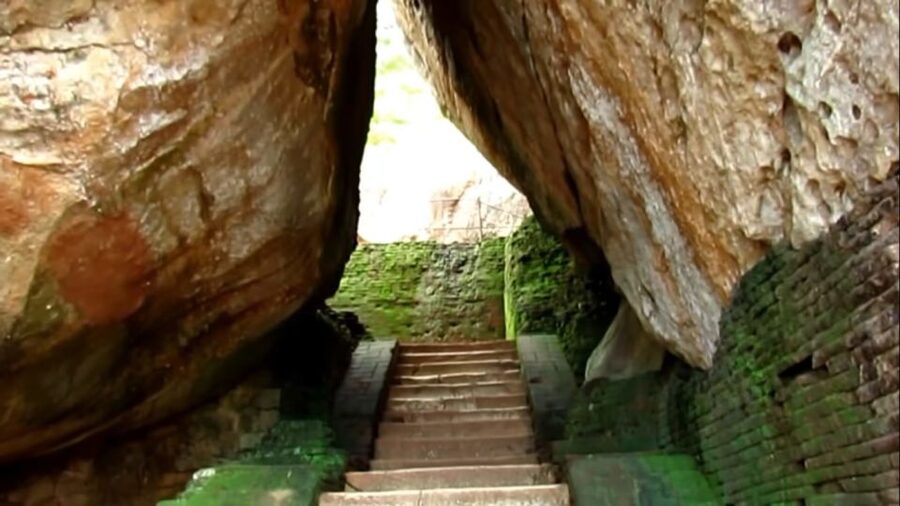
At the top, you will see the ruins of the palace complex, including a swimming pool and other constructions. The remains are open to the sky, and the scale of the rock gives the summit a strong sense of exposure.
The summit is where you get the broad views that make the climb worthwhile. One account called the view absolutely beautiful, and that praise is easy to understand from the route description. After the enclosed stairways and stone passages, the open panorama provides a clear reward.
Still, the summit should not be treated as the only reason to come. If you only want a viewpoint, the $29 guide fee may seem less necessary. The value comes from understanding the full site, including the lower gardens and the details you might otherwise pass without noticing.
The ruins can also require imagination. You will see foundations, pools, and remnants rather than a complete palace. A strong guide helps you picture how the summit functioned and points out features that are easy to overlook.
What the guide adds to the visit
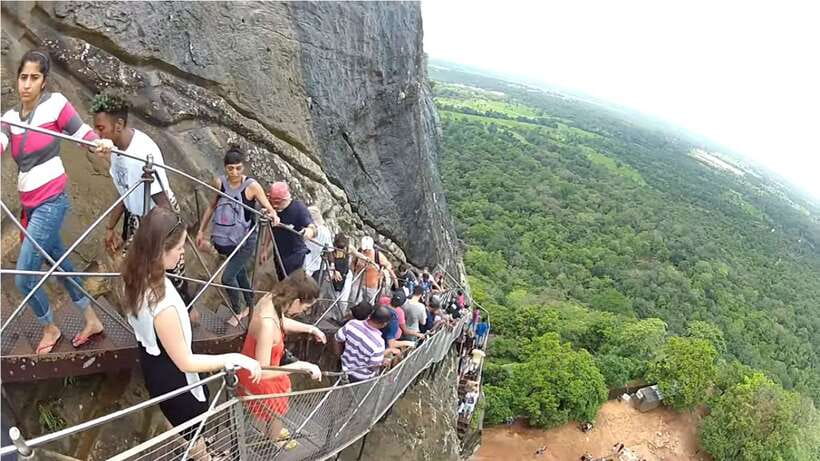
The tour includes a live guide in English, German, or French. With only four people allowed in the group, the format should be more personal than a large coach excursion. You can ask questions without shouting across a crowd, and the guide can usually keep an eye on the group’s pace.
Guide performance is the biggest variable. Kumara received praise for being informative, funny, helpful, and good at photography. Sugath was praised for detailed explanations, patience, pacing, and helping arrange return transport. Those are practical strengths, not just pleasant extras.
One guide, Albed, was described as punctual and determined, but the commentary was considered repetitive. Another concern was repeated mention of an expected generous tip. You should regard tipping as your own decision, based on the service you receive. A guide should explain the site without making you feel pressured.
The strongest reason to book a guide is not simply access. The ticket still costs extra, and the guide does not remove the physical challenge. The benefit is interpretation: someone helps you notice the garden design, the frescoes, the Lion’s Paw, and the summit remains as parts of one connected place.
The real cost: $29 plus the entrance ticket
The tour price is $29 per person. The entrance ticket is not included and is listed at $35 per person, bringing the stated total to about $64 per person before food, drinks, or any tip you choose to give.
That is not a cheap short walk, but it can be fair value if you want detailed explanations and help through a demanding site. A group of four keeps the experience small, and the guide covers a large complex in about three hours.
The value is weaker if you are mainly looking for transport or a quick climb. Transportation is not listed as included, meals and drinks are extra, and the admission charge is substantial compared with the guide fee. You should budget for the full visit, not just the advertised $29.
There is one practical benefit in the booking terms: you can reserve now and pay later, and cancellation is free up to 24 hours before the activity. Starting times vary, so check availability when choosing your date.
Who should book this walking tour?
I would recommend it to fit visitors who want to understand Sigiriya while seeing the main archaeological features. It suits people who enjoy active sightseeing, can manage 1,200 steps, and prefer a small group over a large guided crowd.
It is also a good match if you want help with photographs or a carefully paced ascent. The positive comments about Kumara and Sugath suggest that an excellent guide can add real value, especially at a site where the remains need explanation.
I would not recommend it for anyone with limited mobility or the listed medical concerns. It is also a poor choice if you dislike stairs, need a relaxed stroll, or cannot carry water and suitable shoes. Rain does not cancel the physical demands.
If you are uncertain about the climb, the important question is not simply whether you can walk one kilometer. Ask yourself if you can handle a long stair ascent, stops on uneven ground, and changing weather conditions. The site rewards effort, but it does not hide the effort.
What to bring and how to prepare
Wear hiking shoes with a reliable grip. The route combines level paths, gardens, boulder areas, and many steps, so ordinary casual footwear may not be comfortable.
Bring water. Meals and drinks are not included, and the activity is long enough that you should not expect to finish without needing hydration.
Leave luggage and large bags behind. They are not allowed. Keep your belongings light so the climb does not become harder than necessary.
Arrive ready for weather. The tour runs rain or shine. An early start may help with heat, but do not assume 6:00 am will mean silence or an empty route.
Before starting, exchange your voucher at the ticket counter. If you cannot locate the guide, call or message using the contact details provided with your booking. The activity begins at the ticketing area, not with a separate meal or transport service.
Should you book the Sigiriya guided walk?
Book this tour if you want the full Sigiriya experience in a small group and you are physically ready for the climb. The gardens, frescoes, Lion’s Paw, and summit ruins make the route much more rewarding than a simple race to the viewpoint.
I would book it with realistic expectations. The $29 guide fee is separate from the $35 entrance ticket, the weather may be rough, and the quality of commentary can depend on the individual guide. If you are assigned someone like Kumara or Sugath, the help with history, pacing, and photographs could make the price worthwhile.
Skip it if you mainly want a short walk or cannot safely handle 1,200 steps. For fit visitors who want context, small-group attention, and a better chance of noticing the details, this is a useful way to experience Sri Lanka’s most famous rock fortress.
FAQ
How long does the Sigiriya guided walking tour last?
The tour lasts about three hours. Check the available starting times when booking.
How many steps are involved?
The climb involves about 1,200 steps, plus approximately one kilometer of walking on flat ground.
Is the Sigiriya entrance ticket included?
No. The entrance ticket is listed separately at $35 per person. The guided activity costs $29 per person.
What languages are available?
Live guiding is available in English, German, and French.
How large is the group?
The activity is limited to four participants, making it a small group experience.
What should I bring?
Bring hiking shoes and water. Large bags and luggage are not allowed.
Is the tour suitable for people with limited mobility?
No. It is not recommended for people with limited mobility, back problems, heart problems, or pregnancy because of the climb and walking distance.
What happens if it rains?
The tour takes place rain or shine. You should prepare for changing weather before setting out.
More Guided Castle Tours in the world
- Seville: Cathedral, Giralda & Alcazar Entry With Guided Tour
★ 4.6 · 8,560 reviews - Stonehenge, Windsor Castle and Bath Full Day Guided Tour
★ 4.5 · 5,346 reviews - Seville: Alcázar and Cathedral Entry Ticket and Guided Tour
★ 4.6 · 5,056 reviews - Alcázar of Seville Skip-the-Line Tickets and Guided Tour
★ 4.6 · 3,941 reviews
Just added around the world
- Standing Stones, Inveraray and Kilchurn Castle & Highlands Tour starting Balloch★ 5.0 · 35 reviews
- Cardiff: South Wales Cliffs, Beaches & Castles Day Tour★ 5.0 · 36 reviews
- West Coast Lochs & Castles Tour – from Glasgow★ 5.0 · 20 reviews
- Private Tour – Edinburgh to St Andrews, Dunnottar Castle & Dundee★ 5.0 · 9 reviews
- Private Day Tour of South Wales, including Cardiff & Caerphilly Castle.★ 5.0 · 15 reviews
- From Cardiff: 3 Amazing Castles, Tintern Abbey & Roman Caerleon★ 5.0 · 12 reviews
- Private Day Tour of Cardiff, including Cardiff Castle, St Fagans, & Cardiff Bay★ 5.0 · 5 reviews
- Carcassonne: Secrets of the Castle’s Defense Self-Guided Tour★ 4.5 · 8 reviews
Fortress & Citadel Tours, compared.
Carcassonne: Castle and Ramparts Entry Ticket
Read our review →
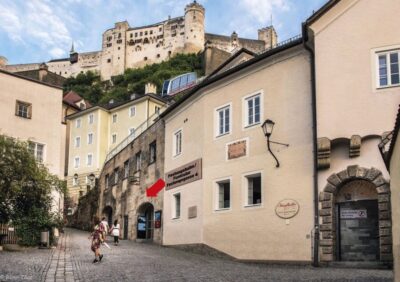
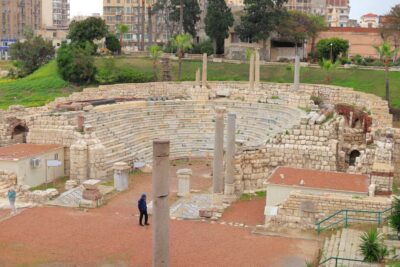
From Cairo Alexandria Catacombs, Citadel Day Trip with Lunch
Read our review →
Charleston historical walking tour with a Professor of History at The Citadel
Read our review →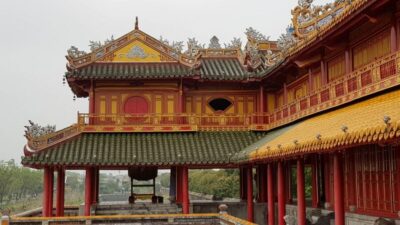
Hue Customizable Tour with Imperial Citadel & Forbidden City
Read our review →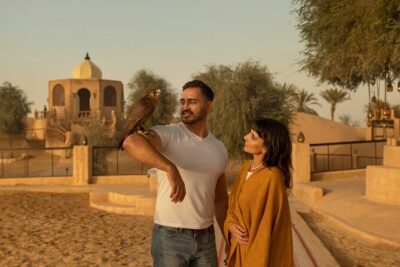
Desert Safari: Luxury Fortress Dinner, Camel Ride & Dune Bashing
Read our review →
Egyptian Museum, Citadel, and Old Cairo Guided Tour
Read our review →Browse the lists this tour appears in