Review · OSAKA
Osaka: Half-day Ultimate Highlights Guided Walking Tour
Osaka rewards curious walkers. This tour links the city’s big sights with old lanes, markets, and food stops, giving you a useful first look at Osaka rather than a string of isolated photo stops. I like the mix of Osaka Castle, Dotonbori, Hozenji, Kuromon Market, and Shinsekai, and I like that the guides explain how Osaka grew from a merchant city.
The tour also includes lunch, two short train rides, and plenty of help with local navigation. Guides such as Tim, Scott, Andy, and Anna have been praised for humor, patience, and clear explanations. The main drawback is the distance: you may walk around 15,000 steps, and the group tour does not enter Osaka Castle. Anyone with limited mobility, or anyone hoping for a slow morning, should choose another outing.
Key points at a glance
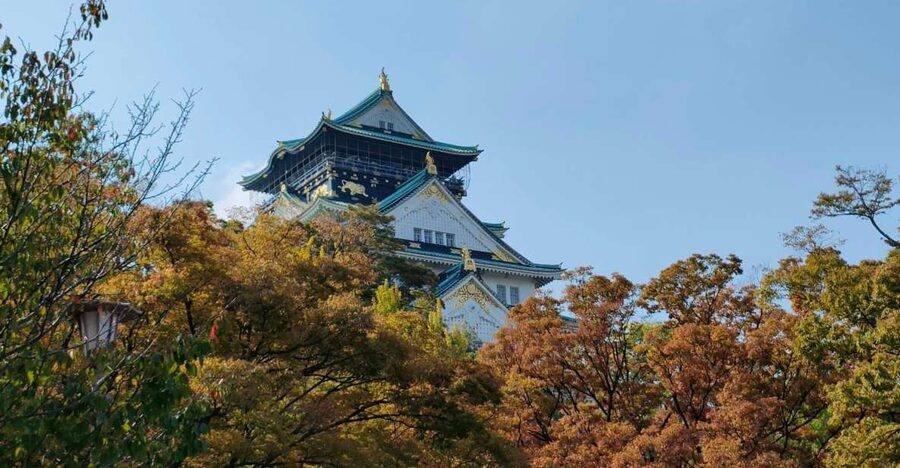
- Osaka Castle begins the day: Walk the castle grounds for about 75 minutes and hear how the site shaped Japan’s samurai-era unification.
- One tour, several sides of Osaka: Move from Shinsaibashi shopping streets and neon Dotonbori to the older corners of Hozenji and Shinsekai.
- Lunch is part of the experience: A local meal with Osaka-style street food and a drink is included.
- Kuromon Market is a food highlight: See seafood, meat, and produce in the market known as Osaka’s Kitchen.
- Expect a full day on your feet: The route lasts 5 to 7 hours, includes two short train rides, and requires comfortable shoes.
- Best value comes from the guide: At $61 per person, the tour makes most sense if you want history, food advice, and help using Osaka’s trains.
Why this route gives you a useful first day in Osaka
Osaka can feel scattered at first. Osaka Castle sits away from the neon center, while Namba, Dotonbori, Kuromon, and Shinsekai each have their own look and rhythm. This tour solves that problem by joining them into one route.
You begin at JR Osakajokoen Station, then move by train toward the southern center of the city. From there, the day becomes a long walk through shopping arcades, restaurant streets, markets, temple lanes, and the retro district around Tsutenkaku Tower. I like this structure because you see both the polished postcard Osaka and the working city behind it.
The route also gives you useful orientation. You learn how to reach Namba and Shinsekai by public transport, where the main food streets sit, and how the various districts connect. Several people found the train rides especially useful because the guide showed them how to navigate Osaka on their own afterward.
The tradeoff is pace. This is not a gentle stroll with one major sight and a long coffee break. You cover a lot of ground, sometimes through crowded streets, and a full day can reach 5 to 7 hours. One person found the tour slightly too long and would have preferred to finish after Kuromon Market. That is fair advice if you tire easily.
More Castle Walking Tours in Japan
- Ultimate Osaka Walking Tour: Castle, Dotonbori & Hidden Gems
★ 5.0 · 862 reviews - Osaka Castle Walking Tour and Castle Tower Admission
★ 5.0 · 561 reviews - Osaka: Castle History Walking Tour / Castle Tower Admission
★ 4.9 · 230 reviews
Starting at Osaka Castle, with history from the grounds
Meet at the 7-Eleven kiosk inside JR Osakajokoen Station, just outside the ticket gates. Be there 15 minutes early. Take care with the station name: this is JR Osakajokoen Station on the Osaka Loop Line, not the larger JR Osaka Station.
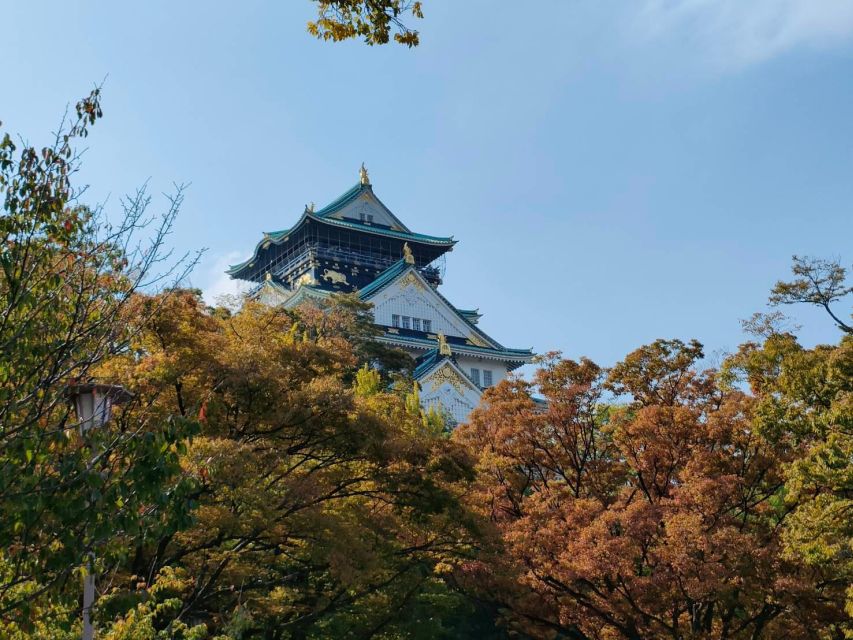
Osaka Castle receives about 75 minutes, mostly outdoors. The guide leads you through the grounds and explains the castle’s role during the sixteenth-century unification of Japan. That context matters because the castle is not just a photogenic tower. It represents the power struggles of the samurai era and the rise of Osaka as a major center.
For a first-time visit, a guided walk around the grounds can be a sensible choice. The site is large, and a guide gives you a reason to pause at the walls, gates, and surrounding spaces rather than simply taking a picture and moving on.
Here is the important limitation: group tours do not include entry into Osaka Castle. The reason given is practical. Lines can be long, and going inside would leave too little time for the rest of the city. If the castle interior is a top priority, you may prefer to visit it separately and use this tour for the southern districts.
After the castle, you take a train for about 15 minutes. Train fares are not included, and the two rides cost ¥240 and ¥190. The guide handles the route, which takes away much of the stress for anyone still learning Osaka’s rail system.
Shinsaibashi and Namba: Osaka’s shopping side
The next section focuses on Namba and Shinsaibashi-suji, a covered shopping street that has served as a major retail area for about 400 years. The arcade stretches roughly 600 metres and is lined with hundreds of shops.
This is a good place to understand Osaka’s merchant character. You see the city’s love of buying, selling, eating, and socializing in a very direct way. It is not a traditional district in the quiet, temple-centered sense. Instead, it shows how commerce shaped daily life.
You get about an hour of guided sightseeing in Namba, followed by a 30-minute lunch break. The route is not designed as a private shopping excursion, so you should not expect time to browse every store. Think of this part as orientation, with the guide pointing out the character of the district and helping you decide where to return later.
Lunch includes Osaka-style street food and a drink at a local restaurant. Dishes mentioned in the experience include takoyaki, the familiar octopus-filled snack, and okonomiyaki, a savory cabbage pancake commonly served with pork. The meal gives you a chance to try local food without having to decode every menu by yourself.
Food choices require attention. Vegan and gluten-free diets are not included in the stated arrangements. If you have a serious dietary restriction, ask before booking rather than assuming the lunch can be changed.
Ebisu Bridge and Dotonbori after dark in spirit
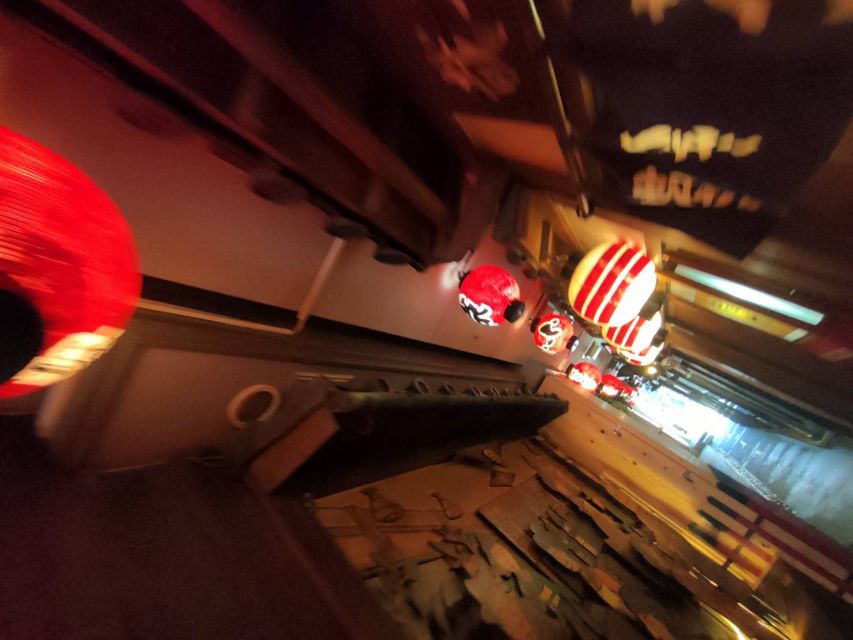
Ebisu Bridge is one of the best-known meeting points in Osaka. The bridge began as a wooden crossing in the 1600s and now sits beside the famous Glico Man sign.
You spend about 15 minutes here, which is enough for photos and a quick explanation of why the spot matters. The bridge can be crowded, so do not expect a quiet view. The point is to see the social center of Dotonbori, where people gather, meet, pose, and head toward dinner.
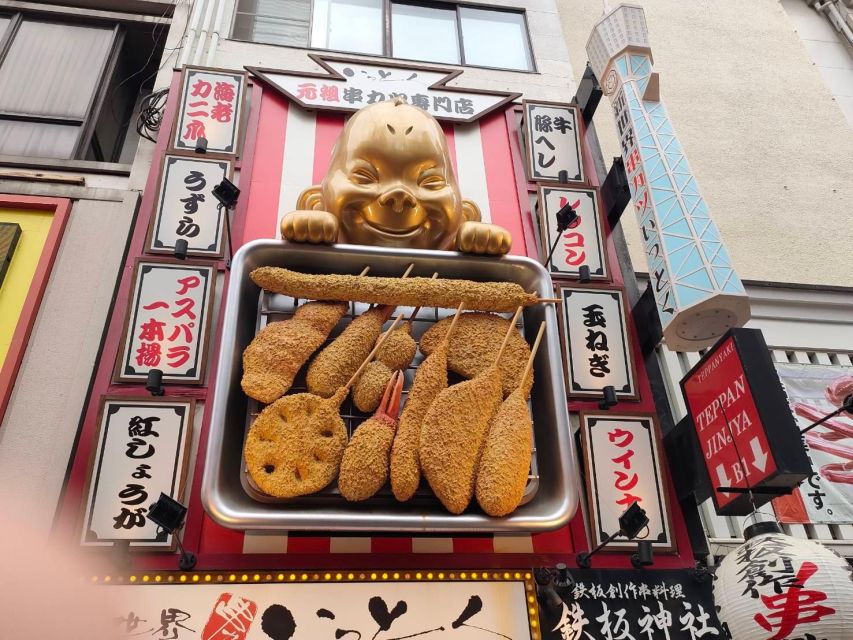
Dotonbori follows for about 30 minutes. The district runs beside the Dotonbori canal and is packed with neon signs, bars, shops, and street food. The Glico Man sign is the obvious photo stop, but the real value comes from seeing how the district works as Osaka’s entertainment center.
I like that the route does not treat Dotonbori as the whole of Osaka. You get the bright signs and famous food street, then move into smaller places that reveal another side of the city. That contrast keeps the tour from feeling like a checklist of famous signs.
More Castle Walking Tours in Osaka
- Osaka Highlights: 4-Hour Walking Tour with Castle
★ 5.0 · 152 reviews - Osaka: Osaka Castle 3 hours Historical Walking Tour
★ 4.6 · 14 reviews - 1-Day walking tour in Osaka:Castle, temples and Ukiyoe
★ 5.0 · 4 reviews
Hozenji Yokocho, where the city quiets down
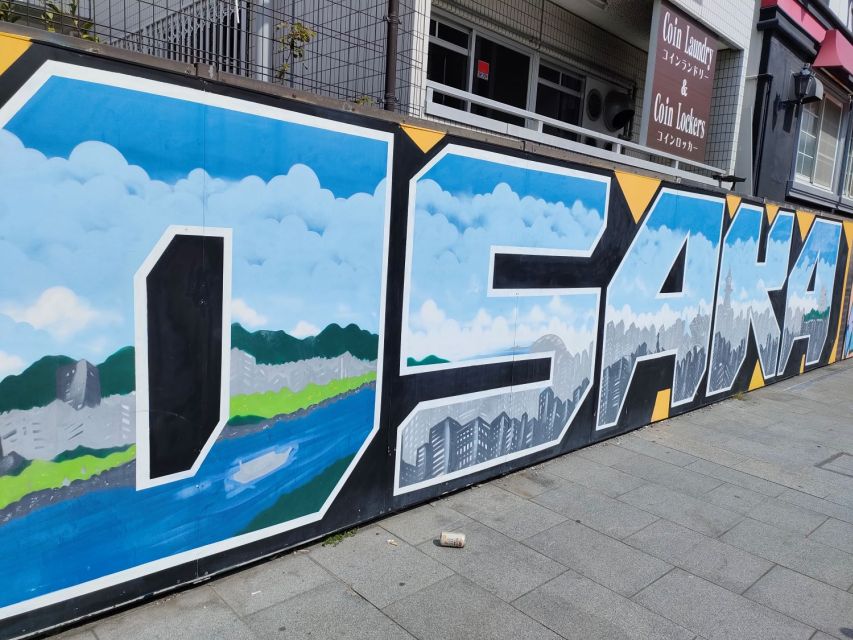
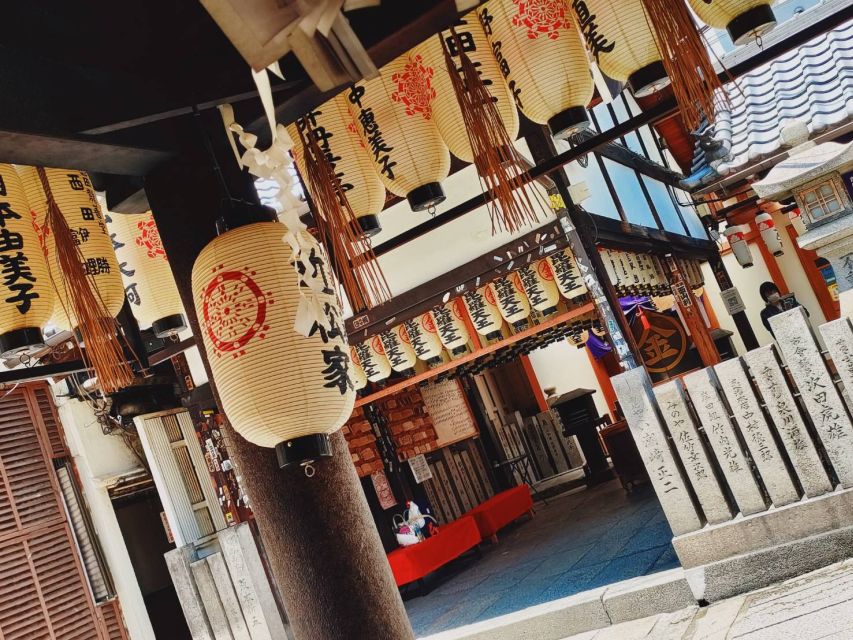
A short walk from Dotonbori brings you to Hozenji Yokocho. Its narrow lanes, stone paving, and traditional lanterns feel far removed from the loud canal district.
At the end of the lane is Hozenji, a small Buddhist temple built in the seventeenth century. It offers a calm pause in the middle of the city, and the guide explains how the old atmosphere survived beside modern restaurants and bright commercial streets.
This is one of the most worthwhile stops for anyone who wants more than Osaka’s headline attractions. You get a compact but memorable example of how older spaces continue to function inside a modern city. The stop lasts about 20 minutes, so the experience is atmospheric rather than an extended temple visit.
Kuromon Market and the taste of Osaka’s Kitchen
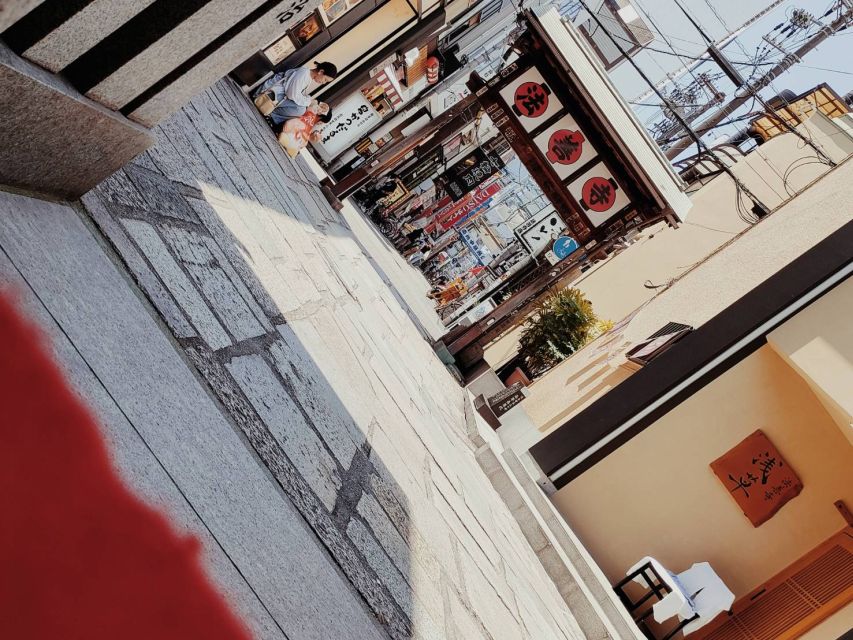
Kuromon Ichiba Market receives about 30 minutes. The market has served Osaka for more than 200 years and is known as Osaka’s Kitchen because of its role supplying food to the city’s restaurants and homes.
Expect stalls with seafood, meat, and produce. The route specifically highlights large crab legs, tuna, and other seafood that may be prepared and eaten on the spot. If you want to sample something, the guide can point you toward suitable stalls and help you choose. One useful example from the tour experience involved a guide taking a participant to a good place for sashimi.
This is where the tour’s food knowledge earns its keep. Markets can be confusing, especially when you are unsure about prices, portions, or preparation. A local guide can help you make a sensible choice instead of wandering past everything.
Thirty minutes is not a huge amount of time. You will get a taste of the market rather than a full food crawl. If Kuromon is a major reason for visiting Osaka, plan to return independently with more time. The guided introduction still helps because you will know what you are looking at and where to start.
Doguyasuji and Osaka’s practical food culture

The route also passes through Doguyasuji, a specialist shopping street aimed at restaurants and cooking professionals. Shops sell cutlery, crockery, kitchen goods, and other supplies.
This is a fine example of the tour’s wider theme. Osaka’s food culture is not only about eating at famous stalls. It also depends on the tools, wholesalers, and specialist businesses that support the city’s restaurants.
The stop may be more interesting to cooks, food lovers, and shoppers looking for unusual souvenirs than to anyone focused only on major sights. You may find it less exciting if you want temples or grand architecture, but it adds useful local detail that a standard highlights route often skips.
Den Den Town and the road to Shinsekai
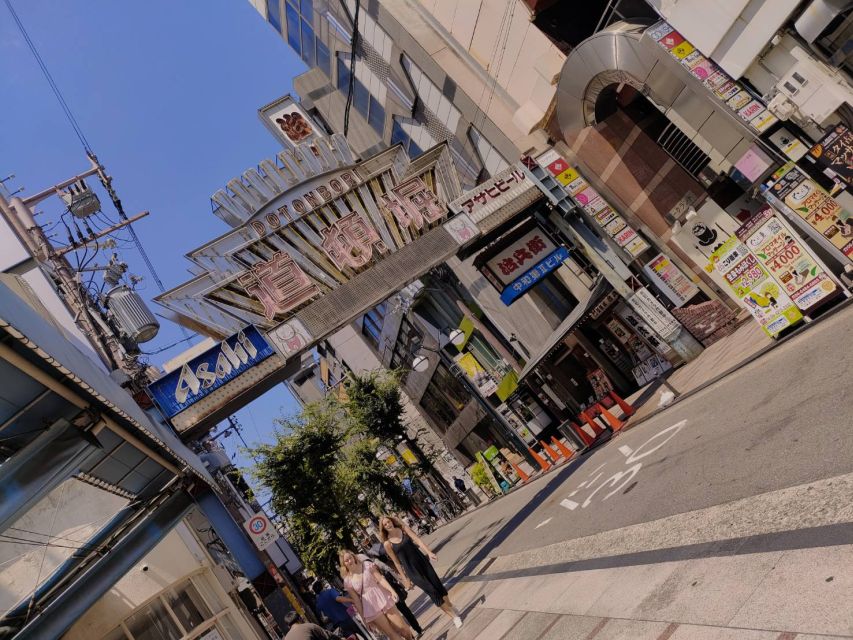
The tour also introduces Osaka’s electronics and pop-culture district, often compared with Tokyo’s Akihabara. The area includes electronics, cameras, computers, games, anime, and related shops.
The experience does not provide a long shopping session here, so treat this as a quick look at another part of Osaka’s identity. It shows that the city is not only food, merchants, castles, and neon. It is also a place for technology and pop culture.
The final major district is Shinsekai. The area developed before the Second World War, and Tsutenkaku Tower remains its familiar symbol. The district is known for its nostalgic neon, old-fashioned atmosphere, and local restaurant scene.
Shinsekai makes a good ending because it feels different from both Osaka Castle and Dotonbori. You finish among streets that carry a sense of an earlier Osaka, while modern businesses continue around them. The guided walk here lasts about 20 minutes and ends at Dobutsuen-Mae Station.
That ending is practical. You are left beside a station rather than returned to the original meeting point, so pay attention to the route home. Guides have helped people understand how to get back after the tour, which is useful if Osaka’s rail map still feels like a bowl of noodles.
What the $61 price really buys you
At $61 per person, the value depends on how much help you want. You are not paying for major attraction tickets, and you must add ¥240 and ¥190 for the two train rides. Entry to Osaka Castle is also not included.
You are paying for five to seven hours with a local guide, a planned route across several districts, lunch with a drink, historical explanation, food advice, and assistance with public transport. If you visited every area alone, the train fares would be cheap, but planning the route and understanding what you are seeing would take time.
The strongest value comes from the guide. Tim is praised for making history funny without burying the group in facts. Scott is noted for pacing, regular rests, and personal stories. Andy has been described as attentive and able to adjust the outing to group interests. Anna helped with water, rest stops, and heat management.
Those names do not guarantee which guide you will receive, but they show the sort of service to expect: an English-speaking guide with long experience living in Japan, a sense of humor, and a willingness to answer questions. The provider describes its guides as bilingual, while the activity itself is offered in English.
Walking demands, weather, and group size
This is a walking tour first. Comfortable shoes are essential, and one person estimated around 15,000 steps. You will also use crowded shopping streets and public transport, so leave large luggage and big bags behind.
The tour runs rain or shine. Osaka’s weather can make the same route feel easy or tiring, so carry water and dress for conditions. Guides have chosen rest spots during hot weather, but you still need to be realistic about your own stamina.
Private and small-group options are available. A small group can feel personal, especially when you want to ask questions or request a little extra attention. Private pickup is available only for private tours. Group tours meet at JR Osakajokoen Station, and you must use WhatsApp for tour information and updates.
The experience is not suitable for people with mobility impairments or pregnant women. It is also a poor match if you dislike walking, crowds, short train rides, or a fixed route.
Who should book this Osaka walking tour?
I would choose this tour for a first visit, especially if you have only one day in Osaka or are coming from Kyoto for a day trip. It gives you a fast but meaningful introduction to several districts and helps you decide where to return later.
It also suits anyone who wants history explained with humor instead of a formal lecture. Food-focused visitors should enjoy the lunch, Kuromon Market, Doguyasuji, and the guide’s suggestions for sashimi and other local dishes.
I would hesitate if your main goal is to go inside Osaka Castle, spend hours shopping, or linger over every market stall. The route covers a lot, but the stops are intentionally short. You need to accept some walking and the occasional crowded stretch.
Should you book it?
Book it if you want a guided overview of Osaka’s history, food, and neighborhoods in one long day. The combination of Osaka Castle, Dotonbori, Hozenji, Kuromon, and Shinsekai is strong, and the included lunch plus train guidance adds real convenience.
Skip it if you need a slow pace, accessible transport, or a castle interior visit. For everyone else, $61 is fair value, especially for a first day when a good guide can save you time, explain the city’s merchant character, and show you where to return on your own.
FAQ
How long does the Osaka walking tour last?
The tour lasts between 5 and 7 hours, depending on the selected start time and the day’s conditions.
Where does the group tour meet?
Group tours meet at JR Osakajokoen Station on the JR Osaka Loop Line. Meet in front of the 7-Eleven kiosk inside the station building, just outside the ticket gates, 15 minutes before departure.
Is the meeting point JR Osaka Station?
No. The meeting point is JR Osakajokoen Station, which is different from JR Osaka Station.
Does the tour include Osaka Castle admission?
No. Group tours walk through the Osaka Castle grounds but do not include entry into the castle.
Are train fares included?
No. You must pay the two short train fares separately. The stated fares are ¥240 and ¥190.
Is lunch included?
Yes. The tour includes lunch featuring Osaka-style street food and a drink at a local restaurant.
Can the tour accommodate vegan or gluten-free diets?
Vegan and gluten-free diets are not included in the stated arrangements.
Is hotel pickup available?
Hotel pickup is offered only for private tours. Group tours use the meeting point at JR Osakajokoen Station.
What should I bring?
Wear comfortable shoes and do not bring luggage or large bags. The tour runs rain or shine, and WhatsApp is required for receiving tour information and updates.
More Guided Castle Tours in Osaka
- Osaka: 1-Day Guided Tour – Sky Bldg, Castle, Namba Shinsekai
★ 5.0 · 6 reviews - Osaka: Half-Day Private Guided Tour of the Castle
★ 5.0 · 2 reviews
More Guided Castle Tours in Japan
- Osaka Castle Guided Tour
★ 4.7 · 249 reviews - Osaka: Osaka Castle Guided Tour with Local Guide
★ 4.7 · 78 reviews - Osaka: Osaka Castle & Historical Museum Guided Tour
★ 4.8 · 28 reviews - Osaka: Early Morning Osaka Castle Guided Tour, Avoid Crowds
★ 4.9 · 12 reviews
Just added around Osaka
- (Ticket Included) Explore Osaka Castle & Museum of History★ 4.8 · 21 reviews
- Osaka: Explore Every Bit of Osaka Castle in 3 Hours★ 5.0 · 5 reviews
- Osaka: Early Morning Osaka Castle Guided Tour, Avoid Crowds★ 4.9 · 12 reviews
- Osaka: Osaka Castle 3 hours Historical Walking Tour★ 4.6 · 14 reviews
- Osaka: Osaka Castle – Tsuruhashi – Tennoji (Spanish Guide)★ 4.7 · 10 reviews
- Samurai Armor & Sword experience with phot near Osaka Castle★ 4.6 · 16 reviews
- Osaka: Castle, Tea Ceremony, Calligraphy, and Samurai Armor!★ 5.0 · 4 reviews
- Osaka: 1-Day Guided Tour – Sky Bldg, Castle, Namba Shinsekai★ 5.0 · 6 reviews
Castle Walking Tours, compared.

Edinburgh Castle: Guided Walking Tour with Entry Ticket
Read our review →
3-Hour Walking Tour of Old Town & Prague Castle
Read our review →Edinburgh Castle: Guided Walking Tour with Entry Ticket
Read our review →
Edinburgh Castle Guided Walking Tour in English
Read our review →

Prague 3-hour Afternoon Walking Tour including Prague Castle
Read our review →