
Review · ITALY
Milan: Sforza Castle Guided Tour
Milan’s great castle hides a long story. This two-hour guided visit takes you through Sforza Castle’s changing roles, from Visconti fortress to Sforza residence, military barracks, and modern museum center. I like the clear focus on the castle itself, and I especially like that the tour ends with Michelangelo’s Pietà Rondanini, one of Milan’s most important works of art.
The small group of no more than nine people is another real advantage. You get a better chance to hear the guide and ask questions than you would in a large crowd. The main drawback is the price, $158.60 per person. That is a serious outlay for two hours, so this visit makes the most sense if you want historical context, a guide, and included museum entry rather than a quick walk through the castle on your own.
Key points to know before booking
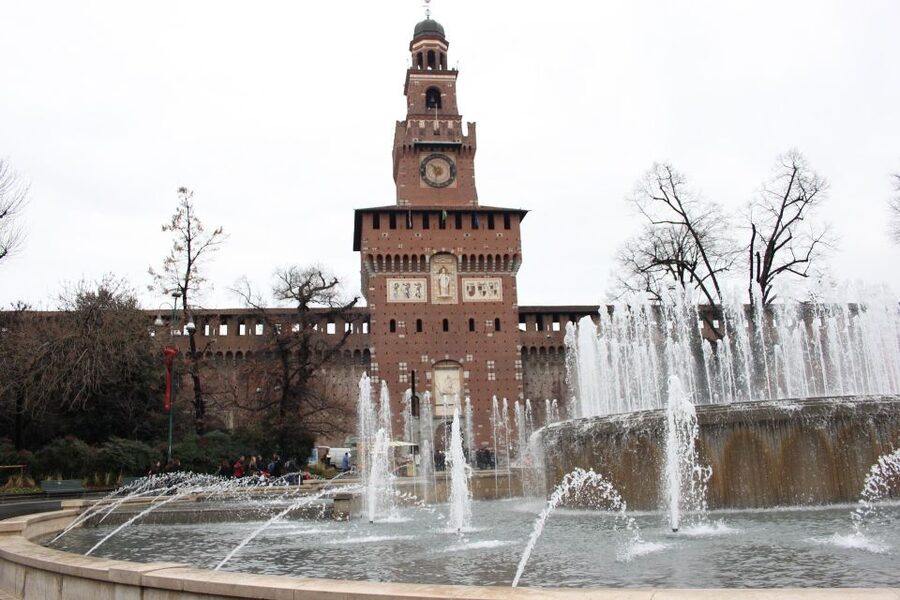
- Michelangelo’s Pietà Rondanini is the artistic highlight: You see the unfinished sculpture at the end of the visit.
- The castle has had several lives: Your guide explains its time as a defensive fortress, military base, private residence, and museum complex.
- Luca Beltrami’s restoration matters: The tour covers the major early twentieth-century restoration that shaped the castle you see today.
- Nine people is the maximum group size: This keeps the visit more personal and makes the radio-guided system useful without feeling impersonal.
- Six guide languages are available: You can choose English, German, Italian, French, Spanish, or Russian when booking.
- Plan for steady walking: Comfortable shoes and water are sensible, and the activity is not recommended for people with back problems.
Meeting your guide at Piazza Castello
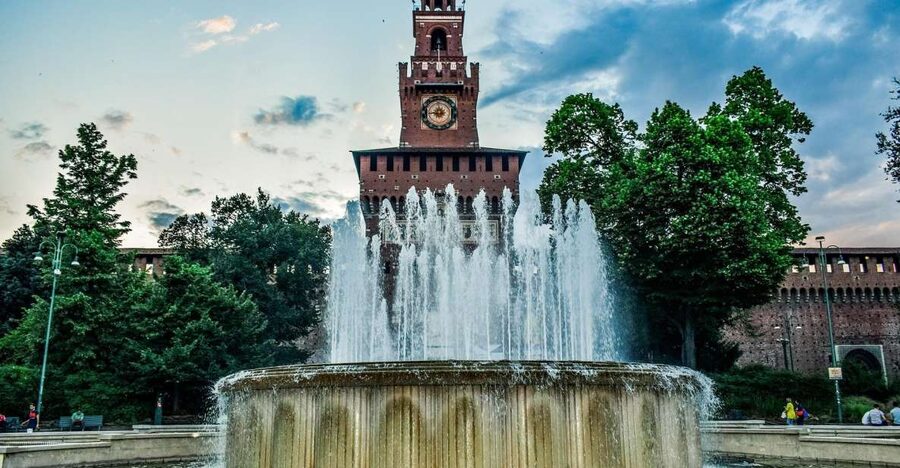
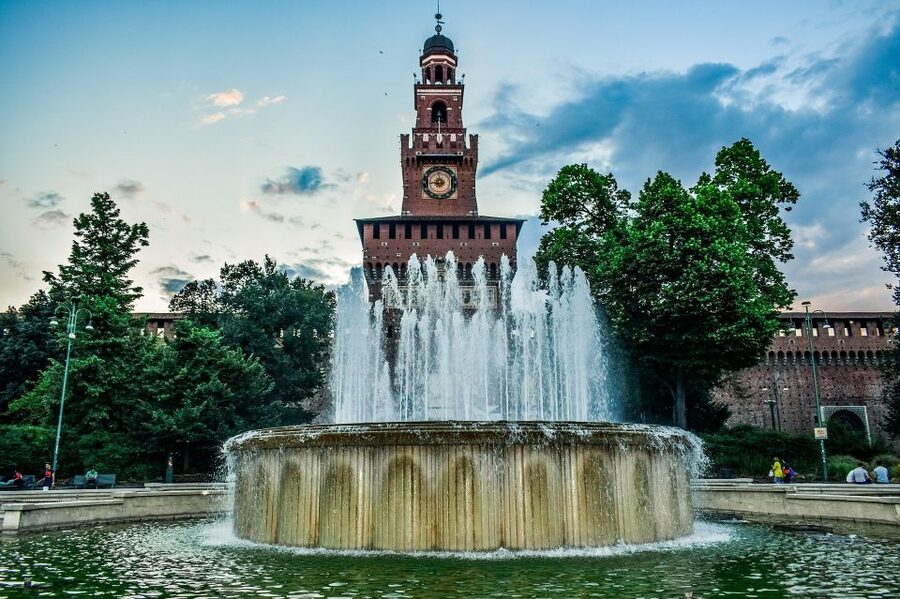
The tour begins at Piazza Castello, in front of the main entrance by the fountain. This is a straightforward meeting point, but give yourself enough time to find the correct entrance and guide. The activity finishes back at the same meeting point, which makes it easy to continue exploring central Milan afterward.
You will meet a live guide and receive a radio-guided system. That small piece of equipment can make a real difference inside a large historic building, where rooms and courtyards may carry sound poorly. In a group limited to nine people, you should also be close enough to follow the guide without constantly moving toward the front.
The available languages are English, German, Italian, French, Spanish, and Russian. If you have a preferred language, check that choice carefully while reserving. The quality of the explanation matters here because the castle’s story is less about one grand room than about many changes over several centuries.
More Guided Castle Tours in Italy
- Milan: The Last Supper & Sforza Castle Guided Tour
★ 4.6 · 610 reviews - Milan: Last Supper and Sforza Castle Guided Tour
★ 4.6 · 498 reviews - Valpolicella: Amarone Chateau Guided Tour and Wine Tasting
★ 4.5 · 164 reviews
Seeing Sforza Castle as a changing building
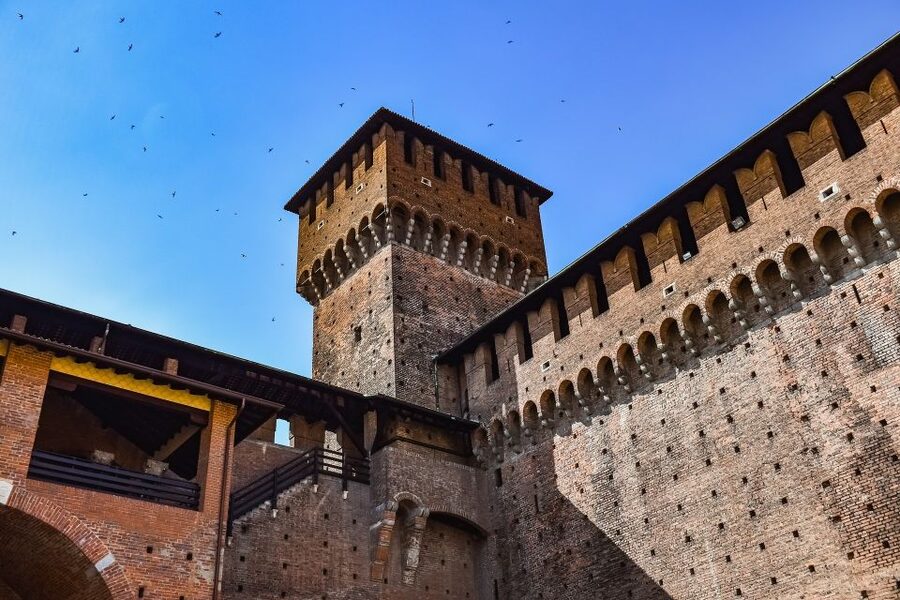
Sforza Castle is not simply a medieval fortress preserved in one fixed form. Its purpose changed repeatedly, and that is the main idea your guide helps you follow.
The structure was connected first with the Visconti family and later with the Sforza family. Those names are central to Milan’s political and cultural story, and the tour places the castle within their rule. You learn how a defensive stronghold became tied to power, residence, and the public identity of the city.
The castle later served as military barracks, a practical use that tells you plenty about how buildings survive. Grand architecture does not always remain grand in daily life. A structure may become a working military site, change internally, and lose or gain features as each period leaves its mark.
The tour also covers private quarters. These offer a different way to think about the building. A fortress is designed to protect and control, while private rooms suggest court life, status, and domestic use. Moving between those functions helps you understand why Sforza Castle feels like more than a defensive monument.
Your guide’s job is especially useful here. Without context, you could see walls, courtyards, rooms, and museum displays without understanding how their roles shifted. With the story in place, the castle becomes easier to read.
Why Luca Beltrami’s restoration is important
One of the strongest parts of this visit is the attention given to Luca Beltrami, the architect behind the castle’s last major restoration at the beginning of the twentieth century.
Restoration is never just a matter of repairing old stones. It also involves decisions about which version of a building to preserve, which features to recreate, and how a monument should represent the past. Beltrami’s work shaped the Sforza Castle you see today, so the present appearance reflects both its earlier centuries and a later effort to restore its identity.
This is a useful lesson for anyone interested in historic buildings. You are not looking at a perfectly untouched medieval fortress. You are seeing a building that has been altered, used, repaired, and presented again as an important part of Milan.
The tour’s focus on restoration also adds balance. It keeps the visit from treating the castle as a frozen relic. You learn about the people and choices that helped turn it into a center for museums, archives, and libraries.
From military stronghold to museums and libraries
Today, Sforza Castle houses art museums, archives, and libraries. That makes the site feel active rather than sealed off from modern Milan.
The included entry to the Sforza Castle Museum is important because you are not paying only for an exterior introduction. The guided tour connects the building’s history with its role as a home for cultural institutions. You can see how a structure once linked to military power now protects and presents works of art and historical material.
The exact balance between explanation and museum viewing will depend on the guide and the pace of the group. Two hours is enough for a focused introduction, but it is not enough to inspect every collection at leisure. If you are serious about the castle’s museums, you may want to return later with more time. The guided visit gives you a framework, then you can decide what deserves a longer look.
This is one reason the tour suits first-time visitors particularly well. You get the essential story before deciding where to spend your limited time in Milan. You do not have to begin by sorting through a large museum complex without direction.
Same region, a different set of walls:
- Milan: Sforza Castle Entry Ticket with Digital Audio Guide
★ 4.0 · 2,675 reviews - Milan: Sforza Castle and Michelangelo’s Pietà Rondanini Tour
★ 4.7 · 1,119 reviews - From Siena: Chianti and Castles Tour with Wine Tastings
★ 4.6 · 631 reviews - Montalcino: Brunello Wine Tasting & Lunch in a Tuscan Castle
★ 4.6 · 324 reviews
Michelangelo’s Pietà Rondanini at the end
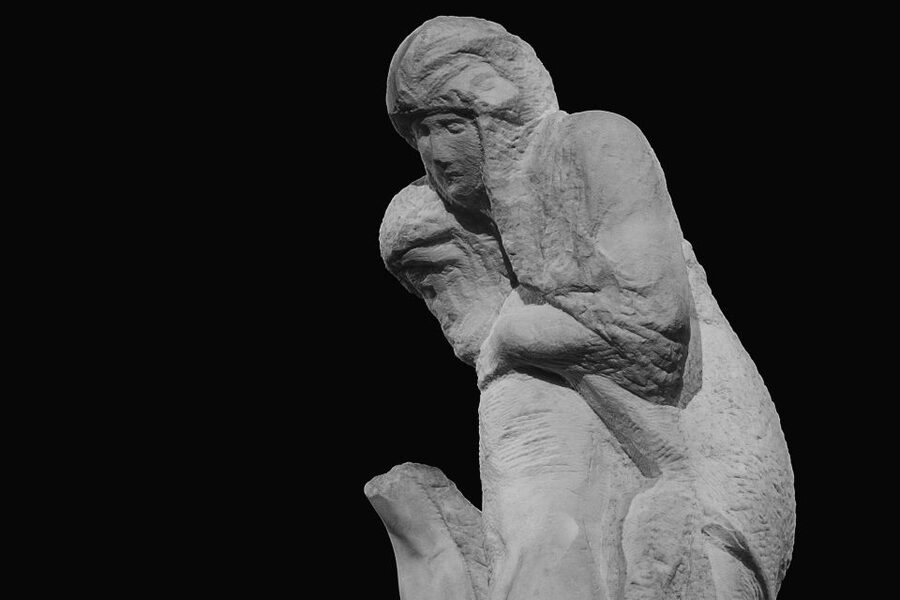
The final opportunity to see Michelangelo’s Pietà Rondanini gives the tour a strong finish. The sculpture is famous not only because of its artist, but also because of its unfinished quality. It offers a very different experience from a polished, completed masterpiece.
Seeing it after learning about the castle creates a useful contrast. You move from the building’s military and political past to one of its most personal artistic treasures. The Pietà Rondanini also reminds you that Sforza Castle is not only about architecture. Its current identity depends heavily on the art housed within its walls.
Do not treat this final stop as a minor extra. For many people, it will be the main reason to choose a guided castle visit over a general walk around Milan. If Michelangelo is high on your list, check that the tour schedule and museum access suit your plans before booking.
The description does not promise a long, independent viewing period, so keep your expectations practical. This is a guided tour with several subjects to cover, not a private sculpture study. Still, ending with the Pietà gives the two-hour visit a clear artistic focus.
How the small group changes the experience
A group capped at nine people is one of the best features of this activity. Small groups usually make it easier to stay close to the guide, hear the explanation through the radio system, and ask a quick question without interrupting a large procession.
The guide becomes especially important at a place as layered as Sforza Castle. A large group can turn a historic site into a follow-the-flag exercise. Here, the format should feel more controlled and personal, though the experience will still depend on the guide’s pace and the attention of the other participants.
One guide praised in the available feedback is Pier, whose French was described as excellent and whose explanations covered both history and architecture with interest. If you are taking the French-language option, that detail may help you feel more confident about the choice. An English-language guide was also praised for being very informed and engaging.
There is a practical tradeoff. Small-group tours cost more than simple admission, and this one is priced at $158.60. You are paying for a live explanation, a limited group, museum entry, and the convenience of a planned visit. If you mainly want to see the castle’s exterior or spend hours studying art independently, the price may not fit your priorities.
Is $158.60 good value for two hours?
At $158.60 per person, this is not a budget attraction. The value depends on what you want from Sforza Castle.
I would consider it reasonable for someone who wants the castle’s story explained in a compact visit, prefers a group of nine or fewer, and wants entry handled as part of the booking. The skip-the-ticket-line feature also saves you from dealing with a separate admission process, though it does not make the visit private or unlimited.
The price is harder to justify if you already know Milan’s history, enjoy reading museum labels on your own, or have plenty of time to explore without a guide. You may prefer to visit independently and put the money toward other museums.
The two-hour length is both a strength and a limit. It fits neatly into a busy Milan itinerary and gives you a defined introduction. It also means you will not have the luxury of lingering over every room, collection, or architectural detail.
For a short stay, I like the efficiency. For an art-focused trip, I would treat this tour as an orientation, then allow extra time if the included museum access permits it. The booking information confirms museum entry, but it does not specify how long you may remain after the guided portion, so check the current conditions before relying on extended independent time.
Walking, shoes, and the pace of the visit
Bring comfortable shoes and water. The activity involves a moderate amount of walking, and it is not recommended for people with back problems.
That advice is easy to overlook when a tour lasts only two hours. Historic castles involve uneven movement, standing, and repeated transitions between areas. You should not expect a seated lecture. If you need frequent rest or have difficulty walking, this may not be the right format.
The radio-guided system lets you keep listening while moving, but it does not reduce the physical demands of the visit. Wear shoes you can manage comfortably for the full tour and bring water, especially if you are fitting the castle between other Milan sights.
The meeting point and finish point are the same, so you do not need to plan a separate return transfer. The experience is centered on the castle, with no transportation included or required as part of the activity.
Who will enjoy this Sforza Castle tour?
I would recommend this visit to you if you want:
- A guided introduction to one of Milan’s major monuments
- A clear account of the Visconti and Sforza periods
- Context about the castle’s military, residential, and museum roles
- A small group instead of a large guided crowd
- Access to the Sforza Castle Museum
- A chance to see Michelangelo’s Pietà Rondanini
- A tour in English, German, Italian, French, Spanish, or Russian
It is particularly useful for first-time visitors who want someone to connect the castle’s parts into one story. It also suits anyone who values architecture and restoration as much as famous artworks.
I would hesitate if you dislike guided pacing, want a long independent museum visit, or need a low-cost activity. The price is substantial, and two hours may feel short if your main goal is detailed art study.
Free cancellation up to 24 hours before the activity and the reserve-now, pay-later option make planning less risky. There is also a minimum number of participants. If that number is not reached, the activity may be canceled after confirmation, with an alternative or full refund offered.
Should you book it?
Book this tour if Sforza Castle is high on your Milan list and you want its many identities explained in one compact visit. The strongest reasons are the small group, the included museum entry, the attention to Luca Beltrami’s restoration, and the chance to see Michelangelo’s Pietà Rondanini with a guide’s context.
Skip it if you are mainly looking for a cheap castle walk or several quiet hours in the museums. At $158.60, this is a paid interpretation of the site, not just a ticket. For the right visitor, that guidance turns a large and complicated monument into a much easier place to understand.
FAQ
Where does the Sforza Castle tour begin?
The tour begins at Piazza Castello, in front of the main entrance by the fountain.
Where does the tour end?
The activity ends back at the meeting point at Piazza Castello.
How long does the tour last?
The guided tour lasts two hours.
What is included in the price?
The price includes the Sforza Castle tour, entry to the Sforza Castle Museum, a tour guide, and a radio-guided system.
Is museum admission included?
Yes. Entry to the Sforza Castle Museum is included.
Can I skip the ticket line?
Yes. The activity includes skip-the-ticket-line access.
What languages are available?
The live guide is available in English, German, Italian, French, Spanish, and Russian.
How large is the group?
The tour is limited to nine participants.
Can I cancel for a full refund?
Yes. You can cancel up to 24 hours in advance for a full refund.
Is the tour suitable for people with back problems?
The activity is not recommended for people with back problems because it involves a moderate amount of walking.
Just added around Italy
- HIKING TOUR: VARENNA, Castle of VEZIO Villa MONASTERO, FIUMELATTE★ 5.0 · 48 reviews
- Castles of Puglia Day Trip from Bari★ 4.5 · 7 reviews
- Enchanted Castle of Sciacca – Museum Tickets★ 3.5 · 63 reviews
- Taormina; Taormina Castle Tour★ 3.8 · 11 reviews
- St. Angel’s Castle: 2-Hour Private Tour★ 5.0 · 9 reviews
- Milan: Skip-the-line Sforza Castle and Museums Private Tour★ 4.7 · 7 reviews
- Siena: Tour and Wine Tasting in a Tuscan Private Castle★ 4.9 · 50 reviews
- Sforza Castle & Michelangelo’s Pietà Rondanini Guided Tour★ 4.7 · 3 reviews
Guided Castle Tours, compared.

Edinburgh Castle: Guided Walking Tour with Entry Ticket
Read our review →
Cathedral, Giralda & Alcazar Entry With Guided Tour
Read our review →Edinburgh Castle: Guided Walking Tour with Entry Ticket
Read our review →
Stonehenge, Windsor Castle and Bath Full Day Guided Tour
Read our review →
Edinburgh Castle Guided Walking Tour in English
Read our review →
Alcázar and Cathedral Entry Ticket and Guided Tour
Read our review →
Alcázar of Seville Skip-the-Line Tickets and Guided Tour
Read our review →
Dublin Book of Kells, Castle and Molly Malone Statue Guided Tour
Read our review →Browse the lists this tour appears in