
Review · SRI LANKA
From Habarana: Dumbulla Cave & Sigiriya Fortress Tour
Two ancient sites, one useful day trip. This private outing combines Sigiriya Rock Fortress with Dambulla Cave Temple, while the drive from Habarana adds village views and open countryside. I like the hotel pickup and private air-conditioned vehicle, and I like having an English-speaking chauffeur guide for both major stops. The main concern is the heat, especially if your vehicle has weak air-conditioning.
At $50 per person, the tour can be good value if you want transport, guiding, and a simple plan in one package. Entrance tickets, food, and drinks cost extra, and six hours leaves little spare time if the Sigiriya climb runs long or the roads slow you down.
Key things to know before you book
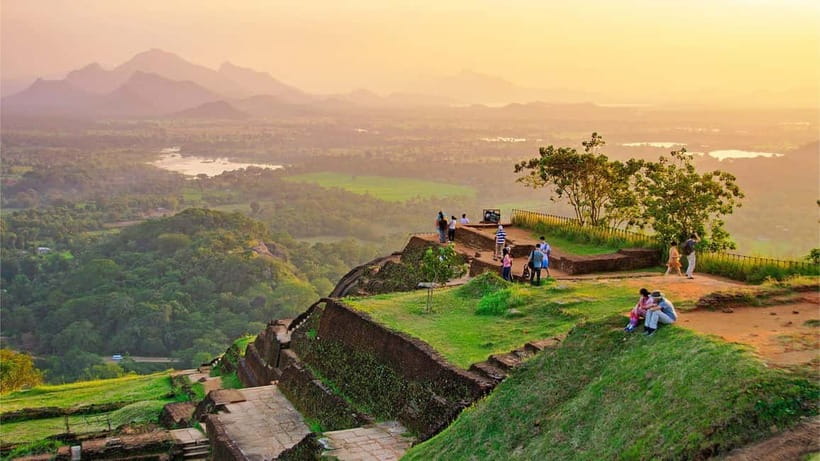
- Sigiriya takes the most effort: Plan on about three hours for the rock, gardens, ruins, climb, and return to ground level.
- Dambulla is cooler in tone, not necessarily in temperature: The cave temple offers remarkable statues and paintings, but you still need to walk uphill to reach the caves.
- The private format matters: You travel with your own group rather than joining a large coach, so the day feels more direct and flexible.
- The $50 price excludes admission: You pay separately for Sigiriya Rock and Dambulla Cave Temple tickets.
- The vehicle can affect the day: One recent booking described an old car with poor air-conditioning and slow travel, which made the heat difficult.
- The tour suits a packed sightseeing day: It works best for visitors staying in Habarana who want both major sights without arranging separate transport.
Why this Habarana day trip makes sense
Habarana is well placed for seeing the cultural sites of central Sri Lanka, but the attractions are spread out. Sigiriya and Dambulla are close enough to combine, yet far enough apart that arranging transport can become a nuisance. This tour removes that problem with pickup and return at your Habarana hotel.
I like the simple shape of the day. You visit Sigiriya first, when you still have energy for its climb, then continue to Dambulla for a slower look at the caves. The order also gives the trip a good rhythm: outdoor ruins and gardens first, painted chambers and Buddha images later.
The private setup is one of the strongest features. You are not tied to the pace of a large group, and the English-speaking chauffeur guide gives you someone to help explain the sites and manage the route. The booking information does not provide the guide’s name, so you should not expect a particular person unless you confirm that directly.
The weak point is transport comfort. A recent four-star booking specifically described an older car with limited air-conditioning and slow travel. That matters in Sri Lanka, where heat can make even a good sightseeing plan feel exhausting. Ask about the vehicle before departure, and carry extra water beyond the two 500-milliliter bottles supplied per person.
More Fortress and Citadel Tours in the world:
- Carcassonne: Castle and Ramparts Entry Ticket
★ 4.6 · 2,884 reviews - Salzburg: Hohensalzburg Fortress Admission Ticket
★ 4.6 · 2,236 reviews - Salzburg: Best of Mozart Fortress Concert and Dinner
★ 4.5 · 1,424 reviews
Sigiriya Rock: three hours of ruins, gardens, and climbing
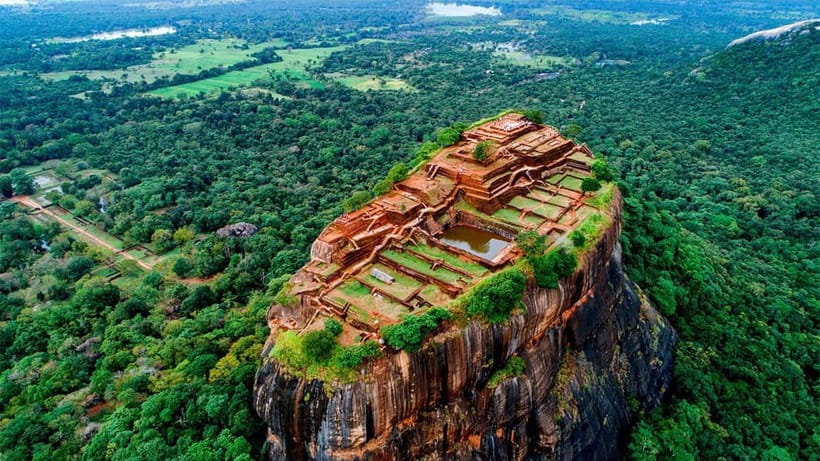
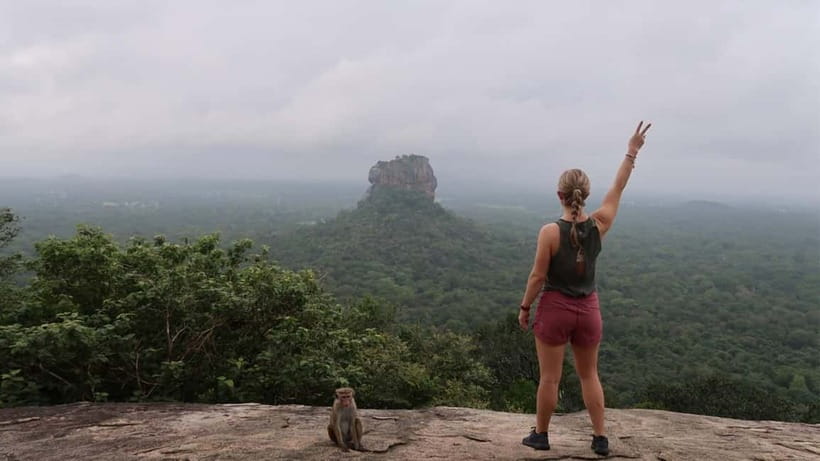
Sigiriya is the main event. The fortress rises from the plain as a huge rock outcrop, and the remains of King Kasyapa’s fifth-century capital spread around its base. The tour allows about three hours here, which is a sensible amount of time if you want more than a quick photograph.
Your visit begins at the lower site, where you can see the gardens, walls, moats, and old water features. These are not just decorative remains. They show how carefully the royal complex was planned, with irrigation systems that still hold water today, although the ponds are no longer as clean as they once were.
The gardens help you understand Sigiriya before the climb. From ground level, you can see how the rock dominated the royal setting and why the fortress was such a powerful defensive location. The surrounding ruins also make clear that Sigiriya was more than a staircase to a viewpoint. It was a planned capital with water management, ceremonial spaces, and fortified boundaries.
Then comes the climb. The rock was once shaped to suggest a lion, giving Sigiriya its name. Today, the enormous paws remain at the entrance to the upper route. They provide one of the site’s most memorable moments and mark the transition from garden ruins to steep stone and metal stairs.
You should be ready for physical effort. The precise number of steps is not provided, but the experience includes a substantial ascent up a large rock. Heat will make it harder, so start with the water supplied by the tour and pace yourself. The private format is useful here because your group can usually focus on its own progress rather than holding up a larger party, though the exact flexibility of the schedule depends on the guide and traffic.
Near the upper part of the route, the old paintings are a major reason Sigiriya has international importance. Their colors and forms remain unusually clear despite their great age. The paintings are not simply another item to tick off. They give the fortress a human side, showing the artistic ambition of the court that built and occupied it.
At the summit, the surviving foundations and views help you picture the scale of Kasyapa’s capital. The ruins are incomplete, so you will need to use the guide’s explanation and your imagination. That is part of the pleasure, but it also means Sigiriya rewards visitors who take time to look at the site as a whole rather than racing straight to the highest point.
After returning to the base, you may also visit the Sigiriya Museum. It contains useful pieces connected with the site and can help fill in the gaps left by the ruins. With only six hours for the complete excursion, ask how much museum time is possible. If the climb takes longer than expected, this may be the first part shortened.
Dambulla Cave Temple: painted chambers on a bare cliff
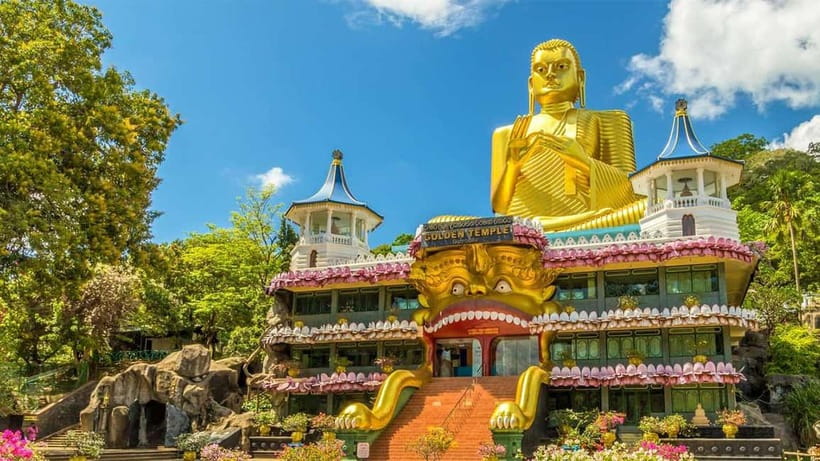
Dambulla offers a very different experience from Sigiriya. Instead of an open archaeological complex, you visit a series of monastery caves set into a large stone cliff. The rock rises about 600 feet above the plain, and much of its surface is bare and dark, giving the temple a striking setting before you even enter the caves.
The cave complex is among Sri Lanka’s oldest and best-preserved rock temples. The supplied schedule allows about two hours at Dambulla, although the longer description gives three hours for the stop. That difference is worth clarifying before you set out. Two hours can give you a good visit, but it may feel brisk if you want to examine every statue and painted surface.
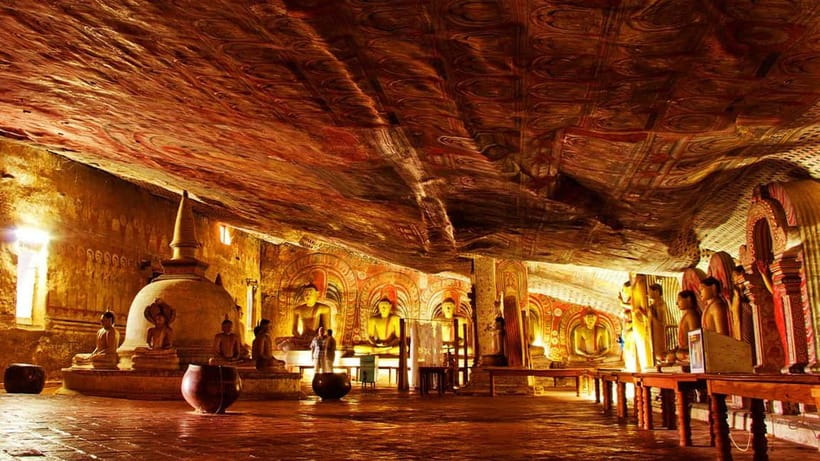
Inside, the caves are filled with Buddha images and elaborate frescoes. The scale and concentration of religious art are what make Dambulla special. You are not looking at one isolated shrine, but a connected group of chambers shaped and maintained over many centuries.
The temple’s first caves date back to the first century. That gives the site a very long religious life, but the practical value for you is easier to understand: Dambulla is a place where architecture, devotion, painting, and sculpture remain together in one setting. The caves are not presented as empty ruins. They continue to function as a Buddhist temple.
The Golden Temple is also part of the Dambulla stop. The cave visit itself is the main reason to come, but the broader temple complex helps frame the site for visitors arriving from the road. You should dress and behave respectfully because this is an active religious place, not only an archaeological monument.
Dambulla is less physically demanding than Sigiriya, but it is not completely effortless. Reaching the caves involves an uphill approach, and the rock setting can feel exposed in the heat. Comfortable footwear and water will help. Since the tour provides only two small bottles per person, you may want to buy or carry more if you are sensitive to hot weather.
The drive from Habarana adds useful context
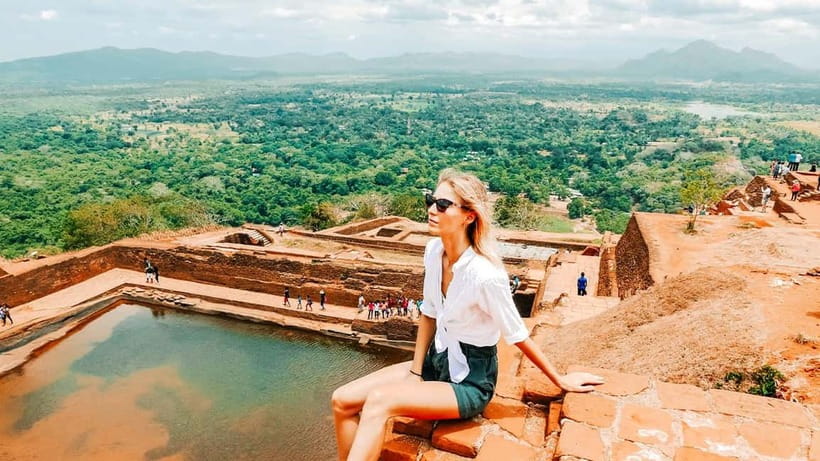
The road journey is not just dead time between ticket gates. The route into Sri Lanka’s interior passes traditional villages and green countryside, giving you glimpses of daily life outside the major monuments. The tour description does not promise specific village stops, so think of these as views from the vehicle rather than a scheduled cultural visit.
That distinction matters. If you want a hands-on village experience, this is not presented as that type of tour. If you simply want to see more of the central countryside while someone else handles the driving, the route adds welcome context.
The drive also explains why a private vehicle is valuable. You are not arranging taxis between Habarana, Sigiriya, and Dambulla, and you return to the same hotel at the end. The air-conditioned vehicle should provide relief between walks, but the condition of the car may vary. One recent booking found the air-conditioning inadequate, so this is the most important comfort question to ask in advance.
A few more castle visits around the world worth a look
- Seville: Royal Alcázar Entry Ticket
★ 4.6 · 28,378 reviews - Stonehenge, Windsor Castle, and Bath from London
★ 4.5 · 18,662 reviews - Bucharest: Dracula’s Castle, Peles Castle, & Brasov Old Town
★ 4.5 · 17,858 reviews - From Munich: Neuschwanstein & Linderhof Castle Full-Day Trip
★ 4.6 · 14,646 reviews
Is $50 per person good value?
The $50 price is reasonable for a private six-hour outing that includes hotel pickup, hotel return, private transport, an English-speaking chauffeur guide, and two bottles of water per person. You are paying for convenience as much as for sightseeing.
The price does not include admission to Sigiriya Rock or Dambulla Cave Temple. It also excludes meals, drinks, and personal expenses. That means the final cost will be higher, and you should budget for both entrance tickets before deciding that the tour fits your plans.
Value depends on your group size. For one person or a couple, $50 each may feel less attractive once tickets are added. For a small private group, the shared convenience becomes more useful because you are paying for a dedicated vehicle and guide rather than several separate transfers.
I would also compare the cost with arranging a car and driver independently. The advantage here is simplicity and a clear route. You know the day includes both major sites and begins and ends at your Habarana hotel. If you dislike negotiating transport or coordinating separate rides, that certainty is worth something.
The tour earns its value when you treat it as a focused cultural day, not a luxury outing. The vehicle may be basic, the tickets are extra, and the schedule is tight. But the combination of two important sites in one day is efficient.
Timing, heat, and the six-hour limit
Six hours sounds generous until you account for pickup, driving, two major visits, and the return to Habarana. Sigiriya alone is planned for three hours, while Dambulla receives about two hours in the itinerary. That leaves only a small margin for transfers and delays.
You should begin early if a choice of starting times is available, though the available start times are not specified. An earlier departure would generally help you handle the climb before the strongest heat, but confirm the actual pickup time when booking.
Do not treat the schedule as a promise that every stop will receive its maximum possible time. Sigiriya can absorb three hours easily, especially if you climb all the way up, pause for the paintings, study the gardens, and visit the museum. If you spend that full period there, Dambulla may be closer to the shorter two-hour visit.
The heat is not a minor issue. One recent booking described recovering from the heat as almost unbearable because of the car’s poor air-conditioning. That comment is especially useful because it identifies a practical risk that the sightseeing highlights do not show. Wear light clothing, use sun protection, and keep water available during both walks.
The private arrangement helps with comfort, but it does not remove the physical demands of the sites. You still face an uphill route at Dambulla and a major climb at Sigiriya. If you want a relaxed day with long pauses, this schedule may feel too full.
Who will enjoy this tour most?
I would recommend this tour to you if you are staying in Habarana and want to see both Sigiriya and Dambulla without spending time arranging transport. It is especially useful for a couple, family, or small private group that values a dedicated vehicle and guide.
It also suits first-time visitors who want basic historical and cultural explanation as they go. The English-speaking chauffeur guide is included, and the route is straightforward. You can focus on the sites instead of working out the road connections.
You should think twice if you dislike heat, steep climbs, or compact schedules. Sigiriya requires real effort, and the car’s air-conditioning may not always meet modern expectations. You may prefer to split the two sites across separate days if your main goal is an unhurried visit.
The tour is also less suitable if you expect meals, entrance tickets, or a highly specialized historian guide to be included. The supplied information promises an English-speaking chauffeur guide, not a particular academic specialty.
Booking advice for a smoother day
Confirm the vehicle’s air-conditioning before you go. This is the clearest practical lesson from the available feedback, and it can make a large difference after the Sigiriya climb.
Ask how the six hours are divided between the two sites. The schedule lists three hours for Sigiriya and two for Dambulla, while the fuller site descriptions allow three hours at each. Knowing the real plan will help you decide if the museum, temple grounds, and all major sections can fit.
Bring water beyond the two 500-milliliter bottles provided per person. Carry sun protection and wear shoes suitable for stairs and uneven surfaces. Keep some flexibility in your expectations, since road conditions and the time spent climbing can affect the return schedule.
The cancellation terms are helpful if your plans may change: you can cancel up to 24 hours ahead for a full refund, and you can reserve now while paying later. Those policies do not improve the sightseeing itself, but they reduce the risk of committing too early.
Should you book the Sigiriya and Dambulla tour?
Book it if you want an efficient private day from Habarana and value having transport, a guide, and both major sights arranged together. Sigiriya’s gardens and rock paintings give the morning real drama, while Dambulla’s cave art and statues provide a quieter second stop.
Skip it, or ask for a different vehicle, if air-conditioning and comfort are your top priorities. Also skip it if you want generous time at every site. For most Habarana visitors with only one day for this part of Sri Lanka, though, the tour offers a practical pairing and strong cultural value, provided you budget for entrance tickets and prepare for the heat.
FAQ
Where does the tour begin and end?
The tour begins with pickup at your hotel in Habarana and returns you to Habarana after the visits.
How long does the experience last?
The scheduled duration is six hours.
Which sites are included?
The tour visits Sigiriya Rock Fortress and Dambulla Royal Cave Temple, also known as the Dambulla Cave and Golden Temple complex.
How much time is planned at Sigiriya?
The itinerary allows three hours for Sigiriya Fortress, including a guided visit.
How much time is planned at Dambulla?
The itinerary lists two hours at Dambulla Royal Cave Temple. The fuller description of the stop gives three hours, so you should confirm the exact timing before departure.
Are entrance tickets included?
No. Entrance tickets for Sigiriya Rock and Dambulla Cave Temple are not included in the tour price.
Is transportation included?
Yes. The tour includes transport in a private air-conditioned vehicle, along with hotel pickup and drop-off in Habarana.
Is a guide included?
Yes. An English-speaking chauffeur guide is included.
Is the tour private?
Yes. It is arranged for a private group rather than a shared group.
How much water is provided?
Each person receives two 500-milliliter bottles of water. Food and other beverages are not included.
Just added around the world
- Standing Stones, Inveraray and Kilchurn Castle & Highlands Tour starting Balloch★ 5.0 · 35 reviews
- Cardiff: South Wales Cliffs, Beaches & Castles Day Tour★ 5.0 · 36 reviews
- West Coast Lochs & Castles Tour – from Glasgow★ 5.0 · 20 reviews
- Private Day Tour of South Wales, including Cardiff & Caerphilly Castle.★ 5.0 · 15 reviews
- Private Tour – Edinburgh to St Andrews, Dunnottar Castle & Dundee★ 5.0 · 9 reviews
- From Cardiff: 3 Amazing Castles, Tintern Abbey & Roman Caerleon★ 5.0 · 12 reviews
- Private Day Tour of Cardiff, including Cardiff Castle, St Fagans, & Cardiff Bay★ 5.0 · 5 reviews
- Carcassonne: Secrets of the Castle’s Defense Self-Guided Tour★ 4.5 · 8 reviews
Fortress & Citadel Tours, compared.
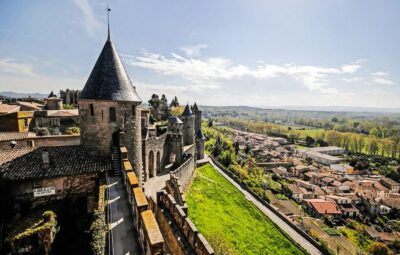
Carcassonne: Castle and Ramparts Entry Ticket
Read our review →
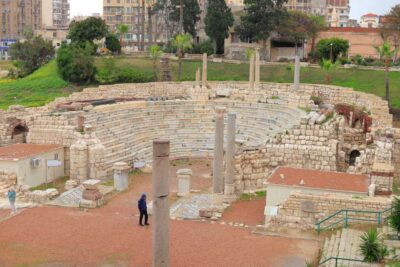
From Cairo Alexandria Catacombs, Citadel Day Trip with Lunch
Read our review →
Charleston historical walking tour with a Professor of History at The Citadel
Read our review →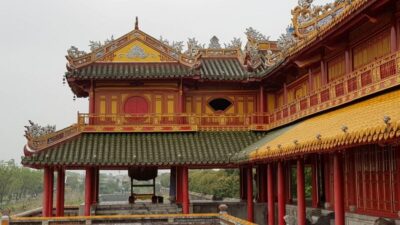
Hue Customizable Tour with Imperial Citadel & Forbidden City
Read our review →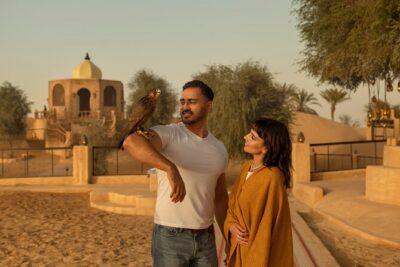
Desert Safari: Luxury Fortress Dinner, Camel Ride & Dune Bashing
Read our review →
Egyptian Museum, Citadel, and Old Cairo Guided Tour
Read our review →Browse the lists this tour appears in