
Review · ROME
City walk through Spanish steps, Trevi fountain, Pantheon, Navona, Angel Castle
Rome rewards a good pair of walking shoes. This private three-hour route links the city’s most famous central sights, from the Spanish Steps and Trevi Fountain to the Pantheon, Piazza Navona, the Tiber, and Castel Sant’Angelo. I like the private format, which gives your group a guide rather than a fixed crowd, and I like the route’s clear story, moving from ancient Rome through the Baroque period and into the city’s modern political center. The main drawback is simple: $524.97 is a serious price for three hours, especially for a solo visitor or couple.
You can choose a morning or afternoon departure, which makes this useful on a packed Rome schedule. I also like that the walk includes Saint Matthew’s Chapel with its Caravaggio paintings and ends at Castel Sant’Angelo, giving you more than a parade of postcard stops. Guides named Chris and Gigi have received especially warm praise for their clear explanations and personal approach.
- Eight central stops in about three hours: The route covers Rome’s headline sights without trying to include the Colosseum or Vatican Museums.
- A private group of up to three: Your guide can keep the pace relaxed and tailor explanations to your interests.
- Caravaggio inside Saint Louis of the French: This brief church stop adds serious art to the route.
- Ancient, Baroque, and modern Rome together: Piazza Navona, Piazza Colonna, and the Tiber help connect the famous monuments.
- A useful start and finish: Meet near the Spanish Steps and finish in front of Castel Sant’Angelo.
- Strong guide feedback: The experience has a 5.0 rating from 55 ratings, with 100 percent recommending it.
A Route That Explains Rome Instead of Just Naming It
The appeal here is not simply the number of monuments. Rome’s center can feel like a pile of unrelated churches, fountains, columns, and grand squares until someone explains how the pieces fit together. This walk gives you that framework in a compact block of time.
You begin at Babington’s Tea Room on Piazza di Spagna, then work toward the Pantheon and Piazza Navona before following the Tiber toward Castel Sant’Angelo. The route is about movement through time as much as movement through the streets. You see the grand public spaces of the Baroque era, the remains of ancient engineering, the seat of modern government, and the river that has shaped Rome’s daily life.
I would think of this as an orientation walk rather than a full museum tour. The focus is on the outside of most monuments, with interior access specifically noted for the Pantheon and the Church of Saint Louis of the French. That distinction matters. You get a strong first look and plenty of context, but you should not book it expecting long indoor visits or a slow art-focused tour.
Spanish Steps: A Grand Start in Piazza di Spagna
The meeting point at Babington’s Tea Room puts you directly beside the Spanish Steps. This is a practical place to begin because the square is easy to recognize, and the steps provide an immediate lesson in how Rome uses architecture to shape public life.
Your guide covers the history and design of the square and the nearby area during roughly 30 minutes. That is enough time to understand why the steps became such a famous gathering point and how the surrounding streets fit into central Rome’s elegant commercial district.
The stop is free, but free admission does not mean little to see. The value comes from learning what you are looking at instead of snapping a photograph and moving on. Ask your guide to point out the details that are easy to miss from the base of the steps.
The area can be crowded, so the relaxed private format is useful. You are not tied to the pace of a large group trying to hold together on the steps. Still, this is a public square, not a reserved tour space. Expect city activity around you.
More Castle Walking Tours in Italy:
- Edinburgh Castle: Guided Walking Tour with Entry Ticket
★ 4.7 · 11,699 reviews - Prague: 3-Hour Walking Tour of Old Town & Prague Castle
★ 4.7 · 5,696 reviews - Edinburgh Castle: Guided Walking Tour with Entry Ticket
★ 5.0 · 5,540 reviews
Trevi Fountain: History Around a Famous Waterworks
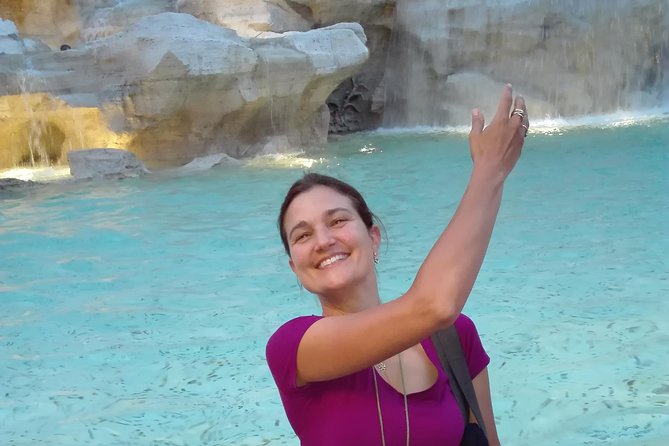
From Piazza di Spagna, the route continues to Fontana di Trevi for about 25 minutes. The fountain is one of Rome’s most recognizable sights, but its scale and theatrical design make more sense when someone explains its purpose and architectural setting.
Your guide discusses the fountain’s history and design rather than treating it as a quick photo stop. That turns a short visit into a lesson in Rome’s taste for grand public statements. The water, sculpture, stonework, and tight urban setting all deserve attention.
There is no admission charge. The challenge is the crowd, which can make it difficult to stand in one place or hear every word. A private guide can help by choosing a sensible place to pause and by adjusting the explanation as people move around you.
Do not budget this as a quiet, contemplative fountain visit. It is better suited to getting the story, seeing the major details, and moving on with a clear sense of what makes the fountain important.
Piazza Colonna: Rome’s Political Center
Piazza Colonna is a shorter stop, about 20 minutes, but it adds a useful modern layer. Here, the focus shifts from monumental waterworks and grand stairways to the political center of the Italian capital.
The square’s history and present-day role help you see Rome as a living capital, not only an open-air museum. This is one of the route’s less obvious stops, and I consider that a strength. A good city walk should include places that explain how the city functions now.
The stop also breaks up the famous-monument rhythm. You have seen the Spanish Steps and Trevi Fountain, but Piazza Colonna asks you to pay attention to government, public space, and the way Rome’s old center still serves modern civic life.
Because the stop is relatively brief, you will not get an extended political tour. Instead, you receive a concise explanation that ties the square to the wider city.
The Pantheon: Rome’s Great Interior Moment
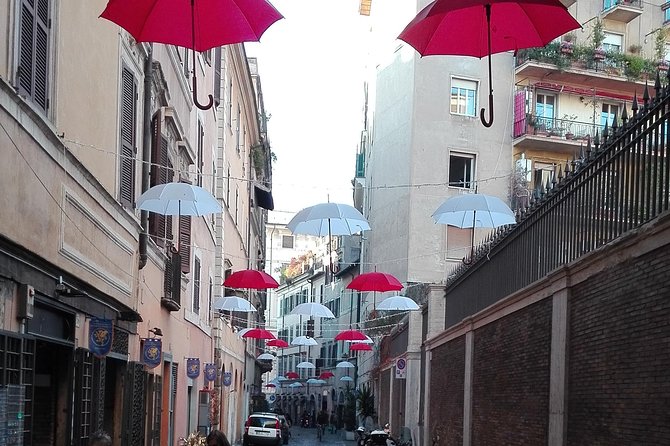
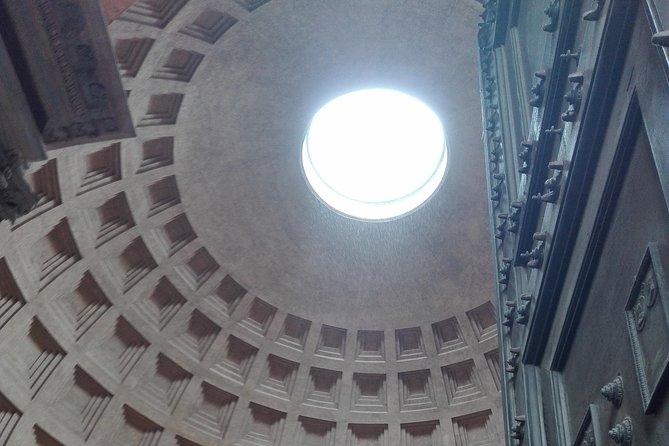
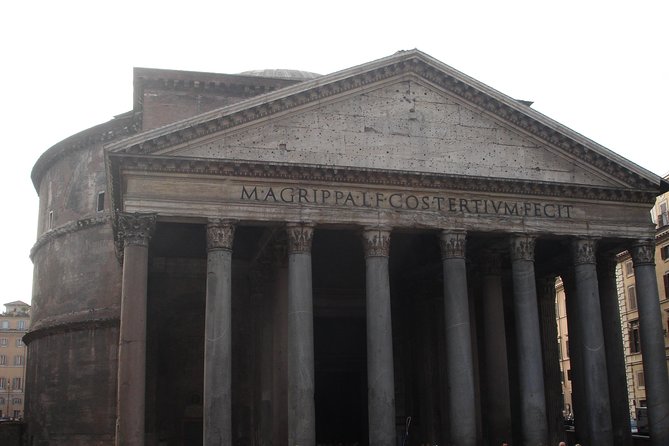
The Pantheon receives about 30 minutes, with explanations from outside and inside. This is one of the strongest parts of the route because the building’s exterior can never fully prepare you for its interior proportions.
Your guide can explain the architecture and the building’s place in Rome’s long story while you look at the structure itself. The Pantheon works especially well with a guide because its engineering and design are easier to appreciate when you know what to watch for.
The time limit keeps the visit focused. You should expect an introduction and guided interpretation, not an unhurried architectural study. If the interior is busy, the private setting may help your guide keep the explanation connected to what you can actually see.
The Pantheon is also a good point to ask questions. If you are curious about ancient construction, religious changes, or how Rome adapted older buildings, this is the stop where a clear guide can add the most value.
A few more castle visits around Italy worth a look
- Milan: Sforza Castle Entry Ticket with Digital Audio Guide
★ 4.0 · 2,675 reviews - Milan: Sforza Castle and Michelangelo’s Pietà Rondanini Tour
★ 4.7 · 1,119 reviews - From Siena: Chianti and Castles Tour with Wine Tastings
★ 4.6 · 631 reviews - Milan: The Last Supper & Sforza Castle Guided Tour
★ 4.6 · 610 reviews
Saint Louis of the French and Caravaggio’s Saint Matthew
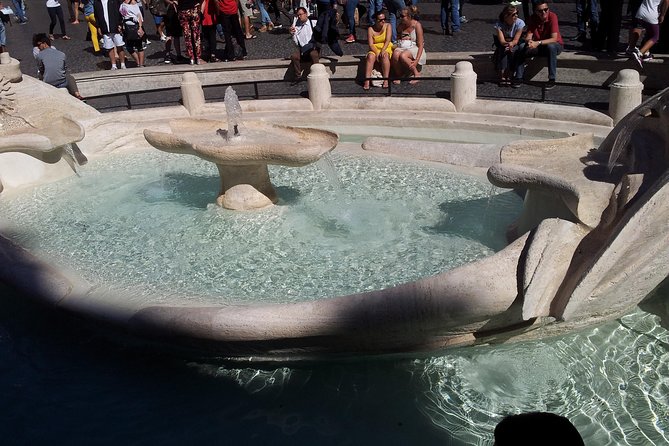
The Church of Saint Louis of the French is a particularly appealing addition. The visit lasts about 20 minutes and includes the Chapel of Saint Matthew, known for its Caravaggio paintings.
This stop gives the walk an art focus without turning it into a museum itinerary. Caravaggio’s work is closely tied to the church setting, so you see the paintings in the place for which they were made rather than only as isolated images in a gallery.
A short church visit requires attention. You may find that the paintings reward a few quiet minutes, but the schedule does not allow for a long art lecture or extended time with every detail. Your guide’s explanations are therefore important. Gigi, in particular, has been praised for keeping attention through the full experience, and that skill matters at a stop like this.
Remember that this is a functioning church setting. Your guide can explain the art and context, but you should follow any rules in place during the visit.
Piazza Navona: From Ancient Stadium to Baroque Square
Piazza Navona gets about 25 minutes and is one of the best places to see Rome’s layers in a single view. The square follows the shape of an ancient stadium, while the buildings and central fountain reflect the grandeur of Baroque Rome.
That contrast is the point. You are not just looking at a pretty open space. You are seeing how an ancient footprint was reused and transformed over time. The guide’s explanation helps connect the oval shape of the piazza with its earlier function and then brings the story forward to the later fountains and public architecture.
The central fountain receives special attention. This is a place where a short explanation can change what you notice, from the arrangement of the sculpture to the way the square is framed by surrounding buildings.
Piazza Navona is a natural midpoint for the route. It brings together ancient planning, church power, art, and public life. Since the visit lasts only 25 minutes, you will get the main story rather than a full survey of every building around the square.
The Tiber: A Brief Look at Rome’s River Life
The Tiber section lasts about 10 minutes, making it the shortest stop. It may sound modest beside the Pantheon or Trevi Fountain, but it gives the tour a needed change of scale.
Your guide discusses river life and the bridges that connect Rome’s neighborhoods. The river helps explain why the city developed where it did and how movement through Rome has always depended on crossings and connections.
This is not a river cruise or a long riverside walk. Think of it as a short transition between the historic center and Castel Sant’Angelo. The value lies in seeing Rome from a slightly different angle and learning how the river fits into the city’s layout.
Castel Sant’Angelo: A Strong Finish by the Tiber
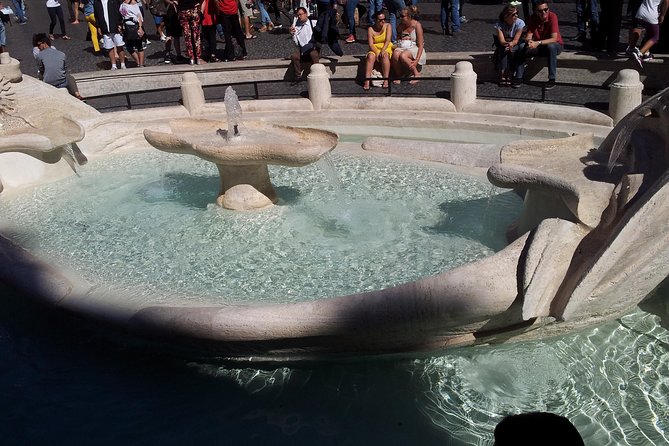
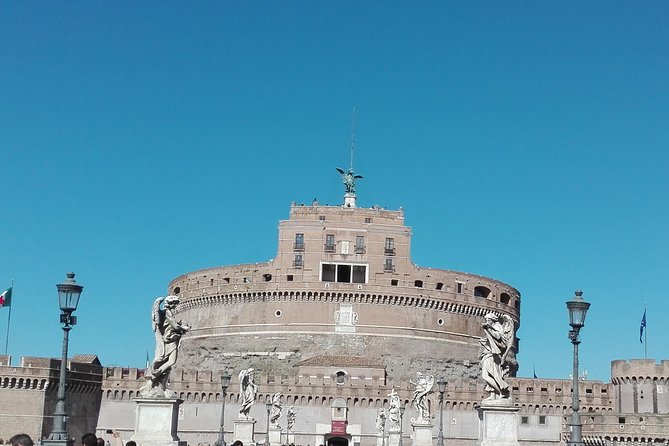
The tour ends in front of the Museo Nazionale di Castel Sant’Angelo after about 20 minutes focused on the monument’s history through the centuries. The visit is from outside, so entrance to the museum is not part of this experience.
That arrangement makes sense for a three-hour city walk. Castel Sant’Angelo has a long and varied story, and the exterior gives your guide a strong final subject. Its position beside the Tiber also brings together several themes from the route: defense, power, bridges, religion, and Rome’s changing urban life.
Ending here is practical if you plan to continue exploring the area on your own. You can decide later if you want to enter the museum, but this tour does not include that admission. Be clear about this before booking, since the itinerary is an overview from outside rather than a museum visit.
The finish also gives the walk a satisfying geographic shape. You begin near the Spanish Steps and travel across central Rome to the river, ending at one of the city’s most recognizable fortifications.
What $524.97 Means for Your Group
The listed price is $524.97 per group of up to three people. That means the value changes sharply depending on your party size. Split three ways, the cost is roughly $175 per person. For two people, it is about $262.50 each, and for one person the full amount falls on one guest.
I see the price as easiest to justify for three people who want a private guide and a compact overview of Rome. You are paying for personal attention, flexible pacing, and the ability to ask questions without competing with a large group.
The cost is harder to defend if you only want a quick walk past the major sights. Rome has many free public squares and fountains, and the tour does not include admission to Castel Sant’Angelo. The price makes more sense if the guide’s explanations are central to your visit.
The strongest value comes from the range covered in three hours. You receive an introduction to major monuments, civic Rome, Caravaggio, the Tiber, and Castel Sant’Angelo without spending a full day on a single site.
Timing, Walking, and Who Will Like This Best
You can select a morning or afternoon start, which helps you fit the experience around meals, museum visits, or other plans. Since the duration is about three hours, it works well as a first or second activity in a day.
The route is a walking tour through central Rome. Most travelers can participate, and the experience is near public transportation. Service animals are allowed. No special mobility details are provided, so if you have concerns about walking, steps, or the surfaces along the route, ask the provider before booking.
I would recommend it most for:
- First-time visitors who want a clear introduction to central Rome
- Couples or small families who value a private guide
- People who prefer context and conversation over a self-guided checklist
- Art lovers who want to include Caravaggio without booking a separate art tour
- Visitors with only a few hours available
It may be less suitable if you want long interior visits, extensive museum time, or a tour centered on the Colosseum and Vatican. Neither of those major sites is included.
The Guide Makes the Difference
This kind of experience depends heavily on the person leading it. The route is excellent, but the Spanish Steps, Trevi Fountain, and Piazza Navona can be visited without a guide. The added value comes from explanation, connections, and good judgment about where to pause.
Chris has been praised for explaining the city and the meaning behind what you see, especially by helping guests understand Rome’s history and important figures. Gigi has been praised for strong subject knowledge, keeping attention, and adding personal touches. Those comments point to the quality you should look for here: not just facts, but clear storytelling that makes the city easier to read.
The provider is Cris Roman Guide by Cristina Giannicchi. Since the experience is private, you receive the guide’s attention for your group rather than a standard speech delivered to a large crowd.
Tips are not included, so plan to handle gratuity separately if you feel the guide provided good service. Confirmation is normally received at booking, though bookings made within nine days of travel may receive confirmation within 48 hours, subject to availability.
Cancellation and Planning Advice
Free cancellation is available if you cancel at least 24 hours before the start time. Cancellations made less than 24 hours before the experience are not refunded, and changes inside that period are not accepted.
I would book once your Rome schedule is fairly firm, especially because the experience is often reserved well ahead of time, with an average booking lead of 123 days. Pick the morning or afternoon slot that leaves enough room for the rest of your day, and arrive at Babington’s Tea Room in Piazza di Spagna rather than going directly to the Spanish Steps without checking the meeting point.
Should You Book This Rome Walk?
I would book this tour if you want a private, guided introduction to Rome’s historic center and your group has two or three people to share the cost. The best reasons are the relaxed pace, the clear route, the Pantheon interior, the Caravaggio chapel, and the guide’s ability to connect ancient Rome with the city you see today.
I would skip it if your main goal is entering several museums or spending long periods inside monuments. For the right group, though, this is a practical way to get your bearings, understand Rome’s major sights, and finish near Castel Sant’Angelo with a better sense of how the city fits together.
FAQ
How long does the walking tour last?
The tour lasts approximately three hours.
How many people can join the private tour?
The price covers a private group of up to three people.
Where does the tour start?
The meeting point is Babington’s Tea Room, Piazza di Spagna 23, Rome.
Where does the tour end?
The tour ends in front of Saint Angel Castle, also called Castel Sant’Angelo, at Piazza Pia.
Is admission to the attractions included?
The guide is included, but the provided details list the stops as free admission. Entrance to the Castel Sant’Angelo museum is not included because the visit there is from outside.
Are morning and afternoon departure times available?
Yes. You can select either a morning or afternoon tour time.
Is the tour offered in English?
Yes. The experience is offered in English and includes a mobile ticket.
Can I cancel for a full refund?
Yes, if you cancel at least 24 hours before the experience’s start time. Cancellations made less than 24 hours before the start time are not refunded.
Just added around Italy
- HIKING TOUR: VARENNA, Castle of VEZIO Villa MONASTERO, FIUMELATTE★ 5.0 · 48 reviews
- Castles of Puglia Day Trip from Bari★ 4.5 · 7 reviews
- Enchanted Castle of Sciacca – Museum Tickets★ 3.5 · 63 reviews
- Taormina; Taormina Castle Tour★ 3.8 · 11 reviews
- St. Angel’s Castle: 2-Hour Private Tour★ 5.0 · 9 reviews
- Milan: Skip-the-line Sforza Castle and Museums Private Tour★ 4.7 · 7 reviews
- Siena: Tour and Wine Tasting in a Tuscan Private Castle★ 4.9 · 50 reviews
- Sforza Castle & Michelangelo’s Pietà Rondanini Guided Tour★ 4.7 · 3 reviews
Castle Walking Tours, compared.

Edinburgh Castle: Guided Walking Tour with Entry Ticket
Read our review →
3-Hour Walking Tour of Old Town & Prague Castle
Read our review →Edinburgh Castle: Guided Walking Tour with Entry Ticket
Read our review →
Edinburgh Castle Guided Walking Tour in English
Read our review →

Prague 3-hour Afternoon Walking Tour including Prague Castle
Read our review →
Royal Mile and Edinburgh Castle – Small Group Walking Tour
Read our review →Browse the lists this tour appears in