
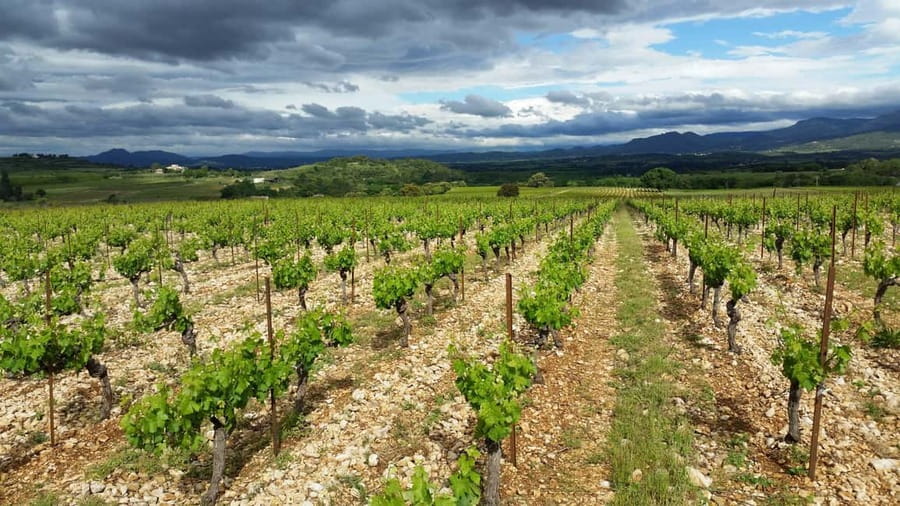
Review · FRANCE
Tasting tour : The secrets of the vineyard Chateau Capion
A good wine tour should explain more than the label. Château Capion does that in a compact visit covering winemaking, tasting, gardens, and a vineyard trail. I like the hands-on cellar explanation and the freedom to taste white, red, and rosé wines from two local designations. The main catch is simple: the one-hour schedule moves quickly, especially if you want time for questions.
This is a private-group experience in Occitanie, with French and English guiding. I also like that the tasting can be shaped around your preferences rather than forcing everyone through the same lineup. Still, take care when buying bottles afterward: one low-rated account describes receiving different wine from what was ordered, so check your purchase before leaving.
Key points to know before you go
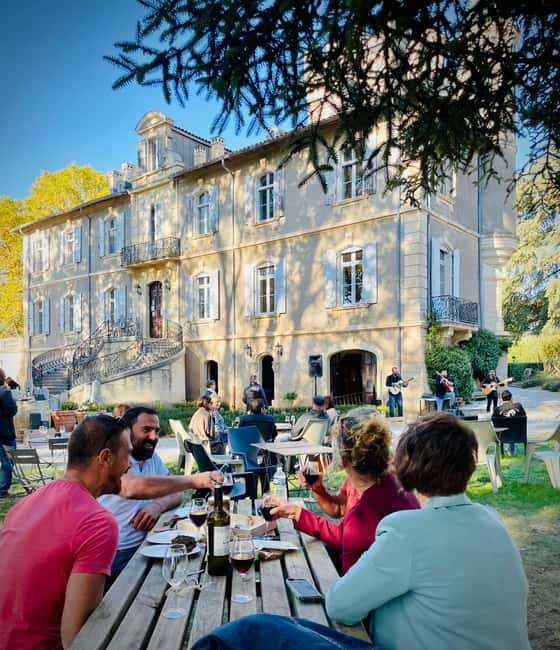
- Thirty minutes in the working cellars: You learn how white, red, and rosé wines pass through vinification and aging.
- Taste five to ten wines: The selection can include IGP Saint-Guilhem-le-Désert and AOP Terrasses du Larzac wines.
- A private group format: You can ask questions directly and guide the tasting toward the styles you prefer.
- Gardens and a 1.2-kilometer trail: The formal gardens and educational vineyard path are included at no extra charge.
- A short, focused visit: The main activity lasts one hour, so arrive ready to listen and taste rather than linger.
- Bring practical outdoor gear: Comfortable shoes, water, a sun hat, and a camera will help.
What makes Château Capion worth your time
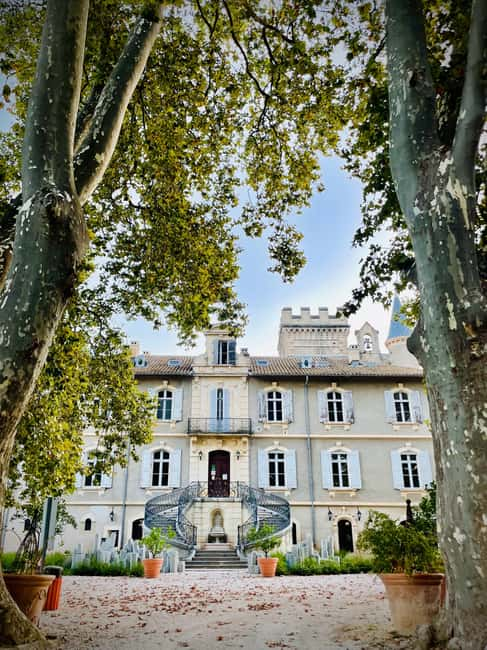
Château Capion offers a useful mix of wine education and easy sightseeing. You are not limited to standing at a counter with a glass in hand. The visit begins with the practical work behind the bottles, then moves to tasting, followed by time outdoors on the château grounds.
That order matters. Once you have seen the vinification and aging cellars, the tasting has a clearer purpose. You can connect the finished wine with the stages that produced it. For a first introduction to French wine, this is more useful than tasting a long list of bottles with no explanation.
The setting also gives the experience a pleasant local character. Château Capion is in Occitanie, where the wines on offer include bottles from IGP Saint-Guilhem-le-Désert and AOP Terrasses du Larzac. Those names may be unfamiliar if you usually buy wine by grape variety, so the guide’s explanations can help you understand the regional labels.
I would treat the experience as a short introduction, not a full winery day. The one-hour duration keeps the visit easy to fit into a busy itinerary, but it leaves little room for a slow pace. If you want to walk the 1.2-kilometer educational trail as well, allow extra time after the guided portion.
A few more castle visits around France worth a look
- From Paris: Loire Valley Castles Day Trip With Wine Tasting
★ 4.6 · 1,727 reviews - Beaune: Wine Tasting at Château de Pommard
★ 4.6 · 353 reviews - Nice : Wine Tasting at a Historic Château in a Land Rover !
★ 4.9 · 156 reviews
Starting at Chemin de Capion
The tour begins at Chemin de Capion, and the activity ends at the same meeting point. Directions and on-site details are provided there, so you should plan your own transport to and from the vineyard.
That point is important because transportation is not included. If you are staying elsewhere in Occitanie, check your route before booking. The experience does not function as a sightseeing transfer, and you will need to arrange your own arrival and departure.
Once there, the private-group format should make the start fairly direct. You are not joining a large public crowd, and the guide can speak in either French or English. If wine terminology is new to you, English guidance gives you a chance to ask about production methods, regional labels, and the differences among the wines being poured.
Wear shoes suitable for walking outdoors. The formal gardens and vineyard path are part of the experience, and the practical advice to bring water and a sun hat is worth following, especially in warm weather. Smoking is not allowed.
Thirty minutes inside the vinification and aging cellars
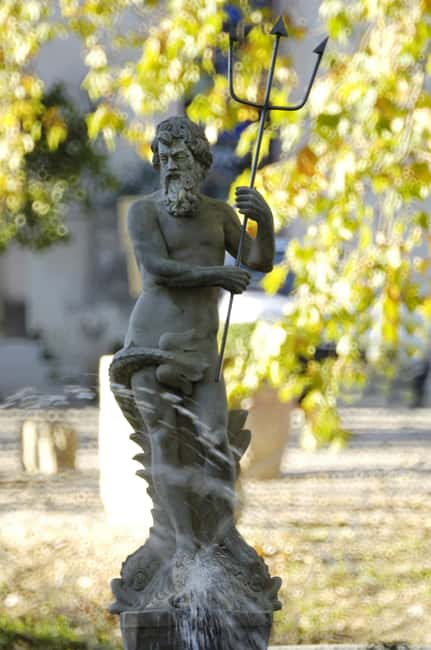
The first half of the tour focuses on the cellar facilities. In about 30 minutes, you learn about the stages used to make white, red, and rosé wines.
This is the strongest educational part of the visit. White, red, and rosé wines are not simply different colors of the same drink, and a cellar tour gives you a way to understand that. The guide can explain how each style moves through production and aging, helping you notice why the wines taste and feel different later.
The tour is not described as a long technical lecture, which suits the one-hour format. You get the basic chain of production, then move quickly to the part most people are waiting for: tasting. I would listen for the practical points and ask questions as they come up, since the guided tasting is the best time to connect the cellar work with what is in your glass.
The cellar visit also gives the château a sense of place. You are learning how this particular vineyard makes its wines, rather than receiving a general lesson detached from the property. That local focus makes the experience more useful for anyone who plans to buy bottles from the region later.
Because the tour is short, do not expect a detailed study of every production step. The main value is the clear overview. It gives beginners enough background to taste with more confidence without asking them to memorize a textbook of wine terms.
A tasting built around five to ten wines
After the facilities tour, you move to the tasting stage. You can taste between five and ten wines, with the selection shaped around your preferences.
That flexibility is a real strength. You may prefer whites, reds, or rosés, and you can focus on those instead of spending precious time on styles you already know you dislike. The wines come from IGP Saint-Guilhem-le-Désert and AOP Terrasses du Larzac, giving you a chance to compare two regional designations.
The tasting is guided, not simply poured without context. You can ask questions during this part, so use the opportunity. Ask about the differences between the labels, how the wines relate to the cellar process, and which bottles best suit your own taste. The private-group setup should make these questions easier than they would be in a crowded public tasting room.
Five to ten wines is a generous range for a one-hour visit, but the upper end may feel brisk when combined with the cellar tour. If you want the full selection, plan to pay attention and keep your questions focused. If you prefer a slower tasting, choose fewer wines and spend more time discussing them.
The tasting also has practical value. You do not need to arrive with advanced wine knowledge. The format lets you work from your own preferences, making it suitable for curious beginners as well as people who already know the difference between a light rosé and a structured red.
One point deserves care. If you decide to buy wine after tasting, verify the bottles and quantities before you leave. A low-scoring account describes an order being filled incorrectly. That may have been an isolated mistake, but it is sensible to check the labels against your receipt or request while you are still at the château.
Same region, a different set of walls:
- Loire Valley Castles Day Trip from Paris with Complementary Wine
★ 4.5 · 3,907 reviews - Carcassonne: Castle and Ramparts Entry Ticket
★ 4.6 · 2,884 reviews - Chambord: Entry Ticket to the Castle
★ 4.6 · 1,841 reviews - Chenonceau Castle Admission Ticket
★ 4.7 · 1,515 reviews
The formal gardens and 1.2-kilometer vineyard trail
The guided portion does not have to be the end of your visit. You can walk through the château’s formal gardens for free, then continue along a 1.2-kilometer educational trail through the vineyards.
This adds breathing room to an otherwise compact experience. After the cellar and tasting, the gardens give you a chance to slow down and look around without another scheduled presentation. Bring your camera if you enjoy photographing historic estate grounds and vineyard scenery.
The educational trail is especially useful if you want a better sense of how the vineyard fits into its surroundings. It is not just a short path to the parking area. At 1.2 kilometers, it gives you a proper walk and adds an outdoor element to a tour that could otherwise feel mostly indoors.
The trail and gardens are free additions, but the stated tour duration is one hour. I would not assume that this walking time is included within that hour. Check the starting-time information and plan enough time afterward if you want to complete the trail without rushing.
The walking route may not suit everyone. The activity is not recommended for people with mobility impairments and is not wheelchair accessible. Children under 10 are also not permitted, so this is designed more for adults and older children than for a family outing with young kids.
Is the $23 price good value?
At $23 per person, the experience offers solid value if you want three things in one stop: a cellar visit, a guided tasting, and access to the gardens and vineyard trail.
The price is easier to justify because the tasting can include five to ten wines and because the tour is private-group rather than a basic self-guided visit. You are paying for explanation, not only for samples. The free outdoor access adds value, especially if you have time to complete the educational trail after the formal tour.
The value depends on how you use the visit. If you only have time for the 30-minute cellar portion and a rushed tasting, the price will feel less attractive. If you stay for the gardens and trail, ask questions, and sample several styles, the experience becomes a more rounded stop in the Occitanie countryside.
Meals and transportation are not included, so factor those into your day. This is best treated as one part of a larger outing rather than a complete day tour. It does not provide lunch, transfers, or other sightseeing beyond Château Capion.
Free cancellation up to 24 hours before the start gives you some planning flexibility. You can also reserve now and pay later, which helps if your schedule in Occitanie is still changing. Check available start times before booking, since the activity runs for one hour and the exact departure time varies.
Who will enjoy this wine tour most
I would recommend Château Capion to you if you want a clear introduction to local wine without committing to a long winery visit. The private format, English and French options, and tasting choices make it approachable.
It is especially suited to:
- Adults who want to understand the difference between white, red, and rosé production.
- Wine drinkers curious about IGP Saint-Guilhem-le-Désert and AOP Terrasses du Larzac.
- Couples or small private groups who prefer direct questions and a flexible tasting.
- Visitors who enjoy combining wine with a garden walk and short vineyard trail.
- People with limited time who want a one-hour activity near their other plans.
I would choose another activity if you need wheelchair access, are traveling with children under 10, or want a full-day vineyard program. You should also think twice if you dislike outdoor walking or if your schedule allows no time beyond the one-hour guided section.
Practical tips for a better visit
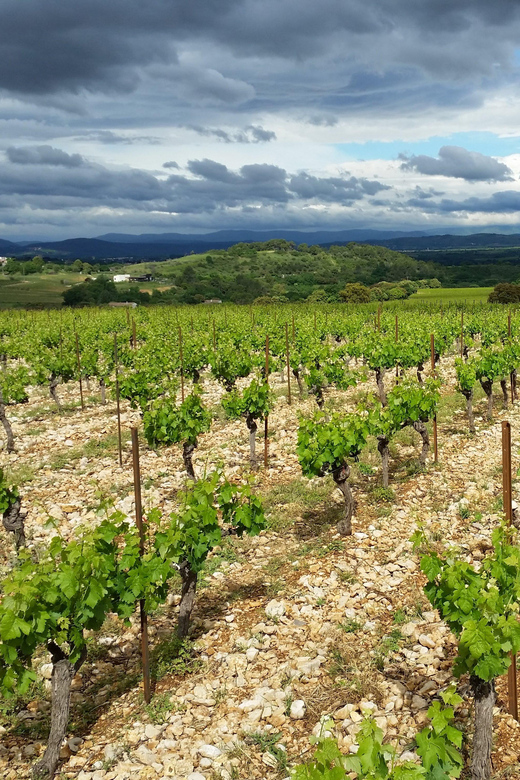
Arrive ready for both indoor and outdoor time. Comfortable shoes are the most useful item, and water and a sun hat will make the garden and vineyard walk easier in warm conditions.
Use the tasting to guide the visit. Tell the guide which colors or styles you prefer, then ask for comparisons rather than trying to taste every bottle automatically. Since the selection can range from five to ten wines, your preferences can help keep the tasting focused.
Take a camera, but do not let it replace the explanations. The most useful part of the visit is the connection between the cellar process and the wines in your glass.
If you buy bottles, check your order carefully at the château. Make sure the wine, quantity, and labels match what you requested. This takes only a moment and avoids a frustrating mix-up later.
Finally, leave room in your schedule for the formal gardens and the 1.2-kilometer trail. They are included, and they give the visit a more relaxed finish. The tour itself is short, but the full stop can be much more satisfying when you do not have to hurry away after the tasting.
Should you book Château Capion?
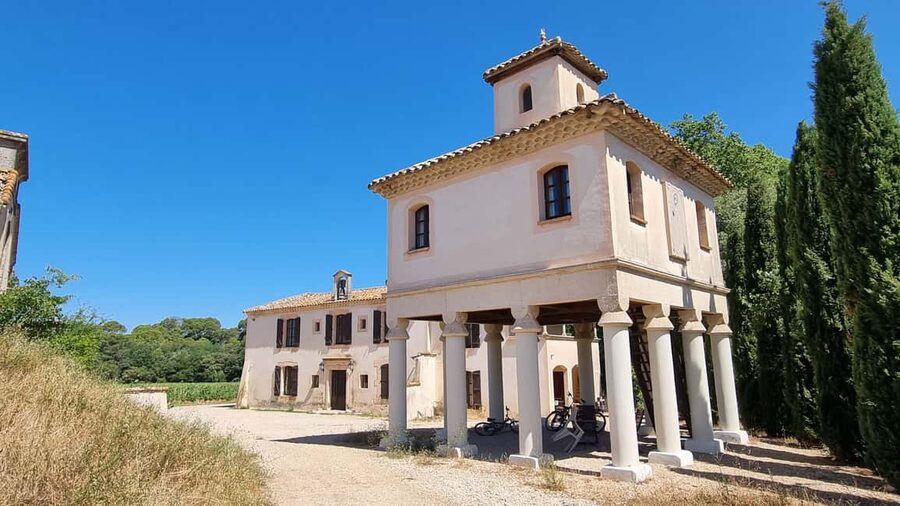
Book it if you want a compact, reasonably priced introduction to wine from Occitanie, with real cellar access and a tasting shaped around your preferences. The combination of five to ten wines, professional explanations, formal gardens, and a vineyard trail gives you more than a quick sample at a shop.
Go in with realistic expectations. This is a one-hour guided experience, not an all-day wine course. Transportation and meals are your responsibility, the walking areas are not accessible to wheelchair users, and children under 10 cannot join.
For adults who enjoy regional wine, short walks, and a private setting, Château Capion is a sound choice. Just double-check any bottle purchase before you leave, and allow extra time if you want to enjoy the gardens and vineyard path properly.
FAQ
Where does the Château Capion wine tour start and finish?
The tour starts at Chemin de Capion and ends back at the same meeting point.
How long does the guided experience last?
The guided activity lasts one hour. Check the available start times when booking.
What happens during the first part of the tour?
The first 30 minutes cover the vinification and aging cellars. You learn about the production stages for white, red, and rosé wines.
How many wines can I taste?
The tasting can include between five and ten wines. The selection is tailored to your preferences.
Which wines are available for tasting?
The tasting may include white, red, and rosé wines from IGP Saint-Guilhem-le-Désert and AOP Terrasses du Larzac.
Is the tour available in English?
Yes. The live guide can conduct the tour in French or English.
Are the gardens and vineyard trail included?
Yes. You can visit the château’s formal gardens for free and walk the 1.2-kilometer educational trail through the vineyards.
Is the activity suitable for children or wheelchair users?
The activity is not suitable for children under 10, people with mobility impairments, or wheelchair users.
Just added around France
- Carcassonne: Secrets of the Castle’s Defense Self-Guided Tour★ 4.5 · 8 reviews
- Complete Private Tour City and Castle of Carcassonne★ 5.0 · 12 reviews
- Saint Emilion Castle and Village Wine Tour★ 4.5 · 23 reviews
- Château de Fieuzal, Pessac-Léognan: Visit and Tasting★ 5.0 · 18 reviews
- Wine Tour of Mèdoc : Châteaux, Tastings and WSET Guide★ 5.0 · 21 reviews
- Full-day Saint-Emilion: Village, Undergrounds and Châteaux★ 4.5 · 55 reviews
- Private Wine Lovers – Super St Emilion – behind the scenes visits top chateaux and medieval town★ 5.0 · 25 reviews
- Bordeaux Médoc Region Private Wine Lovers Tour with Chateau Visits & Tastings★ 5.0 · 40 reviews
Food & Drink, compared.
Loire Valley Castles Day Trip With Wine Tasting
Read our review →
Montalcino: Brunello Wine Tasting & Lunch in a Tuscan Castle
Read our review →
Lake Garda: Historic Castle Cruise with Wine Tasting
Read our review →
Valpolicella: Amarone Chateau Guided Tour and Wine Tasting
Read our review →
Wine Tasting at a Historic Château in a Land Rover !
Read our review →
Browse the lists this tour appears in