
Review · FOOD & DRINK
Bioul (near Dinant) : Château de Bioul Tour and Wine Tasting
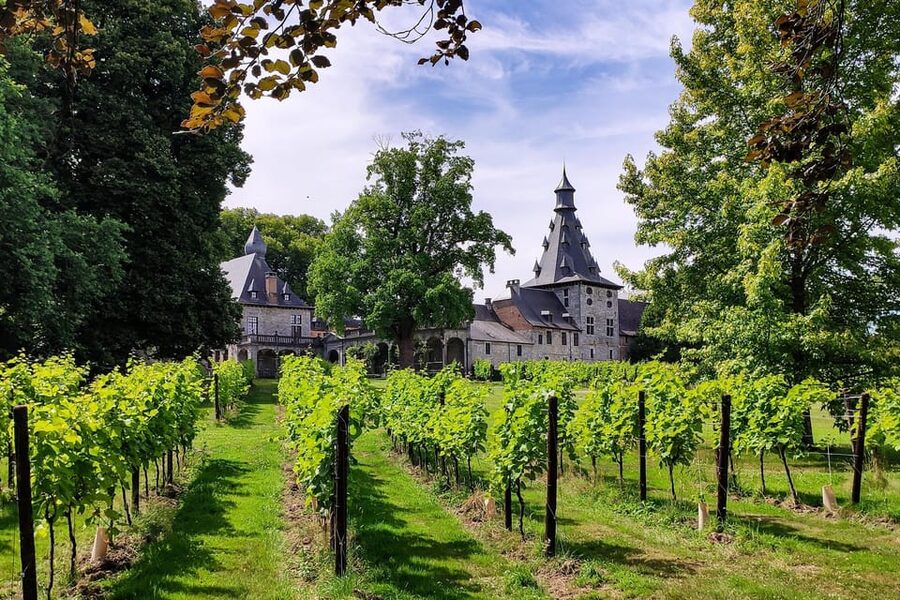
History meets Belgian wine here. Château de Bioul gives you two good reasons to visit near Dinant: a château with roots reaching back to the 10th century, and a working wine estate where you can follow local vintages from grape to glass. I especially like the family story behind the property and the chance to pair the wine tasting with local products, rather than treating the château as a pretty building alone.
I also like the clear connection between the estate’s past and its current owners, Andy and Vanessa Wyckmans-Vaxelaire. The main consideration is accessibility: the visit is not suitable for wheelchair users or people with mobility impairments, and you should expect walking across the grounds. At $35 per person, the price is fair if you value the full estate visit, not just a short tasting.
Key points to know before you go
- A château with medieval roots: The Seigneurie de Bioul appears in written records as far back as 1210, with Gobert de Bioul named as a knight and lord.
- A family-held estate since 1906: The same family has cared for Château de Bioul for more than a century, with Andy and Vanessa Wyckmans-Vaxelaire now guiding its future.
- Wine is part of the estate story: You visit the vineyards and winery, then learn how the estate’s vintages move from grape to glass.
- A varied architectural visit: The château contains statues, period decorative details, and secluded corners, while the centenary park adds room to walk and look around.
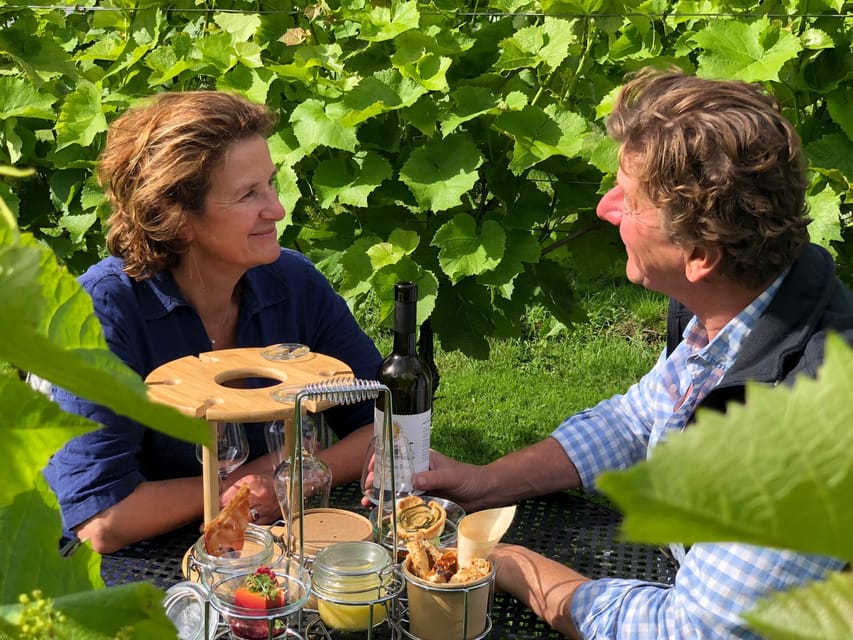
- More than a wine tasting: The final tasting includes local wines and products, giving the visit a broader taste of Wallonia.
- Plan for a walking visit: Comfortable shoes matter, and photography is allowed inside without flash.
A medieval beginning at the Seigneurie de Bioul
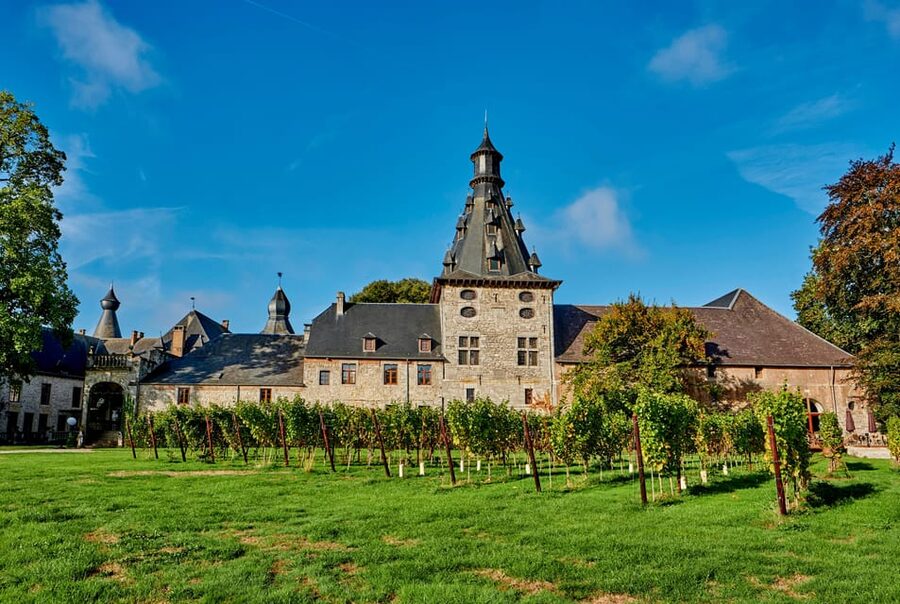
The story of Château de Bioul begins long before its present wine production. The Seigneurie de Bioul was already an important local holding in the Middle Ages, and Gobert d’Orbais, also called Gobert de Bioul, appears in writings from 1210 as a knight and lord.
That early date gives the visit some useful context. You are not walking into a château built only to look old for visitors. The property has had a long connection with local power, family identity, and the surrounding community. The building’s current appearance reflects several periods, so do not expect one perfectly uniform architectural style.
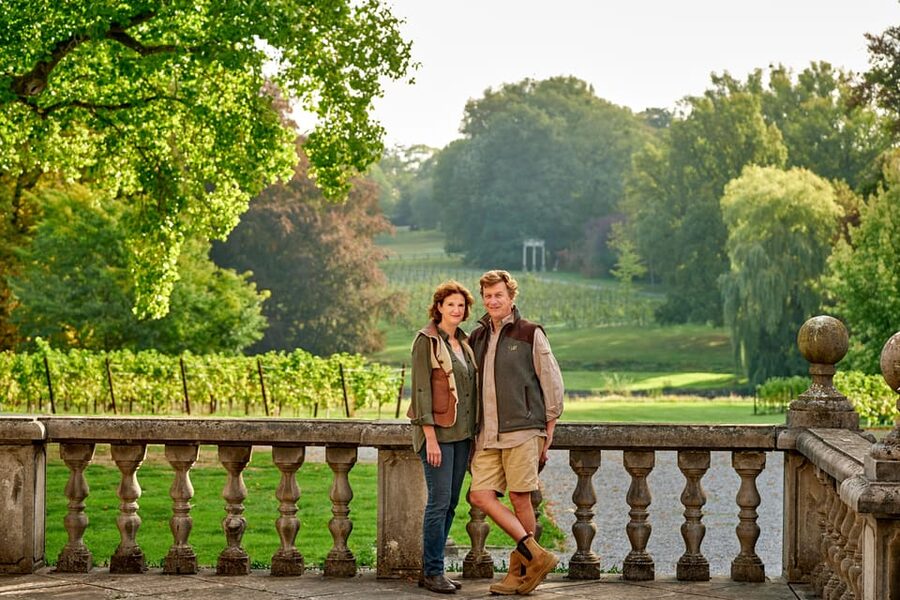
I like that the visit keeps the family story in view. Since 1906, the château has remained under the care of the same family. Today, Andy and Vanessa Wyckmans-Vaxelaire carry on that responsibility. Their family motto, In Arduis Constans, means perseverance in difficulty, and it helps explain the tone of the estate: this is presented as a long family project, not simply a commercial wine stop.
The values associated with the family are love, solidarity, and respect. Those ideas may sound grand on paper, but they matter here because the château, park, vineyard, and winery are presented as parts of one continuing story. You get a better sense of the place when you pay attention to that connection instead of rushing straight toward the tasting room.
More Wine Tours in the world:
- Loire Valley Castles Day Trip from Paris with Complementary Wine
★ 4.5 · 3,907 reviews - From Paris: Loire Valley Castles Day Trip With Wine Tasting
★ 4.6 · 1,727 reviews - From Siena: Chianti and Castles Tour with Wine Tastings
★ 4.6 · 631 reviews
Inside the château, where every period leaves a mark
The château visit centers on the building’s varied architecture and its decorative details. You can expect statues, period elements, and corners that reward a slower look. This is the kind of place where the small details may be more memorable than one grand room.
Photography is permitted, but flash is not allowed inside the château. That rule is worth remembering before you start taking pictures. Natural light and older interiors do not always work well together, so you may want to put the camera away for part of the visit and simply look at the decorative features.
The audio guide is available in French and English. That makes the visit easier for English-speaking visitors, especially since the property’s story reaches across several centuries and includes the family’s business background. A guide or greeter can also assist in French or English.
One unusual part of the story is the connection with Le Bon Marché, which later became the GB-INNO-BM group. The visit includes the history of that business journey, giving you another way to understand the family’s background. It is not only a lesson in château ownership or wine production. It also links the estate to a larger commercial history.
The amount of walking and the physical layout deserve attention. The experience includes access to the château, vineyards, winery, and centenary park. Since it is not suitable for people with mobility impairments or wheelchair users, anyone who finds uneven or extended walking difficult should think carefully before booking.
The centenary park adds breathing room
The tree-lined park is part of the experience, not just a backdrop for photographs. Its age and size help you see the château as a lived-in estate with grounds designed for more than a single purpose.
You can use the park to pause between the indoor visit and the wine-focused part of the tour. The trees also give the property a calmer feel than a tightly packed museum. Bring your camera, but remember that the most attractive views may be outside, while the no-flash rule applies inside the château.
Weather can affect how much you enjoy the grounds. Check the forecast before you go and wear comfortable walking shoes. The estate includes several areas to visit, and this is not a good place for stiff dress shoes or footwear chosen only for photographs.
The park is also where the visit feels less formal. Inside, you are looking at architecture and family possessions. Outside, you can connect the building with the land around it. That connection matters for a wine estate, since the vineyard is not an add-on. It is part of the reason the château has a living role today.
From vineyard rows to the winery
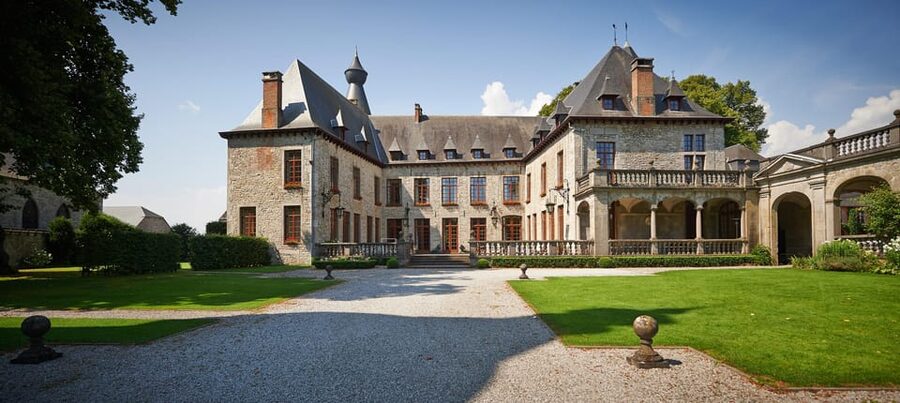
The wine portion of the visit takes you into the estate’s vineyards and winery. You learn how the vintages move from grape to glass, which gives the tasting some useful structure.
A short tasting without context can blur into a series of glasses and vague descriptions. Here, the production story helps you understand what you are tasting and why the winery belongs in the visit. You see the relationship between the estate’s land, its facilities, and the finished bottle.
The information provided does not give a fixed list of grape varieties, vintages, or production methods, so you should not arrive expecting a particular wine flight. The selection may vary. What you can count on is access to the vineyard and winery, an explanation of the estate’s wine production, and a tasting of local wines.
This is a good fit if you want an introduction to Belgian wine rather than a specialist course in viticulture. You can enjoy the setting and learn the basic path from harvest to bottle without needing technical wine knowledge first.
I also like the local focus. Belgian wine is still a discovery for many people, and tasting it at the estate where it is produced gives you more context than ordering an unfamiliar bottle in a restaurant. You can ask questions through the French or English-speaking host or greeter, and the audio guide provides another layer of explanation.
A few more castle visits around the world worth a look
- Beaune: Wine Tasting at Château de Pommard
★ 4.6 · 353 reviews - Alicante: Santa Bárbara Castle Wine Tasting & Tapas
★ 4.5 · 342 reviews - Montalcino: Brunello Wine Tasting & Lunch in a Tuscan Castle
★ 4.6 · 324 reviews - Lake Garda: Historic Castle Cruise with Wine Tasting
★ 4.5 · 241 reviews
The tasting brings the visit together
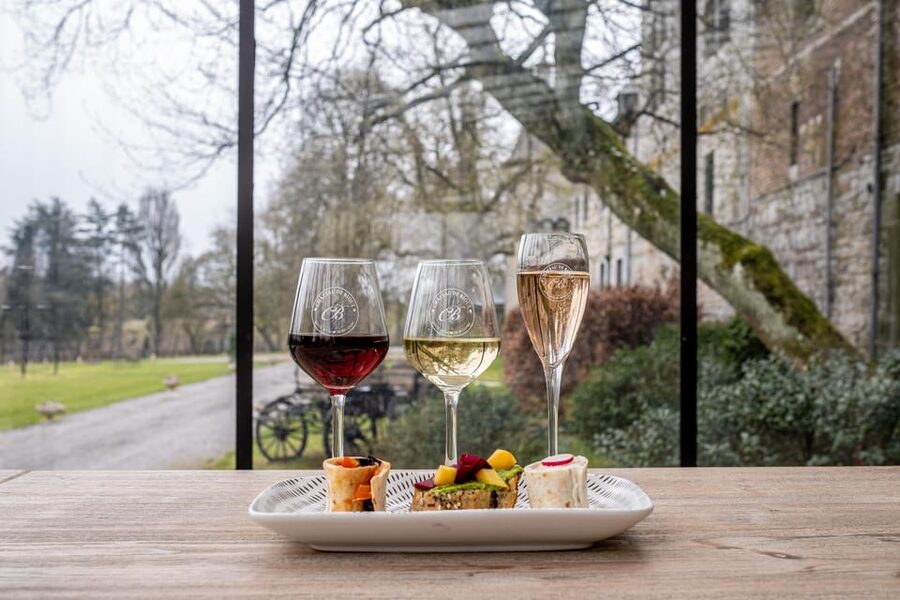
The tasting session is the natural finish to the château and vineyard visit. It includes local wines and products, so the final stop is not limited to wine alone.
That pairing makes the $35 price easier to judge. If you only want a glass of Belgian wine, the cost may seem high. If you want access to the property, château, park, vineyards, winery, and tasting, the price is more reasonable. You are paying for a full estate visit with several parts, not simply for a drink.
The tasting also gives you a chance to review what you have seen. The château represents the family’s long past. The vineyards and winery show its current work. The local products add a regional touch and keep the ending connected to Wallonia.
Do not expect a meal. Food is not included, and this tasting should not be treated as a substitute for lunch. Plan your day around that fact, particularly because the activity is described as valid for one day and starting times depend on availability.
The experience has received an overall rating of 4.2 from seven ratings, with recent praise focused on the family heritage, the Belgian winemaking, and the quality of the estate itself. That matches the strongest part of the visit: it combines several interests without pretending to be only a grand château tour or only a winery appointment.
Why the family story matters
Many old European estates have impressive dates attached to them, but dates alone do not make a visit meaningful. Château de Bioul adds a personal thread through the family motto and the continued ownership of the property.
Since 1906, the same family has preserved the château. The current owners, Andy and Vanessa Wyckmans-Vaxelaire, are described as heirs who want to protect and extend that heritage. Their role gives the estate a sense of continuity. You are seeing a property that has survived through family effort, changing business interests, and the practical demands of maintaining a large historic site.
The Le Bon Marché connection adds another layer. The business later became the GB-INNO-BM group, so the estate’s history is not confined to noble titles and architecture. It includes commerce, work, and the changing fortunes of a family over time.
I find that especially useful for visitors who want more than a polished historic interior. The visit asks you to look at the château as part of a family enterprise. That makes the wine project feel connected to the property’s future rather than tacked on for tourism.
Who will enjoy this experience most
I would recommend Château de Bioul to you if you enjoy combining culture and food in one outing. It works particularly well for:
- People interested in Belgian wine and local products
- Visitors who enjoy historic houses with family stories
- Couples looking for a slower estate visit near Dinant
- English-speaking visitors who want an English audio guide
- Anyone curious about Wallonia’s heritage beyond the main tourist sights
You will get the most from it if you take time in each part of the property. Rushing through the château, skipping the park, and treating the tasting as the only goal would miss much of what makes the visit worthwhile.
It is less suitable if you want a highly focused wine lesson with detailed technical information about grapes and production. The available details emphasize the estate’s story and discovery tour rather than advanced instruction.
It is also not a good choice if you need step-free access or have difficulty walking. The grounds and buildings form an important part of the activity, and the accessibility restrictions are clear.
Practical advice for planning your visit
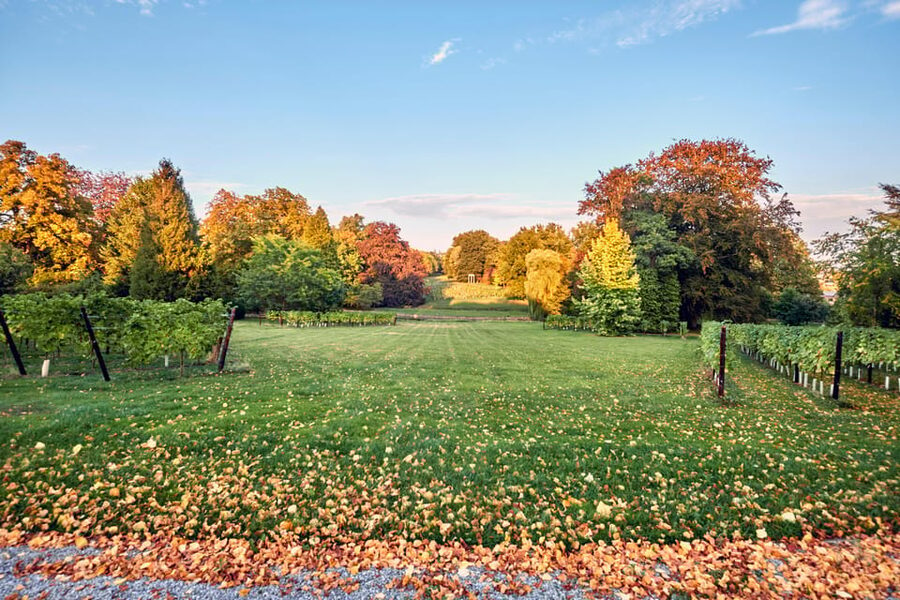
Transportation to and from Château de Bioul is not included, so you need to arrange your own way to the estate near Dinant. Meals are also not included. Those two omissions are easy to overlook when you see the $35 price, so factor them into your daily plan.
Check starting-time availability before booking. The activity is valid for one day, but the exact start time is not fixed in the information provided. Give yourself enough time to enjoy the château, grounds, winery, and tasting instead of squeezing the visit between tight appointments.
Wear comfortable shoes. This is the most useful piece of packing advice for the day. You will want footwear that handles time in the park and access to the vineyards without making the walking unpleasant.
Bring a camera if you like taking architectural photographs. Photography is allowed, but do not use flash inside the château. Smoking is not allowed during the activity.
The booking terms are useful if your schedule is uncertain. You can reserve now and pay later, and cancellation is allowed up to 24 hours in advance for a full refund. Those details make it easier to fit the visit into a trip around Dinant without locking yourself into a plan too early.
Is Château de Bioul worth $35?
For me, the answer is yes if you want a full property visit with wine at the end. The price covers the discovery tour, access to the vineyards and winery, the centenary park, and a tasting of local wines and products. That is a reasonable package for an estate with centuries of history and a working wine identity.
The value is weaker if you are interested only in the tasting or only in a quick look at the château. You are paying for the combination. The more you care about family history, architecture, local wine, and the setting, the better the price feels.
I would book it as a half-day-style stop within a broader day near Dinant, while leaving room for the actual starting time. Choose it for the family story, the Belgian wine connection, and the chance to see an estate that is still being used and maintained. Skip it if accessibility is a concern or if you need a meal included.
FAQ
Where is Château de Bioul?
Château de Bioul is near Dinant in Wallonia, Belgium.
How much does the Château de Bioul tour cost?
The experience costs $35 per person.
What is included in the visit?
The price includes the discovery tour of the estate, a wine tasting session, access to the vineyards and winery, and access to the centenary park.
Is transportation included?
No. Transportation to and from Château de Bioul is not included.
Are meals included?
No. Meals are not included in the activity.
Are English-language services available?
Yes. The host or greeter and the audio guide are available in French and English.
Is the experience suitable for wheelchair users?
No. The activity is not suitable for wheelchair users or people with mobility impairments.
Just added around the world
- Standing Stones, Inveraray and Kilchurn Castle & Highlands Tour starting Balloch★ 5.0 · 35 reviews
- Cardiff: South Wales Cliffs, Beaches & Castles Day Tour★ 5.0 · 36 reviews
- West Coast Lochs & Castles Tour – from Glasgow★ 5.0 · 20 reviews
- Private Day Tour of South Wales, including Cardiff & Caerphilly Castle.★ 5.0 · 15 reviews
- Private Tour – Edinburgh to St Andrews, Dunnottar Castle & Dundee★ 5.0 · 9 reviews
- From Cardiff: 3 Amazing Castles, Tintern Abbey & Roman Caerleon★ 5.0 · 12 reviews
- Private Day Tour of Cardiff, including Cardiff Castle, St Fagans, & Cardiff Bay★ 5.0 · 5 reviews
- Carcassonne: Secrets of the Castle’s Defense Self-Guided Tour★ 4.5 · 8 reviews
Food & Drink, compared.
Loire Valley Castles Day Trip With Wine Tasting
Read our review →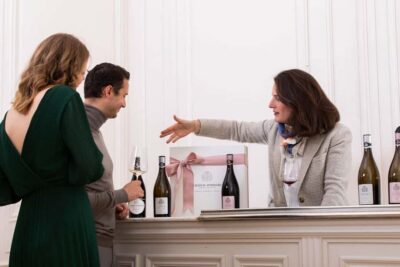
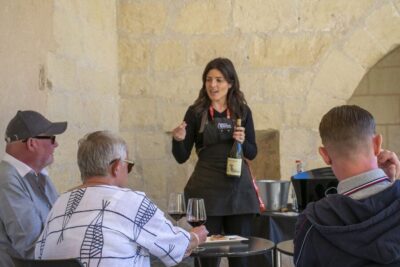
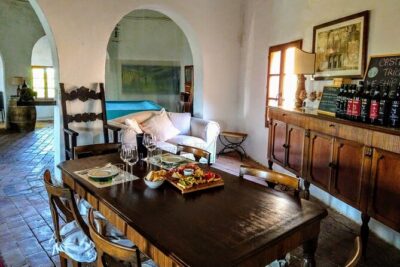
Montalcino: Brunello Wine Tasting & Lunch in a Tuscan Castle
Read our review →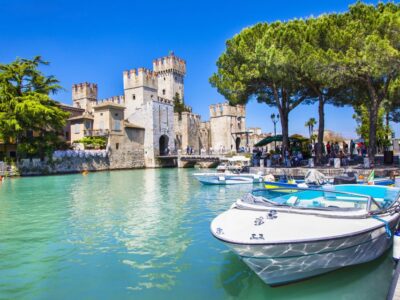
Lake Garda: Historic Castle Cruise with Wine Tasting
Read our review →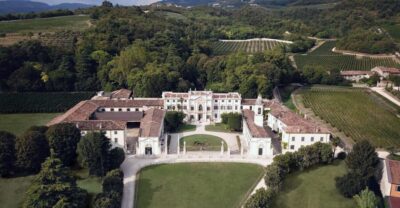
Valpolicella: Amarone Chateau Guided Tour and Wine Tasting
Read our review →
Wine Tasting at a Historic Château in a Land Rover !
Read our review →
Browse the lists this tour appears in