
Review · OSAKA
Osaka: Castle, Tea Ceremony, Calligraphy, and Samurai Armor!
Osaka comes alive through its old customs. I like the way this outing joins Osaka Castle with a tea ceremony and calligraphy lesson, giving you both a major landmark and hands-on cultural activities. I also like the finish in Dōtonbori, where you can browse, take photos, and try Osaka specialties. The main drawback is that the tour includes several optional extras, and wearing samurai armor or a kimono costs another ¥4,820.
The experience costs $135 per person and begins at the Osaka JOINER base beneath Namba Walk. It is a good fit if you want a guided day with clear cultural highlights rather than planning several stops alone. You should know that it is not suitable for people with back problems or people over 70, and the available language is English.
Key points at a glance
- Osaka Castle leads the day: You visit one of Osaka’s best-known landmarks and have time for photos and the castle museum.
- Tea and calligraphy make the culture hands-on: You do more than look at historic buildings. You take part in two traditional Japanese activities.
- The samurai program is included, but armor is extra: A samurai show and traditional instruments are included, while wearing armor or a kimono costs ¥4,820.
- Dōtonbori adds food and city energy: The final stop gives you time for photos, shopping, and local street food.
- Namba Walk is the meeting point: Find the Osaka JOINER base on B1, near Exit B23, between the Mizuno and Docomo shops.
- The tour works well for families: Children can use specially designed samurai armor, making the costume activity more accessible for younger participants.
Starting beneath Namba Walk near Exit B23
The meeting point is practical once you know where to look. You meet at the Osaka JOINER base on the B1 level of Namba Walk, the underground shopping street near Exit B23. The shop is between a Mizuno shop and a Docomo shop. If you arrive from the Starbucks, head to the other side of the passage.
I would allow extra time to find the base. Namba’s underground passages can feel confusing, especially if you are carrying luggage or arriving during a busy shopping period. Bring cash, since it is specifically listed as something you should have with you.
The tour returns to this same meeting point at the end. That is helpful if you are staying around Namba, but it also means you should plan your evening from this area rather than assuming you will finish near Osaka Castle or Dōtonbori.
English is the available tour language. The meeting point and return arrangement make the day fairly straightforward, but you should pay close attention to any directions from the guide. One guide identified in the tour information is Canned, described as warm, friendly, and professional. That kind of personal guidance matters on an outing that uses Osaka’s local train system.
A few more castle visits around Osaka worth a look
- Osaka Castle: Museum and Tower Entry Ticket
★ 4.5 · 2,380 reviews - Ultimate Osaka Walking Tour: Castle, Dotonbori & Hidden Gems
★ 5.0 · 862 reviews - Osaka Castle Walking Tour and Castle Tower Admission
★ 5.0 · 561 reviews
Osaka Castle: a major sight with a museum inside
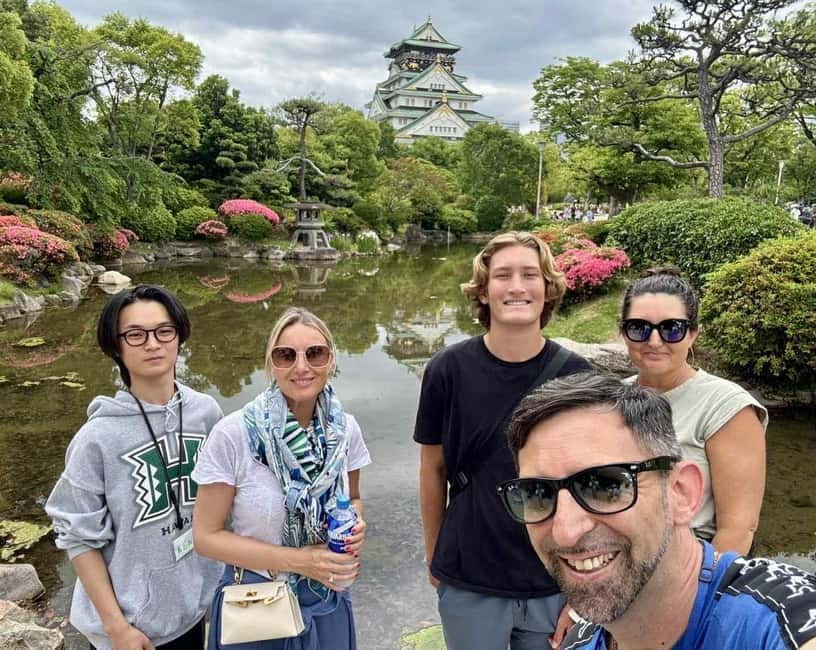
Osaka Castle gives the day its strongest historical anchor. You enter the castle and have time to take photographs and visit the museum. For a first visit to Osaka, this is a sensible inclusion. The castle is one of the city’s most recognizable sights, and its appearance provides the classic Osaka photo opportunity.
The museum adds more substance than a quick exterior stop. You can learn about Osaka’s past through the displays, rather than simply walking around the grounds and moving on. The available information describes the museum as very nice, with helpful staff, so I would set aside enough attention for the indoor portion instead of treating the castle as a photo stop only.
The castle is also the part of the day most likely to appeal to visitors who want a clear sense of place. Tea and calligraphy introduce Japanese customs, while the castle gives you a connection to Osaka’s political and military past.
There is one practical point to keep in mind. Osaka Castle involves walking, and the full outing combines the castle with later activities and transport. Since the tour is not suitable for people with back problems, anyone who finds extended sightseeing difficult should consider that limitation before booking.
Tea ceremony: a quiet change of pace
After the castle, the tour moves into a Japanese tea ceremony. This is a useful contrast to the city’s noise and the castle’s large scale. Instead of only looking at cultural objects, you take part in a formal tradition and see how care, movement, and presentation shape the ritual.
I like this part because it gives you a cultural activity that does not depend on already knowing Japanese history. The guide can explain what is happening, and you can focus on the atmosphere and the small steps of the ceremony.
It is worth keeping your expectations realistic. This is not presented as a full specialist course in tea practice. It is an introduction intended to fit into a broader sightseeing day, alongside calligraphy and the samurai program. That makes it approachable, but anyone seeking an extended or highly detailed tea-school lesson may find the segment brief.
The tea ceremony is also a good choice for families and first-time visitors. You do not need special preparation, and it gives you a structured activity after the more open-ended castle visit.
Calligraphy: a hands-on souvenir from Osaka
The calligraphy session follows the tea ceremony and gives you another way to participate. You learn about Japanese writing and practice the art yourself, rather than watching a demonstration from a distance.
I would treat this as one of the most useful parts of the day for visitors who want something tangible to remember. Photographs are easy to take at Osaka Castle and Dōtonbori, but calligraphy gives you a personal result from the activity.
The session also helps explain why this tour works for people with different interests. History fans have the castle museum. Food and shopping fans have Dōtonbori. Anyone curious about traditional arts has tea and calligraphy.
You should not expect to become a skilled calligrapher in one sitting. The value is in trying the technique, learning the basic idea, and enjoying a traditional activity with guidance. It is a friendly introduction rather than a serious workshop.
Same region, a different set of walls:
- From Osaka: Himeji Castle, Arima Onsen & Mt. Rokko Day Tour
★ 4.6 · 339 reviews - 5-Hour Osaka Bike Tour to the Neighborhood of Osaka Castle
★ 5.0 · 319 reviews - Osaka Castle Guided Tour
★ 4.7 · 249 reviews - Osaka: Castle History Walking Tour / Castle Tower Admission
★ 4.9 · 230 reviews
Samurai show and traditional instruments
The included program also features a samurai show and opportunities to play traditional instruments. The listed instruments include the shamisen, koto, and shinobue. These activities give the middle section of the tour a more theatrical and social feel than the quiet tea ceremony.
The samurai presentation is especially useful for families. Children can take part in the samurai experience with armor designed for them, so the activity is not aimed only at adults. If your family enjoys costumes, photographs, and short demonstrations, this may be one of the day’s biggest highlights.
The instrument portion adds variety. The shamisen, koto, and shinobue each have a different look and sound, and trying them gives you a brief connection to Japanese performance traditions. The information does not provide a detailed schedule for each instrument, so I would treat this as a sampling activity rather than a full music lesson.
One important distinction affects the price. The samurai show and traditional instrument activity are included, but actually wearing samurai armor is optional. The same applies to the kimono option, which is listed for women only.
Samurai armor and kimono: attractive extras with a clear surcharge
If you want the costume photographs, you need to budget an additional ¥4,820. The same fee applies to the samurai armor experience and the women’s kimono option. You can tell the guide on the day, or contact the operator through WhatsApp in advance to add it.
The extra can make sense if photographs are a main reason for booking. Samurai armor creates a stronger visual memory than simply watching a show, and children may enjoy the specially designed armor available for them. The kimono option may appeal to visitors who want a more traditional portrait.
Still, I would not assume the $135 price includes every costume activity. The wording is clear that armor and kimono are not part of the standard price. Confirm the extra before the day if it matters to you, especially since the stated ¥4,820 price is noted as applying only until the end of August.
This is also where the tour’s value becomes personal. If you mainly want Osaka Castle, tea, and calligraphy, you may be happy with the base price. If you want a full photo-focused cultural package, add the extra and account for it from the beginning.
Dōtonbori: food, photos, and a lively finish
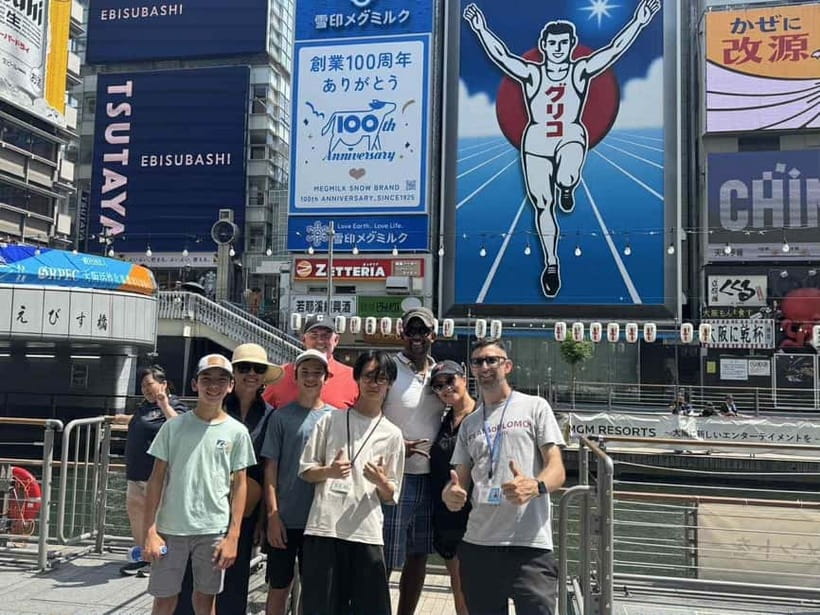
The final stop is Dōtonbori, Osaka’s famous entertainment and street food district. This is a strong ending because it shifts you from formal Japanese customs to the bright, energetic side of modern Osaka.
You have time for photographs, shopping, and local delicacies. I would use this stop to try something you have not ordered before, but keep some cash available because cash is listed among the things to bring. The tour does not state that food is included, so plan to pay for anything you eat yourself.
Dōtonbori is particularly useful at the end of a guided day because you can return later on your own. The tour introduces the area, then you can decide if you want more food, shopping, or photographs after the official activity finishes.
The limitation is that the available details do not give a precise amount of free time. If you have a restaurant reservation or a train to catch, do not schedule it too tightly. The activity ends back at the Osaka JOINER base, not in Dōtonbori, so you also need to allow for the return to Namba.
What the $135 price gets you
At $135 per person, this is not the cheapest way to see Osaka Castle. You are paying for more than admission, though. The price combines a castle visit, a tea ceremony, calligraphy, a samurai show, traditional instruments, transport between parts of the day, and a guided visit to Dōtonbori.
That combination gives the tour reasonable value if you would otherwise pay separately for several cultural activities. It also removes the work of arranging the castle, cultural workshop, and city district yourself.
The value is weaker if you only want Osaka Castle and Dōtonbori. You could spend less by visiting those places independently, although you would lose the guided tea, calligraphy, samurai, and instrument activities.
The small number of published ratings is another reason to keep your expectations measured. The available feedback is very positive, with praise for the guide, the fun atmosphere, the castle, the museum, and the reasonable price. That is encouraging, but it is not enough information to promise a perfect fit for every group.
Who should book this Osaka cultural tour?
I would recommend it most strongly to first-time visitors who want several Osaka highlights in one organized day. It suits you if you enjoy switching between sightseeing, short cultural lessons, photographs, and food stops.
Families may also find it appealing, especially if children are interested in samurai costumes and instruments. The child-sized armor option adds a clear family benefit, though the armor fee remains an additional charge.
This tour may not suit you if you prefer a slow day at one site, a serious tea-school lesson, or a fully independent schedule. It is also not suitable for people with back problems or people over 70, according to the activity information.
The day includes walking, public transport, cultural demonstrations, and several changes of mood. That variety is its strength, but it can also feel busy if you prefer long, unhurried visits.
Practical advice before you go
Bring cash for personal purchases and any optional charges. Smoking indoors is not allowed, and the meeting point is underground, so give yourself time to locate the Osaka JOINER base before the scheduled start.
If you want armor or a kimono, decide before arrival. You can request it on the day, but contacting the operator through WhatsApp in advance may make the plan clearer. Remember that the extra is ¥4,820 and that the stated price is limited to the end of August.
Keep your evening flexible because the exact time spent at Dōtonbori is not provided. The activity returns to Namba, so do not assume you can finish the tour and immediately board a train from the Dōtonbori area.
The cancellation policy allows a full refund if you cancel at least 24 hours in advance. You can also reserve and pay later, which helps if your Osaka plans are still changing.
Should you book it?
Book this tour if you want Osaka Castle, Japanese customs, samurai entertainment, and Dōtonbori in one guided outing. I especially like the mix of looking, learning, and doing: the castle and museum provide context, tea and calligraphy offer quiet participation, and the samurai and Dōtonbori stops keep the day lively.
I would skip it if your main goal is a long, serious cultural lesson or an entirely flexible day. For most first-time visitors, though, the package makes practical sense. Just treat the armor and kimono as paid extras, carry cash, and leave enough time for the return to Namba.
FAQ
Where does the Osaka Castle and cultural tour start?
It starts at the Osaka JOINER base on the B1 floor of Namba Walk, near Exit B23. The shop is between Mizuno and Docomo.
Where does the activity end?
The activity ends back at the Osaka JOINER meeting point in Namba Walk.
Is Osaka Castle included?
Yes. The tour includes a visit to Osaka Castle, along with access to the castle museum.
Is the tea ceremony included?
Yes. A traditional Japanese tea ceremony is included in the tour.
Is Japanese calligraphy included?
Yes. The activity includes a Japanese calligraphy session.
Is samurai armor included in the $135 price?
No. Wearing samurai armor is an optional extra costing ¥4,820.
Is kimono wearing included?
No. Women can choose the kimono option for an additional ¥4,820.
Can children take part in the samurai activity?
Yes. Children can use specially designed samurai armor.
What language is available for the tour?
The available tour language is English.
Is the tour suitable for people with back problems or people over 70?
No. The activity is listed as unsuitable for people with back problems and people over 70.
Just added around Osaka
- (Ticket Included) Explore Osaka Castle & Museum of History★ 4.8 · 21 reviews
- Osaka: Explore Every Bit of Osaka Castle in 3 Hours★ 5.0 · 5 reviews
- Osaka: Early Morning Osaka Castle Guided Tour, Avoid Crowds★ 4.9 · 12 reviews
- Osaka: Osaka Castle 3 hours Historical Walking Tour★ 4.6 · 14 reviews
- Osaka: Osaka Castle – Tsuruhashi – Tennoji (Spanish Guide)★ 4.7 · 10 reviews
- Samurai Armor & Sword experience with phot near Osaka Castle★ 4.6 · 16 reviews
- Osaka: 1-Day Guided Tour – Sky Bldg, Castle, Namba Shinsekai★ 5.0 · 6 reviews
- Learn Zen in a class of making Matcha tea near Osaka Castle★ 4.8 · 17 reviews
Osaka Castle Tours, compared.

Ultimate Osaka Walking Tour: Castle, Dotonbori & Hidden Gems
Read our review →
Osaka Castle Walking Tour and Castle Tower Admission
Read our review →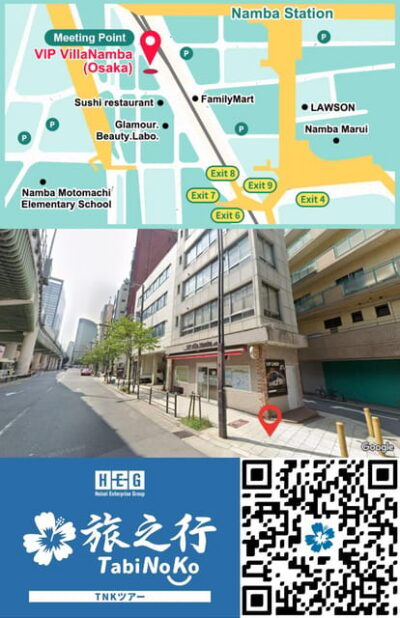
Himeji Castle, Arima Onsen & Mt. Rokko Day Tour
Read our review →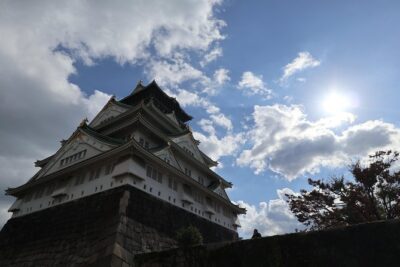
5-Hour Osaka Bike Tour to the Neighborhood of Osaka Castle
Read our review →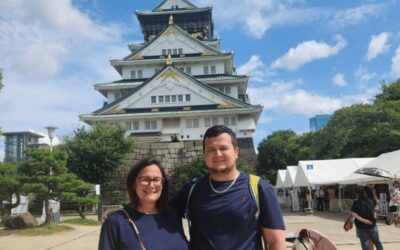
Castle History Walking Tour / Castle Tower Admission
Read our review →
Osaka Highlights: 4-Hour Walking Tour with Castle
Read our review →Browse the lists this tour appears in