
Review · KHIVA
Ayazkala, Toprakkala & Kizilkala Fortress Tour From Khiva
Ancient walls rise from the Khorezm steppe. This five-hour private trip takes you from Khiva to three striking fortresses, with Toprakkala’s former capital, red-clay Kizilkala, and remote Ayazkala as the main stops. I like the comfortable private car and the chance to reach sites that are difficult to visit independently. The main catch is that this is a driver-led trip, not a guided history tour.
I also like the flexible pickup, which can be arranged at your Ichan Kala hotel, Khiva’s west gate, or the Urgench airport or railway station. Plan on bringing your own historical context, translation app, or guidebook, since several bookings have found that the driver spoke little or no English. Ayazkala also requires a walk over sand and an uphill climb, so good shoes matter.
Key points to know before you book
- Three fortress sites in five hours: Toprakkala, Kizilkala, and Ayazkala fit into a practical half-day from Khiva.
- A private car for up to three people: The $90 group price can be good value when shared, especially compared with arranging separate transport.
- Toprakkala gives the trip its historical weight: It was an early capital of Khorezm, with evidence of city planning, writing, a calendar, and plaster figures.
- Ayazkala is the most dramatic stop: Expect a remote setting, sand underfoot, and a climb to reach the higher ruins.
- Guide service is not included: Entrance fees cost about $1 to $2 per monument per person, and you will need to supply the explanations.
- Pickup is unusually flexible: You can begin or finish in Khiva, at Khiva Railway Station, or at either Urgench airport or railway station.
Khiva’s tiled courtyards and grand mosques are rightly famous, but the old Khorezm oasis extends far beyond its city walls. Across Karakalpakstan, ancient fortified settlements once guarded farmland, roads, and the edges of the steppe. The region is sometimes called Ellikkala, meaning 50 fortresses, a reminder of how many defensive sites once filled this dry part of Central Asia.
This tour gives you a quick look at three of the better-known ruins. You will not find restored rooms, polished museum displays, or a neat sequence of signs explaining every wall. Instead, you get open ruins, broad views, rough paths, and the feeling of seeing places that have not been packaged for mass tourism.
That is the appeal, but it also sets the right expectation. If you want the names of rulers, dates, architectural explanations, and archaeological discoveries explained as you go, arrange a separate guide. The included driver handles the transport, and the advertised languages are English and Russian, but several recent bookings found that English communication was limited or absent.
The route runs from Khiva to Toprakkala, then Kizilkala, then Ayazkala, before returning to Khiva. You can also arrange a drop-off at Urgench airport or either railway station, which makes the excursion useful on a travel day.
Pickup is available from your hotel in Ichan Kala, the west gate called Ata Darwaza, Khiva Railway Station, Urgench Airport, or Urgench Railway Station. Be ready in the lobby five minutes before the agreed time. Since this is a private group, you avoid collecting strangers at several hotels and can keep the outing focused on your own schedule.
The vehicle is air-conditioned, an important comfort in a region known for intense sun and open, exposed ground. The five-hour duration is efficient, though it leaves limited room for long stops, extended climbing, or a leisurely picnic. If you want to study every wall, this will feel brisk. If you have one extra day in Khiva and want to see the countryside, it fits well.
The drive itself is part of the experience. You may pass cotton fields and increasingly dry ground as the route moves away from the city. The contrast helps explain why these fortresses mattered: cultivated land and settled communities needed protection beside a wide, exposed steppe.
Toprakkala is the strongest first stop because it gives the ruins a clear historical purpose. Its name means Clay Fortress, and it is described as one of the first capitals of Khorezm. Archaeological work here found early city plans, evidence used to connect the settlement with statehood in the fourth century CE.
The site is also important for the written record connected with Khorezm. Discoveries included early written sources, a calendar, and plaster statuettes of singers. Those details make Toprakkala more than a pile of old walls. You are looking at a place tied to administration, culture, and organized urban life.
Without a guide, you will need to do some preparation to get the most from it. Before leaving Khiva, read a short account of Toprakkala and save a few notes on your phone. Otherwise, the broken walls can be visually impressive but historically hard to read.
I like Toprakkala for the way it connects the whole outing to the ancient oasis. It shows that these were not isolated watchtowers. They belonged to settled communities with planning, government, writing, and artistic traditions.
The footing is likely to be uneven, as it is at the other fortresses. Wear shoes with a firm sole, and take water even if the vehicle is waiting nearby. The sun can feel strong on open ground, and there is little reason to expect much shade at the ruins.
Kizilkala is visited along the way and is known as the Red Fortress because of the color of its clay. It served as one of the garrison fortresses of the oasis, giving you a more military view of Khorezm’s defensive network.
This stop is useful partly because it breaks up the route between the larger sites. You get another form of fortress construction without spending the entire half-day at one enormous complex. The red-toned clay also gives Kizilkala a visual identity separate from Toprakkala and Ayazkala.
Do not expect a fully reconstructed stronghold. The value lies in seeing how a remote defensive post fits into the wider pattern of fortified settlements. Your driver may give only basic information, so this is another place where a little reading beforehand pays off.
Because Kizilkala is one stop in a tightly timed route, your visit may be shorter than at Ayazkala. That is not necessarily a flaw. It keeps the trip moving and lets you compare three sites rather than placing all your time into one ruin.
Ayazkala is the most memorable stop for many people because of its remote position and open views. The name is translated as Severe Frost Fortress, a reference to the bitter cold of the steppe in winter. Its location and defensive design reflect a settlement built to guard the northern edge of the oasis against raids by nomadic groups.
Ayazkala is described as a group of three fortresses. The complex was among the more important and well-organized defensive sites in the area, with fortifications arranged around the oasis borders. That scale helps explain why it receives the most attention on this outing.
You should also treat Ayazkala as the physically demanding stop. The approach includes walking across sand and climbing uphill to reach the higher ruins. One booking described the climb as difficult, and a solo visitor felt that reaching the top did not feel fully safe without company. I would take that seriously, especially in hot weather or if you have limited balance.
Wear sturdy, comfortable shoes rather than sandals. Bring sunglasses, a sun hat, and comfortable clothing, all of which are specifically recommended for the outing. The climb may be manageable for many people, but the tour is not a good fit if you need flat, paved paths at every stop.
At the top, the reward is the setting: ancient walls, open steppe, and a sense of distance from modern towns. You can better understand why these fortresses were placed where they were. The site was not chosen for easy access. It was chosen for protection and visibility.
The private format is one of the tour’s best features. You get a car for your own group, with room for up to three people, and you do not have to follow a large coach schedule. Pickup and drop-off options are also more useful than they first appear. You can turn the trip into a transfer from Khiva to Urgench, or begin after arriving by train or plane.
The quality of the outing depends heavily on the driver. Several bookings praised punctual pickup, friendly service, and comfortable private transport. One driver named Sascha was singled out for being especially kind and driving well. Another booking described a courteous driver who collected the group directly from the hotel, although he did not speak English.
The experience has not been perfectly consistent. One person reported a flat tire and felt the driver drove too fast. Another described an unpleasant attitude. I would not assume either extreme is guaranteed, but I would confirm the language situation before departure and keep a translation app ready. The listed driver languages are English and Russian, yet actual communication may vary by assignment and booking date.
This is best understood as private transport with sightseeing stops, not as a full cultural tour. If you mainly need a reliable car to reach the fortresses, that can be exactly right. If you want the driver to explain the archaeology in detail, pay for a guide separately if available.
The price is $90 per group of up to three people. Shared three ways, that is about $30 each before entrance fees. For a private, air-conditioned round trip from Khiva, that can be fair value, particularly when you consider the distance and the difficulty of arranging transport to three separate fortress sites.
Entrance tickets are not included and cost about $1 to $2 per monument per person. Other personal expenses are also extra. The total remains modest, but you should carry some local currency or small cash for the sites and any drinks or snacks you want along the route.
The value drops if you are traveling alone and expect a detailed guided experience. A solo visitor pays the full group price and still receives transport rather than a history lesson. The value improves for two or three people who want a private vehicle and already feel comfortable reading about the sites independently.
I would compare this with the cost and hassle of hiring a car and driver locally. The tour gives you a set route, arranged pickup, and a clear return plan. That simplicity is useful in a region where the fortresses are spread out and public transport is not presented as part of the experience.
Take the practical advice seriously. Comfortable shoes are essential, especially for Ayazkala. Sunglasses and a sun hat help on exposed ground, while loose, comfortable clothing makes the walk and climb easier.
Carry water and keep your phone charged. The provided details do not promise refreshments, shade, or facilities at the monuments, so do not plan as if you are visiting a city attraction. A small first-aid kit and tissues would also be sensible, though they are not listed as included supplies.
Read before you go. Focus on the role of the Khorezm oasis, Toprakkala’s capital function, Kizilkala’s garrison purpose, and Ayazkala’s defensive position. A few saved notes will turn silent walls into a much clearer story.
If language matters to you, ask for confirmation that an English-speaking driver or guide will be available. The advertised driver languages are English and Russian, but recent experiences show that you may instead receive a driver with very little English. Downloading an offline translation tool is a simple backup.
The tour is listed as wheelchair accessible, but Ayazkala’s sand and uphill route deserve a direct accessibility check before booking. The practical details supplied for the tour do not explain which parts of the ruins can be reached without climbing.
I would recommend it to anyone spending at least one extra day in Khiva who wants to see more than the restored center. It suits couples, friends, and small families who value a private car, flexible pickup, and a strong sense of place over a polished guided presentation.
It is also useful for people connecting through Urgench. The option to finish at the airport or railway station can save backtracking, though you should confirm the timing carefully before committing to a flight or train.
I would be more cautious if you dislike uneven ground, hot open areas, or uphill walking. Ayazkala is not just a photo stop beside the vehicle. You need to cross sand and climb to experience the higher ruins properly.
History enthusiasts should consider adding a guide. The fortresses are important, but their meaning is not always obvious from the walls alone. With no guide included, your enjoyment will depend on how much background you bring with you.
Should you book the Ayazkala, Toprakkala, and Kizilkala trip?
Book it if you want an efficient private outing from Khiva to three ancient fortress sites, especially if you are sharing the $90 cost with one or two companions. The scenery, remote ruins, and easy pickup make this a worthwhile change from the city’s monuments, and the private car keeps the day simple.
Skip it, or arrange extra guiding, if your main goal is detailed archaeological explanation or if you need a fully accessible route. Before paying, confirm the driver’s English ability, ask about the pickup point, and be ready for a sandy climb at Ayazkala. With those expectations in place, this is a good-value step into the wider Khorezm oasis.
More Fortress and Citadel Tours in the world:
- Carcassonne: Castle and Ramparts Entry Ticket
★ 4.6 · 2,884 reviews - Salzburg: Hohensalzburg Fortress Admission Ticket
★ 4.6 · 2,236 reviews - Salzburg: Best of Mozart Fortress Concert and Dinner
★ 4.5 · 1,424 reviews
FAQ
How long does the fortress tour take?
The tour lasts five hours, including the route from Khiva to Toprakkala, Kizilkala, and Ayazkala, followed by the return journey.
Where can pickup and drop-off take place?
Pickup is available from your hotel in Ichan Kala, Ata Darwaza at Khiva’s west gate, Khiva Railway Station, Urgench Airport, or Urgench Railway Station. Return can be arranged for Khiva or an Urgench airport or railway station.
A few more castle visits around the world worth a look
- Seville: Royal Alcázar Entry Ticket
★ 4.6 · 28,378 reviews - Stonehenge, Windsor Castle, and Bath from London
★ 4.5 · 18,662 reviews - Bucharest: Dracula’s Castle, Peles Castle, & Brasov Old Town
★ 4.5 · 17,858 reviews - From Munich: Neuschwanstein & Linderhof Castle Full-Day Trip
★ 4.6 · 14,646 reviews
Is the tour private?
Yes. It is a private group experience for up to three people.
Is a guide included?
No. A guide is not included. The driver provides the transport, and the listed driver languages are English and Russian.
Are entrance tickets included?
No. Entrance tickets cost about $1 to $2 per monument per person and must be paid separately.
Is Ayazkala difficult to reach?
Ayazkala requires walking across sand and climbing uphill to reach the higher ruins. Comfortable shoes, sunglasses, a sun hat, and suitable clothing are recommended.
Can I cancel the booking?
You can cancel up to 24 hours in advance for a full refund. The tour also allows you to reserve now and pay later.
Just added around the world
- Standing Stones, Inveraray and Kilchurn Castle & Highlands Tour starting Balloch★ 5.0 · 35 reviews
- Cardiff: South Wales Cliffs, Beaches & Castles Day Tour★ 5.0 · 36 reviews
- West Coast Lochs & Castles Tour – from Glasgow★ 5.0 · 20 reviews
- Private Day Tour of South Wales, including Cardiff & Caerphilly Castle.★ 5.0 · 15 reviews
- Private Tour – Edinburgh to St Andrews, Dunnottar Castle & Dundee★ 5.0 · 9 reviews
- Private Day Tour of Cardiff, including Cardiff Castle, St Fagans, & Cardiff Bay★ 5.0 · 5 reviews
- From Cardiff: 3 Amazing Castles, Tintern Abbey & Roman Caerleon★ 5.0 · 12 reviews
- Carcassonne: Secrets of the Castle’s Defense Self-Guided Tour★ 4.5 · 8 reviews
Fortress & Citadel Tours, compared.
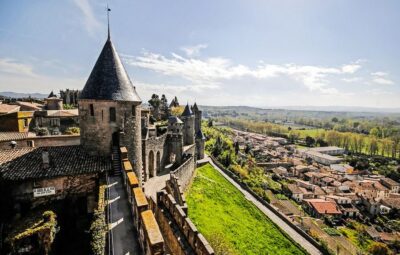
Carcassonne: Castle and Ramparts Entry Ticket
Read our review →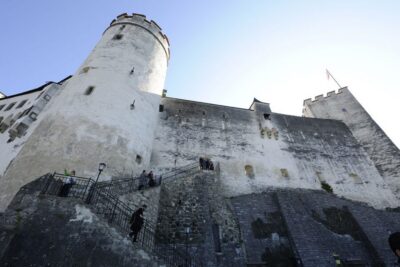
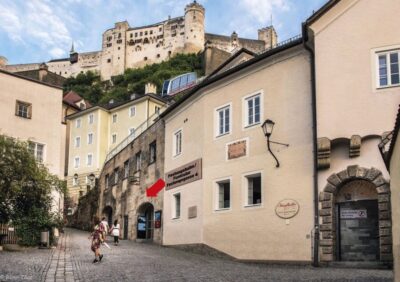
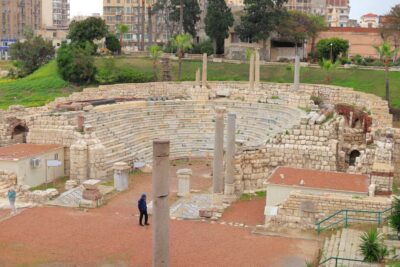
From Cairo Alexandria Catacombs, Citadel Day Trip with Lunch
Read our review →
Charleston historical walking tour with a Professor of History at The Citadel
Read our review →
Hue Customizable Tour with Imperial Citadel & Forbidden City
Read our review →
Desert Safari: Luxury Fortress Dinner, Camel Ride & Dune Bashing
Read our review →
Egyptian Museum, Citadel, and Old Cairo Guided Tour
Read our review →Browse the lists this tour appears in