
Review · ITALY
Milan Cathedral, Sforza Castle and Michelangelo’s Pietà Tour
Milan gives you grand art in a compact half-day. I like the combination of Duomo terraces and Sforza Castle, which gives you both sweeping city views and a close look at Milan’s courtly past. I also like that the route includes Michelangelo’s final masterpiece, the Pietà, rather than stopping with the cathedral alone.
The main drawback is the pace and physical demand. You will walk between sites, climb to the terraces, and spend about four hours on your feet. The tour is not wheelchair accessible, and the cathedral requires covered shoulders and knees, so clothing and mobility deserve some thought before you book.
Key points at a glance
- Duomo terraces included: Climb above Milan’s cathedral for some of the city’s best elevated photographs.
- Michelangelo’s final Pietà: See the famous sculpture as part of the guided cathedral visit.
- Sforza Castle on foot: Walk along Via Dante Alighieri from the Duomo to the castle with your guide.
- Art beyond the cathedral: The castle visit includes works connected with Leonardo da Vinci and other major artists.
- Languages and private groups: Tours are offered in English, Italian, German, French, or Spanish, with a private option available.
- Strict meeting time: Arrive at the Mondadori Duomo entrance in Piazza del Duomo early. Late arrivals are not admitted.
Starting at Piazza del Duomo
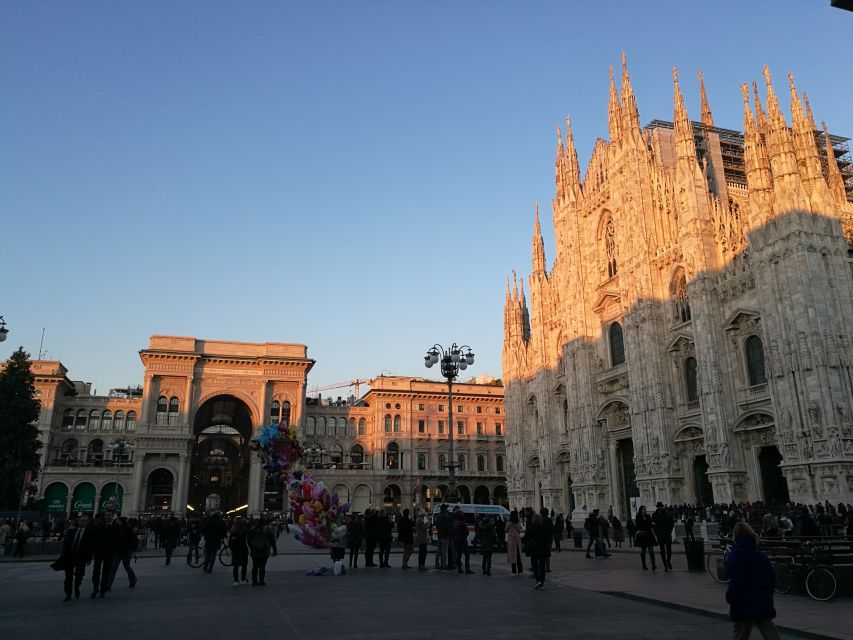
Your meeting point is in front of the Mondadori Duomo entrance at Piazza del Duomo, 20121 Milan. Look for a guide holding a purple Hidden Experiences sign or flag. This is not the place to arrive at the last second. The instructions are firm: late arrivals will not be admitted.
That rule matters in Milan, where the square can be crowded and a large cathedral entrance may take time to locate. I would arrive early enough to identify the entrance, find the purple sign, and settle in before the appointed start. You do not want to begin a four-hour tour by chasing the group through the busiest part of the city.
The activity ends back at the meeting point. Hotel pickup and drop-off are not included, so you handle your own way to and from the square. The central location is useful if you are already sightseeing in Milan, but you should allow extra time if you are coming from another part of the city.
The tour is offered in English, Italian, German, French, and Spanish. A certified guide leads the visit, and headphones are supplied for groups larger than six people. That small detail can make a real difference inside a vast church or on a busy street, where a guide’s voice can easily disappear.
More Castle and Cathedral Tours in Italy:
- Seville: Alcázar, Cathedral & Giralda Skip-the-Line Tour
★ 4.8 · 11,525 reviews - Seville: Cathedral, Giralda & Alcazar Entry With Guided Tour
★ 4.6 · 8,560 reviews - Madrid: Segovia and Toledo Tour, Alcazar, and Cathedral
★ 4.7 · 7,797 reviews
Inside Milan Cathedral’s Gothic interior
The Duomo is the natural first act. You enter with your guide and learn how the cathedral complex came together while looking at the details that are easy to miss when you wander alone. The visit includes the building’s mosaics, colorful windows, statues, and other artworks.
I like having a guide here because the Duomo can overwhelm you with sheer scale. There is a lot to look at, and without context, it can become a parade of stone, glass, and shadow. A guide gives you a way to organize the experience, pointing out why particular decorative features matter instead of leaving you to scan the interior at random.
The cathedral is also an active religious site, not simply a monument. You must cover your shoulders and knees to enter, and sport club T-shirts are not permitted. Short skirts are specifically listed as unsuitable. Wear clothing that meets those rules from the start, since relying on a quick cover-up may be inconvenient.
This is not a quiet, private viewing. The Duomo is one of Milan’s central sights, and you should expect other people around you. The benefit of a guided visit is that the explanation gives shape to the crowds and the scale. The tradeoff is that you will follow the group’s rhythm rather than linger indefinitely beside one statue or window.
Climbing to the Duomo terraces
The terraces are one of the strongest reasons to choose this experience. Your ticket includes access to the cathedral and its terraces, so the visit moves from the shadowy interior to an open-air viewpoint above Milan.
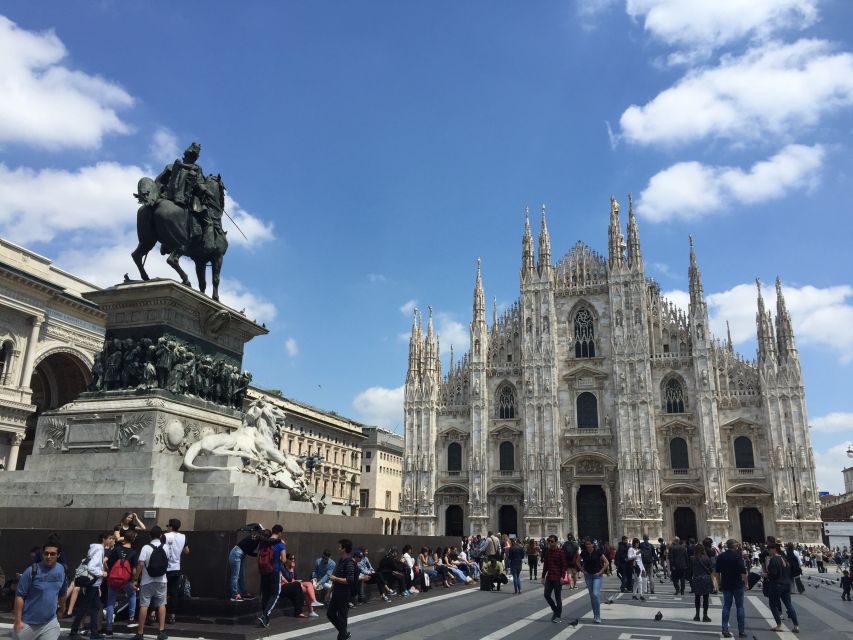
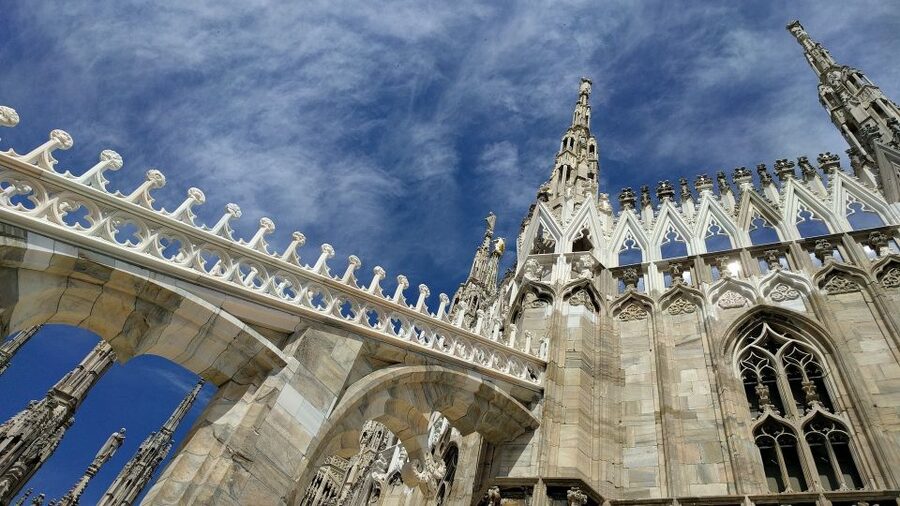
From the terraces, you can photograph the city skyline and the cathedral’s remarkable upper decoration. The elevated position changes your view of Milan. Instead of seeing the Duomo as a single enormous façade, you get close to its statues, stone details, and pointed forms.
The terraces also give you a useful break in the rhythm of the indoor visit. You move from religious art and stained glass to open views and architectural detail. For many people, this will be the tour’s most memorable photo stop.
Be realistic about the physical effort. The tour includes a climb and a moderate amount of walking, and comfortable shoes are essential. The experience is not suitable for wheelchair users or people with mobility impairments. If stairs, uneven walking, or extended standing are difficult for you, this is not an easy sightseeing option.
The tour description does not promise a specific amount of free time on the terraces, so you should expect to stay with the group. Bring your camera, but also listen as you go. The best value comes from pairing the views with the guide’s explanation of the complex, rather than treating the terraces as a quick photo stop alone.
Michelangelo’s final masterpiece
After the cathedral portion, you see Michelangelo’s Pietà, described as his last masterpiece. That gives this experience an important artistic focus beyond Milan’s own architecture.
The Pietà is famous for its emotional power and its connection to Michelangelo’s final years. You do not need to be an art specialist to appreciate why it matters. The appeal is in seeing a work by one of the Renaissance’s defining artists and having its place explained by a guide during the visit.
The information provided does not give a separate duration for the Pietà, so do not plan on an extended private viewing. It is one part of a larger route that also includes the cathedral and Sforza Castle. Still, its inclusion makes the tour more than a standard Duomo visit.
This is also a moment when a guide can help you slow down. Large Milanese sights often reward a little focus. Rather than trying to photograph every object, I would give the Pietà your full attention, listen to the explanation, and then move on with the group.
A few more castle visits around Italy worth a look
- Milan: Sforza Castle Entry Ticket with Digital Audio Guide
★ 4.0 · 2,675 reviews - Milan: Sforza Castle and Michelangelo’s Pietà Rondanini Tour
★ 4.7 · 1,119 reviews - From Siena: Chianti and Castles Tour with Wine Tastings
★ 4.6 · 631 reviews - Milan: The Last Supper & Sforza Castle Guided Tour
★ 4.6 · 610 reviews
Walking Via Dante to Sforza Castle
The route continues on foot along Via Dante Alighieri to Sforza Castle. This connection is valuable because it links two major Milan sights without adding a separate transport transfer or sending you back to the meeting point between visits.
The walk also gives the tour a sense of place. You are not being carried from one entrance to another in a vehicle. You move through the city with your guide, following a route associated with Milan’s central historic area. Keep in mind that the walk adds to the total time on your feet, so sensible shoes are more important here than fashion.
The supplied details do not state the exact walking distance or whether there are scheduled breaks. I would plan for a continuous half-day outing and bring water if you normally need it during city walks. Food and drinks are not included.
This portion can be a welcome change after the cathedral’s interior. It gives you time to reset before the castle, though it also means the experience is not ideal for anyone seeking a low-effort sightseeing day.
Exploring Sforza Castle and its artworks
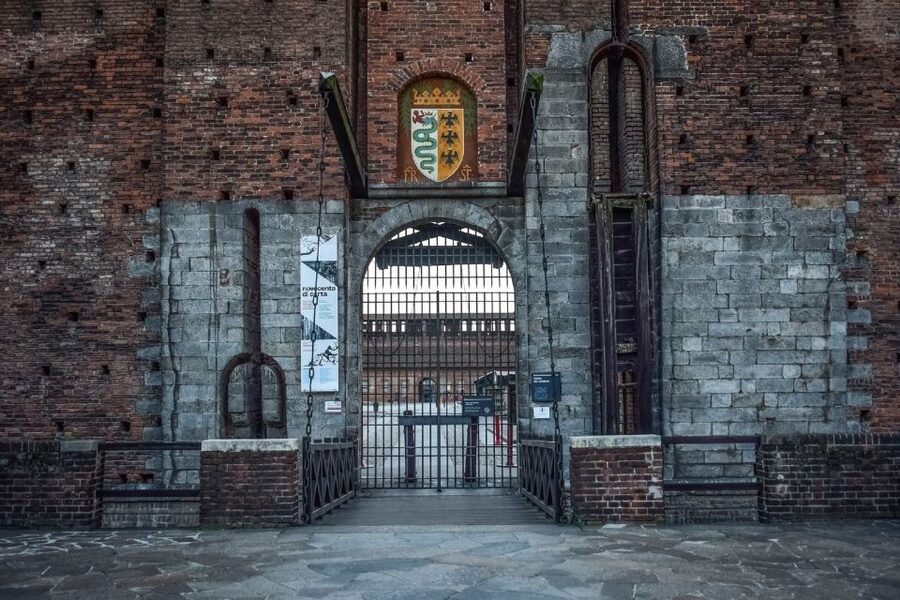
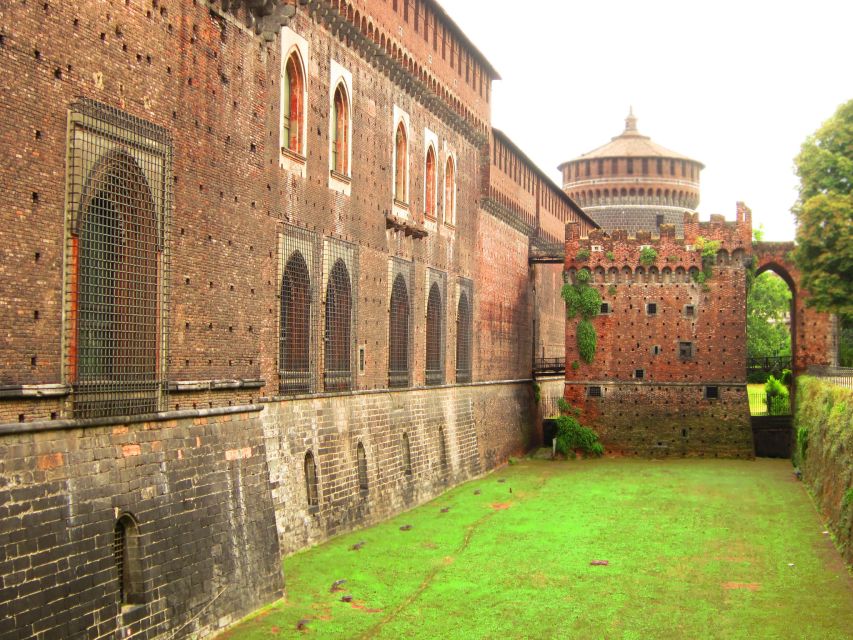
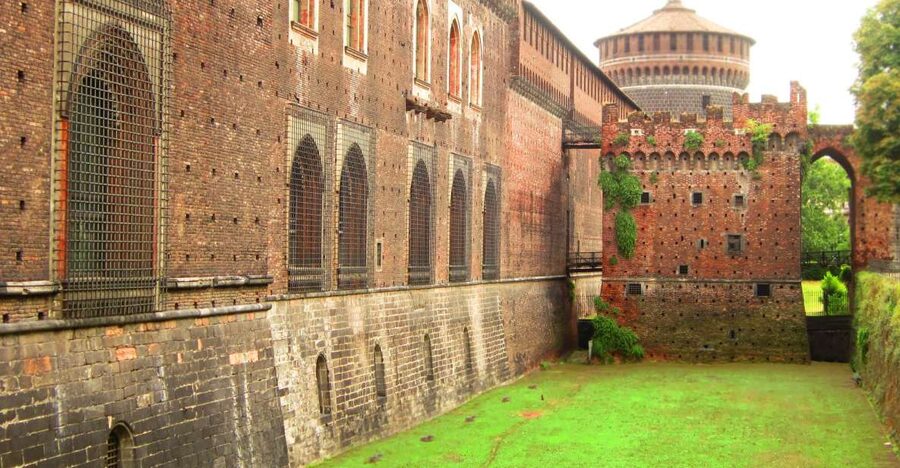
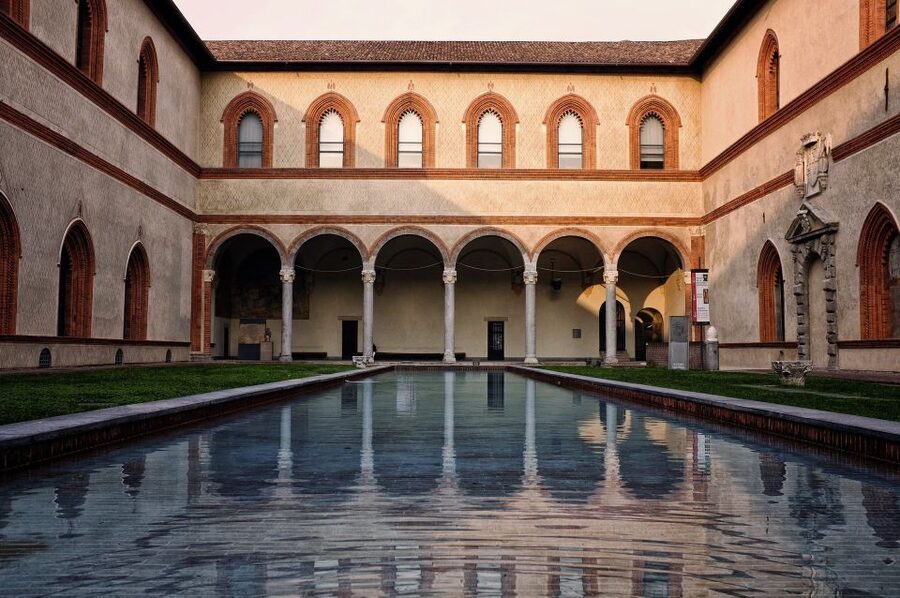
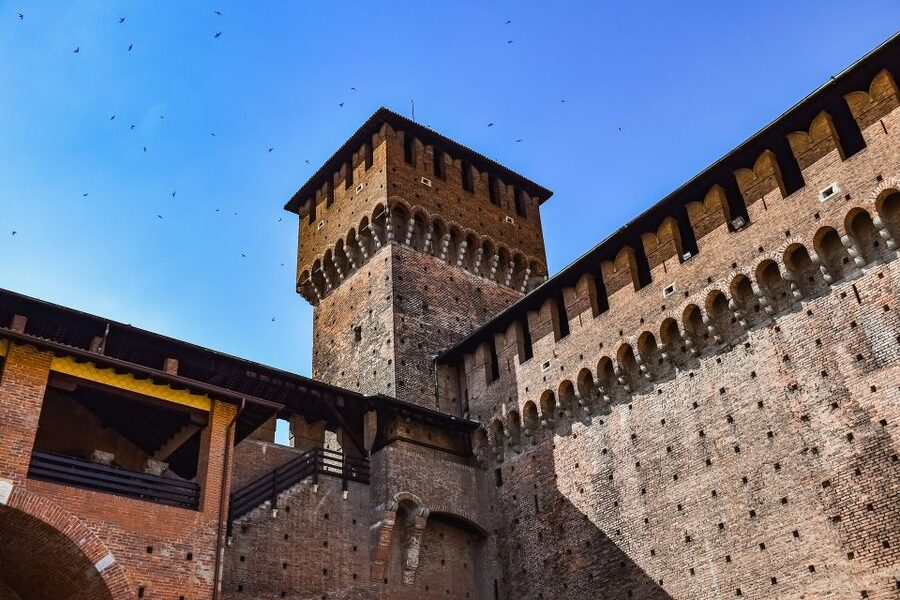
Sforza Castle is the second major stop, and the guided visit helps explain why this fortress is tied so closely to Milan’s political and artistic story. The castle includes artworks by Leonardo da Vinci and other well-known artists, giving you a very different setting from the Duomo.
I like this contrast. The cathedral presents religious grandeur, while the castle brings you into a place shaped by power, defense, court life, and art. Seeing both in one morning or afternoon gives you a broader sense of Milan than visiting either site by itself.
The castle is particularly appealing if Leonardo da Vinci interests you. The experience follows in Leonardo’s footsteps at Sforza Castle, connecting the site to the artist’s time in Milan. The supplied information does not specify which individual rooms or artworks you will see, so I would avoid expecting a tightly defined Leonardo-only exhibition. Think of it as a guided castle visit that includes Leonardo and other major artists.
Your guide is central here. The castle’s walls and rooms may not explain themselves clearly, especially if you are seeing them after the visual overload of the Duomo. A guide can connect the rooms, artworks, and historical figures into a story you can follow.
The strongest praise for the experience focuses on the guide’s patience and detail. One published rating describes the guide as very nice and careful to explain everything in detail. That is exactly the quality you want on a tour that moves between architecture, religious art, sculpture, and castle history in a short period.
How the four-hour schedule feels
Four hours is long enough to cover the major pieces without taking over your entire day. You see the cathedral, terraces, Pietà, and Sforza Castle, then finish where you began. That makes this a practical choice if you have limited time in Milan.
The schedule will feel full rather than leisurely. You have a guided visit inside two major sites, a climb to the terraces, a walk along Via Dante, and a sculpture stop. I would not book it immediately before a train, flight, or restaurant reservation you cannot change.
The benefit of a half-day format is efficiency. You do not need to manage separate tickets to the Duomo complex and Sforza Castle, and you do not need to work out the walking route between them. The drawback is that you have less freedom to linger. If your ideal day involves sitting for a long time with one painting or returning to a favorite room, a private visit with more flexible timing may suit you better.
A private group is available, which may be worth considering for families or people who want more control over the pace. The standard format is guided and shared unless you select the private option. Group size details are not provided, so I would not assume a small group.
Is $129.14 a fair price?
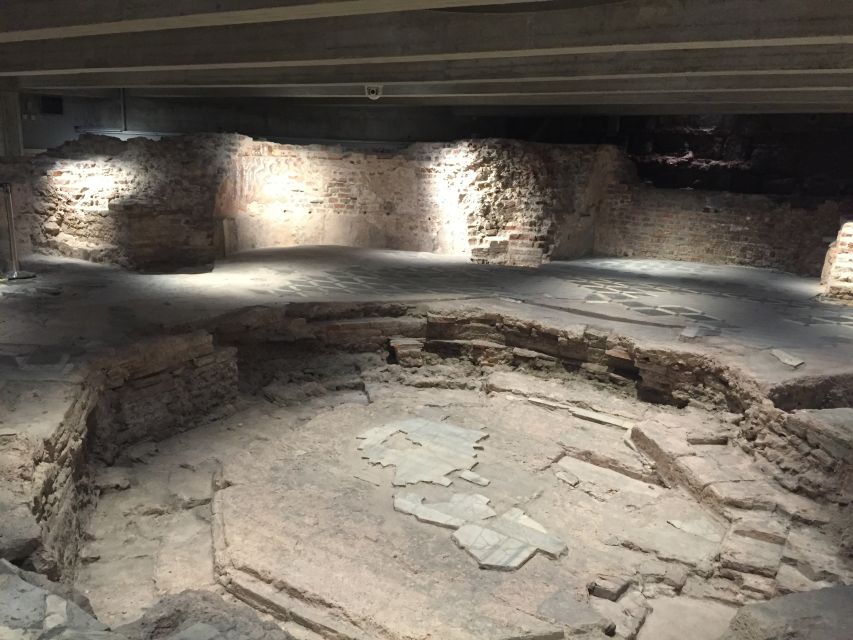
At $129.14 per person, this is not a budget walking tour. The price needs to be judged against what is bundled into the four hours: entrance tickets to the Duomo complex and Sforza Castle, terrace access, a certified guide, the Pietà visit, and the walk between the two sites.
The value is strongest if you want structure. You pay for one connected route instead of arranging separate admissions and trying to fit the two locations together on your own. You also get guided context in several languages, plus headphones for groups larger than six.
The price is less attractive if you mainly want entry tickets and time alone. You will not receive food, drinks, or hotel transport, and the schedule is shared unless you choose a private group. You also need to provide your own comfortable clothing and plan for the physical demands.
A rating of 4.7 from 15 published ratings supports the idea that the experience is performing well, especially when paired with the specific praise for a guide who explains things carefully. The sample is small, so I would treat that score as encouraging rather than conclusive.
For me, the best value comes from the combination of the terraces and the castle. A Duomo-only visit would give you the city’s signature building, while a castle-only visit would leave out Milan’s most famous skyline view. This tour joins both and adds Michelangelo’s Pietà in the same half-day.
Who should book this experience?
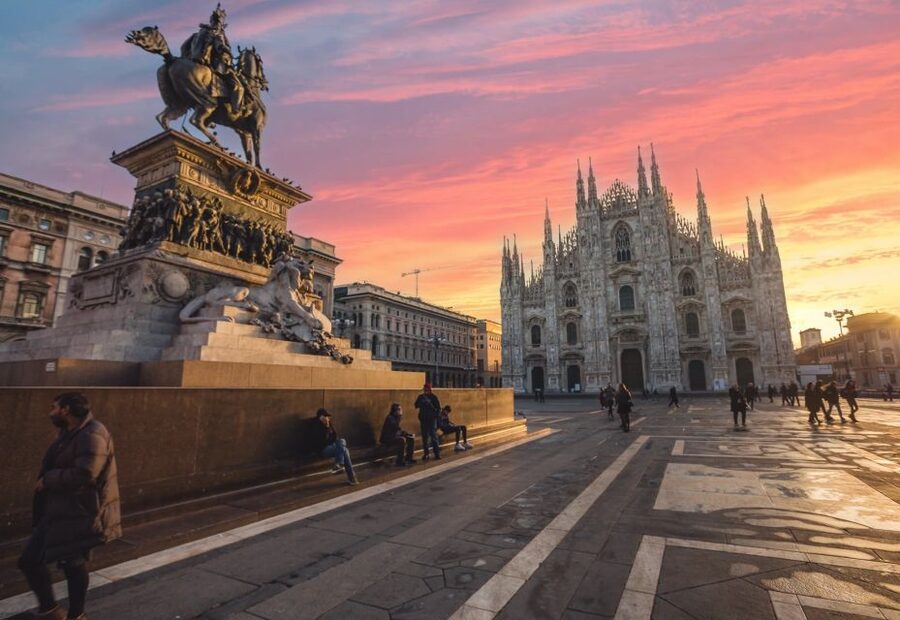
You should consider booking if you want Milan’s major sights organized into one clear route. It suits first-time visitors, art lovers, and anyone with only a short stay who wants a strong introduction to the city’s architecture and artistic past.
It also works well if you prefer explanations to independent wandering. The guide can help you make sense of the Duomo’s many details, introduce the Pietà, and set Sforza Castle in context. The available language choices make the format more accessible for international visitors.
I would be cautious if you dislike group schedules, have trouble walking for several hours, or cannot manage a climb to the terraces. The tour is not wheelchair accessible and is not suitable for people with mobility impairments.
Dress for a religious site, wear comfortable shoes, arrive early at the Mondadori Duomo entrance, and leave room in your day for the full four hours. You can cancel up to 24 hours in advance for a full refund, and the reserve-now, pay-later option gives you some flexibility while your plans are still changing.
Should you book the Milan Duomo and Sforza Castle tour?
Book it if you want a guided half-day that covers Milan’s cathedral, terraces, Michelangelo’s final Pietà, and Sforza Castle without arranging separate visits. The route offers strong variety, and the guide’s detailed explanations are a major part of its value.
Skip it if you want a slow, self-directed day or if the walking and terrace climb will be difficult. For most able-bodied visitors with limited time, the combination of skyline views, major art, and two central Milan sights makes the $129.14 price reasonable, provided you value expert guidance and organized admission more than free time.
FAQ
How long does the tour last?
The tour lasts four hours. Check availability for the current starting times.
Which languages are available?
Live guided tours are available in Italian, English, German, French, and Spanish.
Where does the tour begin?
Meet in front of the Mondadori Duomo entrance at Piazza del Duomo, 20121 Milan. Look for the Hidden Experiences guide holding a purple sign or flag.
Does the tour include the Duomo terraces?
Yes. Entrance to the Duomo complex and its terraces is included.
Is the tour wheelchair accessible?
No. The activity is not suitable for wheelchair users or people with mobility impairments.
What should I wear?
Wear comfortable shoes and clothing that covers your knees and shoulders. Short skirts and sport club T-shirts are not permitted for entry to the religious site.
Just added around Italy
- HIKING TOUR: VARENNA, Castle of VEZIO Villa MONASTERO, FIUMELATTE★ 5.0 · 48 reviews
- Castles of Puglia Day Trip from Bari★ 4.5 · 7 reviews
- Enchanted Castle of Sciacca – Museum Tickets★ 3.5 · 63 reviews
- Taormina; Taormina Castle Tour★ 3.8 · 11 reviews
- St. Angel’s Castle: 2-Hour Private Tour★ 5.0 · 9 reviews
- Milan: Skip-the-line Sforza Castle and Museums Private Tour★ 4.7 · 7 reviews
- Siena: Tour and Wine Tasting in a Tuscan Private Castle★ 4.9 · 50 reviews
- Sforza Castle & Michelangelo’s Pietà Rondanini Guided Tour★ 4.7 · 3 reviews
Castle & Cathedral Tours, compared.
Alcázar, Cathedral & Giralda Skip-the-Line Tour
Read our review →
Cathedral, Giralda & Alcazar Entry With Guided Tour
Read our review →
Segovia and Toledo Tour, Alcazar, and Cathedral
Read our review →
Priority Access Cathedral, Giralda & Alcázar Tour
Read our review →
Toledo & Segovia Tour w/ Cathedral, Alcazar & Lunch
Read our review →
Alcázar and Cathedral Entry Ticket and Guided Tour
Read our review →
Alcazar and Cathedral of Seville Tour with Skip the Line Tickets
Read our review →
Toledo & Segovia Tour with Cathedral and Alcazar Tickets & Lunch
Read our review →Browse the lists this tour appears in