
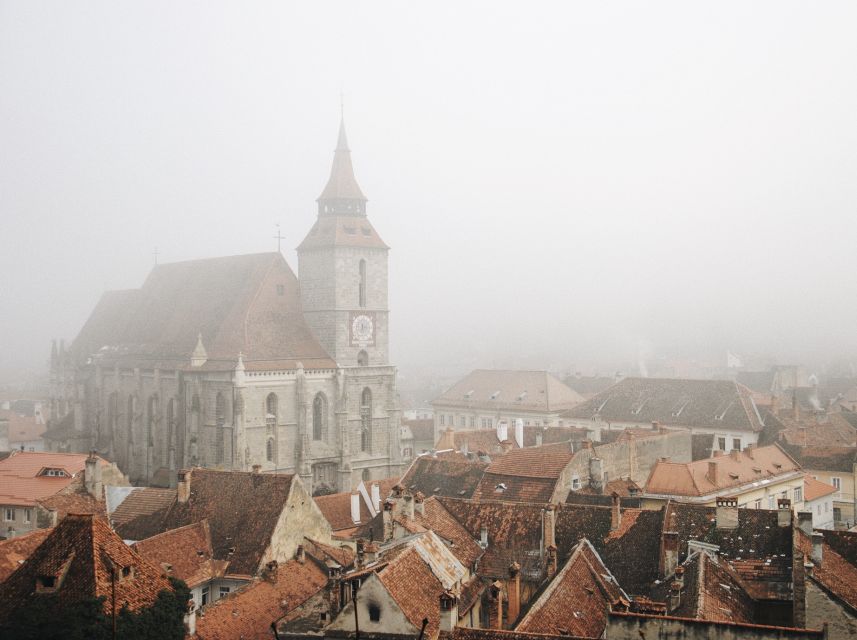
Review · CLUJ-NAPOCA
Transylvania’s Trail: Sibiu, Bran Castle, Brasov, Sighisoara
Seven historic stops, two full days. This tour packs Sibiu, Bran Castle, Brasov, Sighisoara, Rupea Citadel, and Biertan Fortified Church into a round trip from Cluj-Napoca. I especially like the small group of no more than 14 people and the overnight stay in central Brasov, which gives the route a more relaxed shape than a rushed day trip.
I also like the mix of famous places and quieter historic sites, particularly Rupea Citadel and Biertan. The main drawback is simple: you spend a lot of time on the road. If you want long, unhurried visits in each town, two days will feel tight. If you want to cover a large portion of Transylvania without arranging several trains, hotels, and entrance tickets yourself, the route makes good sense.
Key points to know before booking
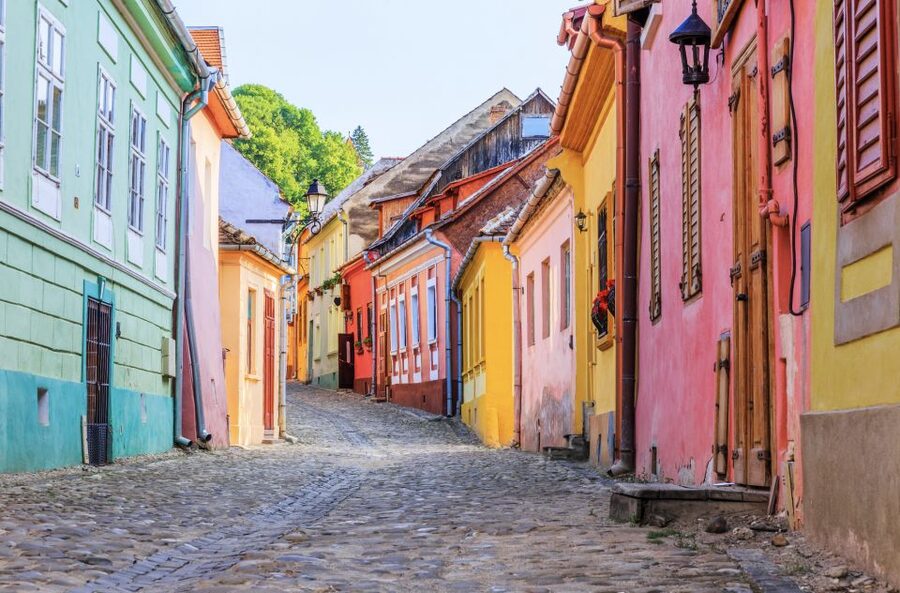
- Sibiu opens the tour with handsome squares, the Metropolitan Cathedral, and the Bridge of Lies.
- Bran Castle brings the Dracula legend into a real medieval fortress setting.
- Brasov is your overnight base, with a central three-star hotel and an evening city tour.
- Sighisoara combines a UNESCO World Heritage setting with its connection to Vlad Tepes.
- Rupea Citadel offers the tour’s broadest views from its hilltop position.
- Biertan Fortified Church adds a quieter 13th-century site before the return to Cluj-Napoca.
What the two-day route is really like
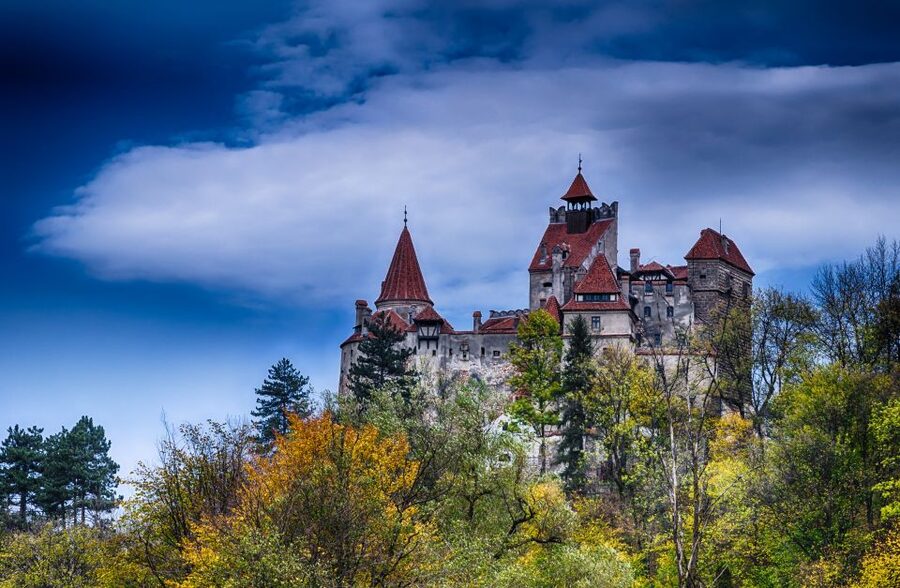
This is a sightseeing circuit rather than a slow village holiday. You leave your hotel or address in Cluj-Napoca, ride between several major sites, spend one night in Brasov, and return to Cluj after the second day.
That arrangement saves you a great deal of planning. Transportation, entrance fees, an English-speaking guide, breakfast, and the Brasov hotel are included in the $674 price per person. Meals are not included, and photography fees may apply at some sites, so you should keep a little extra money available.
The group is limited to 14 people. That matters on a route with several fortress visits and walking tours. You should have more room to ask questions than you would on a large coach, although the small-group format cannot remove the basic distances between Cluj, Sibiu, Bran, Brasov, Sighisoara, Rupea, and Biertan.
A guide can make or break a history-heavy tour. The strongest feedback centers on the guides, especially Jeta, a Romanian guide with a master’s degree in history. Her background is a real advantage here because the route contains churches, castles, medieval walls, local legends, and political history at nearly every stop. You should still understand that guide quality can vary by departure, but the experience is designed around live English commentary rather than a recorded audio track.
More Dracula and Transylvania Castle Tours in Romania:
- Bucharest: Dracula’s Castle, Peles Castle, & Brasov Old Town
★ 4.5 · 17,858 reviews - Bucharest: Dracula Castle, Peles Castle & Brasov Old Town
★ 4.6 · 10,891 reviews - Bucharest: Dracula’s Castle, Peleș Castle & Brașov Day Trip
★ 4.4 · 6,100 reviews
Sibiu: a polished opening to Transylvania
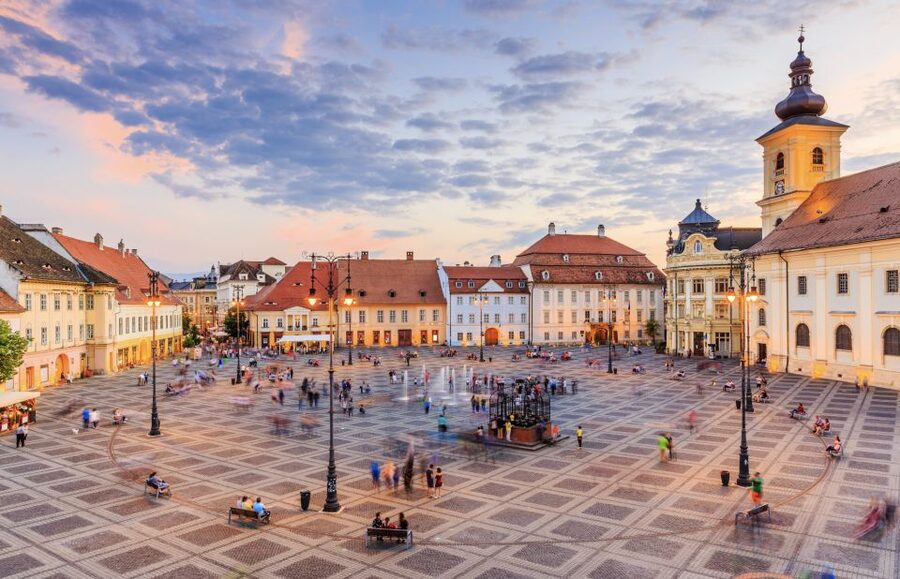
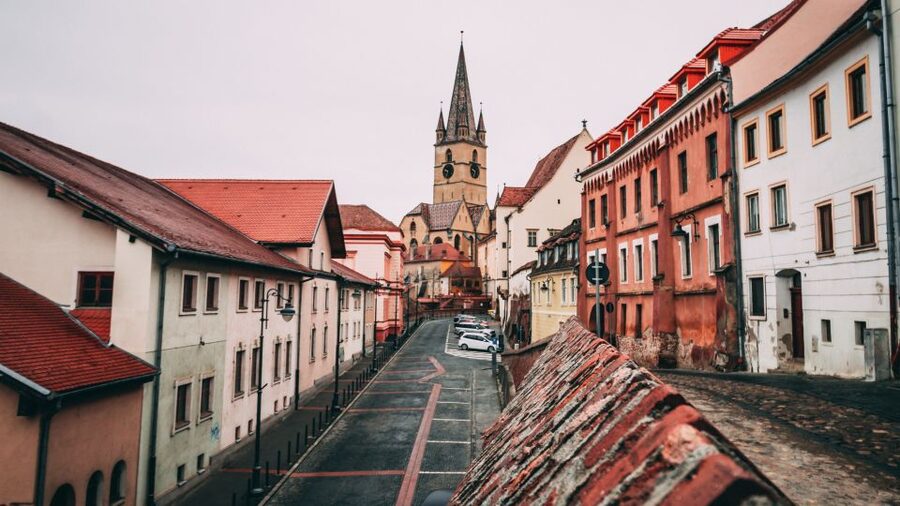
The first major stop is Sibiu, a former European Cultural Capital. The city is a good introduction to Transylvania because it offers grand civic spaces alongside details that reward a slower look.
You visit the main squares, the Metropolitan Cathedral, and the Bridge of Lies. The squares give you the clearest sense of Sibiu’s public face, while the cathedral adds a major religious landmark to the walk. The Bridge of Lies brings a lighter note, with local stories and plenty of opportunity for your guide to explain how fact and folklore overlap.
I like starting here because Sibiu is not presented only as a Dracula stop. Its appeal comes from the town itself: central streets, old buildings, religious landmarks, and public spaces that show how important the city has been over time.
The limitation is time. The tour does not promise a long independent stay in Sibiu, so you should expect an organized introduction rather than a full city visit. If you want museums, extended café time, or detailed architectural study, plan to return to Sibiu on another trip.
Your guide’s role is especially useful here. Without context, a square can look like a pleasant place for photographs. With good explanations, you begin to understand why the city matters and how its landmarks fit together.
Bran Castle: the Dracula stop with a real fortress behind it
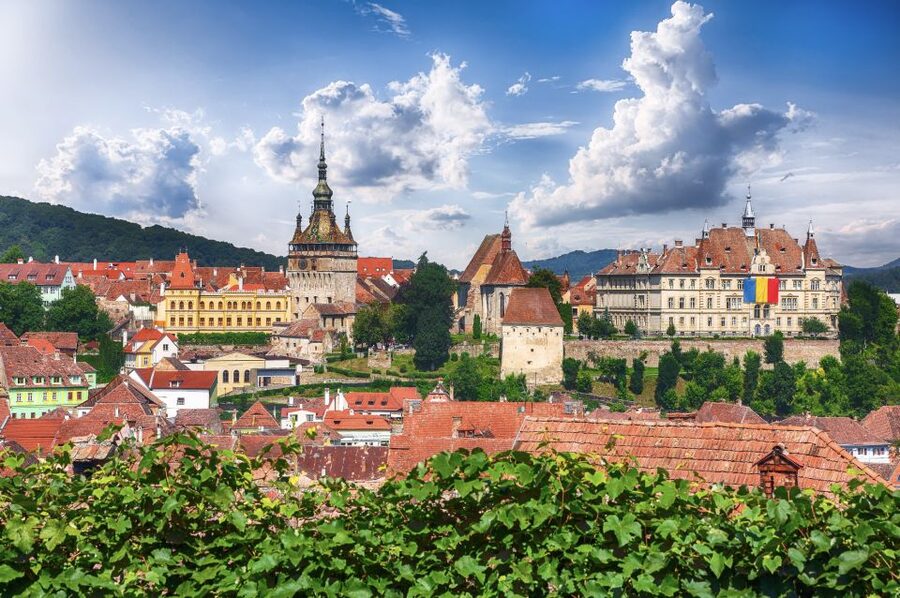
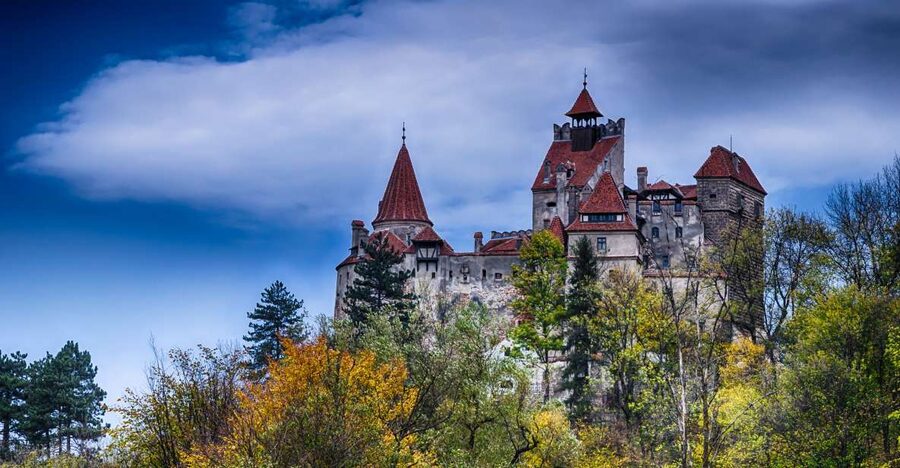
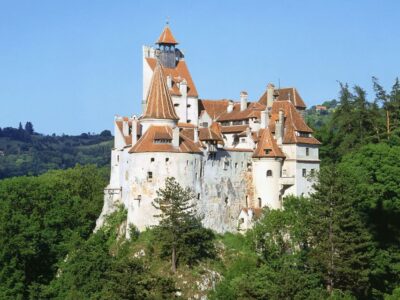
Bran Castle is the most famous name on the route. Its link with Dracula gives the visit an easy hook, but the building is more interesting when you separate the fictional image from the actual fortress.
You walk through passages and halls while the guide explains the castle’s historical setting and its connection to the Dracula story. Expect an atmospheric visit, with the appeal coming from the fortress itself as much as from the legend attached to it.
I appreciate the way this stop gives you both popular culture and history. You can enjoy the Gothic mood, ask about Vlad Tepes, and still look at the castle as a defensive and political building rather than treating it as a movie set.
Do not book this tour only for a dramatic Dracula experience. The description emphasizes historic allure and castle interiors, not a theatrical show or horror attraction. The visit is best for you if you enjoy seeing how a famous legend grew around a real place.
Bran also shows why the route benefits from a guide. The castle’s fame can flatten the story into a few familiar names. A good explanation gives the building more substance and helps you understand why it remains one of Romania’s best-known sights.
Brasov after dark: the practical value of an overnight
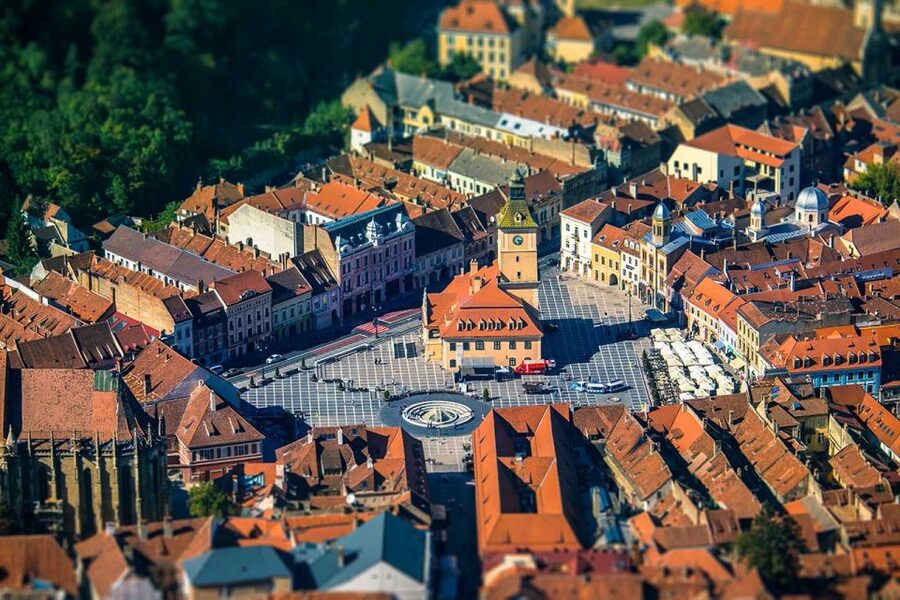
The first day ends in Brasov, where you receive a city tour before spending the night at a centrally located three-star hotel. The evening visit focuses on the Black Church and Council Square.
The Black Church is the major architectural stop, while Council Square gives you a lively central meeting point and a useful orientation to Brasov. Seeing the city in the evening also breaks up the driving schedule. Instead of arriving at a hotel and simply waiting for the next morning, you get a first look at Brasov while your guide is still with you.
The central hotel is one of the tour’s strongest practical features. Location matters after a long day on the road. A hotel in the center puts you near the area covered by the city tour, and it means you do not need to spend the evening arranging another transfer.
The accommodation is rated three-star, not luxury. One particularly positive report calls the hotel magnificent and praises its central position, but you should still book this as a well-placed overnight, not as a boutique hotel holiday.
Breakfast is included on the second morning. Other meals are not. Your guide can help you choose places for lunch and dinner, which is useful on a tightly scheduled route. One direct account praised the guide for helping with both meals, a small service that can make a long touring day easier.
Brasov is also where you get a little breathing room. The overnight does not turn the trip into a slow journey, but it prevents the route from becoming a single exhausting loop completed in one day.
A few more castle visits around Romania worth a look
- Bucharest: Day Trip to Dracula Castle, Peles Castle & Brașov
★ 4.4 · 3,049 reviews - Bucharest to Dracula Castle, Peles Castle and Brasov Guided Tour
★ 4.5 · 2,933 reviews - Dracula’s Castle, Peles Castle and Brasov Day Trip from Bucharest
★ 4.5 · 1,804 reviews - Transylvania and Dracula Castle Full Day Tour from Bucharest
★ 4.5 · 1,589 reviews
Sighisoara: medieval streets and the Vlad Tepes connection
Day two begins in Brasov and heads to Sighisoara, one of the tour’s most important stops. The town is a UNESCO World Heritage Site and is associated with Vlad Tepes, the historical figure often linked to Dracula.
That combination gives Sighisoara a different feel from Bran. Bran is a castle visit shaped by legend. Sighisoara is a medieval town where the setting itself carries the story. You are not simply entering a single building. You are exploring an old urban center connected to a major figure in Romanian history.
The Vlad Tepes connection is a clear draw, but the town should not be reduced to his birthplace. The UNESCO designation matters because it recognizes the historic character of the wider site. Your guide can help you place the Dracula story within the town’s larger past rather than letting the legend take over everything.
This stop will appeal to you if you like historic streets, fortified towns, and stories tied to real people. It is also one of the places where a strong guide adds real value. One guide praised for this tour had advanced academic training in history and gave detailed explanations of churches, castles, and fortresses. That level of background is useful in Sighisoara, where the setting rewards more than a quick photograph.
Again, time is the tradeoff. The tour has several more stops, so you should expect a focused visit. If Sighisoara becomes your favorite place, you may wish you had a full day there. That is not a flaw unique to this tour. It is the cost of covering so much ground in 48 hours.
Rupea Citadel: the best viewpoint on the route
After Sighisoara, the tour continues to Rupea Fortress. The citadel sits on a hill and gives you wide views over the surrounding countryside.
This is the stop I would not underestimate. Famous names often receive the most attention, but Rupea offers a strong visual reward. From the top, you can see why fortresses were placed above the surrounding area. The setting connects the walls to the roads and open country below.
The citadel also helps vary the rhythm of the tour. You have already seen an urban center, a castle, and a fortified medieval town. Rupea gives you an elevated site with open views and a clear sense of defensive position.
You should be ready for walking and uneven access at fortress sites. The tour is specifically listed as unsuitable for people with mobility impairments, so this is not the right choice if climbing or walking through historic fortifications would be difficult.
The exact amount of time at Rupea is not stated, so keep your expectations practical. You should have time to see the fortress and enjoy its views, but this is not presented as a long hiking outing.
Biertan Fortified Church: a quieter final stop
The final destination is Biertan Fortified Church, a 13th-century stronghold. It offers a different kind of historical experience from Bran and Rupea.
Here, the focus is a fortified church rather than a castle associated with a famous legend. That distinction matters. Biertan shows how religious buildings could also serve as places of protection, and it gives the route a quieter final chapter.
I like ending with Biertan because the visit broadens your idea of what Transylvanian heritage includes. The region is not only castles and Dracula stories. Churches, fortified settlements, and local defenses are just as important to the area’s past.
The stop may appeal most to you if you enjoy architectural history and less familiar landmarks. It is also a good place to listen closely to the guide. The facts behind a fortified church are not always obvious from the outside, and clear explanation can turn a short visit into a memorable one.
After Biertan, you return to Cluj-Napoca. That makes the tour convenient if you are using Cluj as your base and want a guided loop rather than arranging separate transport between each town.
The price: where the $674 is justified
At $674 per person, this is not a budget sightseeing trip. The price makes more sense when you count what is included: hotel pickup and drop-off, all transportation, an English-speaking guide, entrance fees, one night in a central three-star Brasov hotel, and breakfast.
The value is strongest for you if you would otherwise need to arrange a rental car, pay for fuel, find parking, book the Brasov hotel, purchase admissions, and plan the route yourself. You also avoid the work of linking towns that are spread across the region.
The value is weaker if you already have a car, prefer public transport, or want to stay several nights in one town. You are paying for convenience, a structured route, and the guide’s explanations, not just for entry into the sites.
Meals are excluded, and photography fees may be charged separately. That is easy to overlook, so include food and possible photo charges in your trip budget.
The tour also offers free cancellation up to 24 hours before departure and a reserve-now, pay-later option. Those terms give you some flexibility, but they do not change the central question: are you happy trading free time for a broad, guided overview?
Who should take this tour?
This trip suits you if you are staying in Cluj-Napoca and want to see several of Transylvania’s best-known historic places without managing the route yourself.
It is a good fit for:
- First-time visitors to the region
- People who prefer a small group to a large coach
- Travelers who value live historical explanation
- Couples and friends who want a compact two-day itinerary
- Visitors interested in castles, fortified towns, churches, and local legends
- Anyone who wants an overnight in central Brasov rather than a same-day return
You may want another plan if you dislike long drives or need a slow pace. The route covers a lot of ground, and the schedule leaves limited time for wandering independently.
It is also not suitable for pregnant women or people with mobility impairments, according to the tour conditions. Bring a passport or ID card, and wear practical shoes for the walking portions of the trip.
The guide can shape the whole experience
The most praised part of this experience is the guiding. Jeta received especially warm attention for her professionalism, friendliness, care, and academic background in history. Another account simply describes the guide as friendly and full of information.
That matters because the route contains many places where context makes the difference. A fortress wall is more than stone when you understand its purpose. A church becomes more interesting when you know why it needed defenses. A Dracula connection becomes more useful when you can separate Vlad Tepes from later legend.
The criticism is also fair: one visitor felt the tour could have included more historical facts and fuller explanations at the sites. I would treat that as a reminder to ask questions during the trip. The guide is there to help, and a small group makes it easier to request more detail.
The experience has an overall rating of 4.6 from three reviews, so the sample is small. The clear pattern is strong satisfaction with the guides, scenery, hotel location, and range of sights, alongside one practical warning about road time and the amount of explanation.
Should you book Transylvania’s Trail?
Book it if you want a concentrated introduction to Transylvania and prefer a guide to handle the transport, admissions, and overnight arrangements. The route gives you an impressive spread of places: Sibiu’s city center, Bran Castle, Brasov, Sighisoara, Rupea Citadel, and Biertan Fortified Church.
I would choose it especially for a first visit from Cluj-Napoca. The central Brasov hotel, small group, and knowledgeable historical guiding can turn a complicated route into a manageable two-day trip.
Skip it if your ideal holiday means lingering in one town, taking long meals, or spending several hours at each monument. You will be on the road often, and the schedule is designed for coverage rather than leisure.
For most visitors with limited time, the tour offers solid practical value. Just book it with the right expectation: this is a brisk history circuit with beautiful views and several memorable stops, not a leisurely stay in rural Transylvania.
FAQ
Where does the tour begin and end?
The tour includes pickup from your hotel or address in Cluj-Napoca and returns you to Cluj-Napoca at the end of the second day.
How long does the experience last?
The tour lasts two days and includes one night in Brasov.
What accommodation is included?
One night at a centrally located three-star hotel in Brasov is included, along with breakfast.
Is transportation included?
Yes. All transportation during the tour is included, as well as hotel pickup and drop-off.
Is the tour conducted in English?
Yes. The tour includes a live English-speaking guide.
What should I bring?
Bring your passport or ID card. Practical footwear is also sensible for walking around castles, fortresses, and historic sites.
Just added around Romania
- Vlad the Impaler Royal Court from Târgoviște, Peleș Castle and Dracula grave★ 5.0 · 8 reviews
- From Bucharest: Brasov & Dracula’s Castle Transylvania★ 5.0 · 5 reviews
- Legends & Stories from Transylvania -2 Castles & Brasov Old Town★ 5.0 · 3 reviews
- Transylvania Castles 4-day tour from Bucharest★ 5.0 · 31 reviews
- The essence of Saxon Transylvania – 3-day tour of its citadels★ 5.0 · 3 reviews
- Private Day Tour – Transylvania & Dracula’s Castle Through The BackDoor!★ 5.0 · 3 reviews
- Private tour to Bran Dracula’s Castle and Peleș Royal Castle★ 5.0 · 4 reviews
- Day trip from Bucharest to Brasov, Peles & Dracula’s Castle★ 5.0 · 11 reviews
Dracula & Transylvania Castles, compared.
Dracula’s Castle, Peles Castle, & Brasov Old Town
Read our review →
Dracula Castle, Peles Castle & Brasov Old Town
Read our review →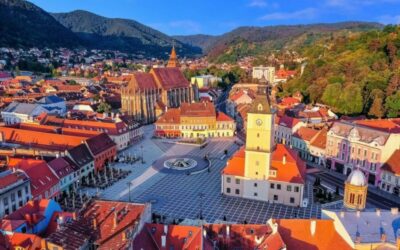
Dracula’s Castle, Peleș Castle & Brașov Day Trip
Read our review →
Day Trip to Dracula Castle, Peles Castle & Brașov
Read our review →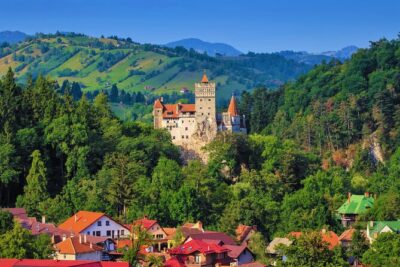
Bucharest to Dracula Castle, Peles Castle and Brasov Guided Tour
Read our review →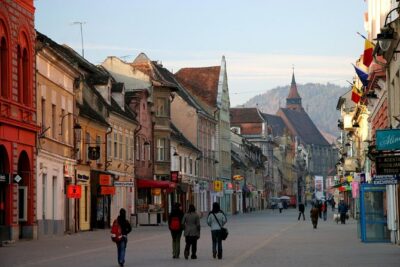
Dracula’s Castle, Peles Castle and Brasov Day Trip from Bucharest
Read our review →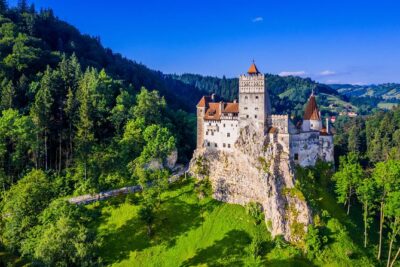
Transylvania and Dracula Castle Full Day Tour from Bucharest
Read our review →
Browse the lists this tour appears in