
Review · SARANDA
Saranda: Lekursi Castle, Blue Eye, Gjirokaster, & More Tour
Ancient stones, cold water, and mountain views fill one day. This Saranda tour packs southern Albania’s best mix of nature and history into nine hours, with Lekursi Castle views and a long visit to Gjirokaster. I like the small-group Mercedes minivan and the personal guiding from Ilir, who is praised for his stories, humor, music, food tips, and careful driving. The main consideration is the pace: you cover a lot of ground, and Blue Eye requires walking.
I also like the price. At $47 per person, transport, a driver-guide, and six major stops make this strong value, especially if you do not have a car. You pay only 50 cents for the Blue Eye entrance, but lunch is extra, and the tour is not suitable for wheelchair users or pregnant women.
Five things worth knowing before you book
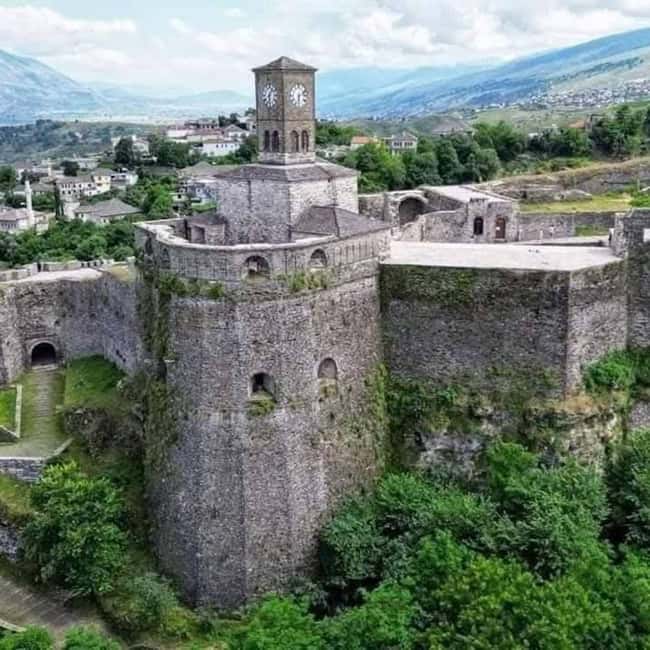
- Gjirokaster gets three hours: This is enough time to explore the old town, see the castle area, browse the bazaar, and stop for Albanian food.
- Blue Eye needs comfortable shoes: You can walk from the parking area along a paved road or forest path, with a small tourist tram also available.
- The minivan holds up to eight people: The Mercedes Vito Tourer is air-conditioned, insured, and more comfortable than a crowded coach.
- Ilir is a major part of the experience: His English explanations cover history, communism, food, music, regional culture, and practical travel advice.
- The day runs from 8:50 to 18:00: You start at Guma Bar Restaurant in Saranda and finish at Parku Miqësia.
- The itinerary mixes famous and quieter stops: Lekursi Castle and Gjirokaster draw the attention, while Mesopotam Monastery and the Ottoman Bridge add local character.
Why this $47 southern Albania tour makes sense
Saranda is easy to enjoy from a beach chair, but the inland sights show you a much broader side of southern Albania. In one day, you move from a hilltop Ottoman fortress to a medieval religious site, a startling blue spring, an old bridge, communist bunkers, and a UNESCO-listed stone town.
That variety is the tour’s best feature. You are not spending nine hours looking at similar ruins or sitting in a vehicle between two major attractions. The stops change often, and the longest breaks are saved for the places that deserve them: two hours at Blue Eye and three hours in Gjirokaster.
The value is especially good for anyone without a rental car. The roads through the region can be winding, and planning six stops independently would take time. Here, an insured, air-conditioned Mercedes Vito Tourer handles the driving while the guide connects each stop to Albania’s past and present.
The small-group format matters, too. The vehicle is designed for up to eight passengers, so you have a better chance to ask questions and hear the guide than on a large bus. During quieter periods, the group may be very small. One January guest joined alone, while an October departure used several minivans because demand was higher, so the exact group feel can vary.
A few more castle visits around Saranda worth a look
- Sarande: Blue Eye Spring and Lekursi Castle Sunset Tour
★ 4.8 · 798 reviews - Daily Trip To:Blue Eye,Monastery,Gjirokaster&Lekursi Castle
★ 4.9 · 665 reviews - Best of Saranda: Blue Eye, Butrint, Ksamil & Lekuresi Castle
★ 4.4 · 300 reviews
Starting above Saranda at Lekursi Castle
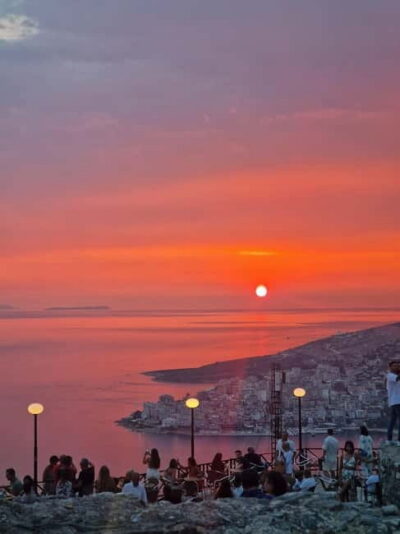
The first proper stop is Lekursi Castle, about 10 minutes from the meeting point. The castle sits above Saranda, giving you a wide view over the town, coastline, and surrounding hills.
The entrance is free, and the stop lasts about 30 minutes. That is enough for photographs, a short walk, and an introduction to the area without using up the day before the longer visits begin.
The castle was built in the 16th century during Ottoman rule. Its location is the real prize. If you want a clear sense of Saranda’s position between the sea and the hills, this is the place to get it. Bring your camera, but do not spend the entire stop staring at the screen. The view is one of the tour’s easiest wins.
Because this is a hilltop visit, comfortable shoes are useful even before you reach Blue Eye. The stop is more about views and orientation than a long castle exploration, so visitors expecting a fully restored fortress may find it brief.
Mesopotam Monastery and layers of belief
After roughly 20 minutes in the van, you reach the Monastery of Saint Nicholas at Mesopotam. The visit lasts about 30 minutes and has no entrance fee.
This is a quieter stop, but it gives the day a useful change of pace. The site dates from the 11th to 13th centuries and reflects several periods of religious change. It served Catholic and Orthodox rites before the Ottomans converted it into a mosque. Its walls also incorporate remains connected to a much older temple from before Christianity.
That history is best understood with a guide. On your own, you might see an old stone church and move on. With context, the building becomes evidence of the many communities and faiths that shaped the region.
Do not expect a polished museum visit or a long guided program. Thirty minutes is enough for a short explanation, photographs, and a look around. The stop works well because it is atmospheric and compact, not because it fills half the day.
The Blue Eye: two hours beside Albania’s cold spring
The route then continues for about 20 minutes to Blue Eye, where you have around two hours. This is one of the tour’s strongest stops and the place that demands the most practical planning.
Blue Eye is an underwater spring surrounded by trees. Water rises from below in a striking blue pool, and the spring stays at about 10 degrees Celsius. You can admire it, photograph it, and enjoy the cool air around the water. Swimming may look tempting, but the temperature is a serious warning.
From the parking area, you can reach the spring by paved road, forest trail, or small tourist tram. If you have decent shoes and a basic level of fitness, the forest route offers the more scenic walk. The exact amount of walking depends on your choice, but this is not a stop for flimsy sandals or high heels.
The 50-cent entrance fee is not included. It is a tiny extra cost, but it is useful to carry some small change. Sunscreen, water, and a hat also matter here, especially in warmer months.
Two hours gives you time to walk, see the spring, take pictures, and pause rather than rush in and out. The drawback is that Blue Eye can feel like a nature stop built around one central sight. If you are expecting a full day of hiking, this tour does not provide that. If you want a beautiful break between historic sites, the timing works well.
Same region, a different set of walls:
- Sarande: Blue Eye Kayak and walking tour & Lekursi Castle
★ 4.8 · 278 reviews - Saranda: Butrint, Blue Eye, Ksamil and Lekuresi Castle Tour
★ 4.5 · 141 reviews - 1-Day Tour in Blue Eye, Monastery, Gjirokaster and Lekursi Castle
★ 5.0 · 76 reviews - Saranda: Butrint, Ksamil, Blue Eye and Lekuresi Castle Tour
★ 4.1 · 48 reviews
Ottoman stonework and communist-era bunkers
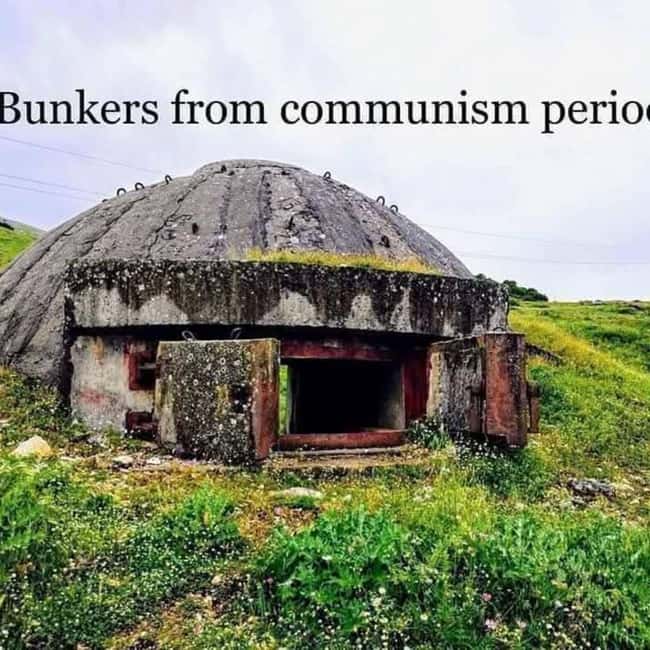
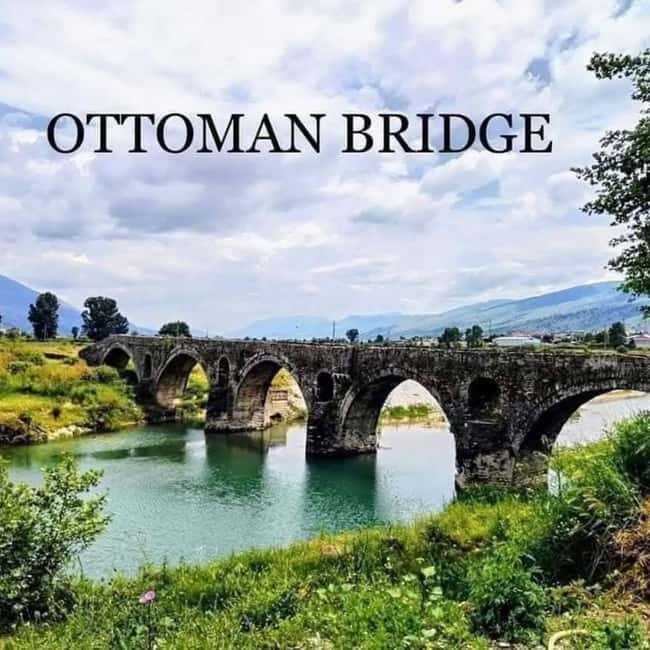
The next section of the route adds two short history stops: an Ottoman bridge and the bunkers left from Albania’s communist period. The itinerary identifies the bridge as Ura e Kordhocës, reached after about 40 minutes in the van, with around 30 minutes to look around.
The bridge offers a chance to see practical Ottoman engineering in the countryside. It is not treated like a major museum, and there is no entrance fee. The appeal comes from the stonework, the setting, and the contrast with the modern road network around it.
The bunkers nearby bring the country’s more recent past into view. Albania’s communist government built large numbers of concrete bunkers, and these remains are a blunt reminder of the isolation and military fear that shaped daily life. The stop is brief, but it prevents the tour from presenting Albania as only castles, churches, and pretty views.
This is one reason I like the itinerary. You get both grand monuments and ordinary traces of political history. The guide’s explanation matters here, since the meaning of a bunker is easy to miss if you treat it as just another concrete object beside the road.
Three hours in Gjirokaster, the day’s main event
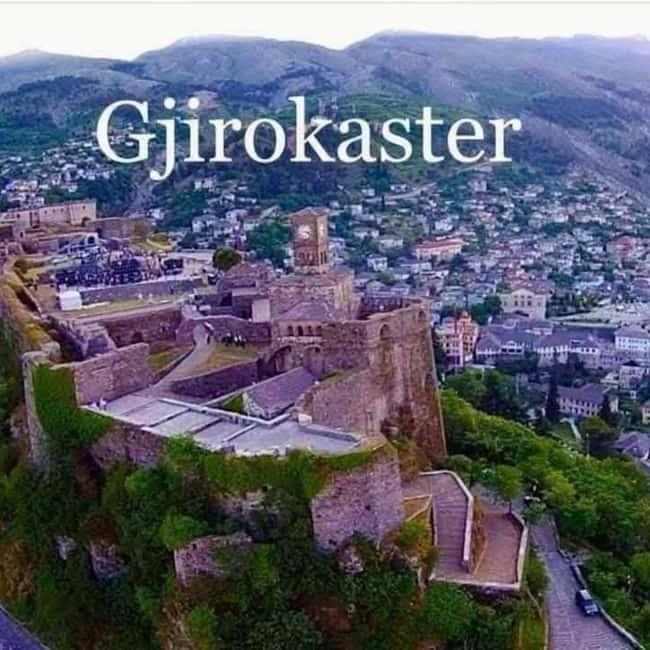
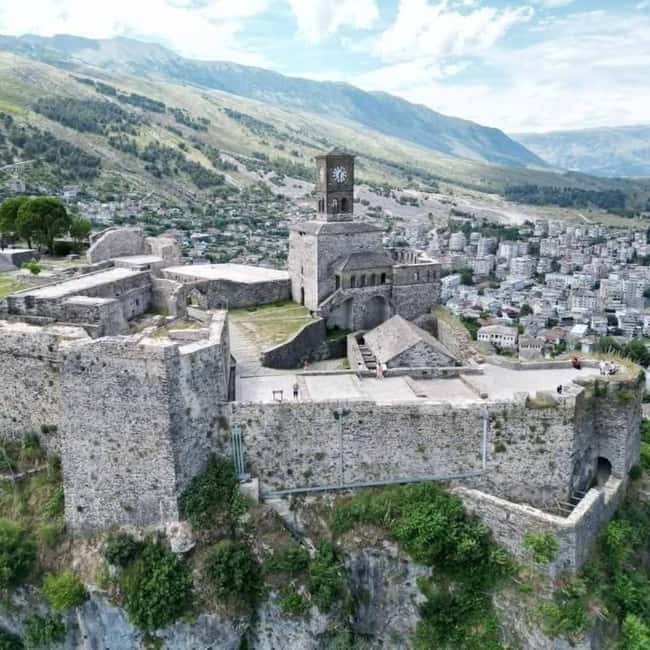
The final major stop is Gjirokaster, about 10 minutes after the bridge. You have three hours to explore before the return journey to Saranda, which takes about 50 minutes.
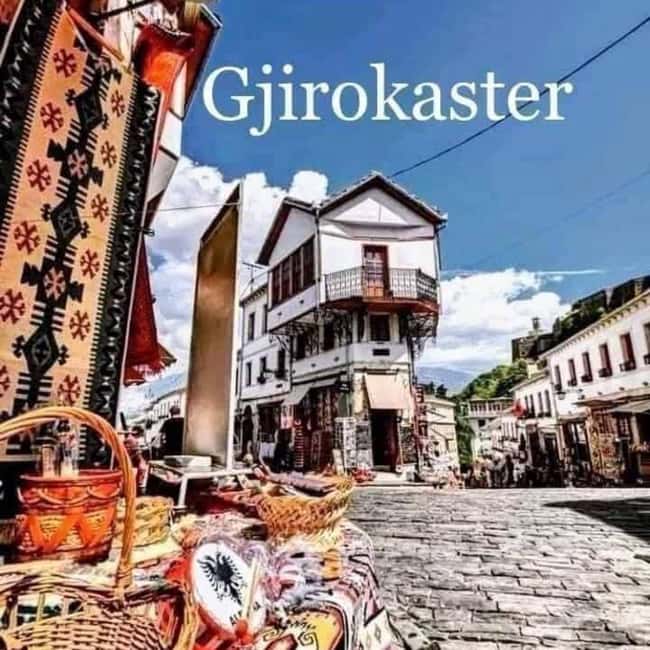
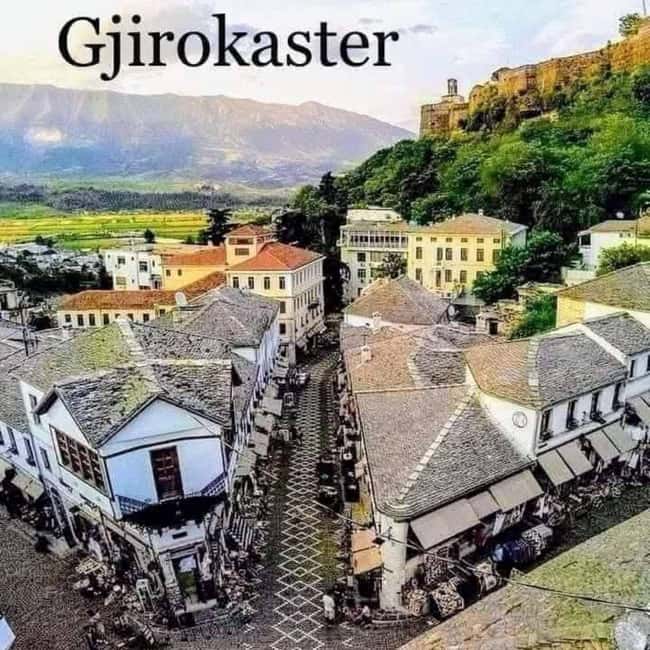
Gjirokaster is a UNESCO World Heritage Site known for its stone houses, steep cobbled streets, Ottoman-era buildings, old bazaar, and imposing castle. The houses look like small fortresses, with heavy stone construction and roofs that suit the mountain setting. The streets can be slanted and uneven, so supportive footwear is not optional decoration.
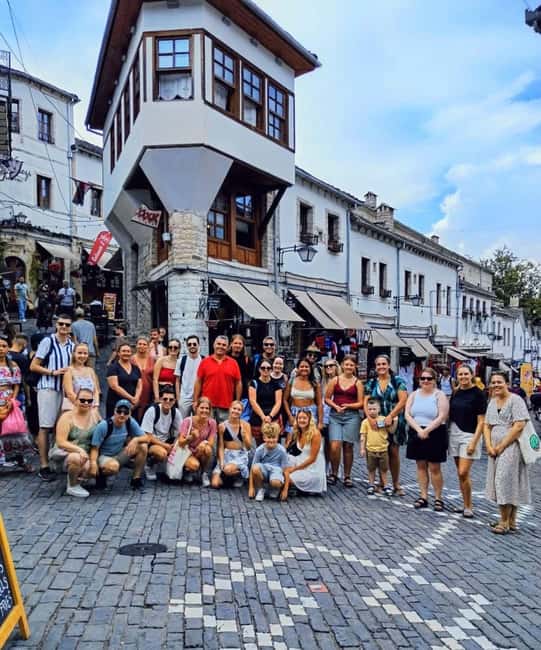
Three hours gives you useful freedom. You can follow the guide for an introduction, then spend time independently in the old town. You might visit the castle, walk toward the bazaar, take photographs from the upper streets, and stop for lunch or a traditional dessert.
Food is not included, but the guide can point you toward local dishes and restaurants. Specific suggestions mentioned during the day have included traditional Albanian menus and oshaf, a local dessert. You should treat the food stop as your own expense and allow enough time so you do not spend the entire Gjirokaster visit at a table.
Gjirokaster is also where the tour feels least rushed. Lekursi Castle gives you a view, Blue Eye gives you nature, but Gjirokaster gives you a town to walk through and remember. If you can extend your stay in the area, the guide may offer practical advice about reaching a hotel or bus station. Some passengers have also arranged to finish in Gjirokaster rather than return to Saranda, but confirm this directly before relying on it.
The only limitation is that three hours cannot cover every corner of town. If you want a detailed museum visit, a long meal, extensive shopping, and the castle all at once, you will need to choose carefully. The tour gives you a good first look, not a full Gjirokaster residency.
What the Mercedes minivan changes
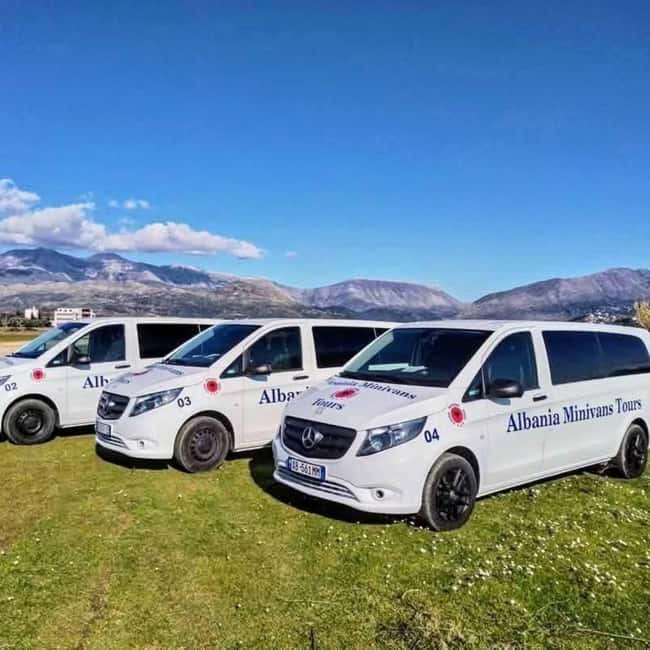
Transport can make or break a long day. This tour uses a new, air-conditioned Mercedes Vito Tourer minivan rather than a large coach. The vehicle is fully insured and set up for groups of one to eight people.
That means easier conversation, quicker loading at stops, and a more personal feel. Several passengers singled out the comfortable seats and the amount of space. The road time is broken into sections of about 10, 20, 20, 40, 10, and 50 minutes, so you are rarely trapped in the vehicle for an extreme stretch before the next stop.
The small vehicle is not a guarantee of a private tour. During busy periods, the company may operate several minivans, with a main guide coordinating the day. Still, the format is more intimate than a full-size coach.
Smoking, food, and drinks are not allowed inside the vehicle. Bring a water bottle for the stops, but plan to drink it outside. The tour begins at Guma Bar Restaurant, where you should look for the branded Albania Minivan Tours vehicles, and ends at Parku Miqësia.
The guide can shape the whole day
The written plan is solid, but the guide is what connects the pieces. Ilir is frequently named as the guide, and his style appears to combine clear explanations with plenty of conversation. He discusses Albanian history, the communist period, regional differences, local food, recent events, and everyday life.
That range is useful. You do not just hear dates at the castle and then sit quietly until Blue Eye. You can ask why Albania’s communities developed differently, what communism changed, or where to eat next. Ilir has also been praised for taking photographs, recommending restaurants, playing Albanian music, and helping with onward travel questions.
Driving is another important part of the job on a nine-hour road trip. The guide is repeatedly described as careful, friendly, and attentive to comfort. That does not remove the normal demands of a full-day excursion, but it helps make the long route manageable.
English is the stated tour language. A French-speaking couple found the explanations easy to follow, but your experience will depend on your own comfort with spoken English.
Who should book this day trip?
I would choose this tour if you are staying in Saranda and want to see inland Albania without renting a car. It suits first-time visitors, solo travelers who prefer company, couples, and small groups that want history, scenery, and food suggestions in one day.
It is particularly useful if you have only a short stay. You can see the coast from above, a medieval monastery, the Blue Eye spring, Ottoman architecture, communist remains, and Gjirokaster without organizing separate transport.
I would hesitate if you want a slow day, a long hike, or a wheelchair-accessible route. The tour is also not listed as suitable for pregnant women. The walking surfaces around Blue Eye and Gjirokaster make comfortable shoes essential.
Pack a hat, sunscreen, water, and a camera. Bring some money for the 50-cent Blue Eye ticket and lunch. Since the day lasts from 8:50 to 18:00, keep your plans afterward flexible.
Should you book it?
Book this tour if you want the best broad introduction to southern Albania for $47, especially without a car. The combination of Gjirokaster, Blue Eye, Lekursi Castle, Mesopotam Monastery, the Ottoman Bridge, and communist bunkers gives you far more range than a simple castle or nature outing.
Skip it only if you dislike structured days or prefer to spend an entire day in one place. For most visitors based in Saranda, the comfortable minivan, small group, strong guiding, and three hours in Gjirokaster make this one of the more useful day trips in the region.
FAQ
How long is the Saranda tour?
The tour lasts nine hours, departing at 8:50 and returning at about 18:00.
Where does the tour start?
The meeting point is Guma Bar Restaurant in Saranda. Look for the branded Albania Minivan Tours minivans.
Where does the tour finish?
The scheduled finish is Parku Miqësia.
How many people can join the tour?
The tour is a small-group experience limited to eight participants. During busy periods, the provider may use several minivans.
Is the Blue Eye entrance included?
No. The Blue Eye ticket costs 50 cents and is paid separately.
Is food included?
No. Lunch and other food are not included. You can use your free time in Gjirokaster to choose and pay for your own meal.
What should I bring?
Bring comfortable shoes, a hat, sunscreen, water, and a camera. Smoking, food, and drinks are not allowed inside the vehicle.
Just added around Saranda
- Saranda 1-Day: Butrint, Ksamil, Blue Eye & Lekuresi Castle★ 5.0 · 21 reviews
- Saranda: Butrint, Blue Eye, Ksamil and Lekuresi Castle Tour★ 4.5 · 141 reviews
- Saranda: Butrint, Ksamil, Blue Eye and Lekuresi Castle Tour★ 4.1 · 48 reviews
- From Sarandë: The Blue Eye and Lekuresi Castle★ 4.1 · 29 reviews
- Exclusive Tour: Butrint UNESCO Site-Blue Eye-Lekuresi Castle★ 4.8 · 25 reviews
- Blue Eye Magic & Castle Views – Saranda Adventure Tour★ 3.0 · 2 reviews
- Lekuresi Castle-Ksamil-Butrint★ 4.2 · 17 reviews
- 1-Day Tour in Blue Eye, Monastery, Gjirokaster and Lekursi Castle★ 5.0 · 76 reviews
Saranda Castle Tours, compared.
Sarande: Blue Eye Spring and Lekursi Castle Sunset Tour
Read our review →
Daily Trip To:Blue Eye,Monastery,Gjirokaster&Lekursi Castle
Read our review →
Best of Saranda: Blue Eye, Butrint, Ksamil & Lekuresi Castle
Read our review →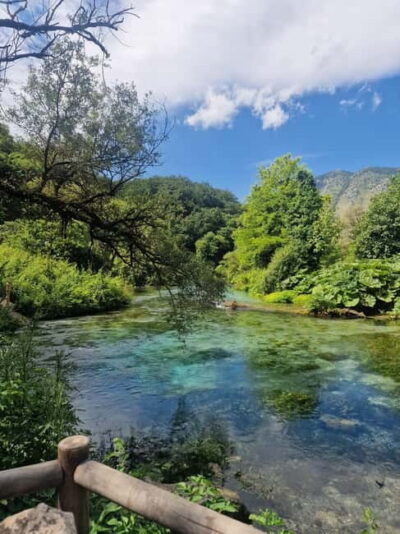
Sarande: Blue Eye Kayak and walking tour & Lekursi Castle
Read our review →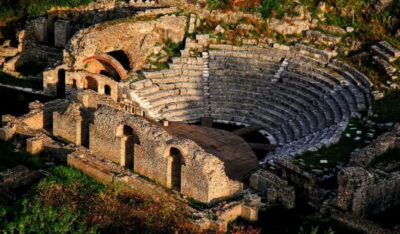
Butrint, Blue Eye, Ksamil and Lekuresi Castle Tour
Read our review →
1-Day Tour in Blue Eye, Monastery, Gjirokaster and Lekursi Castle
Read our review →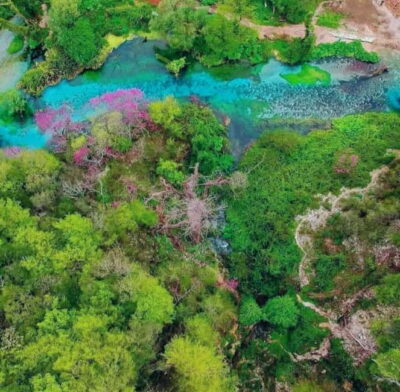
Butrint, Ksamil, Blue Eye and Lekuresi Castle Tour
Read our review →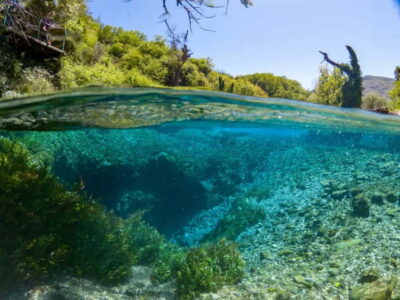
Browse the lists this tour appears in