
Review · SWITZERLAND
Prangins, Lake Geneva: Château de Prangins Entry Ticket
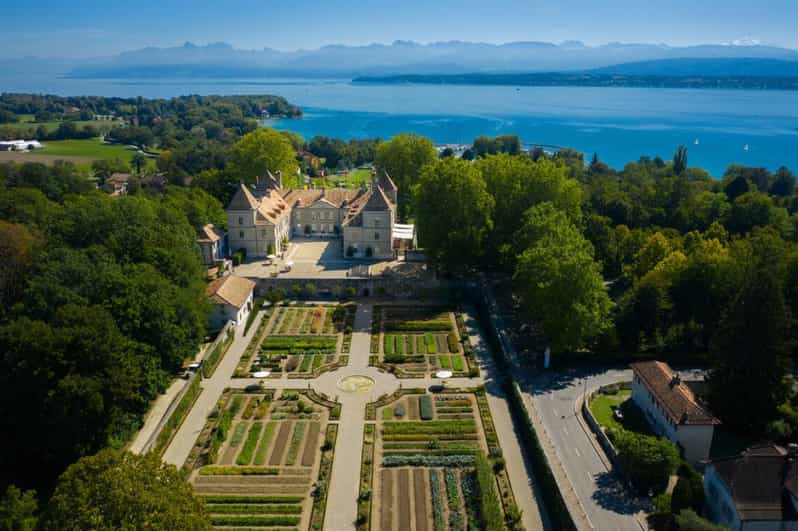
History feels close here. Château de Prangins gives you a thoughtful look at Swiss life inside the country’s largest 18th-century castle open to the public. I like the period reception rooms of Louis-François Guiguer, Baron of Prangins, and I like the five-hectare estate, especially its huge historical kitchen garden. The main drawback is that some theatrical audio may be difficult to understand, and the mobility information is not entirely clear.
This is not just a quick castle photo stop. You can explore three floors, the cellars, permanent exhibitions, temporary displays, the park, a meadow-cum-orchard, and the gardens at your own pace. At $17 per person, the ticket offers good value if you allow enough time to see both the museum and the grounds.
Key points to know before you go
- Largest 18th-century castle open to the public in Switzerland: The scale gives the museum room for historical rooms, exhibitions, cellars, and family-friendly outdoor areas.
- Swiss National Museum in French-speaking Switzerland: The château opened as a branch of the Swiss National Museum in 1998.
- Three floors plus cellars: Plan for more than a fast walk through the reception rooms.
- Five-hectare estate: The visit continues outdoors with a park, meadow-cum-orchard, and the country’s largest historical kitchen garden.
- Period rooms and Noblesse Oblige!: The Baron of Prangins’ reception rooms help put 18th-century life into a setting you can see.
- One ticket, several museum possibilities: Your admission is also valid for the National Museum Zurich and the Forum of Swiss History Schwyz.
Why Château de Prangins is worth the trip
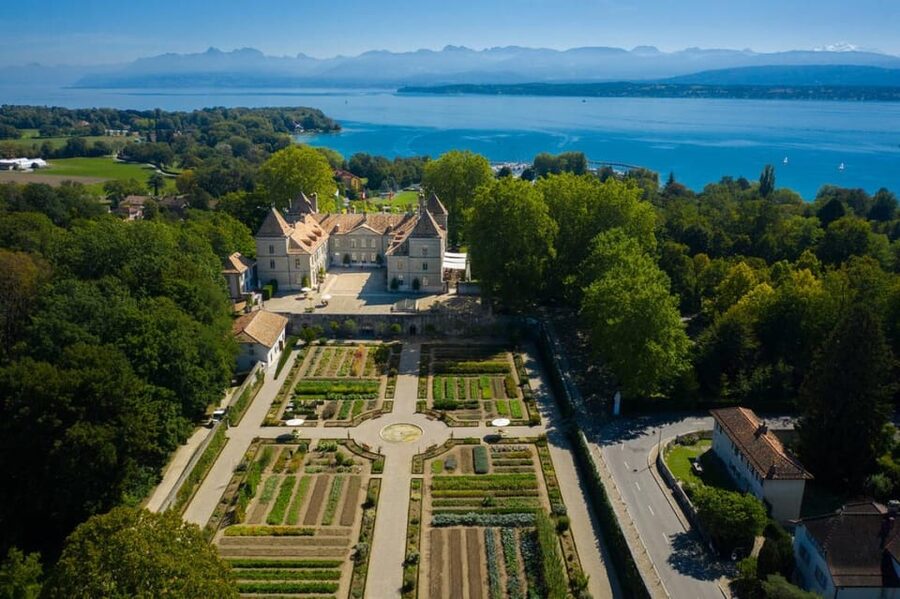
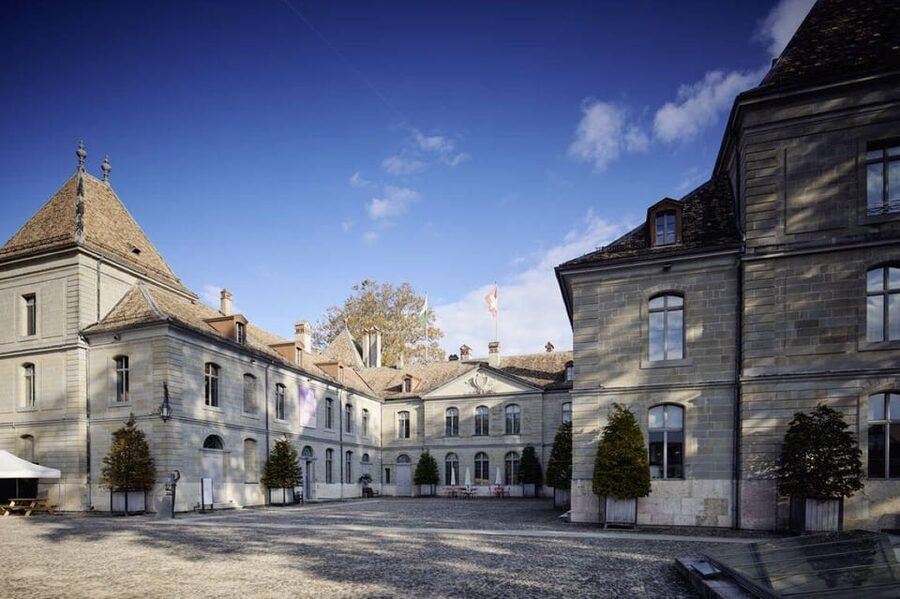
Château de Prangins sits in Vaud, between Lausanne and Geneva. That makes it useful for a day built around Lake Geneva, particularly if you want a break from city museums and lakeside views.
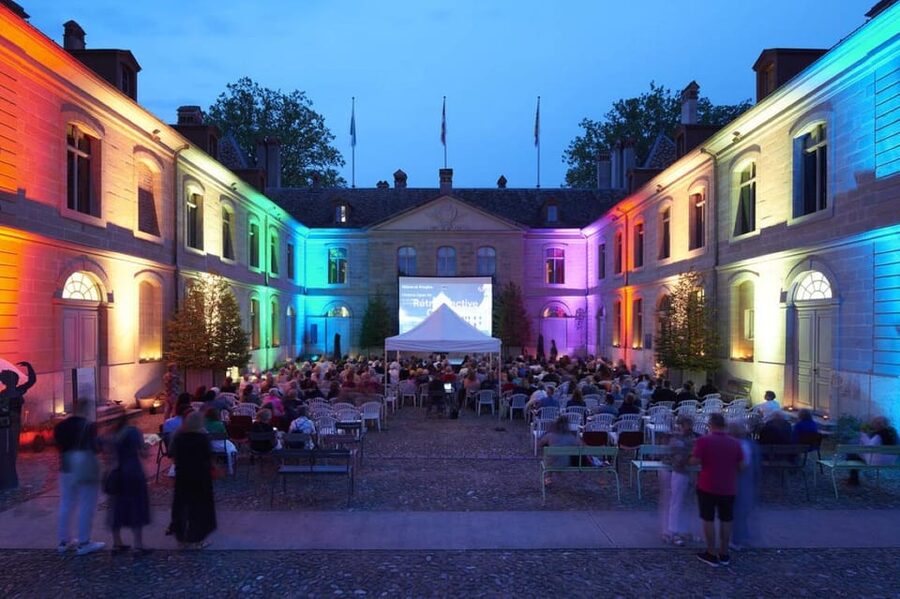
The setting gives the visit two different moods. Indoors, you move through a formal historic building with exhibitions about Swiss history, identity, and culture. Outdoors, the estate opens into lawns, a meadow-cum-orchard, and a working historical kitchen garden. You get architecture and open space in the same admission.
I like this combination because the castle does not ask you to admire only grand rooms. It also shows the practical side of an 18th-century estate. A kitchen garden tells you about food, work, cultivation, and household organization in a way that a polished reception room cannot.
The museum is also the Swiss National Museum’s presence in French-speaking Switzerland. That matters if you want a wider view of the country rather than a display focused only on one local family or one château. The permanent and temporary exhibitions connect the building to larger questions about Swiss culture and national identity.
More Castle Entry Tickets in Switzerland:
- Chillon Castle Entrance Ticket in Montreux
★ 4.5 · 311 reviews - Montreux: Chateau Chillon Entrance Ticket
★ 4.7 · 158 reviews - Interlaken: Lake Thun Castles Tour with Entry Tickets
★ 5.0 · 2 reviews
Entering the castle and finding your bearings
Your visit begins at the museum’s main entrance. Present your voucher there, then use the ticket to explore the château and its grounds during the valid day.
The building is a monument of national importance, so the structure itself is part of the experience. The visit is spread across three floors and the cellars. That layout gives the museum room to move from grand rooms to broader historical displays, rather than squeezing everything into a single corridor.
I suggest starting indoors before walking through the estate. The exhibitions give you a useful framework for what you later see outside. If you begin with the gardens, the details of the building and its displays may feel less connected.
Allow time for stairs, changes of pace, and reading. The ticket is valid for one day, but the activity does not provide a fixed tour duration or a guided schedule. You can set your own rhythm, which is handy if you are combining the château with other stops around Lake Geneva.
The Baron’s reception rooms and 18th-century life
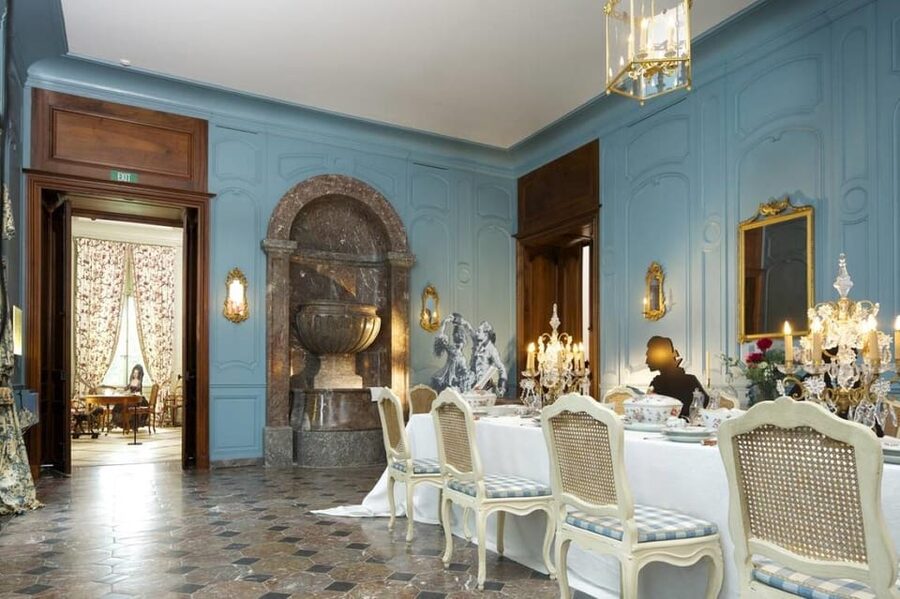
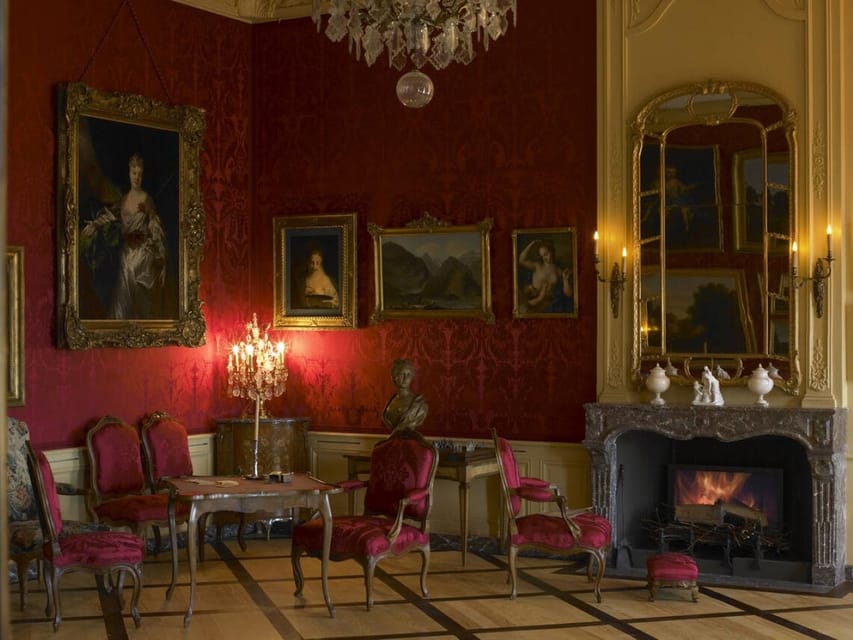
The reception rooms of Louis-François Guiguer, Baron of Prangins, are among the clearest reasons to visit. These rooms give you a sense of how an 18th-century château functioned as a home, a social setting, and a statement of status.
The exhibition Noblesse Oblige! Life at a Château in the 18th Century* adds context to these rooms. Instead of seeing decoration as mere background, you can consider how rooms were used and what they said about the people who lived there.
I like period interiors best when they help explain daily life, and that is the strength of this section. You are not simply looking at old walls. You are seeing the public-facing side of an aristocratic household, where reception rooms mattered because social rank was performed through space, manners, and ceremony.
One practical point: this part may appeal most to visitors who enjoy architecture, furnishings, and social history. If you prefer fast-moving exhibits, the formal rooms may feel quieter than the temporary displays. Give them time, though. Their value comes from looking carefully rather than rushing through for a single photograph.
Permanent and temporary exhibitions across three floors
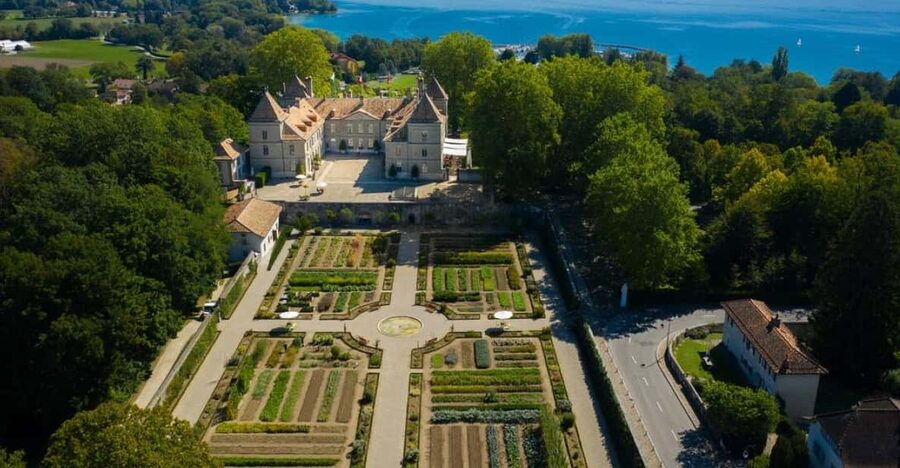
The château’s exhibitions cover Swiss history, identity, and culture. The permanent displays give the museum a steady core, while temporary exhibitions add a reason to return.
Because the museum occupies three floors and the cellars, you should expect a visit with several sections rather than one compact display. The building creates a natural sequence, but the experience is still best treated as a museum visit, not a quick castle tour.
The permanent exhibitions are useful if you want national context. Switzerland can sometimes seem like a collection of separate regions, languages, and traditions. Displays focused on identity and culture help you consider how those parts fit together.
The temporary exhibitions may be the most changeable part of the experience. Their exact subjects can vary, so check what is on during your visit if you have a particular interest. The ticket includes access to both permanent and temporary displays, which improves the value of the $17 admission.
One caution concerns the theatrical material. A French visitor found the sound in one theatrical piece poor enough that important parts were hard to understand, even with only two people present. I would treat that as a useful warning: do not base your whole visit on one audio or stage element. The castle rooms, exhibitions, and grounds provide plenty to see if the sound quality is not ideal.
A few more castle visits around Switzerland worth a look
- Day Trip to Montreux, Chaplin’s World & Chillon Castle& apéritif
★ 4.5 · 178 reviews - Lucerne CH Experience: Cheese, Chocolate, Chapel Bridge & Château
★ 4.5 · 155 reviews - Geneva: Montreux, Chaplin’s World, Chillon Castle & Apéritif
★ 4.5 · 151 reviews - Lucerne CH Tour: Cheese, Chocolate, Chapel Bridge & Chateau
★ 4.7 · 99 reviews
The kitchen garden is not an afterthought
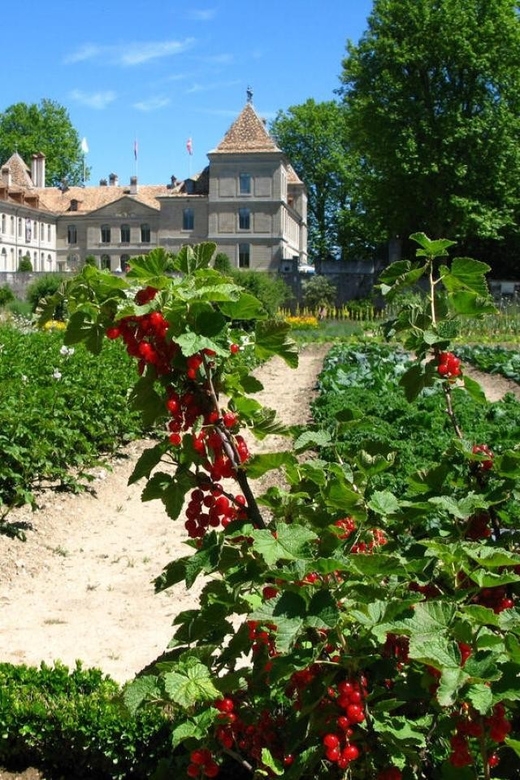
The historical kitchen garden is one of the most distinctive parts of the estate. It is described as the largest historical kitchen garden in Switzerland, and it gives the visit a practical connection to the château’s past.
A formal room shows how people presented themselves. A kitchen garden shows how an estate supported daily life. Plants, food, labor, and seasonal planning all belong to the story. That makes the garden especially worthwhile for you if you enjoy historic gardens, horticulture, or the less polished side of palace life.
The outdoor grounds also include a park and a meadow-cum-orchard. Together, these areas make the visit feel broader than a standard museum admission. You can shift from close attention in the galleries to a slower walk outside.
Respect the garden rules. Flash photography is not allowed, and you must not touch the plants. Those restrictions protect both the museum experience and the garden itself. Bring your camera, but use it carefully and keep your hands off the growing displays.
The estate can also help break up a museum visit for families. Children who tire of interiors may have more patience once you reach the outdoor areas. Still, the ticket is centered on history and culture, so it is best for families who are happy to mix garden time with museum exhibits.
What $17 gets you
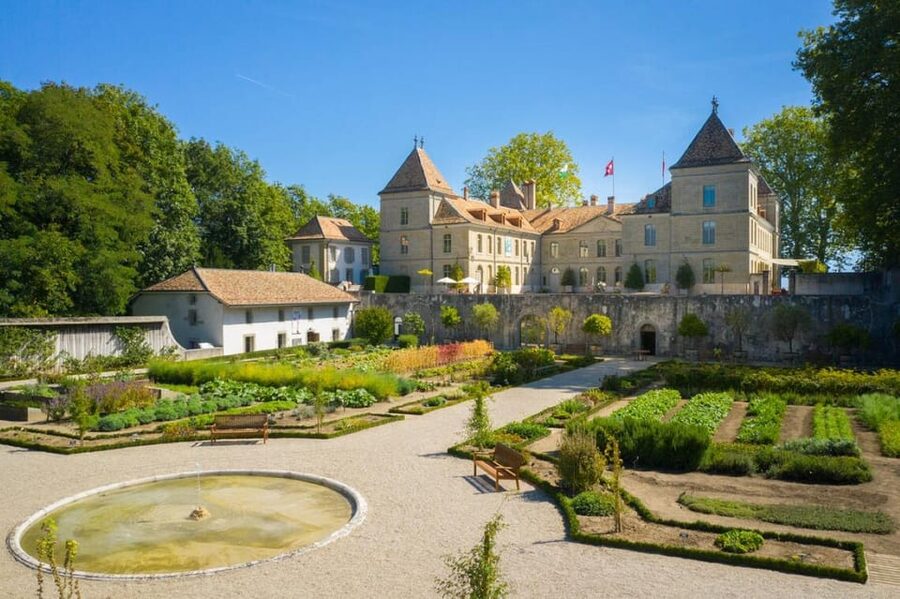
At $17 per person, the ticket is reasonably priced for a full-day admission. You receive access to the château, permanent exhibitions, temporary exhibitions, and the entire estate, including the historical kitchen garden.
The value improves if you use the ticket as part of a larger Swiss museum plan. Admission is also valid for the National Museum Zurich and the Forum of Swiss History Schwyz. Those museums are in different parts of the country, so this is not an immediate same-day bonus for most people visiting Prangins. It is still useful if your itinerary includes those places later.
The main question is time. If you only have a short window and plan to see one reception room before leaving, $17 may feel less compelling. If you can explore the indoor displays and walk through the estate, the admission becomes much easier to justify.
There is no need to pay for a more elaborate package to see the core experience. The entry ticket already includes the key parts of the museum visit. I would choose it for a flexible day rather than for a tightly timed stop between several other attractions.
Who will enjoy this visit most
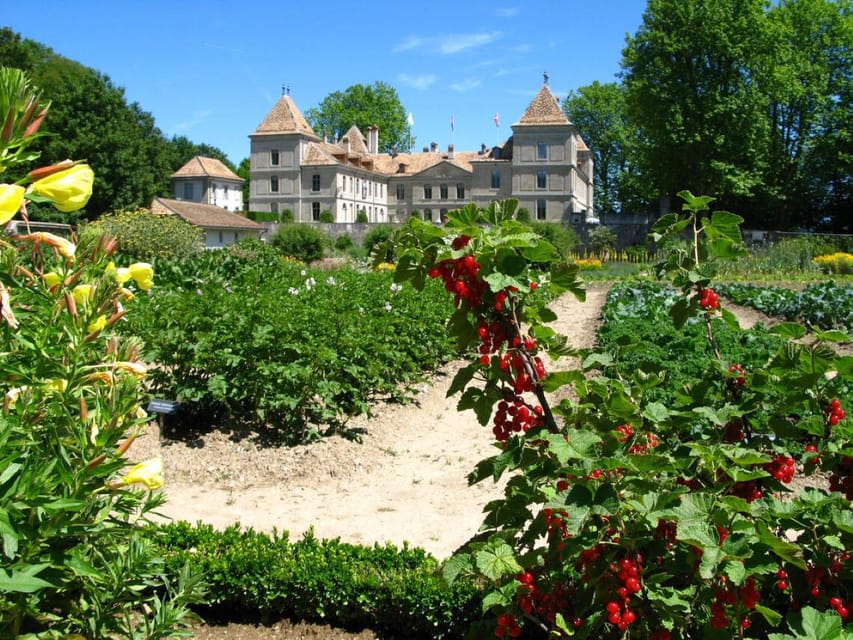
I recommend Château de Prangins to you if you enjoy:
- 18th-century architecture and furnished rooms
- Swiss history, identity, and culture
- Historic gardens and estate planning
- Museums with both indoor and outdoor sections
- Quiet, self-paced sightseeing
- A Lake Geneva day trip between Lausanne and Geneva
It is also a good choice if you want something more substantial than a photo stop. The three floors, cellars, exhibitions, and estate give you several ways to spend the day.
You may want to reconsider if you dislike reading-based museums or have no time for the grounds. The visit works best when you can slow down. Also, if you need fully accessible movement throughout the site, check directly before booking. The activity information describes the museum as wheelchair accessible, but it also says it is not suitable for people with mobility impairments or wheelchair users. That contradiction deserves clarification before you commit.
Practical advice for planning your visit
The ticket is valid for one day, and you should check availability for the starting times shown when you book. The experience does not set out a fixed length, so your available time will shape the visit.
Book with flexibility if your schedule around Lake Geneva may change. Free cancellation is available up to 24 hours in advance for a full refund, and the reserve-now, pay-later option lets you hold a place without paying immediately.
At the entrance, go to the museum’s main door and show your voucher. Keep the visit simple: start with the castle interiors, continue through the permanent and temporary exhibitions, then finish with the garden and wider estate if the weather is suitable.
Do not use flash photography. Do not touch the plants. These are small rules, but they matter in a historic building and a living garden.
The experience provider is the Swiss National Museum. That is useful context when you are deciding between a small private château visit and a museum with a broader national focus. Here, the building is the setting, but the exhibits connect it to Switzerland as a whole.
Should you book Château de Prangins?
Book it if you want a calm, substantial museum stop with period rooms, Swiss cultural displays, and an unusually large historic garden. I especially like it for a flexible day between Lausanne and Geneva, when you have enough time to enjoy the five-hectare estate instead of racing through the house.
The $17 price is fair because it covers the castle, all current exhibitions, and the grounds. The extra museum validity for Zurich and Schwyz adds value for a wider Swiss itinerary.
I would skip it only if your schedule allows a very short visit, if you want a guided tour with a fixed timetable, or if mobility access is essential and you have not confirmed the conditions. For most history-minded visitors, the combination of reception rooms, national museum displays, and the kitchen garden makes this one of the more worthwhile cultural stops around Lake Geneva.
FAQ
Where is Château de Prangins located?
Château de Prangins is in Vaud, Switzerland, between Lausanne and Geneva.
How much does the entry ticket cost?
The listed price is $17 per person.
How long is the ticket valid?
The ticket is valid for one day.
What does admission include?
Admission includes entry to Château de Prangins, the permanent and temporary exhibitions, and the historical kitchen garden. The ticket is also valid for the National Museum Zurich and the Forum of Swiss History Schwyz.
What can I see inside the château?
You can explore three floors and the cellars, view exhibitions about Swiss history, identity, and culture, and visit the reception rooms of Louis-François Guiguer, Baron of Prangins.
Can I visit the gardens?
Yes. The estate includes a park, a meadow-cum-orchard, and the largest historical kitchen garden in Switzerland.
Is the ticket refundable if my plans change?
You can cancel up to 24 hours in advance for a full refund. A reserve-now, pay-later option is also available.
Just added around Switzerland
- Gruyères Castle, Cheese, and Chocolate Private Tour from Basel★ 4.0 · 2 reviews
- Lucerne CH Tour: Cheese, Chocolate, Chapel Bridge & Chateau★ 4.7 · 99 reviews
- Interlaken: Lake Thun Castles Tour with Entry Tickets★ 5.0 · 2 reviews
- Geneva guided tour: capital of peace with the UN★ 5.0 · 5 reviews
- Geneva: Montreux, Chaplin’s World, Chillon Castle & Apéritif★ 4.5 · 151 reviews
- Geneva Countryside And Art Museum At A Castle Wine By E-Bike★ 3.8 · 16 reviews
- From Lausanne: Montreux, Chaplin, and Chillon Castle Tour★ 4.7 · 43 reviews
- From Geneva: Gruyeres Castle, Cheese, Chocolate & Montreux★ 5.0 · 5 reviews
Castle Entry Tickets, compared.
Edinburgh Castle: Guided Walking Tour with Entry Ticket
Read our review →
Castle Tour with Local Guide and Entry Ticket
Read our review →
Prague Castle 2.5-Hour Tour Including Admission Ticket
Read our review →
Edinburgh Castle: Guided Walking Tour with Entry Ticket
Read our review →
Prague Castle and Lobkowicz Palace Entry Tickets
Read our review →
Alcázar and Cathedral Entry Ticket and Guided Tour
Read our review →Browse the lists this tour appears in