

Review · UK
Kenilworth Castle and Elizabethan Garden Entry Ticket
A castle built for royal theater. Kenilworth Castle pairs a beautiful Elizabethan garden with the massive medieval keep, giving you both polished Tudor ambition and rugged ruins in one visit. I especially like the marble fountain, the bear and ragged staff emblem, and the high views across the site.
I also like the family-friendly displays, where children can handle replica trebuchet balls and try on period clothing. The main drawback is value: admission costs $19 per person, parking costs extra, and some visitors have found the food expensive unless they bring their own picnic.
Key points to know before you go
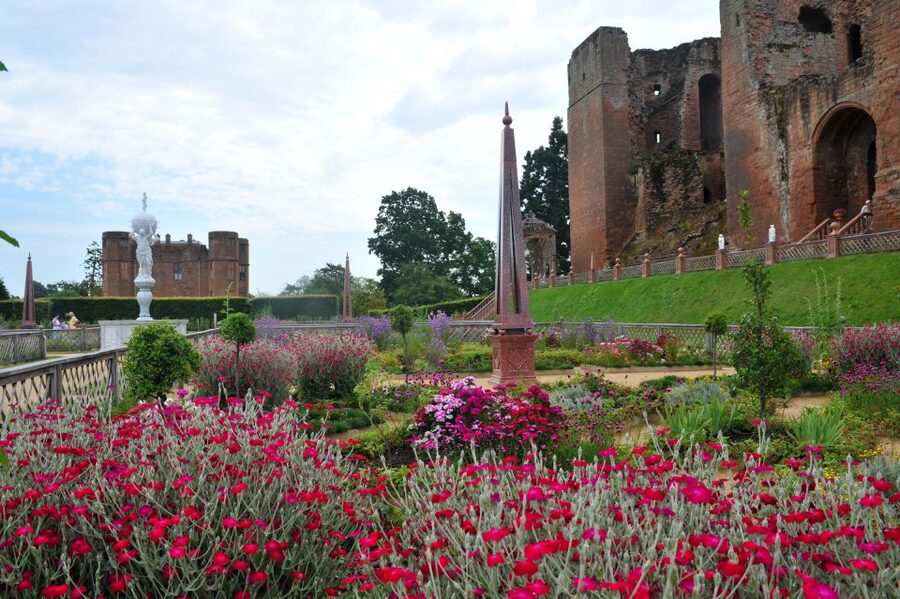
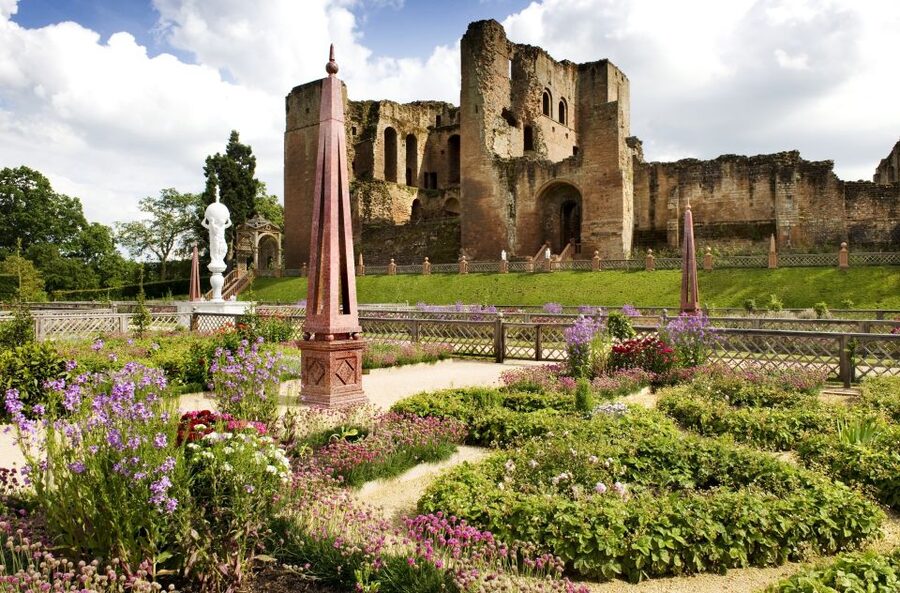
- The Elizabethan garden is the star: See the marble fountain, ornate aviary, formal pathways, and Robert Dudley’s bear and ragged staff emblem.
- The castle keep rewards climbing: Its upper levels provide broad views of the castle grounds and surrounding countryside.
- Tudor romance shapes the visit: Exhibits explain the relationship between Elizabeth I and Robert Dudley, Earl of Leicester.
- Families get plenty to do: Children can dress up, handle trebuchet balls, and explore interactive displays in the Tudor stables.
- Two hours is a useful minimum: You can see the main highlights in that time, but a longer visit allows room for the tearoom, picnic areas, and slower exploration.
- Check the final entry time: You must exchange your voucher at the ticket office at least two hours before closing.
Why Kenilworth feels different from a standard castle visit
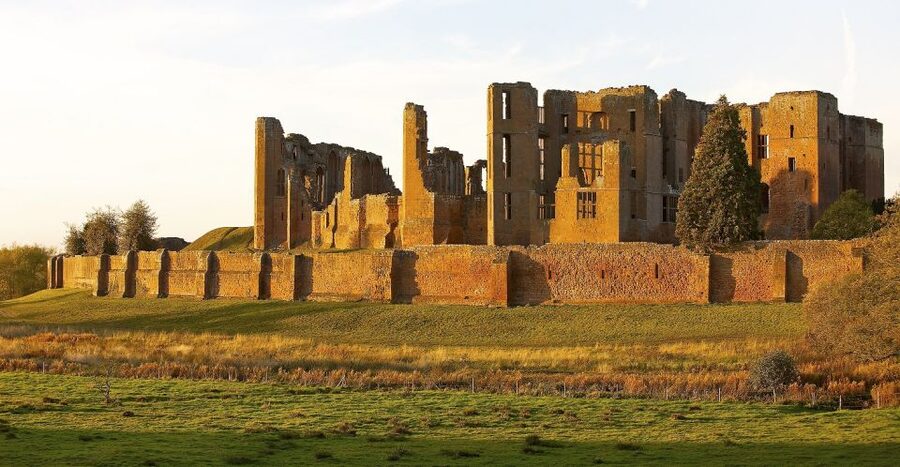
Kenilworth is not simply a shell of stone walls. It gives you two very different experiences side by side.
The medieval castle shows military power, defense, and long centuries of change. The Elizabethan garden shows something softer but just as political: wealth, display, romance, and the desire to impress a queen.
That contrast makes the site easy to understand. You can look at the huge keep and imagine soldiers, prisoners, and castle life. Then you walk into the garden and picture Robert Dudley preparing a grand setting for Elizabeth I.
I like this mix because it keeps the visit from becoming a march through identical ruins. One moment you are studying thick defensive walls. The next, you are following formal paths around a fountain designed to create spectacle.
The visit is also well suited to different ages. History fans can focus on the Tudor court and the castle’s 900-year development. Children have hands-on displays and open grassy areas. Adults who simply want a pleasant afternoon get gardens, views, cakes, and a cream tea or light lunch at the Stables Tearoom.
More Castle Entry Tickets in the UK
- Edinburgh Castle: Guided Walking Tour with Entry Ticket
★ 4.7 · 11,699 reviews - Windsor Castle Admission Ticket
★ 4.7 · 7,032 reviews - Edinburgh Castle: Guided Walking Tour with Entry Ticket
★ 5.0 · 5,540 reviews
The Elizabethan Garden and Robert Dudley’s grand ambition
Start with the Elizabethan garden. This is the part of Kenilworth that turns a ruined castle into a story about courtly display.
The pathways lead you through a carefully arranged space with a marble fountain, an ornate aviary, and the emblem of the bear and ragged staff. These details matter because they show how Robert Dudley used architecture and gardens to project status.
Dudley was not just a nobleman with a large house. He was an ambitious courtier trying to impress Elizabeth I. The garden helps you understand the scale of that effort better than a written description alone.
I like the way the garden gives you a sense of movement. You do not view it from one fixed point. You follow the paths, notice the decorative features, and gradually imagine how the setting would have worked during a royal visit.
The Elizabethan bedroom adds another layer. It helps connect the grand outdoor setting with the private world of court life. Nearby, the Oak Room contains an ornate alabaster fireplace that once stood in Elizabeth I’s private rooms.
That fireplace is one of the most useful details for picturing the past. A broad ruin can feel distant and abstract. A carved fireplace from a queen’s rooms feels personal. It gives you a small, tangible link to the people who once used these spaces.
The garden also works well for visitors who are not castle experts. You do not need to know every Tudor name before arriving. The displays and setting make the basic story clear: Kenilworth was built to impress, and Elizabeth’s visit was part of that drama.
The castle keep, ruins, and high views
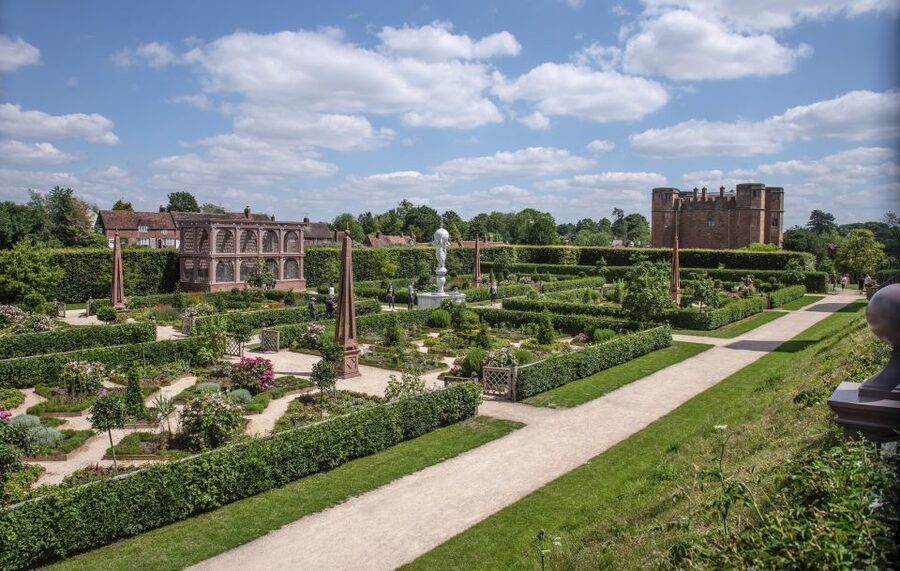
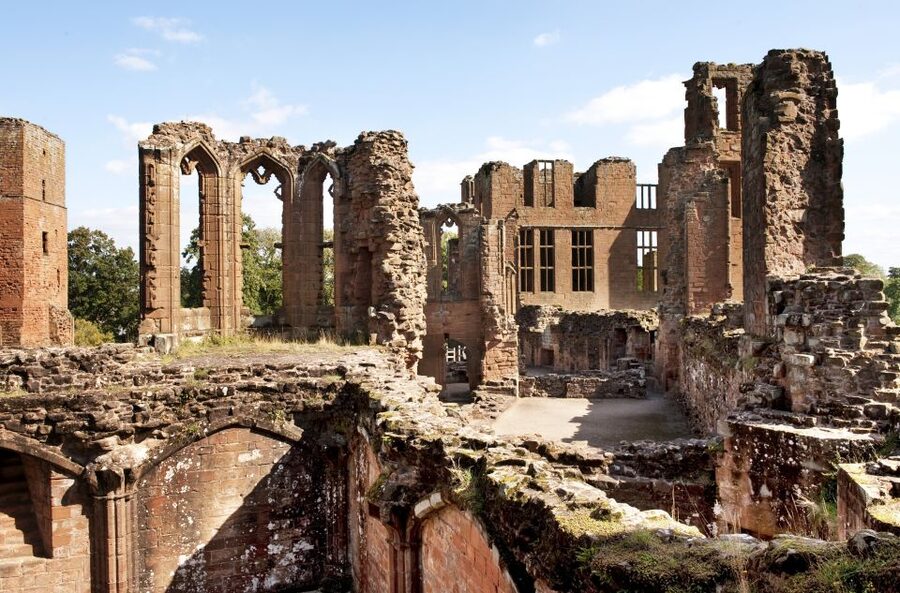
The mighty castle keep is the heart of the medieval visit. It shaped castle life for 500 years, and its size helps explain why Kenilworth was such an important stronghold.
Expect uneven surfaces, stairways, and plenty of climbing. That physical effort is part of the appeal, but it also affects how you plan your visit. If you have limited mobility or simply dislike steep climbs, you may spend more time at the lower levels and in the garden.
For those who can climb, the upper areas are worth the work. From the castle, you get views over the site and the surrounding countryside. One visitor particularly praised the preservation of the buildings, the access to the rooms, and the views from above.
I like that the keep is not presented as a flat museum piece. You move through it. You look up at the stonework, pass through rooms, and see how the scale changes as you climb.
The ruins are especially atmospheric in poor weather. Rain can make the stone look dramatic and may leave parts of the site unusually quiet. That said, wet conditions also make steps and paths less comfortable, so sturdy shoes and a waterproof jacket are sensible choices.
Do not rush the ruined sections. The most rewarding details may be small: a surviving fireplace, the thickness of a wall, or the way a window frames the countryside. The castle’s size gives you the headline, but these smaller features help you understand how people lived and worked inside it.
The Tudor stables bring 900 years of change together
The Tudor stables house an interactive exhibition about Kenilworth’s long development. This is one of the best places to begin if you want a clear introduction before exploring the larger ruins.
The exhibition shows how the castle changed across 900 years. That long time span can be hard to grasp while walking among walls, but the displays give the site a useful sequence.
Families should make a point of visiting here. Children can try on dress-up clothing and see or touch the large trebuchet balls used against Kenilworth Castle 800 years ago.
Those objects make medieval warfare easier to understand. A textbook can tell you that siege machines attacked a castle. Handling one of the stones gives you a better sense of the weight and force involved.
The family-friendly displays also help prevent the usual castle problem: children losing interest after the first tower. You can use the stables as a break from climbing, then return outside with a clearer idea of what the castle was built to withstand.
The exhibition about Elizabeth I and Robert Dudley is important for adults as well. Their relationship is one of the main reasons Kenilworth is remembered beyond its military story. The displays explain the famous royal romance and Dudley’s position as an ambitious courtier.
I would give this section proper time rather than treating it as a quick stop. It provides the human story behind the garden, the bedroom, and the ornate rooms. Without it, the decorative details can seem disconnected.
More Castle Gardens and Grounds in the UK:
- Hillsborough Castle Gardens Entrance Ticket
★ 4.7 · 47 reviews - Llandudno: Snowdonia Bodnant Gardens & Castles Private Tour
★ 5.0 · 5 reviews - St Patrick’s Centre & Burial Site + Hillsborough Castle & Gardens
★ 5.0 · 2 reviews - Belvoir Castle: Castle, Gardens and Ground Entry
★ 4.0 · 2 reviews
How long you need and how to plan the visit

The stated duration is two hours, and that is a sensible minimum for the main visit. In two hours, you can see the garden, castle keep, stables exhibition, bedroom, Oak Room, and key ruins at a steady pace.
You may need longer if you want to climb slowly, read every display, stop for food, or let children spend time with the interactive elements. The grassy areas and picnic tables also make it easy to turn the visit into a relaxed afternoon rather than a quick history stop.
I would arrive with a simple order in mind:
- Begin at the ticket office and exchange your voucher.
- Visit the Tudor stables exhibition for the basic story.
- Explore the castle keep and climb for the views.
- Walk through the Elizabethan garden.
- Finish with the bedroom, Oak Room, or a stop at the tearoom.
You do not have to follow that sequence. Starting with the garden may suit you if the weather is good. Beginning indoors is more practical on a wet day.
Pay close attention to the entry rule. The last entry time is two hours before closing, and you need to reach the ticket office in time to exchange your voucher. Do not arrive near closing and assume you can walk straight in.
Opening arrangements can change on listed closed dates, so check directly with English Heritage before setting out. This is especially important if your trip depends on a particular day.
Food, picnics, and the real cost of the visit
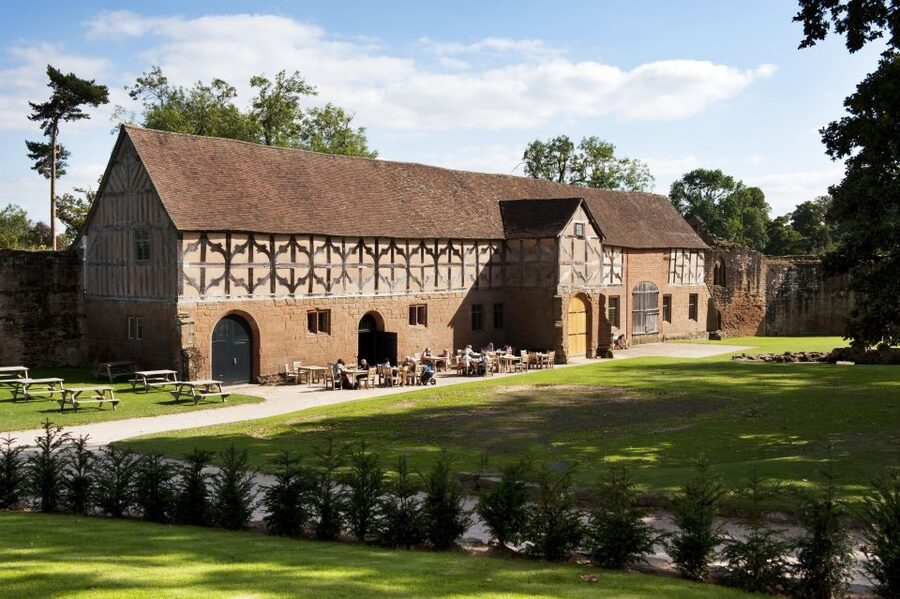
The Stables Tearoom serves cakes and light lunches made with seasonal ingredients from local suppliers. It gives you an easy place to rest after climbing through the keep.
The tearoom is useful, but you should budget carefully. One visitor found the food and snacks expensive, including a small packet of crisps and a small biscuit pack. The same advice applies to drinks and treats: prices can add up quickly for a family.
Picnic tables and grassy areas offer a practical alternative. Bringing your own food makes the visit better value, especially if you are not an English Heritage member. You can still use the tearoom for cake or a light refreshment without making it carry the entire meal budget.
A cream tea can be a pleasant finish after exploring the ruins. It also gives you a comfortable pause before leaving, particularly if the weather has turned damp.
The $19 admission price per person is reasonable if you make good use of the site. You are getting the castle, the keep, the garden, the exhibitions, the historic rooms, and family displays in one ticket.
The value is weaker if you arrive late, skip the garden, or only spend a short time inside. Parking costs extra, and the price can feel higher when you add food and transport.
Families should compare the individual price with the family ticket. The family admission covers two adults and up to three children aged 5 to 17. That can make a noticeable difference for a family group, but remember that it covers only two adults and children within that age range.
Family appeal and who will enjoy Kenilworth most

Kenilworth works particularly well for families with school-age children. There is enough space to move around, and the dress-up clothing, interactive displays, and trebuchet balls give younger visitors something active to do.
It is also a useful place for schoolwork. One family used the site to help with GCSE revision and found the staff supportive when answering questions. That makes Kenilworth a good choice for students who need a historical setting rather than another page of notes.
Adults interested in Tudor politics will get the most from the Elizabethan garden, the royal romance exhibition, and the private rooms. You can connect Elizabeth I’s visit with Dudley’s effort to create a setting worthy of a queen.
Castle enthusiasts will appreciate the medieval architecture and the ability to enter rooms and climb sections of the keep. The preservation of the buildings has been praised, along with the broad views from higher points.
You should think twice if you need a fully gentle, flat visit. Climbing and uneven ground are part of the experience. Also, some buildings may be inaccessible on a particular day, and there may be no ticket discount when that happens.
Practical ticket advice and small annoyances
You exchange your voucher at the Kenilworth Castle and Elizabethan Garden ticket office. Keep the timing rule in mind: the final entry is two hours before closing, not at the closing time itself.
Finding the entrance may require care. An entrance sign has been difficult to see behind shrubbery, and a navigation app once directed a visitor to a nearby location instead of the correct arrival point.
Parking instructions have also caused confusion. A parking meter sign was partly obscured, leading to an extra charge. Read the parking information carefully before paying, and allow a little extra time to get oriented.
Audio guide language options may be limited. One visitor noted that the guide handset was available in only three languages. If you depend on a particular language, check the current arrangement before booking.
The experience allows free cancellation up to 24 hours in advance, and you can reserve now and pay later. Those options are useful when your plans depend on weather or changing schedules.
A small group option is available, but the ticket itself is mainly a self-guided site visit rather than a fixed guided walking tour. You set your own pace, which is helpful when one person wants to read every panel and another wants to reach the next tower.
Is Kenilworth Castle worth booking?
I would book this experience if you want a castle visit with more than stone walls. The garden, Tudor rooms, royal romance displays, and dramatic keep give you several different reasons to stay.
It is especially good for families, Tudor history fans, students, and anyone who enjoys exploring at their own speed. Bring food if you want to control costs, allow at least two hours, and wear shoes suited to climbing and uneven paths.
The visit is less attractive if you want a short, effortless stop or if extra parking and refreshment costs will bother you. Still, the combination of medieval architecture, Elizabethan display, family activities, and countryside views gives the $19 ticket solid value when you have enough time to use it.
FAQ
How long does the Kenilworth Castle visit take?
The stated duration is two hours. You may want longer if you plan to climb slowly, spend time with the exhibitions, eat at the tearoom, or have children using the interactive displays.
What does the ticket include?
The ticket includes entry to Kenilworth Castle and the Elizabethan Garden.
What is included in the family admission ticket?
The family ticket allows entry for two adults and up to three children aged 5 to 17.
What is the last entry time?
The last entry is two hours before closing. You must reach the ticket office by then to exchange your voucher for an admission ticket.
Is food available at Kenilworth Castle?
Yes. The Stables Tearoom serves cakes and light lunches made with seasonal ingredients from local suppliers. Picnic tables and grassy areas are also available.
Can I cancel the booking?
Yes. You can cancel up to 24 hours in advance for a full refund. You can also reserve now and pay later.
Just added around the UK
- Standing Stones, Inveraray and Kilchurn Castle & Highlands Tour starting Balloch★ 5.0 · 35 reviews
- Cardiff: South Wales Cliffs, Beaches & Castles Day Tour★ 5.0 · 36 reviews
- West Coast Lochs & Castles Tour – from Glasgow★ 5.0 · 20 reviews
- Private Day Tour of South Wales, including Cardiff & Caerphilly Castle.★ 5.0 · 15 reviews
- Private Tour – Edinburgh to St Andrews, Dunnottar Castle & Dundee★ 5.0 · 9 reviews
- From Cardiff: 3 Amazing Castles, Tintern Abbey & Roman Caerleon★ 5.0 · 12 reviews
- Private Day Tour of Cardiff, including Cardiff Castle, St Fagans, & Cardiff Bay★ 5.0 · 5 reviews
- Cardiff: Welsh Castles, Mountains & Steam Railway Day Tour★ 4.5 · 25 reviews
Castle Entry Tickets, compared.


Edinburgh Castle: Guided Walking Tour with Entry Ticket
Read our review →
Castle Tour with Local Guide and Entry Ticket
Read our review →
Prague Castle 2.5-Hour Tour Including Admission Ticket
Read our review →
Edinburgh Castle: Guided Walking Tour with Entry Ticket
Read our review →
Prague Castle and Lobkowicz Palace Entry Tickets
Read our review →
Alcázar and Cathedral Entry Ticket and Guided Tour
Read our review →Browse the lists this tour appears in