
Review · GREECE
Ancient Corinth, acrocorinth castle and Thermal Spa Day
The Peloponnese begins just beyond Athens. This full-day outing brings together ancient sites, sea views, mythology, and thermal waters in one small-group trip, with time for local food and a swim at Loutraki.
I like the variety here. You move from the 11th-century Daphni Monastery to the Corinth Canal, then climb toward Acrocorinth before visiting the archaeological site connected with Saint Paul. I also like the small van, limited to eight people, which makes a long day easier to manage. The main drawback is that it is a packed 10-hour schedule, and lunch, site admission, and the optional hydromassage cost extra.
Five things to know before booking
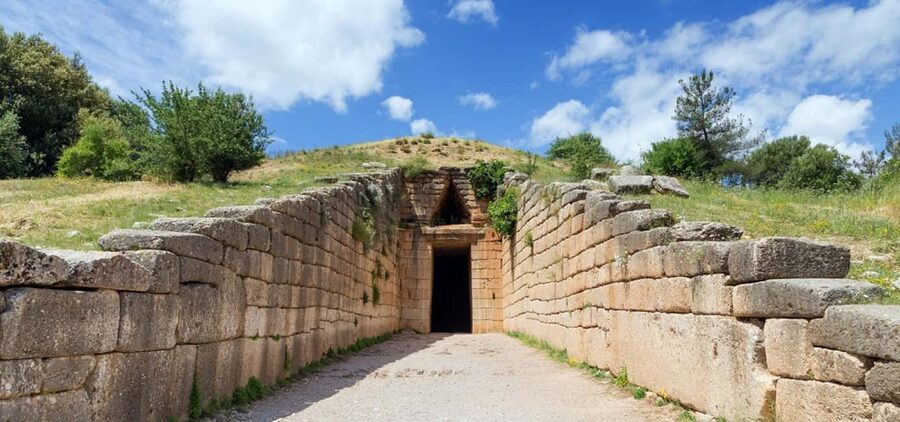
- Acrocorinth is the day’s big climb: You get castle walls, mountain views, mythology, and layers of Greek, Roman, Byzantine, Venetian, and Ottoman rule, but sturdy shoes matter.
- The thermal stop is more than a quick photo break: You have about two hours at Loutraki, where the water is listed at 32°C, or 89.6°F.
- Saint Paul’s Corinth comes alive on site: The archaeological area includes the place where he lived and taught, along with the step associated with his speeches to the Corinthians.
- A small group changes the feel: With no more than eight people, you can ask questions and avoid the rigid pace of a large coach tour.
- Budget for extras: Lunch is not included, archaeological admission is listed at €4 reduced or €8 full price, and one hour of hydromassage costs €16.
Why this day trip works from Athens
Athens gives you ancient temples and museums by the dozen, but it can also keep you in one city for your entire stay. This trip gives you a useful change of pace. Within one day, you see a monastery, an engineering landmark, a hilltop fortress, an archaeological site, and a thermal spa.
The route is designed around contrast. The morning is mostly sightseeing and walking. The final part is slower, with time to swim and relax. That rhythm helps, because Acrocorinth can be tiring after several hours on the road.
The tour uses a white van and begins with pickup in Athens. The group is limited to eight participants, a practical advantage on narrow roads and at busy sights. A small group also gives you a better chance to ask about details instead of simply following a flag through a crowd.
Guides named Pan and Costas have received especially warm praise for their patience, clear explanations, and personal approach. Pan was singled out for spending extra time with the group and offering a local point of view. Costas was praised for connecting the sites to the group’s family heritage. Your assigned guide may differ, but the experience is clearly built around an involved English-speaking host rather than a silent transfer driver.
A few more castle visits around the world worth a look
- From Osaka: Himeji Castle, Arima Onsen & Mt. Rokko Day Tour
★ 4.6 · 339 reviews - CastelBrando: Relax at a Spa inside an ancient castle
★ 4.9 · 52 reviews - Bratislava/Slovakia: Trencin Castle, Piestany Spa, Monastery
★ 4.9 · 11 reviews
Daphni Monastery, a quiet opening stop
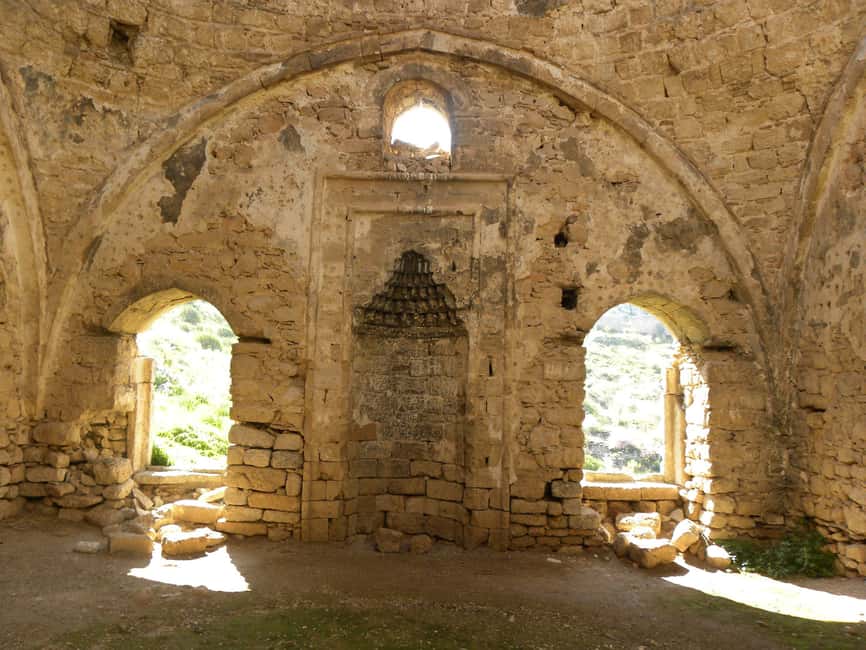
The first visit is Daphni Monastery, about 25 minutes from the pickup point by van. You have around 20 minutes here, so this is a short introduction rather than a long monastery visit.
The monastery dates to the 11th century and gives the day an early Byzantine note before the route turns toward Corinth. I like this stop because it widens the story. The day is not only about classical Greece and Roman ruins. It also shows a later period when religious buildings shaped the region.
Twenty minutes is enough for a brief look and some orientation, but not enough for an unhurried examination. Keep your expectations realistic. This is a compact stop that adds context to the day, not a major standalone visit.
The Corinth Canal and the gateway to the Peloponnese
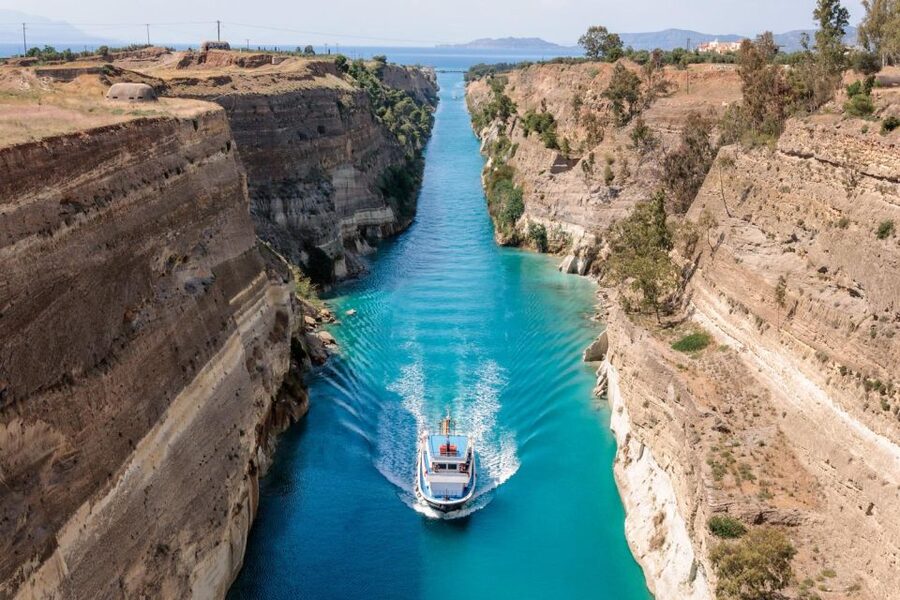
After roughly 40 minutes in the van, you reach the Corinth Canal for a 15-minute photo stop. The canal marks the entrance to the Peloponnese and offers one of the clearest visual moments of the outing.
The cut through the land is a major engineering achievement of the 19th century. The sides drop sharply toward the water, creating a scene that is easy to understand even if you know little about canal construction. Your time here is short, so have your camera ready as you approach.
This is not a cruise or a long canal visit. You stop, take in the view, and continue. Still, the stop matters because it explains the geography of the rest of the day. Corinth sits at a key crossing point between mainland Greece and the Peloponnese, and the canal makes that position obvious.
Acrocorinth, where mythology meets military history
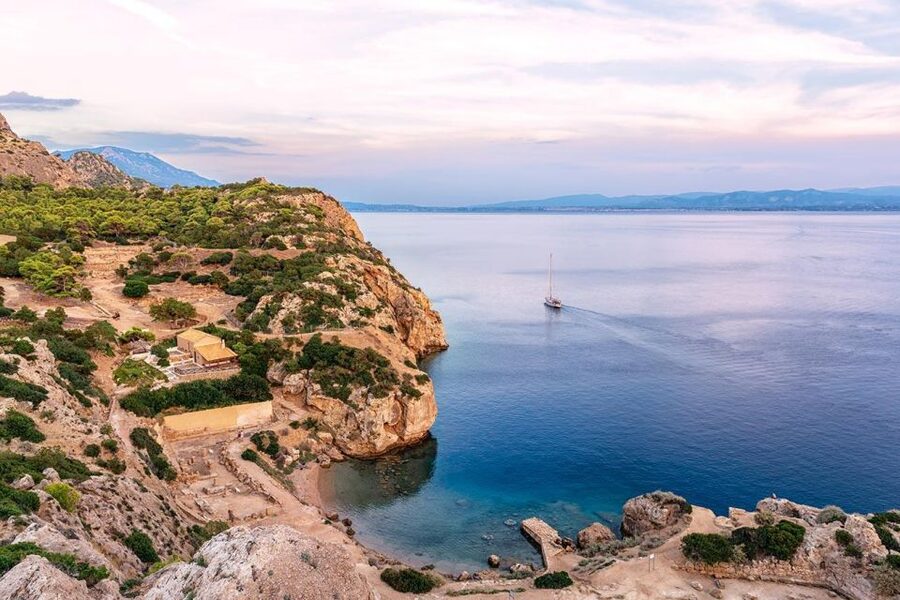
The next drive takes about 30 minutes, followed by roughly an hour at Acrocorinth. This is likely to be the most physically demanding part of the day.
Acrocorinth is a large castle complex on a high hill above Ancient Corinth. Its long story includes ancient Greeks, Byzantines, Venetians, Ottomans, and Knights Templar. The site also carries mythological connections to figures such as Pegasus and Hercules, so your guide has plenty of material to connect the physical remains with Greek legend.
The appeal is not just the fortress itself. From the hill, you get a broad view over the Corinthian area and the surrounding countryside. The height helps explain why this place mattered for defense and control. It is much easier to understand the location once you see how much territory it commands.
The practical issue is the walking. The itinerary describes a visit and sightseeing walk of about one hour, but the terrain is not presented as a flat museum floor. Wear shoes with a firm grip, bring water, and do not treat this as a casual stroll in sandals. The supplied information specifically asks you to bring flip-flops for the spa, but they are not the footwear I would choose for Acrocorinth.
You should also expect the pace to be shaped by the group. One hour gives you a useful look, but not every corner of a large fortress. If you are most interested in military architecture, you may want more time. If you want a strong overview and wide views, the allotted visit should feel worthwhile.
Same region, a different set of walls:
- Seville: Royal Alcázar Entry Ticket
★ 4.6 · 28,378 reviews - Stonehenge, Windsor Castle, and Bath from London
★ 4.5 · 18,662 reviews - Bucharest: Dracula’s Castle, Peles Castle, & Brasov Old Town
★ 4.5 · 17,858 reviews - From Munich: Neuschwanstein & Linderhof Castle Full-Day Trip
★ 4.6 · 14,646 reviews
Ancient Corinth and the world of Saint Paul
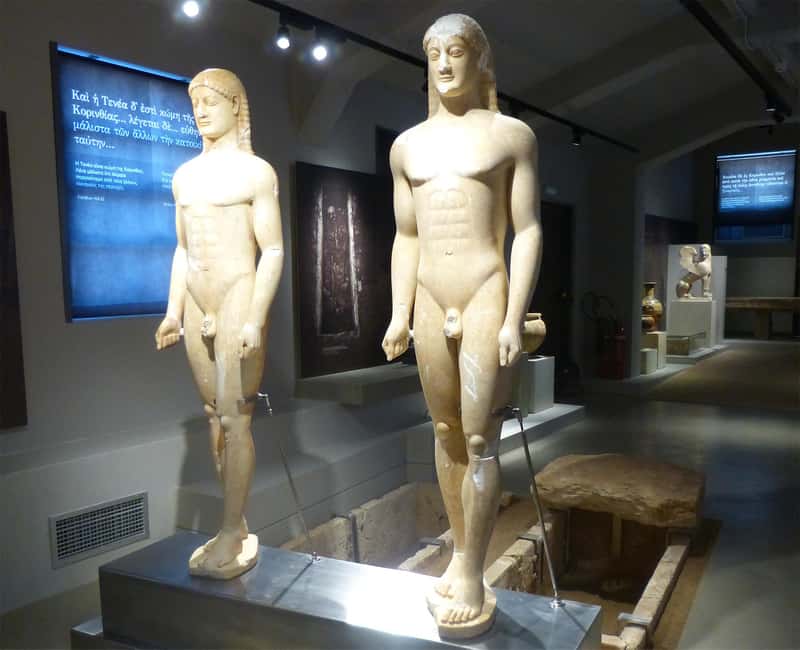
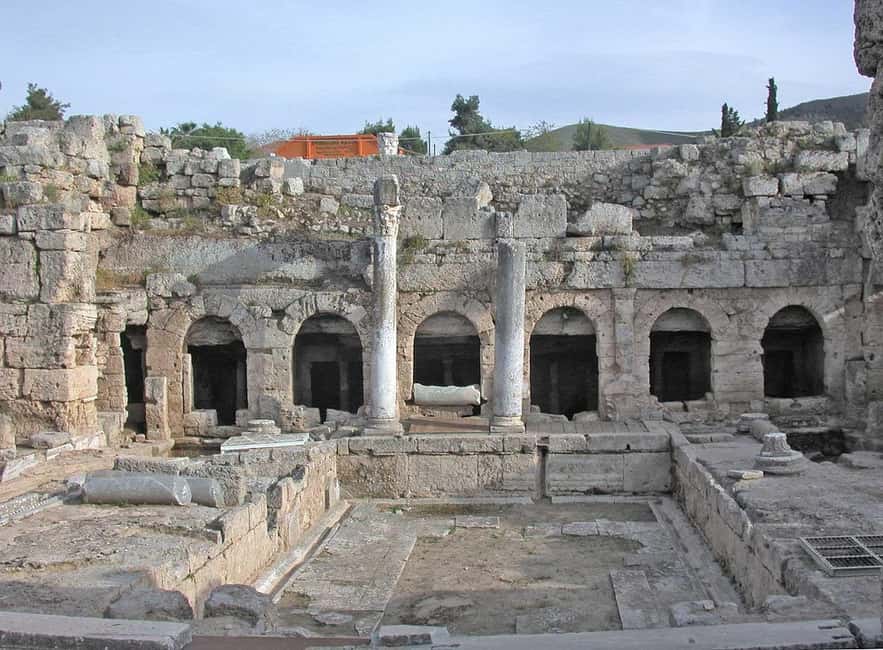
After Acrocorinth, the van takes you to Ancient Corinth. The visit lasts about an hour and combines the archaeological site with its museum.
This was considered the wealthiest city of ancient Greece, and its position helped make it a major commercial and political center. The site also reflects the many powers that passed through the area. You will encounter traces connected with ancient Greece and Rome, while the wider Corinth story includes Byzantine, Venetian, Ottoman, and other periods.
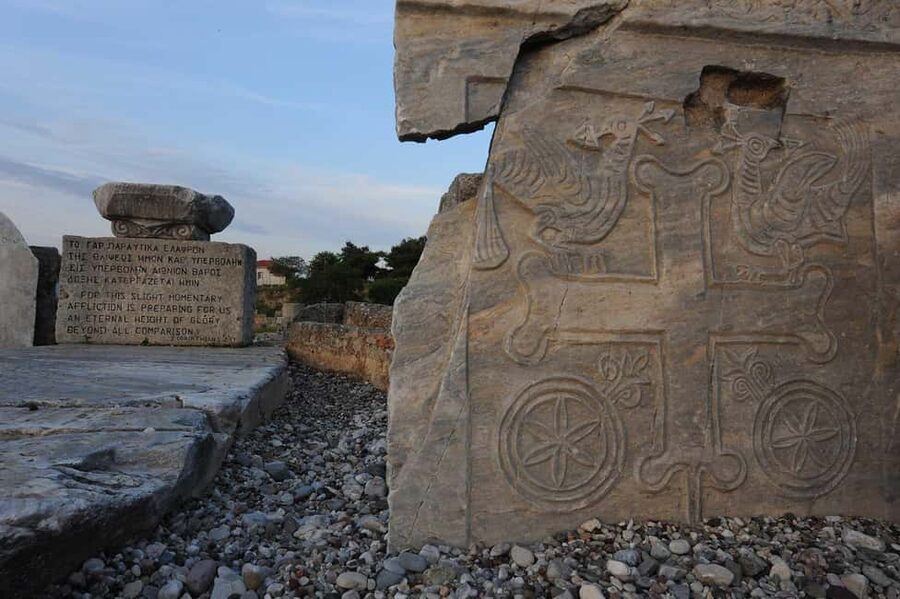
The strongest personal connection for many visitors is Saint Paul. He lived and taught in Corinth, and the site includes the step associated with his speeches to the Corinthians. Seeing the setting gives greater weight to a text that can otherwise feel distant and abstract.
The Temple of Apollo is another key sight, along with the rest of the archaeological remains. The museum adds useful objects and explanation, though the amount you can study will depend on the group’s pace and the day’s schedule.
The site is listed as both a photo stop and a visit, which tells you something important. You will have time to see the main features and take photographs, but this is not a full-day archaeological study. The guide’s explanation is especially valuable here. Pan has been praised for answering questions patiently and providing detailed context, while Costas has been praised for making the historical setting feel personal and connected to family heritage.
Admission is not included. The listed price is €4 for a reduced ticket or €8 for a full ticket. Since eligibility for the reduced fare is not explained in the supplied details, confirm which price applies to you before setting your budget.
Lunch after the ruins
Lunch follows directly after the archaeological visit and lasts about an hour. It is not included in the tour price.
That arrangement gives you some freedom. You can choose according to your appetite and budget instead of paying for a fixed meal in advance. It also means the final cost is not quite as simple as the advertised $169 per person.
The meal is presented as traditional local food, but no specific restaurant or menu is provided. I would treat this as a chance to eat in the Corinth area rather than expect a formal food tour. Ask your guide what is available and what local choice makes sense for the group.
Because the day is long, lunch is more than a pleasant extra. It is your main pause before the thermal spa. Eat enough to keep going, but remember that swimming follows later.
Loutraki thermal spa, the day’s relaxing finish
The final major stop is Loutraki Thermal Spa, where you have about two hours for swimming. The listed water temperature is 32°C, or 89.6°F, which is warm and comfortable for soaking without being described as intensely hot.
Towels are included, and the guide provides soda lemonade and water during the tour. You need to bring flip-flops, and the spa has a strict age rule: children under 15 are not allowed to swim in the thermal spa.
The basic spa visit and the optional hydromassage should be treated as separate costs. Hydromassage in the swimming pools is listed at €16 for one hour. If you want a treatment, add that amount to your budget. If you only want to swim and relax, the two-hour stop still gives the day a calm ending.
This is one of the best features of the schedule. After the walking at Acrocorinth and Ancient Corinth, you can slow down instead of returning straight to Athens. The stop is not presented as a medical treatment, so think of it as a warm-water leisure experience rather than a guaranteed therapy for a specific condition.
The guide remains available to help with entrance and towels, then waits while you use the spa. That small bit of assistance can be useful when you are tired and dealing with a new facility.
Is $169 a fair price?
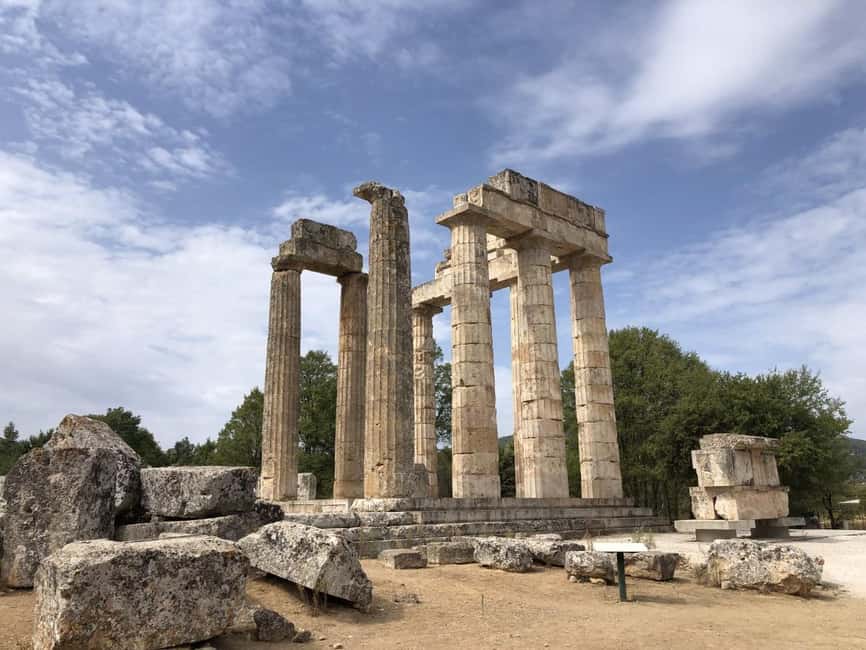
At $169 per person, this is not the cheapest way to reach Corinth. You are paying for an organized 10-hour outing from Athens, round-trip van transport, an English-speaking host, drinks, towels, and a small group capped at eight people.
The value depends on what you want from the day. If you only care about the archaeological site, a simpler Corinth excursion may cost less and give you more time among the ruins. If you want several unrelated stops, a personal guide, and a thermal spa without arranging transport yourself, the price is easier to justify.
Remember the additional costs:
- Lunch is not included.
- Ancient Corinth admission is listed at €4 reduced or €8 full price.
- Hydromassage costs €16 for one hour.
- Any other personal spending is extra.
The small group is the key value point. Four people have taken the trip together, creating an intimate feel with room for questions. That matters on a day when the guide’s explanations help connect mythology, religion, military history, and daily life.
The long day and the small details that matter
The total duration is about 10 hours, with return transport to Athens taking roughly one hour from the spa. This is not a gentle half-day outing. You should be ready for several transfers, a hilltop walk, site visits, and a late relaxation period.
Bring:
- Passport or identity card, with a copy accepted
- Flip-flops for the thermal spa
- Comfortable walking shoes for Acrocorinth
- Money for lunch, admission, and optional hydromassage
The tour is offered in English, and pickup is included from Athens in a white van. Starting times depend on availability, so check the schedule carefully before booking.
Free cancellation is available up to 24 hours in advance for a full refund, and you can reserve now and pay later. Those policies are useful if your Athens plans may change, but the bigger decision is whether you want to spend a full day outside the city.
Who should choose this experience?
I would recommend it to you if you want a broad Peloponnese sampler rather than one narrow subject. It suits people who enjoy ancient sites but also want a swim, a little mythology, a major engineering sight, and a meal break.
It is especially good for adults and older teenagers who can handle a long day and the walk at Acrocorinth. It is not suitable for children under 15 because of the thermal spa rule.
You should think twice if your top priority is a slow, detailed study of Ancient Corinth. The schedule gives you a solid introduction, but the day includes several stops and a long return to Athens. The same is true if you dislike changing pace from active sightseeing to spa time.
Should you book this Corinth and spa day?
Book it if you want variety, personal guiding, and a small-group day that gets you beyond Athens without arranging several pieces yourself. The strongest combination is the guide-led visit to Acrocorinth and Ancient Corinth followed by warm water at Loutraki.
Skip it if you want a quiet archaeological day, dislike long van rides, or prefer all costs to be included upfront. Before you commit, budget for lunch and admission, pack proper walking shoes plus flip-flops, and confirm that everyone in your party is at least 15. For the right kind of visitor, this is a memorable way to link Corinth’s ancient stories with the everyday pleasure of a warm-water break.
FAQ
How long is the Ancient Corinth and thermal spa tour?
The tour lasts about 10 hours, including transportation from Athens and the return journey.
Where does the tour begin and end?
Pickup is included in Athens, and the tour returns to Athens at the end of the day.
How large is the tour group?
The group is limited to eight participants and travels in a white van.
Is lunch included?
No. Lunch takes place after the Ancient Corinth visit and is not included in the tour price.
Are entrance tickets included?
No. Admission to the archaeological site of Corinth is listed separately at €4 for a reduced ticket or €8 for a full ticket.
How warm is the thermal spa water?
The thermal spa water is listed at 32°C, or 89.6°F.
How much does the optional hydromassage cost?
Hydromassage in the swimming pools costs €16 for one hour.
Can children use the thermal spa?
Children under 15 are not allowed to swim at the thermal spa.
Just added around the world
- Standing Stones, Inveraray and Kilchurn Castle & Highlands Tour starting Balloch★ 5.0 · 35 reviews
- Cardiff: South Wales Cliffs, Beaches & Castles Day Tour★ 5.0 · 36 reviews
- West Coast Lochs & Castles Tour – from Glasgow★ 5.0 · 20 reviews
- Private Day Tour of South Wales, including Cardiff & Caerphilly Castle.★ 5.0 · 15 reviews
- Private Tour – Edinburgh to St Andrews, Dunnottar Castle & Dundee★ 5.0 · 9 reviews
- From Cardiff: 3 Amazing Castles, Tintern Abbey & Roman Caerleon★ 5.0 · 12 reviews
- Private Day Tour of Cardiff, including Cardiff Castle, St Fagans, & Cardiff Bay★ 5.0 · 5 reviews
- Carcassonne: Secrets of the Castle’s Defense Self-Guided Tour★ 4.5 · 8 reviews
Massage & Relaxation, compared.
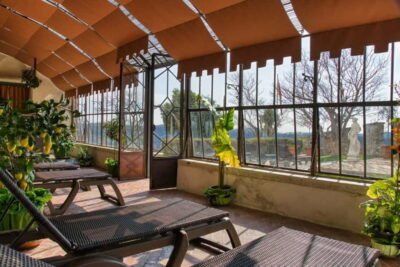
CastelBrando: Relax at a Spa inside an ancient castle
Read our review →
Bratislava/Slovakia: Trencin Castle, Piestany Spa, Monastery
Read our review →
Bratislava (DayTrip): Bojnice Castle, Čičmany, Aphrodite Spa
Read our review →
Browse the lists this tour appears in