
Review · AMMAN
From Amman: Desert Castles of Eastern Jordan Tour
Jordan’s empty east tells surprising stories. This private trip takes you from central Amman to three Umayyad desert castles, each with a different character: frescoes and court life at Quseir Amra, fortress walls at Qasr Al Kharanah, and Lawrence of Arabia connections at Qasr Al Azraq. I especially like the easy private transport and the chance to shape the pace around the sites that interest you most.
I also like that the driver is more than a chauffeur. The English-speaking driver provides background during the journey, and guides such as Hassan and Amer Ramouni have earned praise for careful driving, patience, clear explanations, and thoughtful service. The main consideration is the $93 price, which can feel high for a four to six-hour outing if you do not care much about early Islamic architecture or desert history.
The route is simple, but the setting is not. After leaving Amman, you cross wide eastern plains where the castles appear as isolated stone outposts. Bring water, sunscreen, a hat, and shoes suited to uneven ground. There is little shade, and the desert sun does not negotiate.
Key Details Before You Book
- Three castles in about five hours: Quseir Amra, Qasr Al Kharanah, and Qasr Al Azraq form the core route.
- A private vehicle makes the day flexible: You can ask to spend more time at one castle or request another stop at your own expense.
- Quseir Amra is the artistic highlight: Its restored 8th-century frescoes show feasting, music, hunting, wine, and nude figures.
- Qasr Al Azraq links the ancient and modern: The site served as an Umayyad retreat and later as a headquarters for T.E. Lawrence during 1917 to 1918.
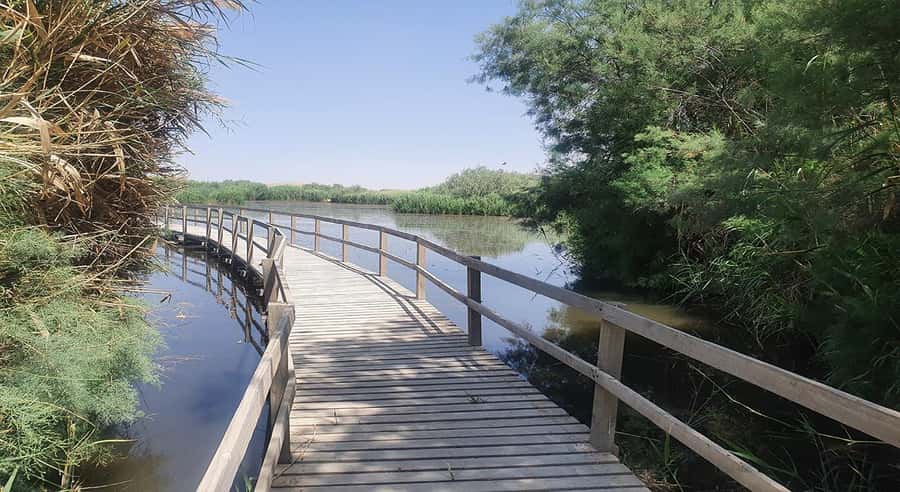
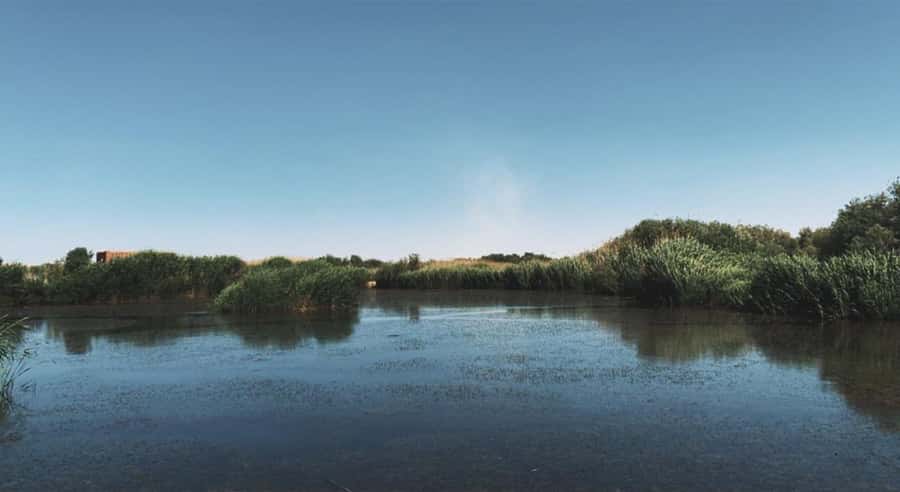
- The optional wetland visit changes the mood: Azraq Wetland Reserve adds a self-guided Marsh Trail and bird habitat to the castle route.
- Private service is the strongest value: Hotel transfers, entrance fees, air-conditioned transport, Wi-Fi, and English-speaking support are included.
Leaving Amman for the Eastern Desert
Your day begins with pickup at your accommodation in central Amman. The vehicle is private, air-conditioned, and selected according to the size of your party. That matters here because the road portion takes about an hour each way, and a private car gives you room to settle in rather than follow a large group on a fixed schedule.
The driver meets you in the hotel lobby. You are advised to reconfirm the pickup details with the local operator one day before departure, a sensible step in Jordan where hotel entrances and pickup points can sometimes be less obvious than expected.
As Amman fades behind you, the route reaches the desert plains of eastern Jordan. The scenery becomes open and spare, with the castles spread across an area where several sites sit within roughly 15 minutes of each other. This makes the tour efficient. You are not spending the whole day rattling between distant attractions.
The driver serves as your guide on the standard option, explaining the Umayyad dynasty, local culture, nature, and the role of the castles. If you want fuller interpretation at each monument, you can select the option with an additional guide. That upgrade is worth considering if architectural details and early Islamic history are central to your trip.
English is the stated tour language. Other languages can be requested, but they are not guaranteed as part of the regular service. One Spanish-speaking visitor specifically would have preferred a Spanish guide, so ask before booking if language support matters to you.
A few more castle visits around Amman worth a look
- From Amman: Private Jerash, Ajloun Castle, and Umm Qais Tour
★ 4.9 · 82 reviews - From Amman: Umayyad Desert Castles Tour with Transfer
★ 4.5 · 69 reviews - One Day Trip to Jerash & Ajloun Castle
★ 5.0 · 57 reviews
Quseir Amra and the Umayyad Court
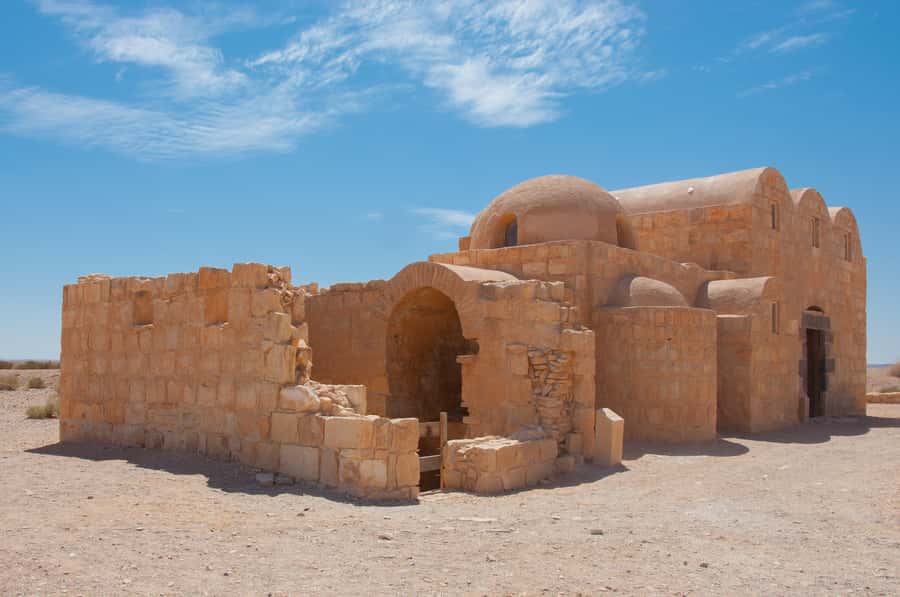
Quseir Amra is the first major stop and the artistic star of the route. The small desert palace was built during the Umayyad period, in the 7th or 8th century, as a hunting palace and rural retreat. Today, it is UNESCO-listed and famous for the frescoes inside.
The paintings are not the quiet, solemn decoration you might expect from an old religious site. They show hunting, banquets, musicians, bathers, wine, and nude women. The scenes offer a rare look at the pleasures and private life of the early Muslim ruling elite. They also remind you that the Umayyad rulers were courtly, ambitious, and sometimes extravagant men, not simply distant names from a history book.
I would allow extra attention here if you enjoy art. The building is smaller than the word castle may suggest, but its interior decoration gives it unusual power. The restored frescoes are the reason this stop matters, and a guide can help you read the images instead of simply walking past them.
The drawback is practical: the site is exposed, and the surrounding desert offers limited shade. Take your time indoors, but protect yourself between buildings. Comfortable shoes are useful even though this is not a strenuous walk.
Qasr Al Kharanah, the Fortress on the Plain
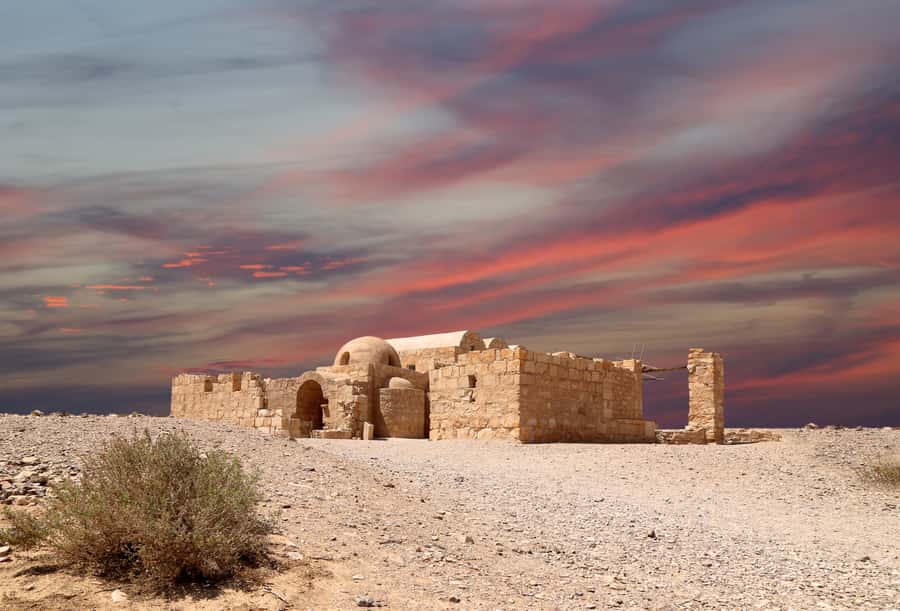
From Quseir Amra, the route continues to Qasr Al Kharanah. Its shape is more imposing and defensive, with two levels of thick walls and a broad position in the open desert. It looks like a fortress, though its exact original use has been debated. The site is thought to have been built on Roman foundations and later used by the Umayyads.
Qasr Al Kharanah shows a different side of the dynasty. Quseir Amra feels private and decorative, while Kharanah is formal and severe. Inside, architectural influences linked to Mesopotamian, Arabic, and Greek traditions make the building a useful lesson in how ideas moved across the region.
The open setting helps you understand why these sites were placed so far from modern cities. The castle does not blend into a town. It sits alone against the plain, and that isolation is part of the experience. You can picture it as a stopping place for rulers and officials crossing the eastern reaches of their territory.
Do not expect a furnished palace or a fully reconstructed fortress. Much of the pleasure comes from walls, rooms, courtyards, and proportions. If you need a long list of objects and displays, this may feel spare. If you enjoy old stone buildings and a strong sense of place, it is a rewarding stop.
Qasr Al Azraq and Lawrence of Arabia
The final castle is Qasr Al Azraq, built from dark volcanic stone and linked to both the Umayyad period and the Arab Revolt. It originally served as a hunting retreat. Much later, T.E. Lawrence used it as a headquarters during 1917 and 1918 while supporting the Arab Revolt.
This connection gives the site an extra layer. You are not only seeing a medieval desert stronghold. You are also entering a place tied to the early 20th-century campaigns that made Lawrence of Arabia a famous figure in Western popular history.
You can explore the courtyards, towers, and mosque. The heavy stone gives the castle a different mood from the decorated interior at Quseir Amra and the pale fortress form at Kharanah. Together, the three stops work well because no single site has to carry the whole day.
The Lawrence connection may be the main draw for some people, but keep your expectations grounded. This is not a museum devoted entirely to Lawrence, and the tour information does not promise a large collection of personal objects or military displays. The value lies in the building, its setting, and the explanation of how Lawrence based operations there.
Same region, a different set of walls:
- Private Day Trip to Jerash, Umm Qais and Ajloun Castle from Amman
★ 5.0 · 51 reviews - 3Day Private Tour: Petra Mount Nebo & Al Karak Castle Wadi Rum Red and Dead Seas
★ 5.0 · 49 reviews - 6 Day Tour: Amman Petra Jerash Baptism Site Karak Castle Wadi Rum Red & Dead Sea
★ 5.0 · 32 reviews - Day Tour to Jerash, Ajloun Castle and Dead Sea
★ 5.0 · 31 reviews
The Optional Azraq Wetland Reserve
You can add the Azraq Wetland Reserve, established in 1978, near the desert castles. The upgrade includes entrance and a self-guided Marsh Trail covering 12 kilometers within the water reserve and oasis area.
This changes the trip from a castle-focused history outing into a mix of architecture and nature. The reserve is an important stop for migratory birds, and water buffalo are part of the reserve setting. You explore on your own, so do not expect the same guided interpretation provided at the castles.
The best time for scenery is late autumn or spring. That advice matters because the reserve is about outdoor conditions, not just another indoor monument. Ask about adding it if you have extra time and want to see a different side of eastern Jordan.
The main caution is timing. The standard experience lasts four to six hours, and the wetland stop can make the day longer or reduce time at the castles. Decide which experience matters more to you before setting off. If the frescoes and Umayyad architecture are your priority, keep the core route. If you like bird habitat and open-air walking, the reserve is a useful addition.
What the Private Service Adds
The private format is the clearest advantage of this experience. You are not tied to a large group’s pace, and you can tell the driver if one castle deserves more of your attention. You may also request another castle at your own expense.
That flexibility is valuable because the three sites do not appeal to everyone in the same way. You might want more time at Quseir Amra for the paintings, while another person may prefer the fortress feel of Kharanah or the Lawrence connection at Azraq.
The driver quality also matters. Hassan is praised for punctuality, safe driving, polished English, historical and political knowledge, and finding a good-value lunch stop. Amer Ramouni is praised for calm service, careful driving, patience, polite manners, and even offering Jordanian coffee in the morning. These examples suggest that the human side of the trip can make a real difference, though the specific driver is not guaranteed.
Lunch is not included unless you choose an option with lunch. Meals and drinks are otherwise your responsibility. Some local restaurants in Jordan do not serve alcohol, so contact the operator in advance if that is important to you. Vegetarian food can be requested.
The vehicle includes onboard Wi-Fi, which is a useful extra during the long road sections. Hotel pickup and drop-off, entrance to all three castles, and the private transfer are included in the base service.
Is $93 a Fair Price?
At $93 per person, this is not the cheapest way to see the desert castles. The value depends heavily on your group size and what you want from the day.
For a private party, the price includes transport from Amman, a private air-conditioned vehicle, hotel transfers, English-speaking support, entry to three castles, and Wi-Fi. You also avoid arranging transport to remote sites yourself. That convenience is meaningful because the castles are spread across the eastern plains, beyond the easy sightseeing circuit in central Amman.
The price feels less attractive if you are a solo visitor comparing it with a shared vehicle or if you plan to spend only a few minutes at each site. It also does not include meals, beverages, personal spending, the wetland reserve, or the extra guide unless you select those options.
I would view the tour as a convenience purchase with solid historical content, rather than a bargain attraction. It is strongest for people who value a private car, reliable pickup, and the ability to ask questions along the way.
Who Will Enjoy This Trip Most?
I would recommend this experience to you if you:
- Have a free half-day in Amman and want to reach sites beyond the city.
- Enjoy early Islamic history, desert architecture, or archaeological settings.
- Prefer a private car to a large group.
- Want to connect Qasr Al Azraq with Lawrence of Arabia.
- Like having a driver who can explain the route and adjust the pace.
- Are happy with a self-guided wetland visit if you add the reserve.
It is less suitable if you want a full-day cultural program with meals, markets, or many local interactions. The route focuses on three historic buildings and the drive between them. It also may not suit you if walking on uneven surfaces or standing in the sun is difficult, though anyone with mobility concerns should contact the operator before booking.
Wear comfortable shoes, a hat, and sunscreen. Bring water and any drinks you want, since beverages are not included. Airport pickup and drop-off may be arranged by request, but they are not part of the standard hotel transfer promise.
Should You Book the Desert Castles Tour?
Book it if you want an easy, private way to see three important sites that are awkward to reach independently from Amman. The combination of Quseir Amra’s frescoes, Kharanah’s fortress form, and Azraq’s Lawrence connection creates a varied half-day, not three copies of the same ruin.
I would be especially comfortable recommending it to couples, families, and small groups who value door-to-door service. Select the guide upgrade if you want detailed explanations at each castle, and add the wetland reserve only if nature and bird habitat appeal to you more than extra castle time.
Skip it if your Jordan schedule is packed with major attractions and you have little interest in Umayyad history. At $93, this is best treated as a focused historical outing with private transport, not a casual quick stop. For the right visitor, that focus is exactly what makes the trip worthwhile.
FAQ
How long does the Desert Castles tour last?
The experience lasts approximately four to six hours. The exact timing depends on the selected start time, time spent at each castle, and any optional additions.
Which castles are included?
The standard tour includes Quseir Amra, Qasr Al Kharanah, and Qasr Al Azraq. Entrance fees to all three are included.
Is hotel pickup included?
Yes. Pickup and drop-off at accommodation in Amman are included, with the driver waiting in the hotel lobby. Airport pickup and drop-off are available by request.
Is the tour private?
Yes. The experience is arranged for a private group, and the vehicle is selected according to the number of participants.
Is a guide included?
The standard option includes an English-speaking driver who also provides information during the trip. An additional guide at the castles is available if you select the guide option.
Is lunch included?
Lunch is not included unless you choose an option that includes it. Vegetarian meals can be requested, and drinks are not included.
Can I visit the Azraq Wetland Reserve?
Yes. You can select an upgrade that includes entrance to the reserve and a self-guided Marsh Trail. The reserve is near the desert castles and covers 12 kilometers.
What should I bring?
Bring comfortable walking shoes, a sun hat, and sunscreen. Water and other beverages are not included, so plan accordingly.
Can Jordan Pass holders receive a refund for entrance fees?
If you hold a Jordan Pass and purchased the tour with entrance fees, inform the operator so the entrance fees can be reimbursed at the destination. If selecting the Jordan Pass option, purchase the pass directly.
Just added around Amman
- Private Tour Petra and Shobak Castle from Amman★ 5.0 · 5 reviews
- Private Tour of Desert Castles Eastern Jordan with optional Azraq Wetland Visit★ 4.5 · 21 reviews
- Private Trip : Amman Jerash and Ajloun Castle★ 5.0 · 4 reviews
- Umm Qais, Jerash & Ajloun Castle Day Tour from Amman★ 5.0 · 6 reviews
- Private Full Day Crusader Castles of Karak & Shobak, Kings Highway from Amman★ 5.0 · 9 reviews
- Private Tour: Full-Day Islamic Desert Castles and Ajloun Castle Trip from Amman★ 5.0 · 9 reviews
- Day Tour to Jerash, Ajloun Castle and Dead Sea★ 5.0 · 31 reviews
- Day Trip to Petra, Wadi Rum, and Shobak Castle★ 5.0 · 9 reviews
Amman Castle Tours, compared.
Private Jerash, Ajloun Castle, and Umm Qais Tour
Read our review →
Private Day Trip to Jerash, Umm Qais and Ajloun Castle from Amman
Read our review →
3Day Private Tour: Petra Mount Nebo & Al Karak Castle Wadi Rum Red and Dead Seas
Read our review →
6 Day Tour: Amman Petra Jerash Baptism Site Karak Castle Wadi Rum Red & Dead Sea
Read our review →
4 Day Private Tour: Petra Jerash Mount Nebo Karak Castle Wadi Rum Red & Dead Sea
Read our review →Browse the lists this tour appears in