
Review · FRANCE
Chateau Gaillard Royal Domain Admission Ticket
Small chateau, big story. Château Gaillard gives you a quieter Loire Valley stop, with Renaissance gardens, royal rooms, and the remarkable tale of France’s first orange trees. I like the peaceful setting and the chance to wander at your own pace. I also like the homemade orange cake, fresh juice, and citrus treats served at the end.
The main point to consider is that this is not one of the Loire’s grandest castles. Some rooms feel more intimate and quaint than polished, and the optional guided tour is in French. The site is listed around Tours, but the entrance is actually in Amboise at 29 allée du Pont Moulin.
Key points to know before you go
- A royal retreat near Amboise: Château Gaillard was commissioned by Charles VIII and later connected with Louis XII, Anne of Brittany, François I, Catherine de Medici, Mary Stuart, and other major figures.
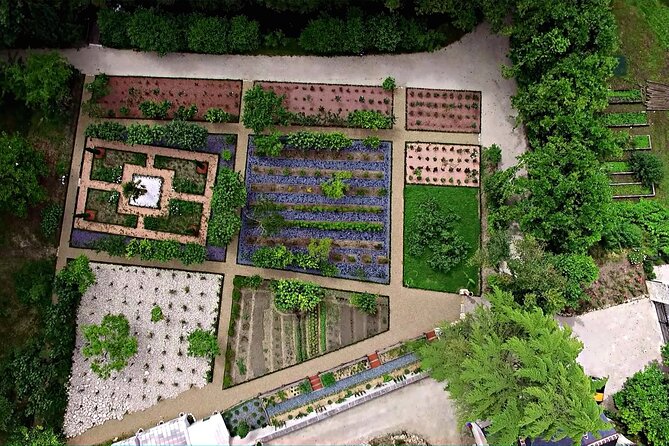
- Seven paths through the grounds: You can explore the gardens, caves, mature trees, greenhouses, and the historic orangery without being rushed.
- The first French orange trees: Dom Pacello da Mercoliano helped Charles VIII acclimatize orange trees here after returning from Italy in 1496.
- A small-scale chateau experience: Expect an atmospheric palazotto with period furnishings, paintings, glasswork, and unusual objects rather than a vast royal palace.
- A tasty finish: Orange cake, freshly pressed orange juice, orange blossom jelly, honey, and citrus drinks add real pleasure to the visit.
- Useful advance planning: Admission costs about $24.14 per person, lasts roughly two to three hours, and can be canceled for a full refund up to 24 hours ahead.
Why Château Gaillard makes a good Loire stop
The Loire Valley is full of famous castles, and that can make it tempting to visit only the biggest names. Château Gaillard offers a different experience. It is smaller, more personal, and easier to explore in a couple of hours.
I like the way the site combines several kinds of interest. You get royal history inside the chateau, garden design outside, and a strong botanical story centered on citrus trees. The visit is not just a sequence of grand rooms. It moves between architecture, art, gardening, food, and the people who shaped Renaissance France.
The setting also helps. Tall mature trees and pleasant gardens give the grounds a calm feel. You can stop, look closely, and take your time instead of being swept along in a large crowd. That quieter rhythm is one of the best reasons to add Château Gaillard to an Amboise day.
The chateau has undergone a major renovation carried out over five years by 300 Loire Valley workers and master artisans. That work gives the interior more interest, though you should not expect every part of the building to look brand new. The character comes partly from the contrast between restoration and age.
More Castle Entry Tickets in France
- Chenonceau Castle: Private Guided Tour with Entry Ticket
★ 5.0 · 10 reviews - Blois: Private Tour of Blois Castle with Entry Tickets
★ 4.8 · 6 reviews - Amboise: Private Guided Tour of the Castle with Entry Ticket
★ 5.0 · 2 reviews
Charles VIII and the Renaissance royal connection
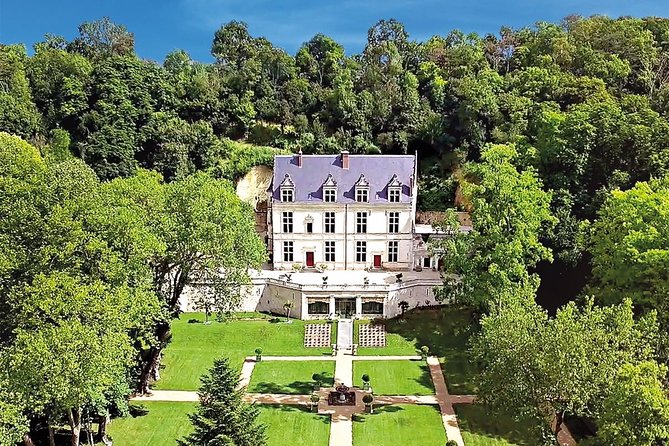
Château Gaillard began as a project of Charles VIII, who wanted a smaller Italian-style residence, known here as a palazotto. The building later passed through the orbit of several important French figures, including Louis XII, Anne of Brittany, François I, Catherine de Medici, Cardinal de Guise, and Mary Stuart.
That list matters because it places the chateau within the active world of the French Renaissance. This was a time when French rulers were borrowing ideas from Italy, changing court life, collecting art, and reshaping gardens. Château Gaillard reflects that shift on a more human scale than the huge royal residences.
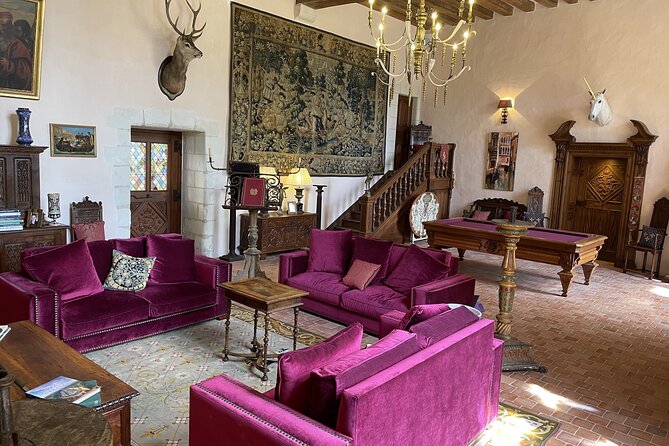
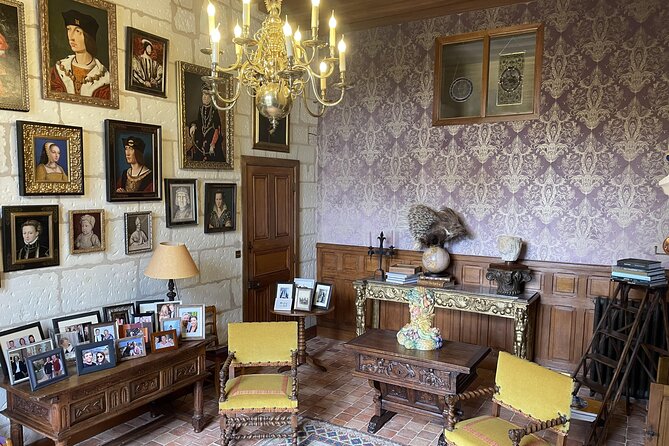
Inside, you can see furnishings from different periods, paintings, art objects, Italian collections, and handmade glass windows. One especially interesting room is linked with Mary Stuart, who lived there for three weeks after her marriage to François II of Valois. It is a small detail, but it gives the building a direct connection to one of Europe’s most famous royal figures.
The interior collection is broad rather than tightly focused. You may see a mixture of furniture from different eras, decorative pieces, tapestries connected with Commedia dell’Arte, and works attributed to major artists such as Rembrandt and Titian. The presentation may appeal most to you if you enjoy spotting individual objects and imagining how a historic house changed over time.
The gardens and seven paths of Paradise
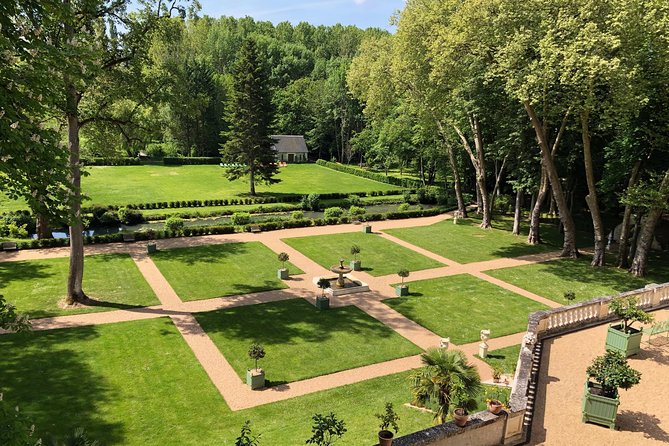
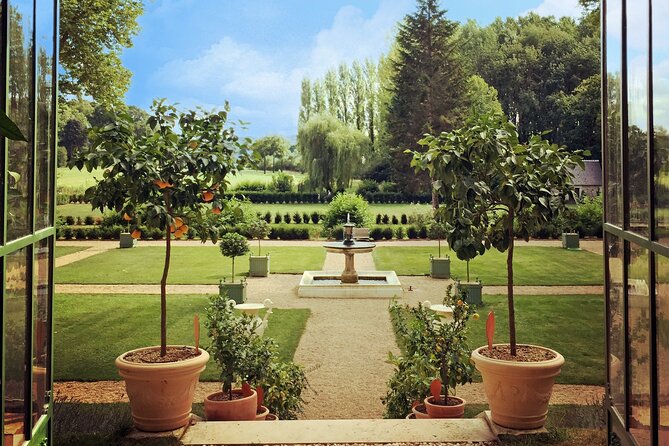
The gardens are a major part of the admission, not a quick extra behind the building. The 15-hectare estate gives you room to walk through trees, garden areas, greenhouses, and the hillside caves.
Seven walking paths, described as the paths of Paradise, encourage you to explore at a relaxed pace. The information provided does not give a detailed map for each route, so you should allow enough time to follow the grounds rather than assuming the garden is a short loop.
I like this part of the visit for people who find large formal gardens tiring. Château Gaillard’s grounds offer variety without requiring you to spend an entire day walking from one distant section to another. The mature trees also provide a sense of age that newly planted ornamental gardens cannot easily create.
The caves in the hill add another change of scene. Their inclusion makes the visit feel more like an estate exploration than a standard indoor castle tour. You might enjoy the contrast between cool stone spaces, open paths, citrus greenhouses, and cultivated garden areas.
Some visitors may find the gardens less dramatic than those at the Loire’s most famous palaces. That is a fair expectation to set. The pleasure here comes from atmosphere, detail, and the story of the site rather than from one vast formal view.
Dom Pacello and the first French orange trees
The strongest single story at Château Gaillard concerns Dom Pacello da Mercoliano, a Neapolitan monk and master gardener. Charles VIII brought him back from Italy in 1496, along with orange trees and the knowledge needed to grow them in France.
This was no small gardening experiment. Orange trees require care, warmth, and protection in a climate that is not naturally suited to them. The royal orangery at Château Gaillard became an important place for acclimatization, and the estate developed into what was known as Les Jardins du Roy in 1500.
The arrangement between the king and Pacello adds a charming human detail. Pacello inherited the estate in exchange for providing the king with a bouquet of orange blossoms each year. That small annual gift helps explain how valuable the trees and their flowers were at the time.
Pacello also used the 15-hectare grounds as a place for horticultural experiments. He helped develop the greengage plum and began ideas associated with French-style gardens. You do not need to be a gardening specialist to appreciate the story. It shows how food, status, science, and royal fashion overlapped during the Renaissance.
The orangery and greenhouses are especially worthwhile if you enjoy plants or garden history. You can smell the citrus, see where these trees were protected, and connect the practical work of growing them with the wealth and power of the royal court.
More Castle Entry Tickets in Tours:
- Edinburgh Castle: Guided Walking Tour with Entry Ticket
★ 4.7 · 11,699 reviews - Prague: Castle Tour with Local Guide and Entry Ticket
★ 4.6 · 10,422 reviews - Prague Castle 2.5-Hour Tour Including Admission Ticket
★ 4.7 · 8,927 reviews - Edinburgh Castle: Guided Walking Tour with Entry Ticket
★ 5.0 · 5,540 reviews
What you will see inside the palazotto
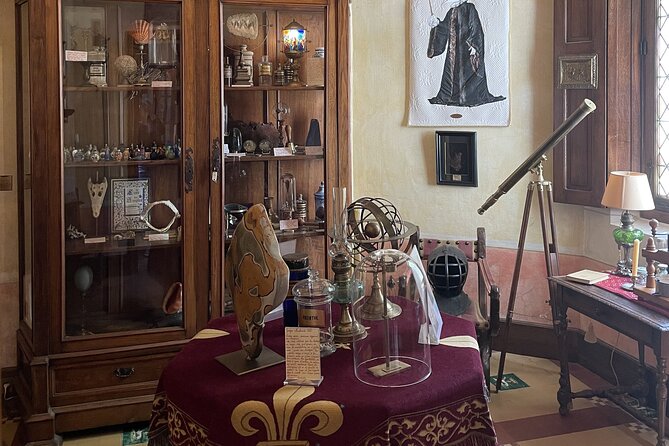
The indoor visit is best approached as a collection of details rather than a grand march through huge state rooms. The chateau displays Renaissance pieces alongside furniture from different periods, Italian objects, paintings, handmade glass, and decorative art.
The 8,000 handmade glass windows are a striking feature. They reflect the labor involved in restoring the building and help give the interiors their character. The Commedia dell’Arte tapestry is another unusual object that adds color and theatrical personality.
The renovation involved 300 workers from the Loire Valley over five years. That local craftsmanship is worth keeping in mind as you look at the building. Restoration is not just cosmetic here. It helps explain why some areas may feel carefully renewed while others retain a more old-fashioned, lived-in quality.
The chateau is not described as a fully polished museum with a huge number of rooms. You may find the visit more rewarding if you slow down and look at the individual objects, rooms, and materials. The room associated with Mary Stuart is a useful example: it is the personal connection that makes the space memorable, not its size.
An optional free tour led by an art historian is available in French. If you understand French, this could add useful context about the collections and restoration. The ticket information is offered in English, but that should not be confused with an English-language guided tour. Plan on exploring independently if you do not speak French.
Citrus, cake, and the final stop at the bar
The food and drink element gives Château Gaillard a pleasant ending. At the citrus bar, you can try honey from the estate, orange blossom jelly, homemade orange cake, and freshly pressed orange juice.
The orange cake receives particular praise for good reason. It links the final snack directly to the site’s central story. You are not simply buying a generic refreshment after a castle visit. The citrus theme runs from the royal orangery through the gardens and into the food.
You can also try blood orange wine, which is a useful tip if you enjoy regional drinks and want something different from the usual Loire wine tasting. Bottles are available to buy for later, according to the supplied experience details.
This stop adds value to the ticket, but keep your expectations sensible. The refreshments are a pleasant feature, not a full meal. If you arrive hungry, plan another place to eat in Amboise or elsewhere.
Is the $24.14 admission good value?
At about $24.14 per person, the ticket is not the cheapest castle admission in France. Its value depends on how you like to spend your time.
I think the price works best for you if you want two to three hours of varied sightseeing. You are paying for access to the chateau, the gardens, the caves, the orangery, the greenhouses, the collection, and the grounds. The optional French tour is included rather than sold as a separate upgrade.
The ticket is less compelling if your only goal is to see a vast royal palace with grand halls and monumental rooms. Château Gaillard is smaller and more intimate. The appeal comes from the combined experience and the freedom to explore without a packed schedule.
Advance booking is sensible because admission can be guaranteed ahead of time. The attraction is generally booked about 15 days in advance, which suggests that planning ahead is wise during busy periods. You can cancel for a full refund up to 24 hours before the local start time, but changes or cancellations made inside that window are not refunded.
Timing, location, and practical planning
Allow two to three hours if you want to see the interior, walk the seven paths, visit the orangery and greenhouses, look at the caves, and stop at the citrus bar. You can move faster, but that would miss much of what makes the estate different from a simple castle entry.
Pedestrian access is listed at 29 allée du Pont Moulin, 37400 Amboise. The experience is associated with Tours and the wider Loire Valley, but you should use the Amboise address when planning your route.
Transportation to and from the attraction is not included. The site is near public transportation, but you are responsible for getting there. This ticket works best as part of an Amboise day rather than as an isolated stop far from your other plans.
The group capacity is limited to 40 people. That is not a guarantee of an empty site, but it does help keep the experience from feeling like a massive tour operation. Most people can participate, and service animals are allowed.
Who will enjoy Château Gaillard most?
I would recommend this experience to you if you enjoy smaller historic buildings, gardens, restoration work, and stories about how plants changed European court life. It also suits anyone looking for a quieter break from the largest Loire castles.
Families may appreciate the mixture of paths, caves, gardens, and food, though the site is still a historic property rather than a dedicated children’s attraction. Garden lovers will find the orangery and citrus history especially interesting.
Art fans should come with flexible expectations. The collection includes notable and unusual pieces, but the experience is not presented as a major art museum. Its strength is the setting and the relationship between the objects, the building, and the royal story.
You should think twice if you want a fully guided experience in English. The free art historian tour is in French, and the supplied information does not promise an English guide. Independent exploration is the safer plan.
Should you book this Amboise chateau visit?
Book Château Gaillard if you want a relaxed, distinctive stop with gardens, royal connections, citrus history, and a very good orange cake. The mature trees, light crowds, orangery, and small-scale rooms give it a more personal feel than the Loire’s famous mega-castles.
Skip it if your priority is grandeur alone, or if you need an English-language guided tour. For everyone else, the combination of history, horticulture, caves, collections, and citrus treats makes the $24.14 ticket a fair choice for a two to three hour visit near Amboise.
FAQ
Where is Château Gaillard located?
The pedestrian entrance is at 29 allée du Pont Moulin, 37400 Amboise, in the Loire Valley area associated with Tours.
How much does admission cost?
Admission costs approximately $24.14 per person.
How long should I allow for the visit?
Plan on approximately two to three hours to see the chateau, gardens, orangery, greenhouses, caves, walking paths, and citrus bar.
Is a guided tour included?
A free guided tour by an art historian is available, but the guided tours are offered in French.
Is the experience offered in English?
The booking information is offered in English. The included guided tour is specifically described as being in French.
Is transportation included?
No. Transportation to and from the attraction is not included.
Can I cancel my booking?
Yes. You can cancel at least 24 hours before the experience starts for a full refund.
Are service animals allowed?
Yes. Service animals are allowed at the site.
How many people can join the experience?
The activity has a maximum capacity of 40 people.
Just added around Tours
- Standing Stones, Inveraray and Kilchurn Castle & Highlands Tour starting Balloch★ 5.0 · 35 reviews
- Cardiff: South Wales Cliffs, Beaches & Castles Day Tour★ 5.0 · 36 reviews
- West Coast Lochs & Castles Tour – from Glasgow★ 5.0 · 20 reviews
- Private Day Tour of South Wales, including Cardiff & Caerphilly Castle.★ 5.0 · 15 reviews
- Private Tour – Edinburgh to St Andrews, Dunnottar Castle & Dundee★ 5.0 · 9 reviews
- Private Day Tour of Cardiff, including Cardiff Castle, St Fagans, & Cardiff Bay★ 5.0 · 5 reviews
- Carcassonne: Secrets of the Castle’s Defense Self-Guided Tour★ 4.5 · 8 reviews
- Cardiff: Welsh Castles, Mountains & Steam Railway Day Tour★ 4.5 · 25 reviews
Castle Entry Tickets, compared.


Edinburgh Castle: Guided Walking Tour with Entry Ticket
Read our review →
Castle Tour with Local Guide and Entry Ticket
Read our review →
Prague Castle 2.5-Hour Tour Including Admission Ticket
Read our review →
Edinburgh Castle: Guided Walking Tour with Entry Ticket
Read our review →
Prague Castle and Lobkowicz Palace Entry Tickets
Read our review →
Alcázar and Cathedral Entry Ticket and Guided Tour
Read our review →Browse the lists this tour appears in