
Review · BORDEAUX
Château Olivier: One Hour Vineyard Tour with Wine Tasting
A vineyard visit with a wild side. Just 11 kilometers from Bordeaux, Château Olivier combines a guided look at its working vineyard with a close view of the property’s protected plants and animals. I especially like the chance to see how wine production and conservation share the same ground, and I like the tasting’s focus on two red and two white Bordeaux wines. The main drawback is that the tour is short, and the château’s interior is not included.
The $23 price is fair for a guided visit and tasting, particularly if you are already exploring the Bordeaux area. Guides speak French and English, and visitors have praised the friendly, well-prepared presentation. Laureen has been singled out for her warmth and clear explanations, while another French visitor praised a guide who was deeply committed to the estate.
Key Details Before You Go
- Only 11 kilometers from Bordeaux: Château Olivier is close enough for a simple outing from the city, but you still need to arrange your own transportation.
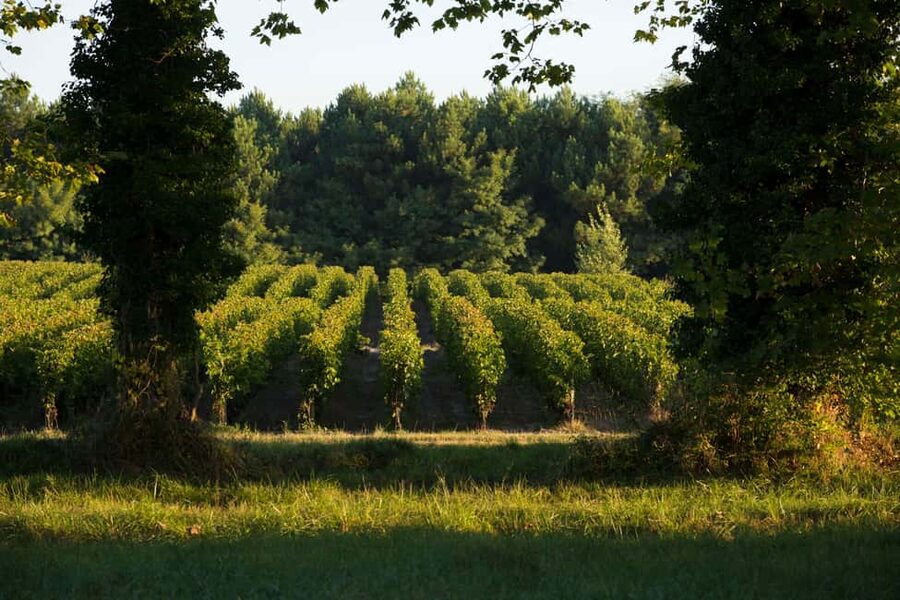
- A 220-hectare natural setting: The estate includes 60 hectares of cultivated vines and a wider area known for varied plant and animal life.
- Four Bordeaux wines are planned: The tasting includes two reds and two whites, made with familiar regional grape varieties.
- Thirteen soil types shape the vineyard: The 60 cultivated hectares are divided among different soils, giving the guide a useful way to explain vineyard choices.
- Environmental care is central: The estate has HVE 3 and ISO 14001 certification and began its organic conversion in 2022.
- Bring sensible shoes: You will be walking outdoors, and the visit is not suitable for wheelchair users or people with mobility impairments.
Arriving at Château Olivier From Bordeaux
The château sits in Nouvelle-Aquitaine, only 11 kilometers from Bordeaux, which makes it a practical choice when you want a taste of the wine country without committing to a full day in the Médoc, Saint-Émilion, or another distant wine area. The tour itself lasts one hour, so it can fit beside other Bordeaux plans.
You will not receive transportation with the booking. Drive or arrange your own way to the estate, then enter the driveway and follow the signs to reception. The entrance is in the building opposite the visitor parking area.
That last stretch matters if you are arriving by public transportation. A visitor who came by bus found the walk from the Piscine Chambry area or the end of the château lane longer than expected. I would check the route carefully before booking, especially in warm weather or if you are carrying luggage. A short tour can become a much longer outing when the final walk is not planned.
Once you reach reception, the setting should feel pleasantly removed from city traffic. The property covers 220 hectares, but only 60 hectares are cultivated with vines. That difference is important. You are not visiting a vineyard that has filled every available field with grapevines. A large part of the estate remains a habitat for plants and animals.
More Wine Tours in Bordeaux:
- St-Emilion & Médoc Wine Day Tour: Chateaus, Tastings and Lunch
★ 5.0 · 430 reviews - Bordeaux: Médoc & St-Emilion Wine 3 châteaux with lunch
★ 4.9 · 116 reviews - Half day tour Saint-Emilion : Village & Château with wine tasting
★ 4.5 · 114 reviews
Walking Through 60 Hectares of Vines
The vineyard tour introduces the cultivated heart of Château Olivier. Of the 60 hectares under vines, 52 hectares are planted with red varieties and 8 with white varieties. That balance reflects the estate’s Bordeaux identity, where red wine takes the larger role but white wine remains an important part of the production.
The guide explains the grape varieties used here. Merlot, Cabernet Sauvignon, and Petit Verdot go into the red wines. Sauvignon and Sémillon form the base of the whites. These names are familiar to anyone who has tasted Bordeaux, but the value of the visit is seeing them connected to one specific estate rather than hearing a broad regional lecture.
The vineyard is spread over 13 different soil types. You should not expect an hour-long tour to provide a technical soil science course, but this detail gives the guide a useful story to tell. Soil affects how vines grow, how much water they receive, and how growers decide which grapes belong in particular parts of the property.
I like this part of the visit because it links the glass in front of you to the ground beneath the vines. The tasting is more useful when you understand that the estate is not one uniform patch of land. Different plots can contribute different qualities to the finished wine.
The tour is guided, not a self-led walk. That makes the visit more engaging for people who want to ask questions. One French visitor praised the guide’s accessibility and willingness to answer questions, while another described the guide as passionate and fully engaged with the estate. Those comments point to an important strength: the experience depends heavily on the person leading it, and the available feedback gives good reason to expect a personal presentation rather than a rehearsed speech.
The 220-Hectare Nature Reserve
The most distinctive part of Château Olivier is not just the vineyard. The full property covers 220 hectares and supports a wide range of fauna and flora. The estate describes this biodiversity as exceptional, with the area treated as a rare nature reserve.
That gives the tour a wider purpose. You are not only learning how grapes become wine. You are also seeing how a winery can protect open ground, animal life, and plant life around the vines. For many wine visitors, that is more interesting than another quick look at barrels and bottles.
The tour explains the De Bethmann family’s connection to Château Olivier. The family has owned the estate for 138 years and has made environmental protection a central concern. That long ownership gives the guide a useful way to discuss how the property has been managed over time, though the supplied details do not promise a full family-history presentation.
You should expect the biodiversity portion to be observational and educational. The information provided does not promise a wildlife-spotting walk or named species, so do not book this expecting a formal birding excursion. Instead, think of it as a chance to understand the living setting around the vineyard and the choices made to protect it.
Photography is allowed, which is useful for documenting the vines, buildings, and natural areas. Smoking and littering are prohibited. Pets are not allowed, except for assistance dogs.
HVE 3, ISO 14001, and Organic Conversion
Château Olivier’s environmental work is not presented as a vague promise. The estate has HVE 3 certification, ISO 14001 certification, and began converting to organic production in 2022.
HVE 3 refers to a high level of environmental performance in farming. ISO 14001 concerns environmental management systems. You do not need a technical background to follow the discussion, but these certifications give the guide concrete material when explaining how the estate handles its land.
The move toward organic production was described as a natural step for the vineyard. That wording suggests the conversion grew from the estate’s existing approach to environmental care rather than appearing as a sudden marketing change. Still, you should be precise about what the information supports: the vineyard is in organic conversion, not described here as fully certified organic.
This is a good reason to choose Château Olivier if you want more than a standard tasting. You can ask how the conversion affects daily vineyard work, soil care, pest management, and the relationship between the cultivated plots and the surrounding reserve. The tour may not answer every technical question in one hour, but it gives you a clear framework for asking them.
A few more castle visits around Bordeaux worth a look
- Chateau du Taillan and Park including Wine Tasting Tour
★ 5.0 · 40 reviews - Château de Fieuzal, Pessac-Léognan: Visit and Tasting
★ 5.0 · 18 reviews - Bordeaux: Visit to Château de Reignac and prestige tasting
★ 4.8 · 13 reviews - Taillan-Médoc: Château Visit and Wine Tasting in Bordeaux
★ 4.9 · 10 reviews
Tasting Two Red and Two White Bordeaux Wines
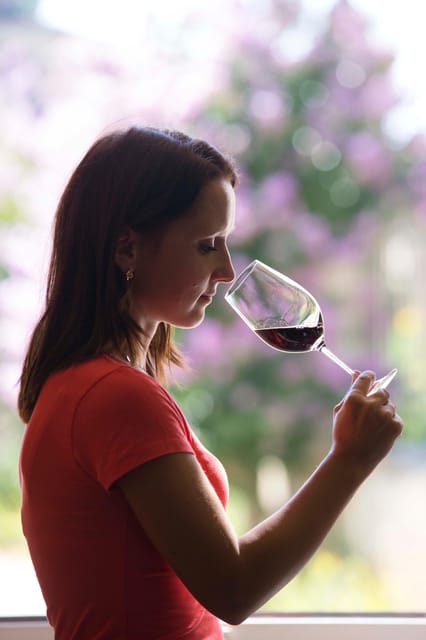
The tasting is the reward at the end of the visit. The stated format includes two red wines and two white wines, giving you a compact look at the estate’s range.
The red wines draw from Merlot, Cabernet Sauvignon, and Petit Verdot. Merlot generally brings softness and fruit, Cabernet Sauvignon contributes structure, and Petit Verdot is often used in smaller amounts for color and firmness. The exact blend and character of each wine are not provided, so you should listen to the guide’s explanation rather than arrive expecting a particular style.
The whites use Sauvignon and Sémillon. That pairing is common in Bordeaux and lets you compare the brighter, more aromatic character associated with Sauvignon to the fuller texture that Sémillon can bring. Again, the tasting is not simply a chance to drink. It connects the bottle to the varieties and soils introduced earlier.
One account specifically praised the quality of two wines tasted during the visit. Since the official experience describes two reds and two whites, I would confirm the current tasting lineup when booking if the number of pours matters to you. Wine programs can change with stock and season.
At $23 per person, the combination is good value. You are paying for a guided tour, an explanation of the estate’s conservation work, and a tasting, all within an hour. It is not the right choice if you want an extended meal, a large flight, or a full cellar workshop. It is well suited to a visitor who wants a focused introduction without spending half a day at one property.
Drink responsibly and remember that transportation is not included. If you are driving, plan around the tasting.
What the One-Hour Schedule Means
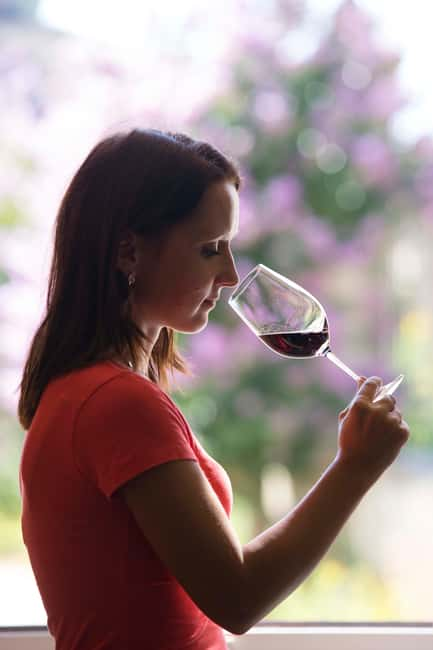
One hour is both a strength and a limitation. It keeps the visit easy to fit into a Bordeaux itinerary and prevents the tour from becoming an all-afternoon commitment. You can learn the basic story of the estate, walk through its setting, and taste the wines without giving up most of your day.
The tradeoff is pace. You will not have unlimited time to wander, photograph every corner, or ask a long list of technical questions. The château interior is also not part of the visit. One visitor called this a minor disappointment after an otherwise enjoyable experience.
That point matters if your mental picture includes a grand-house tour. The experience is centered on the vineyard, the natural setting, the environmental program, and the tasting. You may admire the château from outside, but the supplied details do not promise access to its interior.
I would prepare two or three questions before arriving. Ask about the 13 soils, the 2022 organic conversion, or how the estate protects wildlife alongside its cultivated 60 hectares. With a short tour, focused questions help you get more from the guide.
Comfort, Access, and Practical Limits
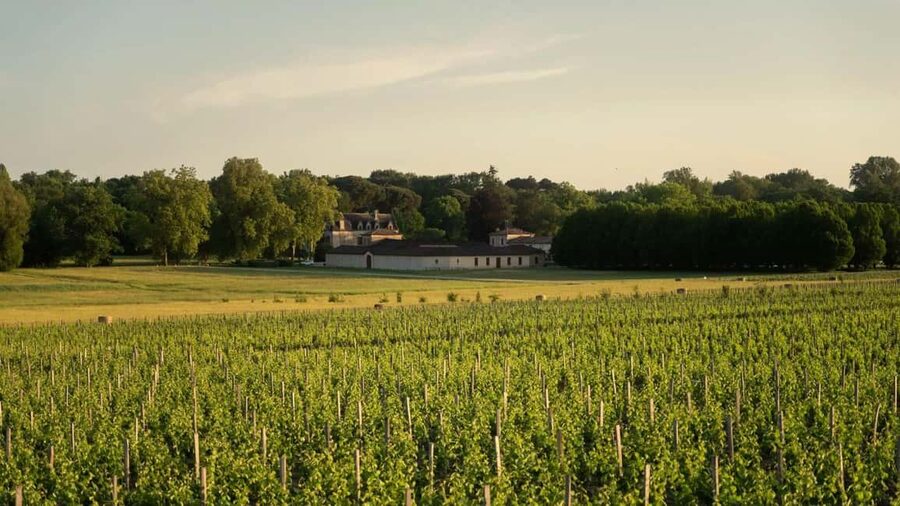
Wear comfortable walking shoes. The property is large, and even a guided route through part of the estate may include uneven outdoor ground. Check the weather before you go and dress for the conditions.
The activity is listed as unsuitable for people with mobility impairments, wheelchair users, and people with hearing impairments. This is not a minor footnote. If you need step-free access, adapted routes, or hearing support, contact the provider before booking rather than assuming the one-hour format makes the visit easy.
The tour is offered in French and English. If language is important to your experience, select the appropriate option when checking availability. Guides have been praised for being friendly, clear, and willing to answer questions, which should help you feel comfortable during the presentation.
Smoking and littering are not allowed anywhere on the premises. Photography is permitted, so you can bring a camera or phone, but the estate’s conservation focus is a good reminder to respect marked areas and leave plants and wildlife alone.
Free cancellation is available up to 24 hours before the visit for a full refund. You can also reserve and pay later, which is useful if your Bordeaux schedule is still shifting. Starting times vary, so check availability before building the rest of your day around the tour.
Who Will Enjoy Château Olivier Most
I would recommend this visit to wine drinkers who want a concise introduction to Bordeaux grapes and vineyard practice. It also suits people who care about environmental work and want to see how a winery manages a large natural area rather than focusing only on production.
It is a strong choice for:
- A first-time Bordeaux visitor with only an hour to spare
- Anyone interested in red and white Bordeaux wines in one tasting
- Visitors who prefer a guided explanation to a self-led walk
- People who value biodiversity and organic conversion
- Couples or small groups looking for a modestly priced outing near Bordeaux
I would be more cautious if your priority is an ornate château interior, a long cellar visit, extensive wine education, or easy public transportation right to the door. The tour is practical and focused, not lavish or elaborate.
Should You Book This Château Olivier Tour?
Book it if you want a short, fairly priced visit that joins wine with environmental care. The 220-hectare setting, 60 hectares of vines, 13 soil types, and organic conversion give the hour more substance than a basic tasting-room stop.
The strongest reasons to go are the guides, the clear focus on conservation, and the chance to taste both red and white Bordeaux wines. Laureen’s friendly presentation and another guide’s passion suggest that the human side of the visit is a real strength.
Skip it if you need accessible facilities, want to tour the château interior, or cannot arrange transportation to the estate. For everyone else, Château Olivier is a smart addition to a Bordeaux itinerary, especially when you want an informative visit that finishes with wine but does not treat the surrounding land as decoration.
FAQ
Where is Château Olivier located?
Château Olivier is in Nouvelle-Aquitaine, France, about 11 kilometers from Bordeaux.
How long does the Château Olivier tour last?
The guided visit and tasting last one hour.
How much does the experience cost?
The listed price is $23 per person.
Which languages are available?
The live guided tour is available in French and English.
How many wines are included in the tasting?
The stated tasting includes two red wines and two white wines.
Which grape varieties are used at Château Olivier?
The red wines use Merlot, Cabernet Sauvignon, and Petit Verdot. The white wines use Sauvignon and Sémillon.
Is transportation included?
No. Transportation to and from Château Olivier is not included.
Is the tour suitable for wheelchair users?
No. The experience is listed as unsuitable for wheelchair users, people with mobility impairments, and people with hearing impairments.
More 1-Hour Experiences in Bordeaux
- Loch Ness 1-Hour Cruise with Urquhart Castle Views
★ 4.5 · 1,102 reviews - Prague: 1-Hour Castle Tour With Fast-GET Admission Ticket
★ 4.5 · 435 reviews - Cordoba: Alcázar de los Reyes Cristianos 1-Hour Guided Tour
★ 3.8 · 240 reviews - Budapest: 3-hour City Tour with Castle Walk + 1-hour Cruise
★ 4.1 · 204 reviews
Just added around Bordeaux
- Saint Emilion Castle and Village Wine Tour★ 4.5 · 23 reviews
- Château de Fieuzal, Pessac-Léognan: Visit and Tasting★ 5.0 · 18 reviews
- Wine Tour of Mèdoc : Châteaux, Tastings and WSET Guide★ 5.0 · 21 reviews
- Full-day Saint-Emilion: Village, Undergrounds and Châteaux★ 4.5 · 55 reviews
- Private Wine Lovers – Super St Emilion – behind the scenes visits top chateaux and medieval town★ 5.0 · 25 reviews
- Bordeaux Médoc Region Private Wine Lovers Tour with Chateau Visits & Tastings★ 5.0 · 40 reviews
- On the Medoc Castle Route on a full day private tour (Premium Sedan)★ 3.0 · 2 reviews
- Chateau du Taillan and Park including Wine Tasting Tour★ 5.0 · 40 reviews
1-Hour Experiences, compared.
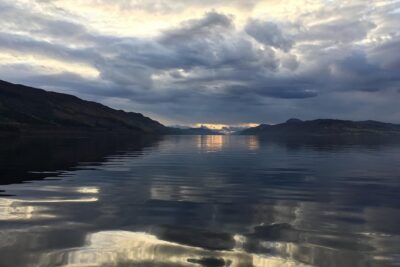
Loch Ness 1-Hour Cruise with Urquhart Castle Views
Read our review →
1-Hour Castle Tour With Fast-GET Admission Ticket
Read our review →
Alcázar de los Reyes Cristianos 1-Hour Guided Tour
Read our review →
3-hour City Tour with Castle Walk + 1-hour Cruise
Read our review →
1-Hour and a Half Walking Guided Tour in Medieval Newcastle
Read our review →

Browse the lists this tour appears in