
Review · FRANCE
Château Balestard La Tonnelle : The “Origins” tour
Old stones meet new wine technology. Château Balestard La Tonnelle gives you a compact, well-shaped introduction to Saint-Emilion, pairing a 15th-century watchtower with a 2019 architect-designed bioclimatic cellar. I like the small groups, limited to eight people, and the final tasting of three red wines on a 400-square-meter terrace with sweeping views toward Saint-Emilion. The one drawback is the brisk one-hour schedule, which leaves little room for lingering.
I also like the family connection: the winemaking family has been established here since 1647, so the visit has a clear sense of place rather than feeling like a generic cellar stop. Guide Audre received special praise for being kind, courteous, and able to speak Spanish, while another guide was praised for clear English. Plan carefully, though, because arriving more than 20 minutes late can lead to cancellation.
Key points at a glance
- A 400-square-meter panoramic terrace: Taste three red wines while looking across Saint-Emilion and nearby appellations.
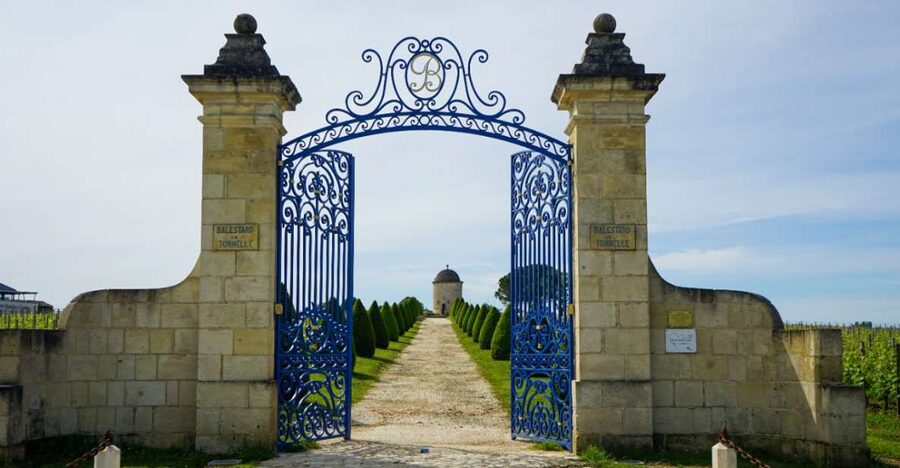
- A striking old-and-new setting: The 15th-century watchtower shares the property with a bioclimatic cellar built in 2019.
- A family estate dating to 1647: The visit connects modern winemaking with a long local family story.
- A one-hour cellar lesson: You move through the vineyard, vat room, and barrel cellar before tasting.
- Small groups of up to eight: The limited size should make questions and conversation easier.
- A $23 introduction to Saint-Emilion wine: The price includes the guided visit and three-wine tasting, but no food.
Arriving at the watchtower and boutique
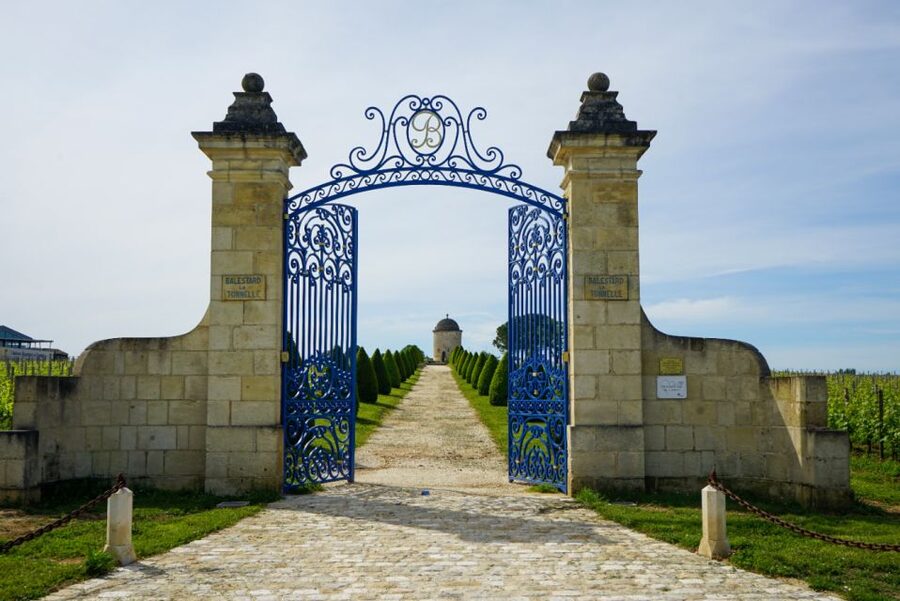
Your visit begins at Château Balestard La Tonnelle in Nouvelle-Aquitaine, in the Saint-Emilion wine area. Free parking is available at the property, which makes this a practical stop if you are exploring the region by car.
The meeting point takes a little attention. After parking by the watchtower, follow the path to the boutique. Do not assume that parking means you have already reached the reception point. The instructions ask you to arrive at the boutique five minutes before the scheduled start, a sensible buffer for finding the path and checking in.
I would take that timing seriously. The visit lasts only one hour, and the estate warns that a delay of more than 20 minutes may cause the tour to be canceled. This is not the sort of place where you want to arrive at the last second, especially if you need to orient yourself after parking.
The watchtower itself gives the arrival a strong sense of place. It is not just a modern tasting room beside a parking lot. You begin among remnants of the estate’s older defensive and agricultural past, then move toward the shop and the newer wine facilities.
A few more castle visits around France worth a look
- Loire Valley Castles Day Trip from Paris with Complementary Wine
★ 4.5 · 3,907 reviews - Carcassonne: Castle and Ramparts Entry Ticket
★ 4.6 · 2,884 reviews - Chambord: Entry Ticket to the Castle
★ 4.6 · 1,841 reviews
A family estate with roots reaching back to 1647
The family story gives the tour its backbone. The winemaking family has been connected with Saint-Emilion since 1647, a date that places the estate within several centuries of local wine production.
That does not mean the visit is a long historical lecture. Instead, the date helps you understand why the property combines inherited buildings, vineyards, and current production methods. You get a view of a working family estate that has had to adapt over time.
I find this kind of background useful because Saint-Emilion can sometimes feel like a place built entirely for wine tourism. A family connection dating to 1647 gives the château a more personal angle. It frames the wine as part of a continuing local occupation, not simply a product displayed for an hour.
The available comments about the guides also point to a warm, easygoing tone. Audre was praised for being especially courteous and for speaking Spanish. Another guide received strong marks for clear English, careful explanations, and a pleasant manner. If you do not speak French, the tour is offered in both French and English, with Spanish communication also noted for Audre.
The limestone plateau and the vineyard setting
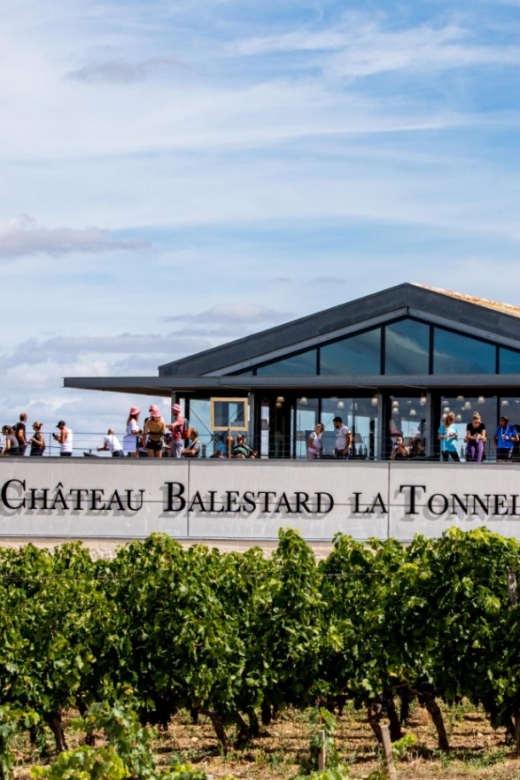
The estate sits on the limestone plateau of Saint-Emilion, an important detail for anyone trying to understand why this wine region is distinctive. The tour uses the vineyard as the starting point for explaining how wine moves from its roots to the glass.
You should not expect a long countryside walk from the one-hour format. The supplied details describe a guided visit through the vineyard, vat room, and barrel cellar, so the focus is on the production chain rather than a lengthy hike between distant plots.
That compact structure works well for a first visit. You can connect the setting, the grapes, the cellar equipment, and the finished wine without spending half a day on one property. It also makes the tour a good choice if you are visiting several Saint-Emilion estates and want a clear introduction rather than an exhaustive technical session.
The limestone plateau matters because the tour places the wine within its physical setting. You are not tasting three anonymous reds in a shop. You are tasting wine at the estate, with the village of Saint-Emilion and surrounding appellations visible from the terrace.
Inside the 2019 bioclimatic cellar
The most unusual architectural feature is the bioclimatic cellar built in 2019. It provides a sharp contrast with the 15th-century watchtower and gives the tour a modern edge.
An architect-designed wine building is valuable here because it shows how an old estate handles present-day production. You see that the property is not frozen in the past. The family history continues alongside newer ideas about cellar design and environmental conditions.
The phrase bioclimatic describes the building’s approach to climate and comfort, but the supplied details do not specify its exact systems or energy performance. I would treat the architecture as a visual and interpretive part of the visit rather than expect a technical engineering tour.
You move through the vat room and barrel cellar as part of the explanation of winemaking. These stops help organize the story:
- The vineyard shows where the wine begins.
- The vat room introduces the stage where grape juice becomes wine.
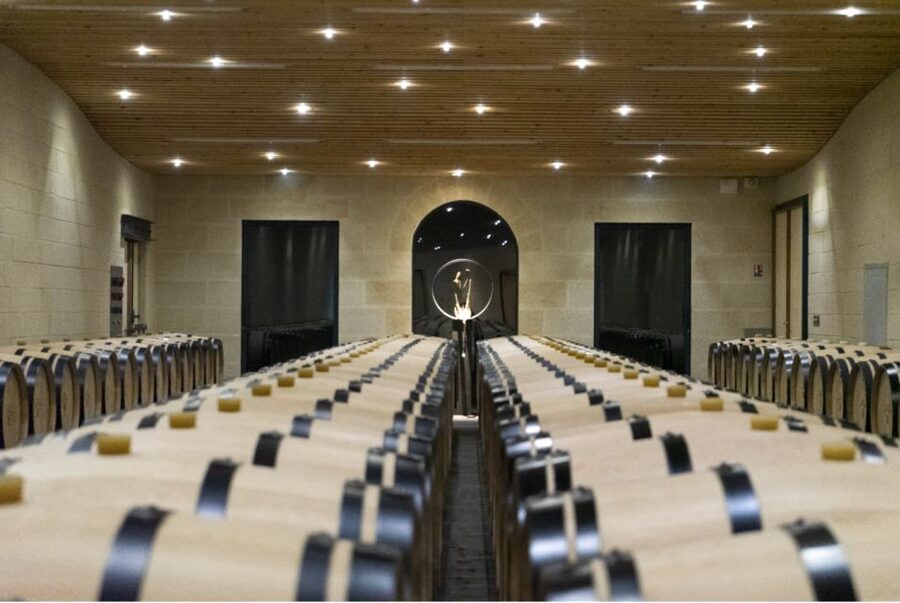
- The barrel cellar shows another part of the wine’s development before bottling and tasting.
That sequence is simple, but it is useful. You are given a physical route that matches the basic life of the wine. The tour does not just place a glass in front of you and expect you to fill in the blanks.
Same region, a different set of walls:
- From Paris: Loire Valley Castles Day Trip With Wine Tasting
★ 4.6 · 1,727 reviews - Chenonceau Castle Admission Ticket
★ 4.7 · 1,515 reviews - ★ Walking Tour of Old Nice and Castle Hill
★ 5.0 · 1,318 reviews - From Paris: Full-Day Loire Valley Chateaux Tour
★ 4.4 · 1,269 reviews
From vat room to barrel cellar
The vat room is the practical middle of the visit. Here, the guide explains how the fruit from the vineyard is handled and transformed. The information provided promises an explanation of making a great wine, from the roots to the tasting glass, so this is the section where the production process gets its clearest treatment.
The barrel cellar then shifts the mood. Barrels make the aging stage easy to picture, even if you are not a wine expert. You can connect the smell and appearance of the cellar with the final reds served at the end.
I appreciate this order because it gives the tasting some context. Once you reach the terrace, you have already seen the vineyard, production area, and barrels. The three wines are not isolated samples. They are the end point of the route.
Keep your expectations proportionate to the duration. One hour is enough for a useful introduction, but not enough for a long technical discussion about every grape, vintage, barrel choice, or soil variation. If you already know Saint-Emilion wines well, you may want a longer specialist visit. If you want the basic process explained in a tidy format, this schedule is a strength.
The 400-square-meter terrace tasting
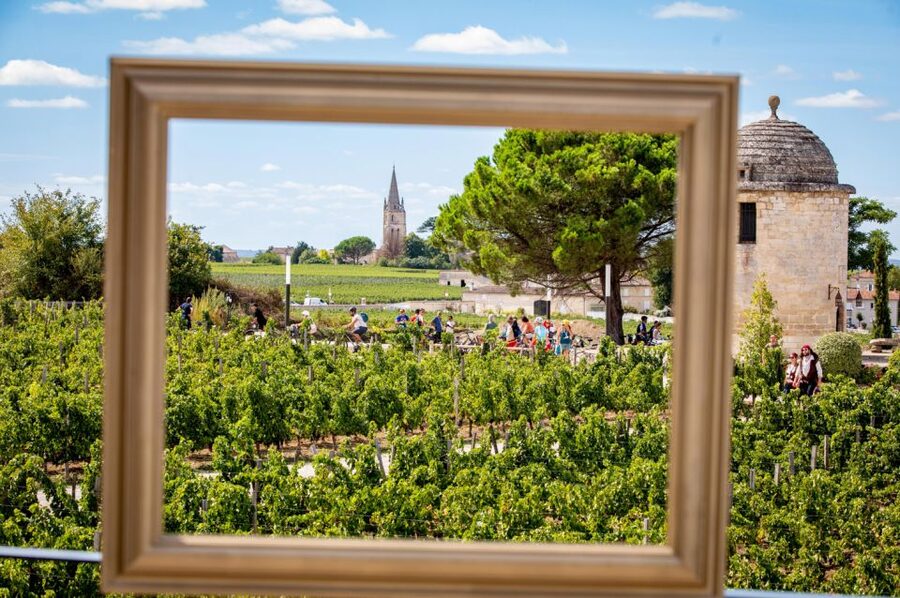
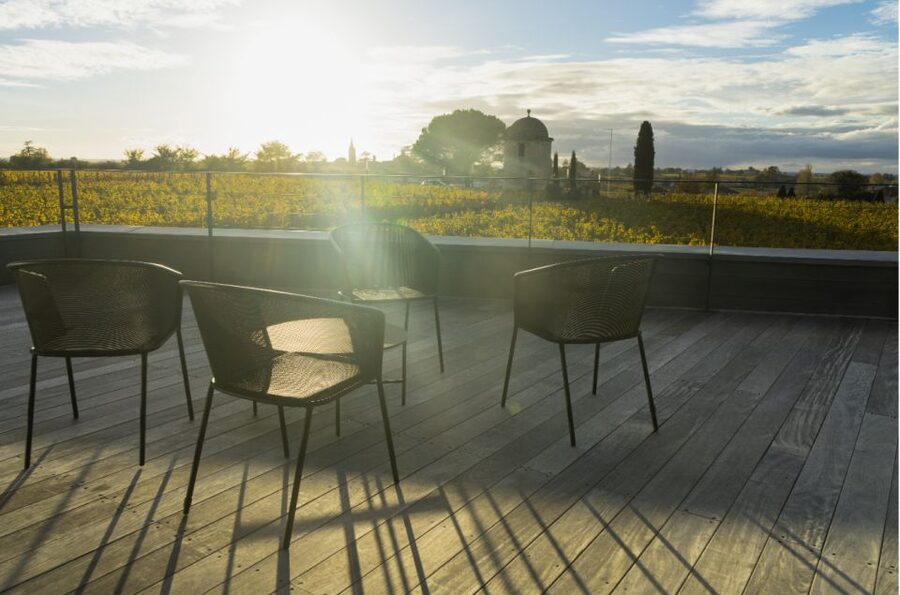
The finale takes place on a 400-square-meter panoramic terrace. This is the experience’s strongest visual feature. From here, you can see the village of Saint-Emilion and the surrounding appellations while tasting three red wines.
The terrace changes the tasting from a seated indoor sample into a place-based experience. You are looking at the area connected to the wine in your glass. That connection is especially helpful for first-time visitors who want to understand Saint-Emilion as a wine region rather than just a famous village.
One of the three wines is a Grand Cru Classé, which adds weight to the tasting. The other two wines are also red, giving you a small comparison rather than a single pour. The information provided does not specify the vintages, exact labels, or tasting order, so you should not expect a fixed lineup year-round.
A practical point: no food is included. The package covers the one-hour guided tour, the three-wine tasting, access to the panoramic terrace, and the property shop. If you need lunch or a substantial snack, arrange that separately before or after the visit.
The terrace is also a reason to consider the time of day and weather, although no particular best time is specified. Because part of the appeal is the open view, the setting will matter more than it would for an indoor-only cellar tasting.
What $23 buys you
At $23 per person, this is a reasonably priced way to get a structured Saint-Emilion wine visit. You are paying not only for three pours, but also for a guide, access to the production areas, the family and architectural story, and the terrace setting.
The value is strongest if you want several elements in one short stop. You see an old watchtower, a modern cellar, the vineyard setting, the vat room, and the barrel cellar, then finish with a Grand Cru Classé among the wines. That is a good amount of variety for one hour.
The value is less clear if you are mainly looking for a long tasting or a meal pairing. No food is included, and the schedule is designed as an introduction. Wine collectors seeking detailed vintage comparisons may find the format too brief, though the Grand Cru Classé adds interest.
The shop gives you a chance to buy wine at the property after the visit. The information does not specify shipping, prices, or selection, so ask at the boutique if you are considering a purchase and need help with transport.
Small groups and language support
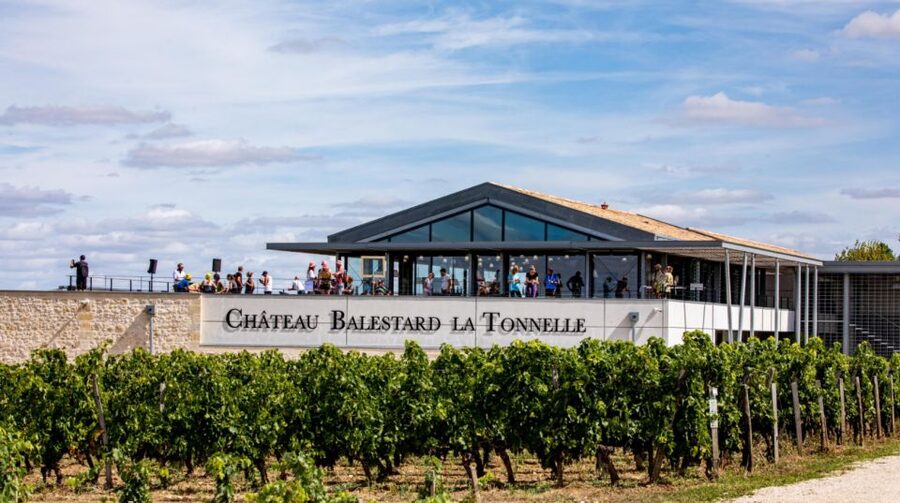
The group limit is eight participants, which is one of the better practical features. A small group gives you more room to hear the guide in the vat room and barrel cellar, and it should be easier to ask questions than in a large coach group.
The tour is offered in French and English. Clear English was specifically praised, and Audre was noted for speaking Spanish. That makes the experience more accessible for international visitors, though you should select or confirm the language you need when booking.
The tone appears to be friendly rather than formal. The comments about a relaxed atmosphere after the tasting fit the design of the experience: a small group, a family estate, and a terrace rather than a grand ceremonial room.
The property is listed as wheelchair accessible. That is important information for planning, although the supplied details do not describe the exact route, slopes, restroom setup, or terrace access. If you need precise mobility information, contact the château before reserving.
Who will enjoy this visit most
I would recommend Origins to first-time Saint-Emilion wine visitors who want a clear overview without giving up an entire afternoon. The route gives you enough background to understand how the wine is made, while the terrace supplies the memorable setting.
It also suits couples, small friend groups, and visitors who care about architecture as much as wine. The watchtower and 2019 cellar create a strong contrast, and the old-and-new combination gives you more to look at than a standard tasting room.
Families with children may appreciate the short duration, though the included activity is centered on wine tasting and no child-focused program is described. Groups with mixed interests may find the terrace and building more engaging than a purely technical cellar tour.
I would choose something longer if your main goal is detailed wine education, extensive food pairing, or a full meal. I would also avoid treating this as a substitute for exploring Saint-Emilion itself. The terrace gives you a view of the village, but this experience takes place at the château and returns you to the same starting point.
Smart planning before you book
Reserve with enough time to arrive at the boutique five minutes early. Park at the watchtower, then follow the path to the shop rather than waiting by the car.
Allow only one hour for the official visit. The tour begins and ends at Château Balestard La Tonnelle, so it fits neatly between other stops, but you should add extra time if you want to browse the shop or stay on the terrace after the tasting.
The activity offers free cancellation up to 24 hours before the start time and allows you to reserve while paying later. Those terms are useful if your Saint-Emilion plans depend on weather or a changing day schedule.
The property provides free parking, live guiding, French and English language options, and a group size capped at eight. Those details make the experience simple to fit into a driving itinerary.
Should you book Château Balestard La Tonnelle?
Book it if you want a polished, compact introduction to Saint-Emilion wine with a memorable setting. The best reasons are the 15th-century watchtower, the 2019 bioclimatic cellar, the family connection dating to 1647, and the three-red-wine tasting on the panoramic terrace.
At $23, the visit offers good value for an hour, especially if you are interested in how wine moves from vineyard to vat room to barrel cellar. The main caution is time: this is an introduction, not a full-day wine course. Arrive early, bring no expectation of included food, and choose it for the mix of history, architecture, production, and views.
FAQ
How long does the Château Balestard La Tonnelle tour last?
The guided experience lasts one hour and includes the visit and tasting.
How many wines are included?
You taste three red wines, including a Grand Cru Classé.
Where does the tasting take place?
The tasting takes place on a 400-square-meter panoramic terrace overlooking Saint-Emilion and the surrounding appellations.
What languages are available?
The live tour is offered in French and English. Spanish communication was also noted for guide Audre.
Is parking available at the château?
Yes. Free parking is available at the property. After parking by the watchtower, follow the path to the boutique for check-in.
Is the experience wheelchair accessible?
Yes, the activity is listed as wheelchair accessible. The available information does not provide detailed access notes for each area, so contact the property if you need specific route information.
Just added around France
- Carcassonne: Secrets of the Castle’s Defense Self-Guided Tour★ 4.5 · 8 reviews
- Complete Private Tour City and Castle of Carcassonne★ 5.0 · 12 reviews
- Saint Emilion Castle and Village Wine Tour★ 4.5 · 23 reviews
- Château de Fieuzal, Pessac-Léognan: Visit and Tasting★ 5.0 · 18 reviews
- Wine Tour of Mèdoc : Châteaux, Tastings and WSET Guide★ 5.0 · 21 reviews
- Full-day Saint-Emilion: Village, Undergrounds and Châteaux★ 4.5 · 55 reviews
- On the Medoc Castle Route on a full day private tour (Premium Sedan)★ 3.0 · 2 reviews
- Private Wine Lovers – Super St Emilion – behind the scenes visits top chateaux and medieval town★ 5.0 · 25 reviews
France Castle Tours, compared.
Loire Valley Castles Day Trip from Paris with Complementary Wine
Read our review →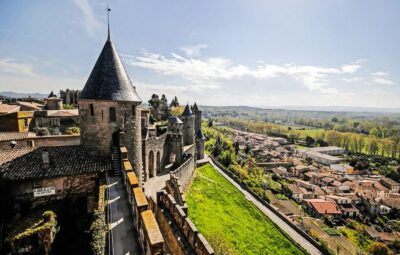
Carcassonne: Castle and Ramparts Entry Ticket
Read our review →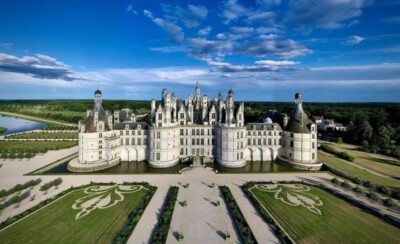
Loire Valley Castles Day Trip With Wine Tasting
Read our review →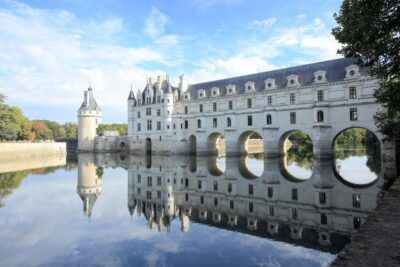
Loire Valley Castles Trip with Chenonceau and Chambord from Paris
Read our review →Browse the lists this tour appears in