
Review · BRATISLAVA
Bratislava: Guided Walking Tour with Castle Entry Ticket
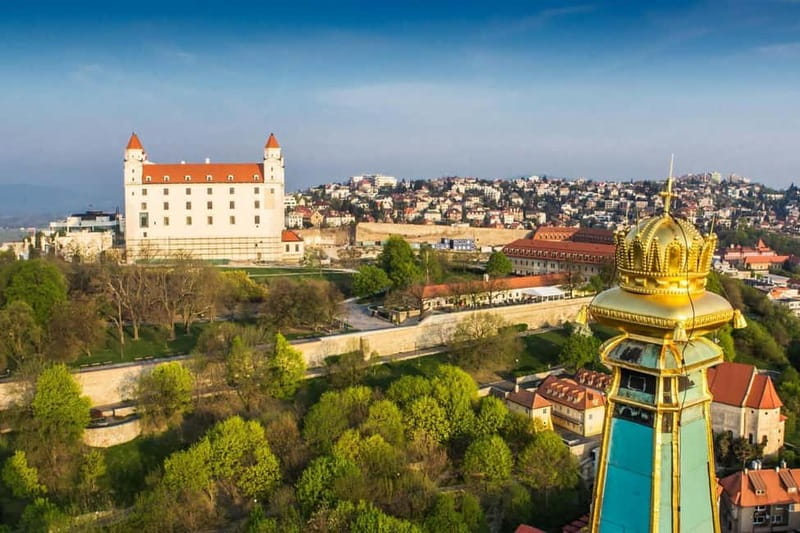
Bratislava rewards a slow first walk. This afternoon tour gives you a useful introduction to Slovakia’s capital, pairing the old town’s main sights with entry to Bratislava Castle. I especially like the clear route through the historic center and the chance to explore the castle at your own pace after the guided portion. The main consideration is the uphill walk to the castle, which can be tiring and is not suitable for people with limited mobility.
The tour also earns points for its historical range. You move from the Great Moravia era and Hungarian coronations to Czechoslovakia, communism, the Velvet Revolution, and Slovakia’s 2004 European Union membership. At $74 per person for two to three hours, the price makes the most sense if you want a guide who can connect Bratislava’s buildings to the country’s complicated past, rather than simply point out façades.
Key points to know before booking
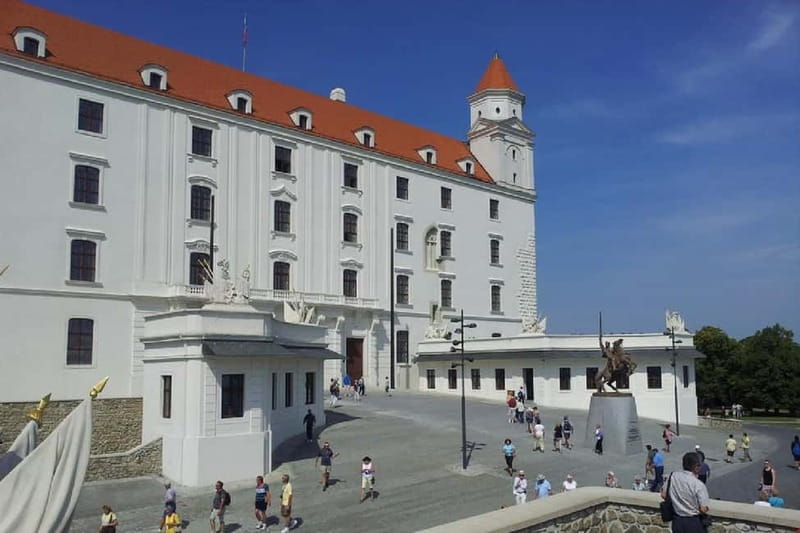
- The route covers Bratislava’s core sights: You see the Opera House, Reduta, Main Square, Old Town Hall, Franciscan Church, Michael’s Gate, several historic streets, and St. Martin’s Cathedral.
- The castle visit is partly self-guided: Your guide explains the castle before you enter, then you explore its interior independently.
- The tour explains several turning points: Expect stories about Great Moravia, Hungarian royal coronations, Czechoslovakia, communism, the Velvet Revolution, and European Union membership.
- The walk ends with an uphill climb: Bratislava Castle sits above the city, so comfortable shoes and a reasonable level of fitness matter.
- Guide quality can shape the experience: Erika, Elena, Milan, Lucia, and others have received warm praise for clear explanations and friendly service, though one opinion found Erika’s style tiring.
- The tour runs in English or German: Private groups are available, and the activity takes place in rain or shine.
Starting in Bratislava’s old town
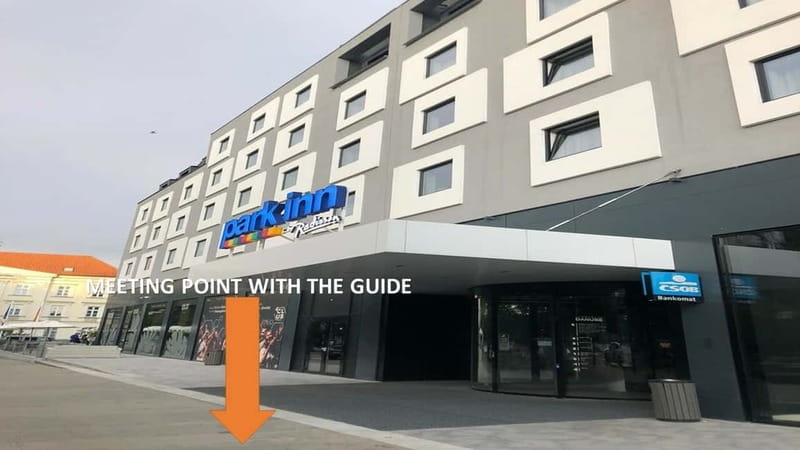
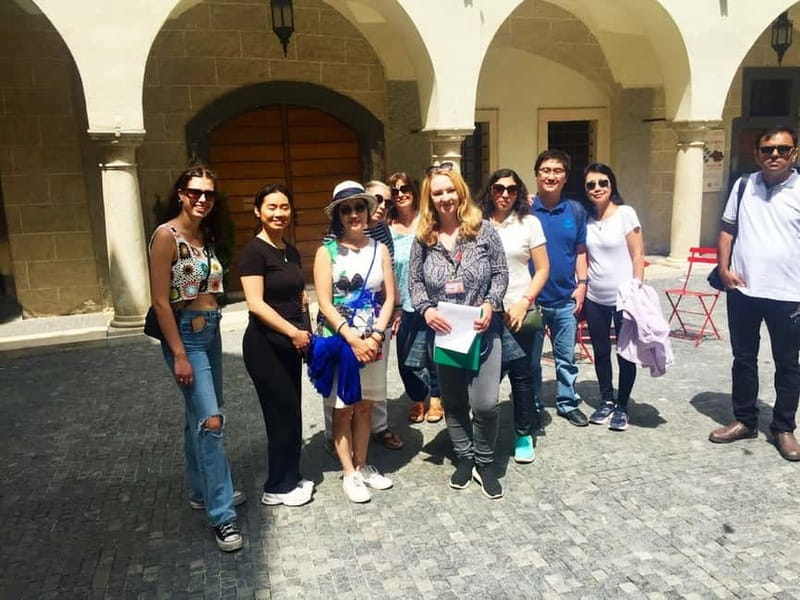
You meet your guide in the afternoon and should arrive 10 minutes early. Look for a guide holding a sign with your name or a Bratislava City Tours sign. Hotel pickup and drop-off are not included, so plan to reach the meeting point independently.
The opening talk gives you basic bearings before the walking begins. That matters in Bratislava because the city’s story crosses several political borders and identities. You are not only learning about a Slovak capital. You are hearing about a place once tied to Great Moravia, the Hungarian Kingdom, Czechoslovakia, communist rule, and modern Slovakia.
I like this approach because it gives the buildings a reason to matter. A church or palace is easier to remember when you know which rulers, governments, or public changes shaped the city around it.
The guide introduces the old Slavs, who helped form the population connected with modern Slovaks, and explains the Great Moravia Empire. The discussion then moves to the period when Bratislava served as the capital of the Hungarian Kingdom. Hungarian kings and queens were crowned here, a detail that gives the quiet streets a much larger role in Central European history.
The political story continues through Czechoslovakia and the darker period of Slovak communism. You also hear about the Velvet Revolution and the later path toward Slovakia joining the European Union in 2004. This is useful context for anyone who knows Bratislava mainly as a pleasant stop between Vienna, Budapest, and Prague.
More Castle Entry Tickets in Bratislava:
- Seville: Royal Alcázar Entry Ticket
★ 4.6 · 28,378 reviews - Edinburgh Castle: Guided Walking Tour with Entry Ticket
★ 4.7 · 11,699 reviews - Prague: Castle Tour with Local Guide and Entry Ticket
★ 4.6 · 10,422 reviews
The Opera House, Reduta, and Main Square
The route brings you to the Opera House and the House of Reduta before continuing toward the Main Square. These buildings help introduce Bratislava’s cultural and civic center without requiring a long detour.
The Main Square is a good place to pause and get a sense of the old town’s scale. You also pass Old Town Hall, one of the key historic buildings in this part of the city. Since the tour focuses on walking and storytelling, you should expect exterior views and explanations rather than a long interior visit at every stop.
That is one reason the experience works well as a first afternoon in Bratislava. You see the main framework of the center without spending the whole day inside museums. If you want detailed museum time, you will need to return to certain places on your own.
A guide can also point out details you might pass without noticing. The most useful part of a walking tour is often not the grand monument, but the connection between several ordinary-looking streets and the events that took place there.
Franciscan Square and Bratislava’s oldest building
At Franciscan Square, the tour reaches the Franciscan Church, described as the oldest building in Bratislava. This is one of the more meaningful stops because it gives the old town a physical link to its earliest surviving architecture.
The square and church also offer a change of pace from the larger public spaces. You get a closer look at the city’s older religious and civic character, while the guide fills in the stories that make the setting easier to understand.
If you enjoy architecture, this part of the route should be a highlight. If you prefer long interior visits, keep your expectations modest. The walking tour is designed to show you important places and explain them, not to provide an extended study of every building.
Biela Street, Michalska Street, and Michael’s Gate
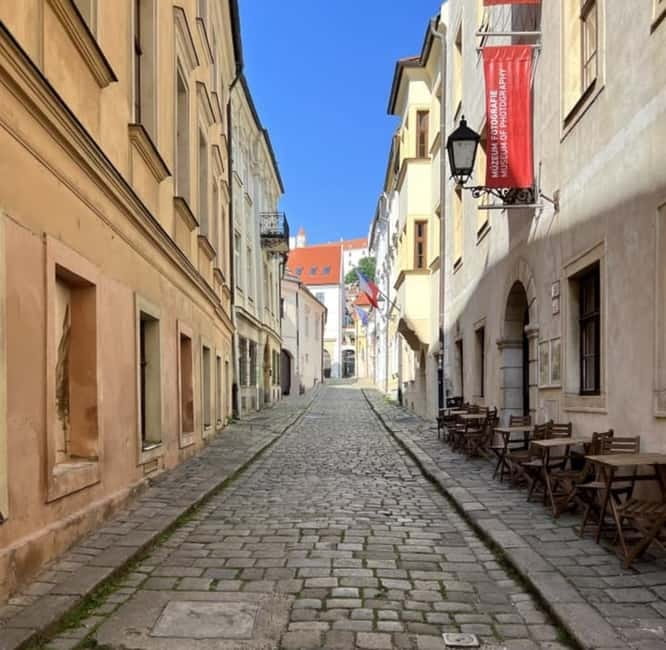
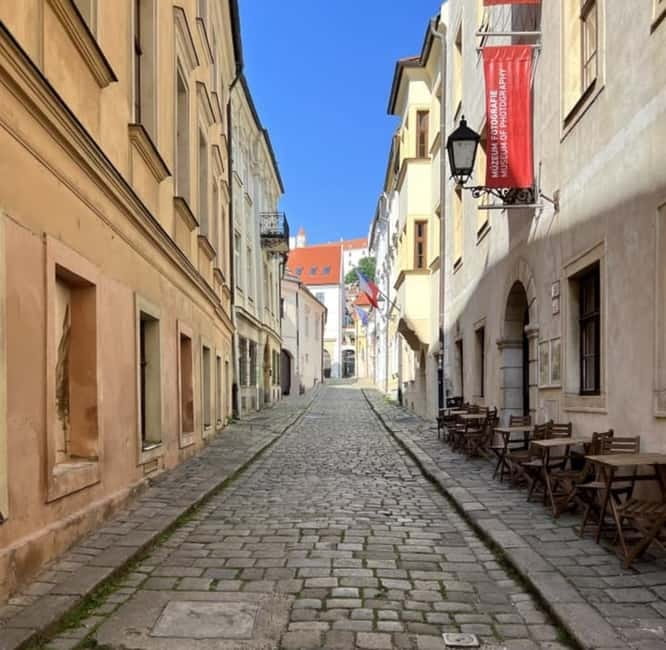
The walk continues along Biela Street and Michalska Street toward Michael’s Gate. This section lets you experience the old town as a connected quarter rather than as a series of isolated stops.
Michael’s Gate is one of Bratislava’s best-known historic landmarks, and the approach through the narrow streets helps explain its role in the old city. You also pass historic buildings and palaces along Venturska Street and Panska Street.
I appreciate this part of the route because the streets themselves become part of the lesson. A coach cannot provide this close view, and a quick self-guided loop may leave you unsure about what you are seeing. Walking with a guide gives you time to notice the changes in building style and the way the streets lead from one square to another.
The pace appears to be leisurely enough for photographs and questions. One guide, Erika, was praised for stopping to take pictures and adjusting the amount of time spent at different places. That kind of flexibility is useful for families and small private groups, though the exact style depends on your assigned guide.
More Castle Walking Tours in Bratislava:
- Bratislava City & Castle Walking Tour with Sebastian in English
★ 5.0 · 289 reviews - Bratislava walk tour with bonuses and castle 3€ + Tip, kids free
★ 5.0 · 191 reviews - Bratislava: Old Town and Castle Walking Tour
★ 4.6 · 86 reviews - The Story of Bratislava: City and Castle Walking Tour with Locals
★ 5.0 · 31 reviews
St. Martin’s Cathedral and the route’s ending
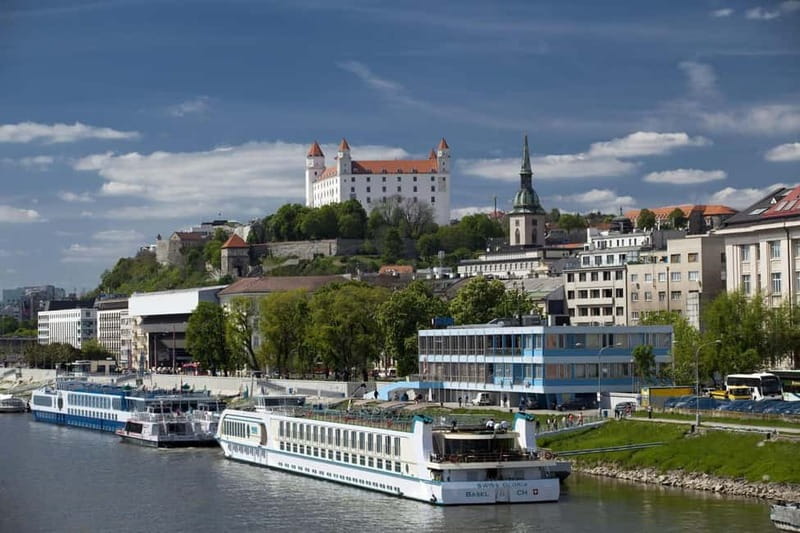
The guided old town portion ends at St. Martin’s Cathedral. This is a fitting point because the cathedral connects the city’s religious story with its former role in the Hungarian Kingdom.
By this stage, you have walked through the main historic center and heard the broad political story of the country. The tour does not treat Bratislava as a collection of pretty streets alone. It shows how royal power, religion, national identity, and twentieth-century politics all overlap here.
The cathedral is also a practical transition point. From there, you walk up to Bratislava Castle, which sits above the city. The uphill section is important to plan for. This is not a flat old town stroll from start to finish, and the route is specifically unsuitable for people with mobility impairments.
Walking up to Bratislava Castle
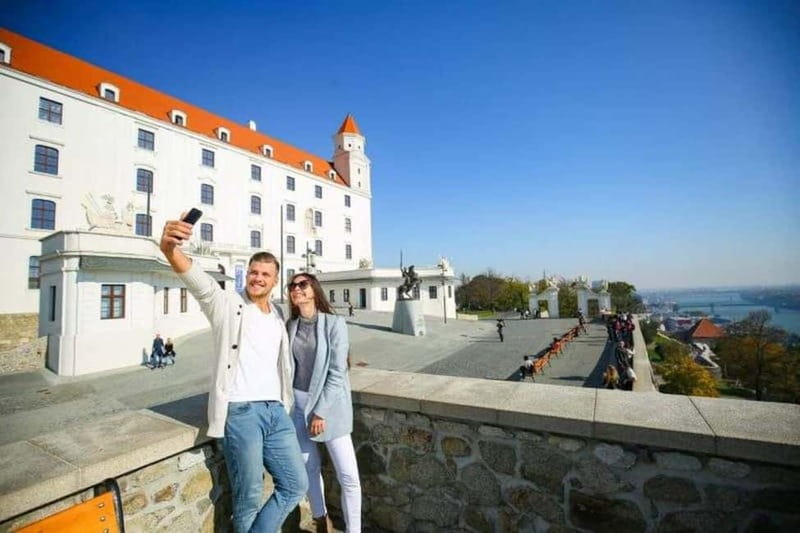
The climb to Bratislava Castle is the tour’s main physical challenge. Wear comfortable shoes and expect the walk upward to take effort, especially if you have already spent the afternoon on your feet.
The reward is the castle’s position above Bratislava. It is one of the city’s strongest symbols, and the elevated setting helps you understand the relationship between the old town and the castle. Your guide gives you an introduction before you enter, so you arrive with some sense of the building’s importance rather than treating it as an empty photo stop.
The castle is also where the tour changes character. The old town is guided stop by stop. Inside the castle, you explore independently. I like that arrangement because you can move at your own speed after receiving the essential background.
You might prefer more direction inside, especially if you enjoy a room-by-room explanation. In that case, ask your guide any final questions before separating for independent exploration. The included entry ticket and skip-the-ticket-line access save time, but they do not turn the castle visit into a private museum tour.
An official state visit can close the castle. If that happens, you are informed and fully refunded. This is a rare but important point to keep in mind if the castle is the main reason you are booking.
How much history can fit into three hours?
The stated duration is two to three hours, with the afternoon start time varying by date. The amount of material is substantial for a short city tour. You cover ancient Slovak origins, Great Moravia, Hungarian royal ceremonies, Czechoslovakia, communism, the Velvet Revolution, and European Union membership.
That range is one of the tour’s strongest features, but it can also make the experience feel dense. One guide may tell the story with a calm, measured pace. Another may deliver a great deal of information quickly. The feedback about Erika was mostly warm, including praise for her friendliness and ability to keep a nine-year-old engaged, but one person found her style tiring.
The best match is someone who wants context and is happy to listen. If you want only a quick photo walk with minimal narration, this may feel too talk-heavy. On the other hand, guides such as Milan and Elena have been praised for answering questions carefully and explaining the city in a systematic way.
The tour is offered in English and German. Guide assignment matters, but the available feedback points to a generally strong standard. Lucia was also praised for an engaging approach, while one German-language participant described Erika as kind and eager to help.
What $74 includes, and where the value lies
The price is $74 per person. That includes the walking tour, a professional guide, and entry to Bratislava Castle. It does not include transport to the meeting point or hotel pickup and drop-off.
For a short city experience, that is not a bargain price. You are paying for two things: a guided orientation through the historic center and admission to one of Bratislava’s main landmarks. The value improves if you are visiting for the first time, have limited time, or want the country’s history explained in a connected way.
A self-guided walk costs less, of course. You can see the same streets and buildings on your own, but you would need to research the background and purchase castle admission separately. This tour removes that planning work and gives you a local person to answer questions.
The private-group option may make the price easier to justify for families or friends who want to control the pace. A small group can also make it simpler to spend longer at a favorite stop or take family photographs.
Who should book this Bratislava tour?
I would choose this experience if you have just a few hours in Bratislava and want a clear first look at the city. It suits first-time visitors, history fans, families with older children, and anyone who likes seeing the main sights before returning to favorites independently.
It is also a sensible choice if Bratislava is part of a larger Central European trip. The historical explanation helps you place the city between the Hungarian, Czech, Slovak, and broader European stories that shaped it.
Families can do well here. Erika received specific praise for keeping a nine-year-old interested during the three-hour experience, and guides have accommodated requests to change the amount of time spent at different sights.
I would hesitate if you have trouble walking uphill, need a fully accessible route, or prefer a relaxed café-and-photo outing with very little narration. The tour runs rain or shine, and the climb to the castle cannot be removed from the route.
My verdict on the guide-led old town and castle visit
Book this tour if you want historical context, a well-planned old town route, and castle admission in one outing. The strongest part is the way the guide links Bratislava’s streets to the city’s royal, national, and modern political story.
At $74, you should expect more than directions and landmark names. You are paying for explanation, local insight, and a useful route that finishes at the city’s defining hilltop monument. The self-guided castle time gives you breathing room after the information-heavy walk.
Skip it if you want to explore at your own pace from the start or if the uphill section would be uncomfortable. For most first-time visitors who can manage the walk, though, this is a practical way to get your bearings and understand why Bratislava is more than a pretty stop on a Central European itinerary.
FAQ
How long does the Bratislava walking tour last?
The activity lasts two to three hours.
What language is the tour offered in?
The tour is available in English and German.
Does the tour include Bratislava Castle admission?
Yes. Bratislava Castle entry is included in the price.
Is the castle visit guided?
Your guide introduces the castle, then you explore it independently at your own pace.
Where does the walking tour end?
The guided old town route ends at St. Martin’s Cathedral before continuing uphill to Bratislava Castle.
Is hotel pickup included?
No. Hotel pickup and drop-off are not included.
How early should I arrive?
You should arrive 10 minutes before the activity starts.
How do I identify my guide?
Your guide will hold a sign with your name or a Bratislava City Tours sign.
Is the tour suitable for people with limited mobility?
No. The tour is not recommended for people with mobility impairments because it includes a walk uphill to Bratislava Castle.
What happens if Bratislava Castle closes for an official state visit?
You will be informed if a closure is announced and receive a full refund.
More Guided Castle Tours in Bratislava
- Seville: Cathedral, Giralda & Alcazar Entry With Guided Tour
★ 4.6 · 8,560 reviews - Edinburgh Castle: Guided Walking Tour with Entry Ticket
★ 5.0 · 5,540 reviews - Stonehenge, Windsor Castle and Bath Full Day Guided Tour
★ 4.5 · 5,346 reviews - Edinburgh Castle Guided Walking Tour in English
★ 5.0 · 5,214 reviews
Just added around Bratislava
- Bratislava Day trip to Bojnice Castle and Cicmany Village★ 4.0 · 8 reviews
- Private Grand City Tour in Bratislava with Devin Castle★ 4.5 · 14 reviews
- UFO & Blue Church Tour and Big Castle Tour Combo★ 4.0 · 56 reviews
- Highlights of Bratislava’s Old Town with Castle★ 5.0 · 17 reviews
- The Story of Bratislava: City and Castle Walking Tour with Locals★ 5.0 · 31 reviews
- Big Castle Tour in Bratislava by Presporacik Sightseeing Vehicle★ 4.5 · 156 reviews
- Bratislava Sightseeing Danube Cruise to Devin Castle★ 3.5 · 6 reviews
- Bratislava City and Castle Private Tour with Minivan★ 5.0 · 10 reviews
Castle Entry Tickets, compared.
Edinburgh Castle: Guided Walking Tour with Entry Ticket
Read our review →
Castle Tour with Local Guide and Entry Ticket
Read our review →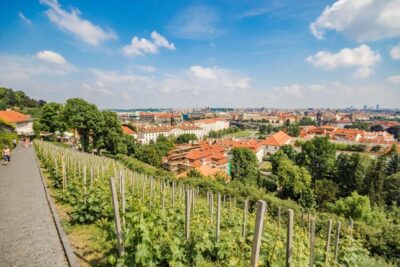
Prague Castle 2.5-Hour Tour Including Admission Ticket
Read our review →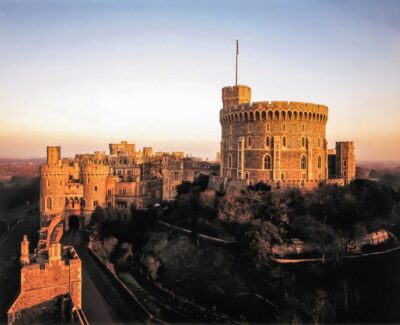
Edinburgh Castle: Guided Walking Tour with Entry Ticket
Read our review →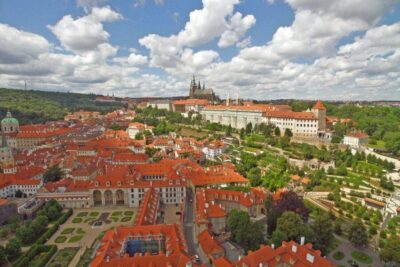
Prague Castle and Lobkowicz Palace Entry Tickets
Read our review →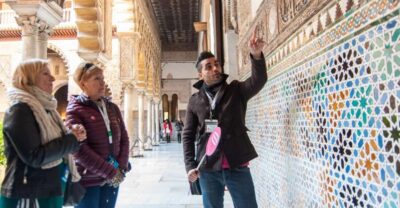
Alcázar and Cathedral Entry Ticket and Guided Tour
Read our review →Browse the lists this tour appears in