
Review · FRANCE
Angers: Château d’Angers Entrance Ticket
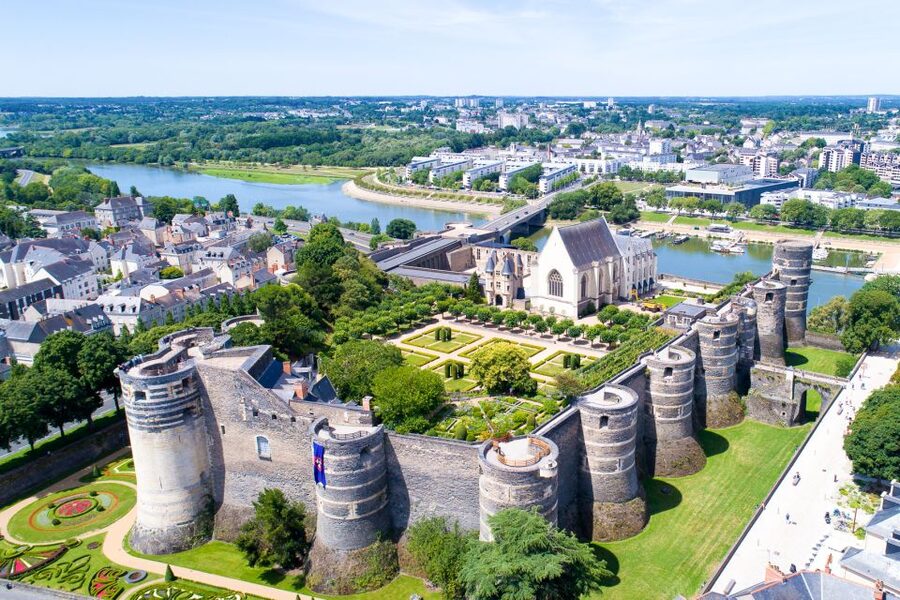
Medieval walls, monumental woven art, and wide city views. This $12 ticket gives you access to the Château d’Angers, a fortress founded by the Counts of Anjou in the ninth century and greatly expanded in the thirteenth century. I especially like the chance to walk the ramparts for panoramic views of Angers, and I consider the 103-meter Apocalypse Gallery the main reason to visit.
I also like that the ticket remains valid for a full day, giving you time to explore the gardens, moats, chapel, royal dwelling, and fortified walls at your own pace. The main consideration is that the ticket is non-refundable, and several areas close before the monument itself, so arriving late can mean missing important rooms.
Key points to know before you go
- The Apocalypse Gallery is the star attraction: See a 103-meter medieval woven work, created in 1375 and displayed in its own large gallery.
- The 17 towers create a powerful first impression: The castle’s dark fortress walls are far more imposing than a typical royal residence.
- The ramparts offer the best views: A walk along the walls gives you a broad look across Angers and the surrounding city.
- The visit mixes outdoor and indoor spaces: Gardens, moats, and ramparts are open to the weather, while the chapel and gallery offer shelter.
- The $12 price is strong value: You get a full day to explore a major historic monument rather than a short timed attraction.
- Closing times require planning: The ticket office and last access end 45 minutes before closing, while several key areas close earlier.
Why Château d’Angers feels different from a palace
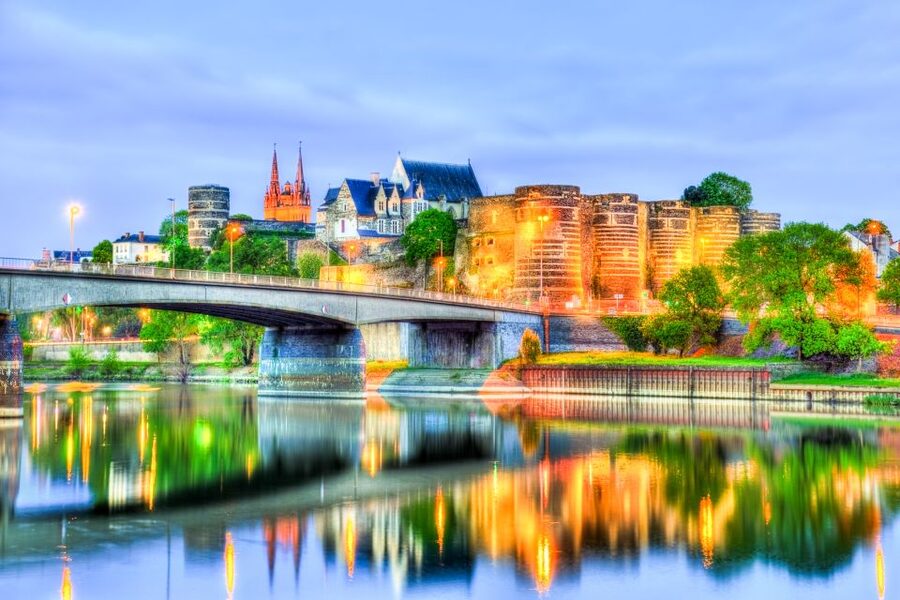
Château d’Angers is not a delicate royal château with airy facades and polished ceremonial rooms. It is a serious medieval fortress, built to protect the Counts of Anjou and control the city.
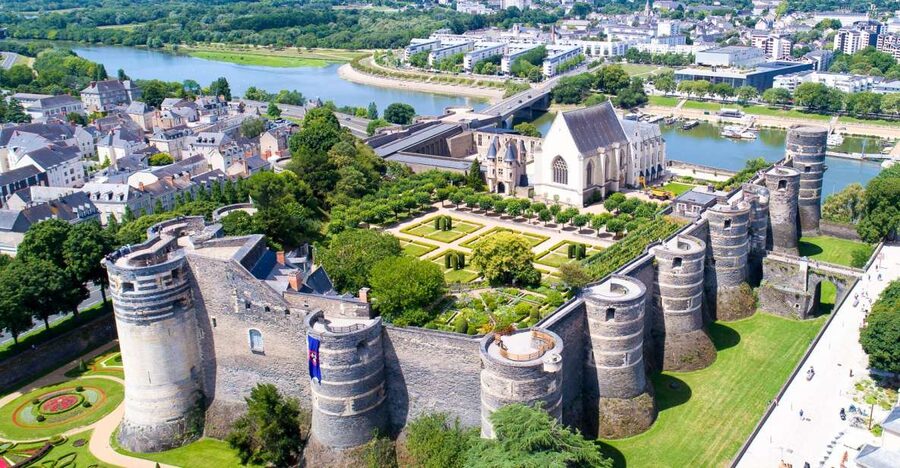
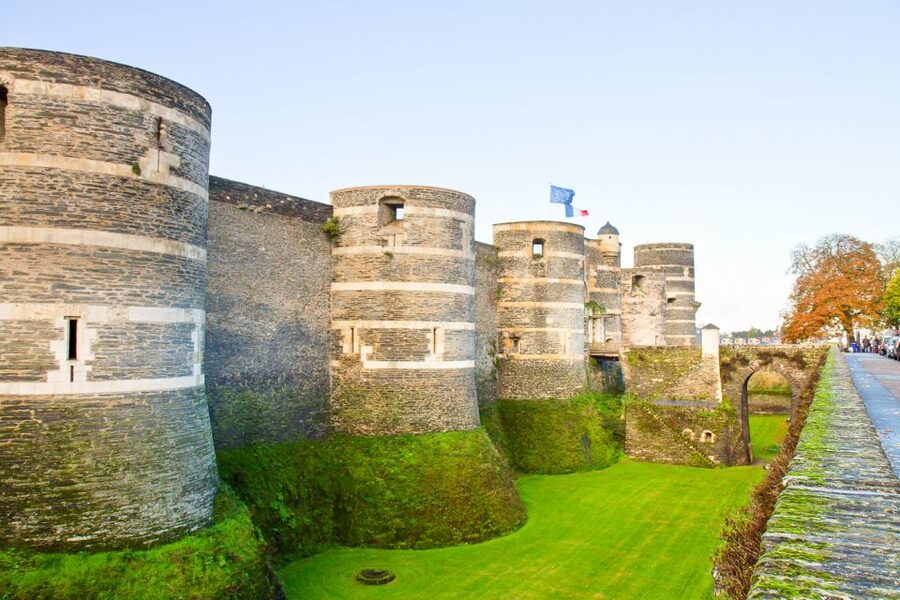
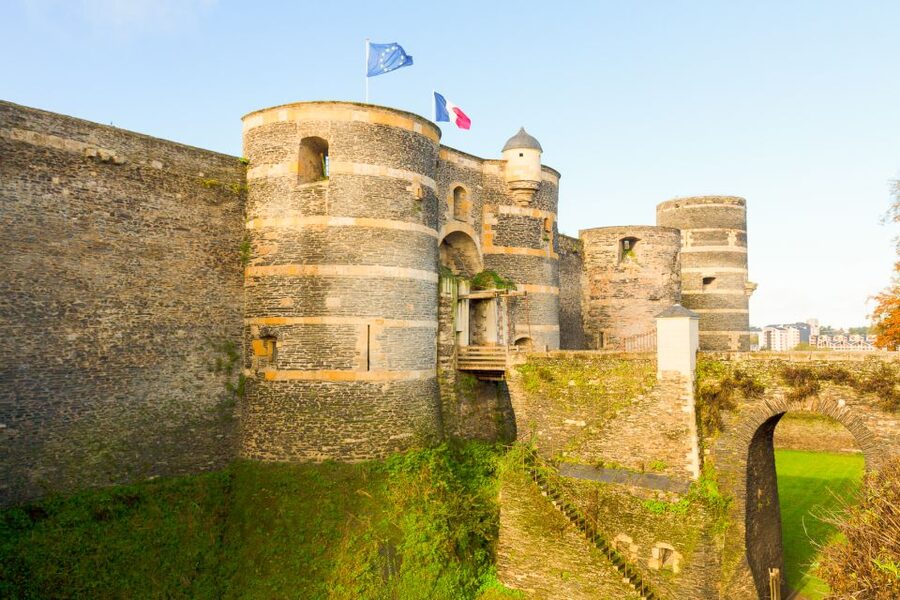
The most striking feature is the long defensive wall lined with 17 looming towers. Their scale gives you a clear sense of how military architecture shaped medieval France. The towers are made from dark stone and create a strong contrast with the more refined courtly spaces inside.
The site began in the ninth century under the Counts of Anjou. In the thirteenth century, it was expanded into the fortified complex you see today. That long development gives the visit several layers. You are not looking at one single building from one period, but at a site that changed as political power, warfare, and court life changed.
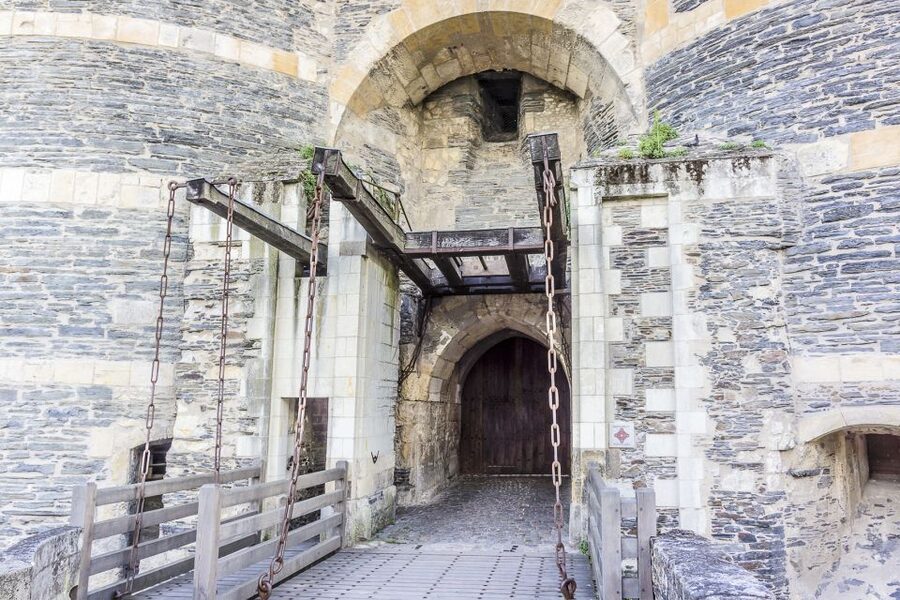
I recommend taking a few minutes outside the entrance to look at the overall shape of the fortress before going in. The walls and towers make more sense when you first see them as a defensive system. Once inside, you can then notice the less severe parts of the complex, including the gardens, chapel, royal dwelling, and spaces connected with court life.
More Castle Entry Tickets in France
- Carcassonne: Castle and Ramparts Entry Ticket
★ 4.6 · 2,884 reviews - Chambord: Entry Ticket to the Castle
★ 4.6 · 1,841 reviews - Chenonceau Castle Admission Ticket
★ 4.7 · 1,515 reviews
Entering the fortress and getting your bearings
The meeting point is Château d’Angers at 2, Promenade du Bout du Monde. Your ticket provides entrance to the monument, but it does not promise a full guided tour. That matters if you are hoping for a detailed historical explanation at every stop.
After admission, I would first get a general sense of the layout. The complex includes outdoor areas, exhibition spaces, the Apocalypse Gallery, the chapel, the royal dwelling, gardens, moats, and the ramparts. You will get more from the visit if you treat it as a series of connected spaces rather than rushing directly to the famous gallery.
The fortress itself is the first major sight. Its 17 towers dominate the visit and immediately explain why this site mattered. The exterior is not simply decorative. It reflects the need to defend an important seat of power.
Because the ticket is good for one day, you can take your time. That is useful if you want to study the military structure, return to a favorite view, or move indoors when the weather changes. It also lets you avoid the common mistake of spending all your time in the first courtyard and then hurrying through the best interior sections.
Walking the ramparts above Angers
The ramparts are one of the best parts of the visit. From the walls, you get elevated views across Angers and a better understanding of the castle’s position within the city.
The walk also gives you the clearest sense of the fortress as a working defensive structure. From ground level, the towers can seem like a repeated row of massive stone buildings. From the walls, you see how they connect and how the fortifications created a continuous barrier.
I like this part because it combines history with a simple physical experience. You are not only looking at medieval architecture behind glass. You are walking along the same kind of defensive route that once allowed guards to monitor approaches to the fortress.
Bring an extra layer, especially outside summer. The ramparts are exposed to wind, and the castle includes several outdoor sections. If the weather is poor, you can spend more time in the gallery, chapel, and other indoor areas, but do not skip the walls entirely if conditions are safe. The city views are a major part of the ticket’s value.
The walls may be less comfortable for anyone who dislikes wind or uneven historic surfaces. The supplied information does not give detailed accessibility guidance, so you should check directly with the monument if mobility is a concern.
The gardens, moats, and quieter corners
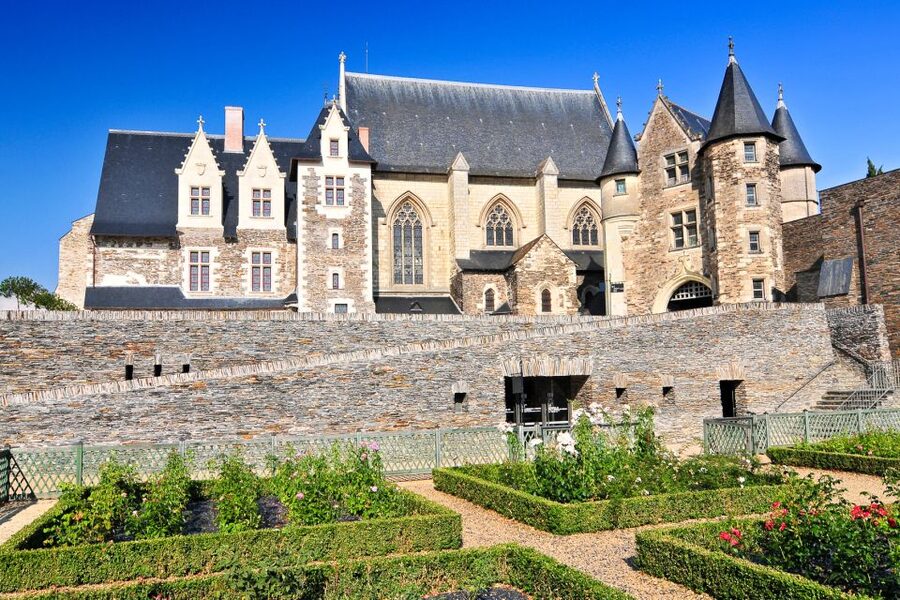
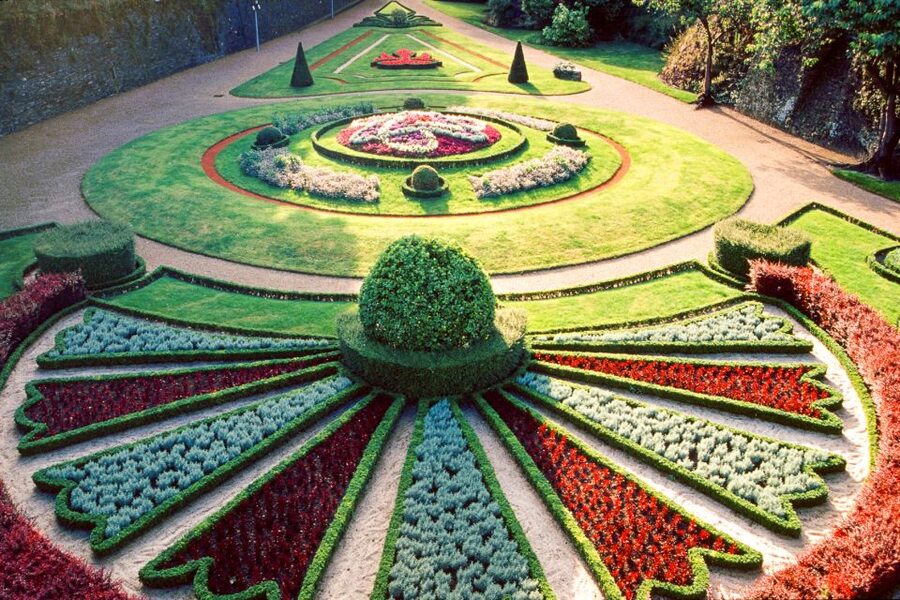
The castle grounds are not only stone and military history. Traditional gardens soften the fortress and give you a calmer place to walk after the ramparts.
The gardens help explain how a fortified residence also functioned as a place of power and daily life. Medieval and later rulers needed defensive walls, but they also needed working and decorative spaces inside those walls. The contrast is part of what makes the site interesting.
The castle moats add another view of the fortifications. From below, the walls appear even more imposing. A walk near the moats can also give you a better angle on the towers than you get from the main route through the monument.
I would not rush through these areas simply because the Apocalypse Gallery is famous. The gardens and moats are where you can pause, take photographs, and appreciate the scale of the complex. They are also useful if you need a break from close-looking indoors.
Keep an eye on the weather. These areas are exposed, and wind can make the visit feel colder than expected. The practical solution is simple: carry a jacket, even if Angers looks mild when you begin.
Same region, a different set of walls:
- Loire Valley Castles Day Trip from Paris with Complementary Wine
★ 4.5 · 3,907 reviews - From Paris: Loire Valley Castles Day Trip With Wine Tasting
★ 4.6 · 1,727 reviews - ★ Walking Tour of Old Nice and Castle Hill
★ 5.0 · 1,318 reviews - From Paris: Full-Day Loire Valley Chateaux Tour
★ 4.4 · 1,269 reviews
The Apocalypse Gallery and its 103-meter woven work
The main reason many people come to Château d’Angers is the Apocalypse Gallery. It houses what is described as the world’s biggest and oldest collection of medieval woven art, with the central work measuring 103 meters in length.
The piece was woven in 1375 and reflects fourteenth-century life and concerns in France. Its size is difficult to grasp from a quick description. This is not a small panel or a single decorative wall hanging. It is a vast sequence displayed in its own impressive room.
Give this gallery real time. The scale is the first thing you notice, but the details reward slower attention. The work is connected to the Book of Revelation, and the long presentation allows scenes and figures to unfold across the room. You do not need to be a specialist to appreciate the craftsmanship and ambition involved.
The gallery also changes your understanding of the castle. Outside, you see a fortress built for defense. Inside, you encounter an enormous work commissioned in a world of courtly power, religion, warfare, and skilled textile production. The contrast makes both parts of the visit stronger.
The gallery is kept at about 19°C for conservation purposes. That temperature is comfortable for many people, but it may feel cool after time outside in warm weather. The space closes 15 minutes before the monument itself, so do not leave it until the very end.
This is also where a guide, if one is included with your particular booking, could add real value. A recent account praised a passionate historian who held the group’s attention with an explanation of the Apocalypse work. Still, the basic details describe an entrance ticket, not a guaranteed guided tour, so confirm what your booking includes before you count on commentary.
The chapel, royal dwelling, and courtly side of the site
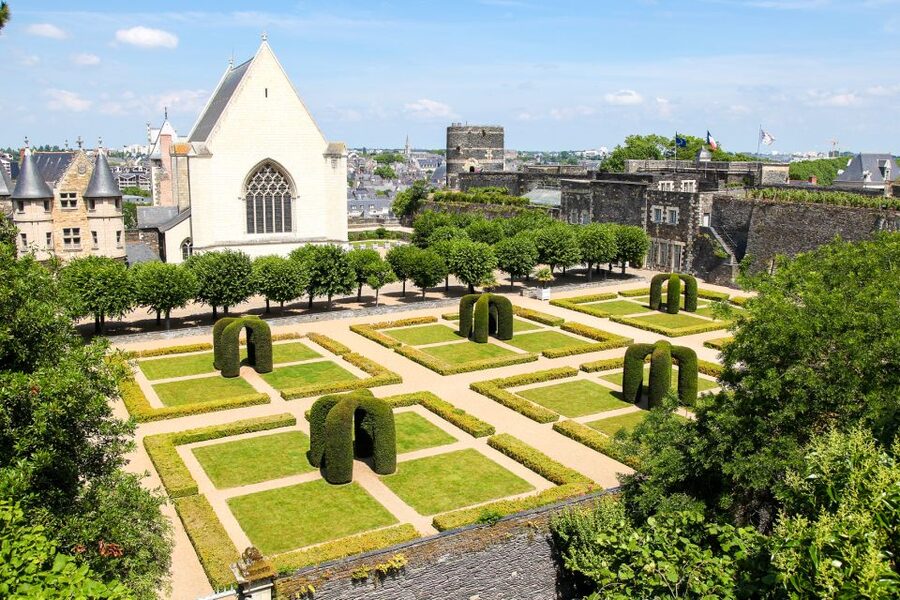
The chapel and royal dwelling show a different side of Château d’Angers. The fortress can feel stern from outside, but these areas point to the people who lived, worshipped, governed, and entertained within the walls.
The royal dwelling is especially useful for balancing the military image of the castle. A medieval ruler needed more than towers and defensive walls. The residence had to support administration, ceremony, religion, and everyday life.
The chapel adds another layer to the visit. It is an unheated space, so it may feel cold in winter or during poor weather. That is not a flaw so much as a reminder that historic buildings were not designed for modern comfort.
The royal dwelling and temporary exhibitions close 30 minutes before the monument. The chapel closes 15 minutes before the main closing time. I suggest visiting these rooms before making your final rampart walk. That order protects you from arriving at the door just after an interior area has closed.
How much time should you allow?
The ticket lasts one day, and that flexibility is useful. The supplied details do not give a required visit length, so I would plan enough time for the major areas rather than treating this as a quick photo stop.
At a minimum, allow time for:
- The fortress walls and 17 towers
- A walk along the ramparts
- The gardens and moats
- The Apocalypse Gallery
- The chapel and royal dwelling
- Any temporary exhibition open during your visit
The full-day validity is most valuable if you like to look closely or prefer a relaxed pace. You can also use the extra time to adjust for weather, since the monument includes both exposed outdoor sections and enclosed rooms.
If you have limited time in Angers, make the Apocalypse Gallery and ramparts your priorities. If you have more time, add the gardens, moats, chapel, and royal dwelling so the castle feels like a complete historic site rather than a single famous exhibit.
Is the $12 admission good value?
At $12 per person, I consider this a strong-value admission for a major French monument. The price gives you access for one day, not merely a short entry window, and the site includes several distinct experiences.
The value comes from the combination. You get a fortress with 17 towers, elevated city views, traditional gardens, moats, historic interiors, and an enormous medieval woven work. If you visited only for the Apocalypse Gallery, the ticket would still have a clear main attraction. The ramparts and fortress architecture make the price easier to justify.
There are a few limits. The ticket is non-refundable, and the basic inclusion is entrance only. You should not assume transportation, a meal, or a personal guide is part of the purchase. The small-group information says participation is limited to 10 people, but the experience is still presented primarily as an admission ticket, so check the exact booking details if group format matters to you.
Free admission applies to visitors under 18 and to EU citizens under 26, with photo identification required at the ticketing station before going to the monument entrance. Free entry is also available on the first Sunday of January, February, March, November, and December, as well as during European Heritage Days on the third weekend of September.
Timing, identification, and practical warnings

Bring a passport or ID card. Visitors using age-based or EU-based free admission must show photo identification at the ticketing station.
The ticket office and last access close 45 minutes before the monument. That is an important cutoff, especially if you are arriving late in the day. The gallery, chapel, and shop close 15 minutes before the main closing time, while temporary exhibitions and the royal dwelling close 30 minutes before closing.
The monument is closed on January 1, May 1, and December 25. Check the available starting times for your date before setting your schedule.
The outdoor areas can be windy, and the chapel is not heated. The Apocalypse Gallery is maintained at about 19°C for conservation. I would dress in layers so you can stay comfortable in every section.
Who will enjoy Château d’Angers most?
I recommend this visit if you enjoy medieval fortifications, historic art, or city views. It works particularly well for anyone who wants a major sight that combines outdoor walking with a memorable indoor exhibit.
Families can benefit from the variety of spaces. The towers, walls, moats, and gardens provide movement, while the gallery offers a striking visual centerpiece. Children under 18 enter free, though the long medieval scenes may appeal more to older children who can spend time looking at details.
History enthusiasts will find plenty to examine, especially in the development of the castle from a ninth-century foundation to a thirteenth-century fortified complex and later royal residence.
You may want to choose another activity if you dislike outdoor walking, exposed ramparts, or historic buildings without modern heating. The ticket also may not suit you if you want a guaranteed guided explanation, since the basic admission does not clearly include one.
Should you book the Château d’Angers ticket?
I would book it if you want to see one of France’s most unusual medieval collections while also exploring a genuine fortress. The Apocalypse Gallery is the decisive attraction, and the ramparts add views and physical scale that you cannot get from an indoor museum alone.
Book with a little planning. Bring identification, allow time before the final access cutoff, and visit the gallery, chapel, and royal dwelling before their earlier closing times. If you want a guide, verify that detail before paying.
At $12, this is an easy recommendation for a day in Angers, especially for people who value historic architecture, medieval art, and the freedom to explore at their own pace.
FAQ
Where is Château d’Angers located?
The château is at 2, Promenade du Bout du Monde in Angers, in France’s Pays de la Loire region.
What does the entrance ticket include?
The ticket includes entrance to Château d’Angers. It provides access to the castle and its visitor areas, including the ramparts, gardens, moats, chapel, royal dwelling, and Apocalypse Gallery, subject to opening times.
How much does admission cost?
The listed price is $12 per person.
How long is the ticket valid?
The ticket is valid for one day.
Is the ticket refundable?
No. This activity is non-refundable.
Is admission free for children?
Admission is free for visitors under 18. EU citizens under 26 can also enter free with photo identification shown at the ticketing station.
When is Château d’Angers closed?
The monument is closed on January 1, May 1, and December 25.
What identification should I bring?
Bring a passport or ID card. Photo identification is required for visitors claiming free admission based on age or EU citizenship.
Just added around France
- Carcassonne: Secrets of the Castle’s Defense Self-Guided Tour★ 4.5 · 8 reviews
- Complete Private Tour City and Castle of Carcassonne★ 5.0 · 12 reviews
- Saint Emilion Castle and Village Wine Tour★ 4.5 · 23 reviews
- Château de Fieuzal, Pessac-Léognan: Visit and Tasting★ 5.0 · 18 reviews
- Wine Tour of Mèdoc : Châteaux, Tastings and WSET Guide★ 5.0 · 21 reviews
- Full-day Saint-Emilion: Village, Undergrounds and Châteaux★ 4.5 · 55 reviews
- Private Wine Lovers – Super St Emilion – behind the scenes visits top chateaux and medieval town★ 5.0 · 25 reviews
- Bordeaux Médoc Region Private Wine Lovers Tour with Chateau Visits & Tastings★ 5.0 · 40 reviews
Castle Entry Tickets, compared.


Edinburgh Castle: Guided Walking Tour with Entry Ticket
Read our review →
Castle Tour with Local Guide and Entry Ticket
Read our review →
Prague Castle 2.5-Hour Tour Including Admission Ticket
Read our review →
Edinburgh Castle: Guided Walking Tour with Entry Ticket
Read our review →
Prague Castle and Lobkowicz Palace Entry Tickets
Read our review →
Alcázar and Cathedral Entry Ticket and Guided Tour
Read our review →Browse the lists this tour appears in